Dreaming again often requires leaving the paved road behind.
Fall - Winter 2014-15
AMERICAN
LANDSCAPE

*
*

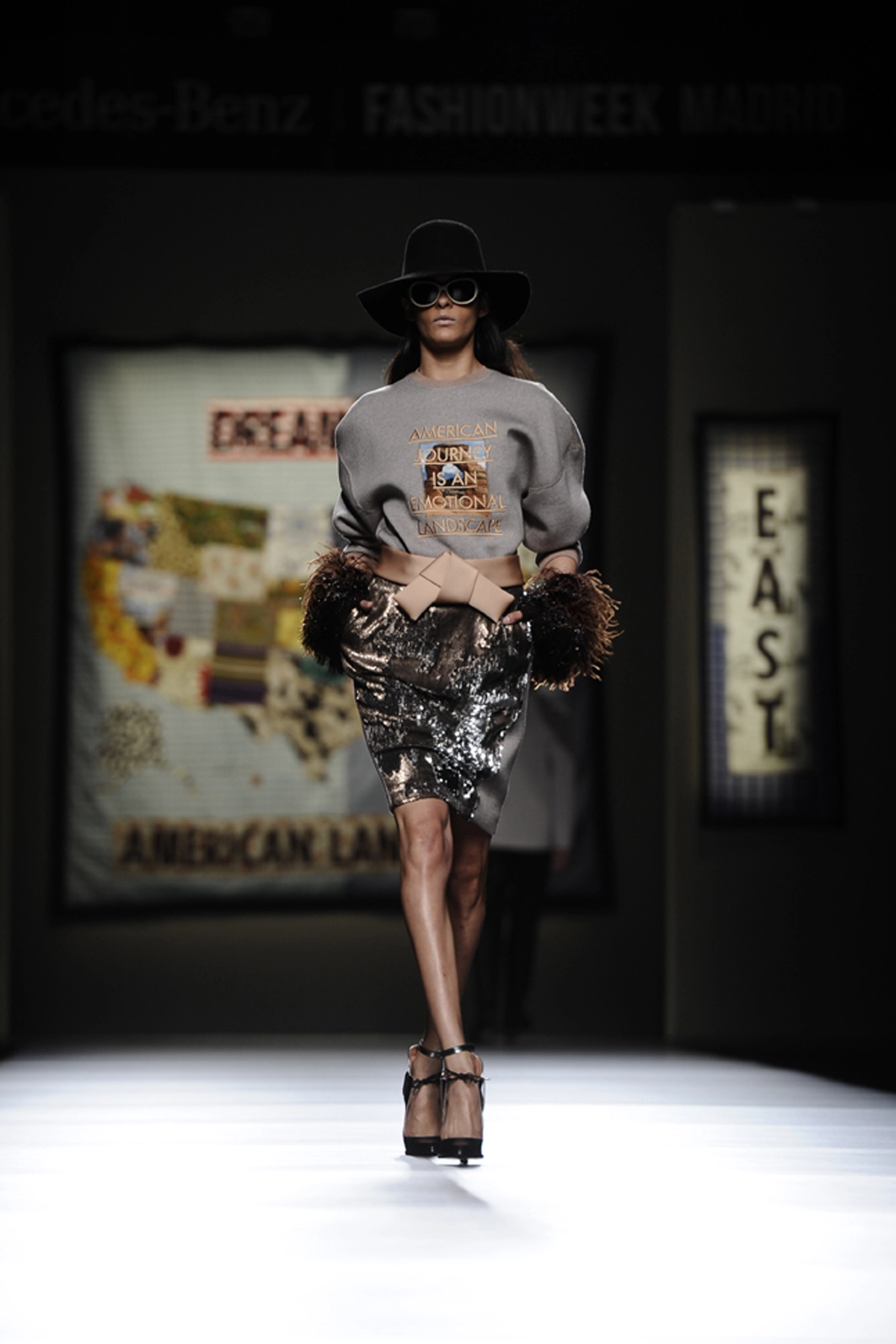
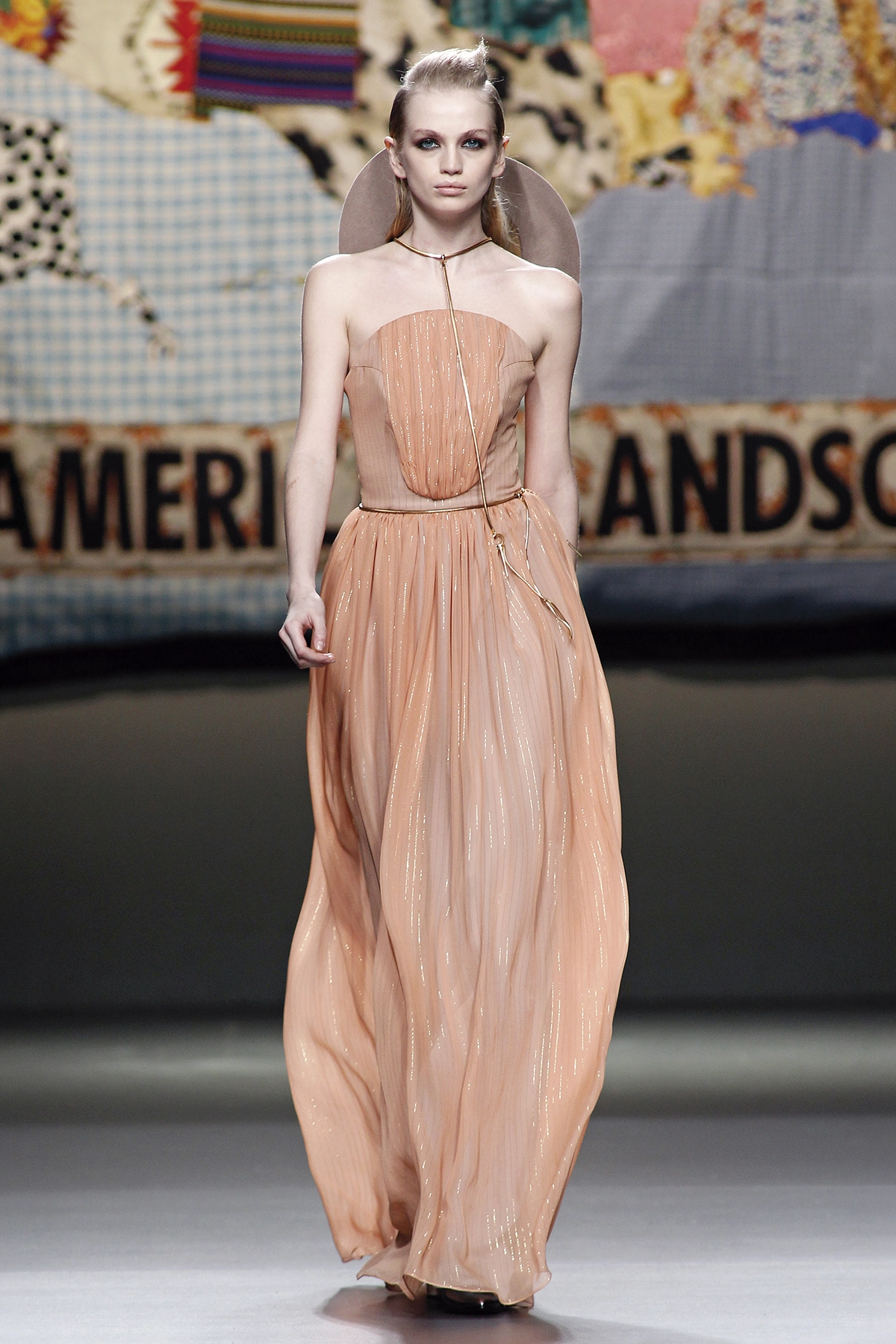
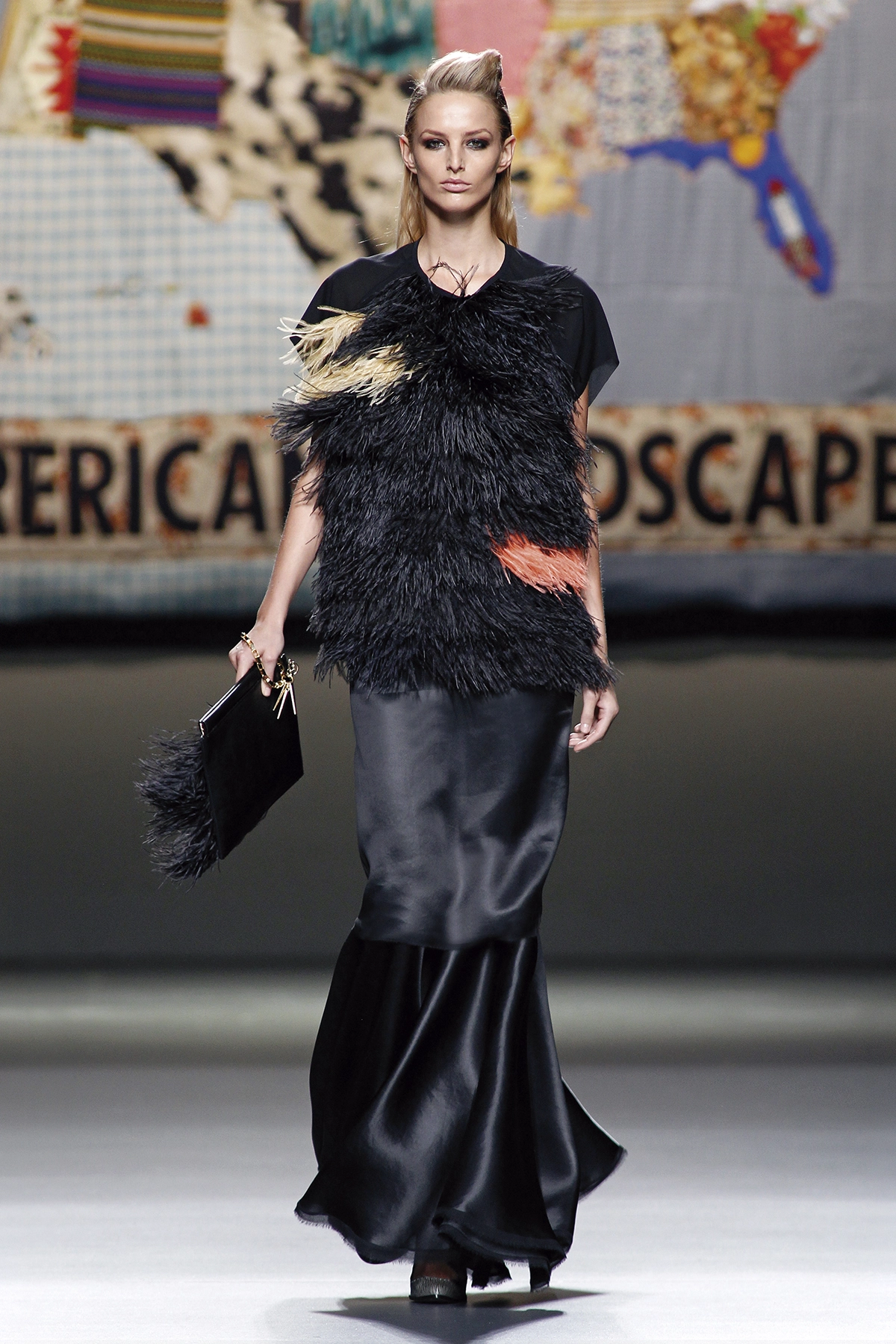
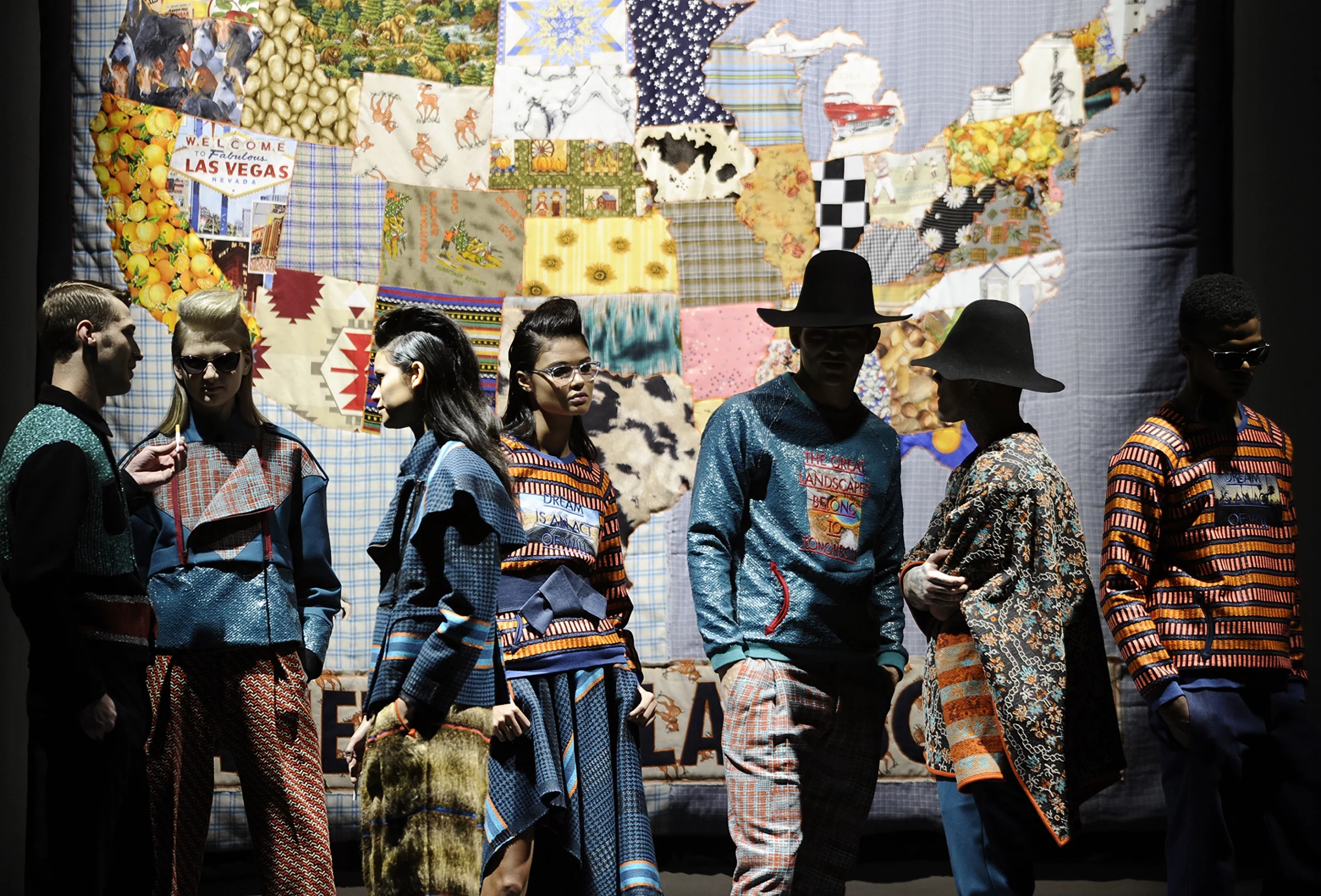
The primal American Dream: to begin again, to claim the promise of a place to call one’s own. It was with this desire that the first settlers entered the American landscape. Across its boundless horizon, they drew borders, claimed ownership of territories, and established laws.
American Landscape does not dwell on the myth of the pioneer, but on the journey that still unfolds across this vast geography—on the search for a new existence, on the freedom to choose where to go next and how to move forward.
I have always been drawn to road movies: Easy Rider, the cornerstone of the genre, where destiny turns into misunderstanding: Paris, Texas, a romantic ode to the search for love and the erasure of memory, The Straight Story, a fable about life’s final journey. O Brother, Where Art Thou?, with its delirious hunt for treasure, and, of course, the yellow brick road—radiant and dangerous at once—in The Wizard of Oz and Wild at Heart. These films shaped my emotional memory, becoming compasses of experience and maps of feeling.
Every road movie offers highways that promise access to the American Dream. But dreaming again often requires leaving the paved road behind. Making fashion feels like casting a spell: stepping away from the straight path, gathering the right elements, and preparing the enchantment.
The American landscape, however, does not give itself easily. It is a wild territory—seemingly open, yet governed by hidden codes. To ignore them is to lose one’s way. Along that immense horizontal line, there is no room for the verticality of power—only for those willing to read its language, listen to its silence, and understand that within every open horizon lies the possibility of beginning again.
The primal American Dream: to begin again, to claim the promise of a place to call one’s own. It was with this desire that the first settlers entered the American landscape. Across its boundless horizon, they drew borders, claimed ownership of territories, and established laws.
American Landscape does not dwell on the myth of the pioneer, but on the journey that still unfolds across this vast geography—on the search for a new existence, on the freedom to choose where to go next and how to move forward.
I have always been drawn to road movies: Easy Rider, the cornerstone of the genre, where destiny turns into misunderstanding: Paris, Texas, a romantic ode to the search for love and the erasure of memory, The Straight Story, a fable about life’s final journey. O Brother, Where Art Thou?, with its delirious hunt for treasure, and, of course, the yellow brick road—radiant and dangerous at once—in The Wizard of Oz and Wild at Heart. These films shaped my emotional memory, becoming compasses of experience and maps of feeling.
Every road movie offers highways that promise access to the American Dream. But dreaming again often requires leaving the paved road behind. Making fashion feels like casting a spell: stepping away from the straight path, gathering the right elements, and preparing the enchantment.
The American landscape, however, does not give itself easily. It is a wild territory—seemingly open, yet governed by hidden codes. To ignore them is to lose one’s way. Along that immense horizontal line, there is no room for the verticality of power—only for those willing to read its language, listen to its silence, and understand that within every open horizon lies the possibility of beginning again.




*
Making fashion feels like casting a spell: stepping away from the straight path, gathering the right elements, and preparing the enchantment.
*