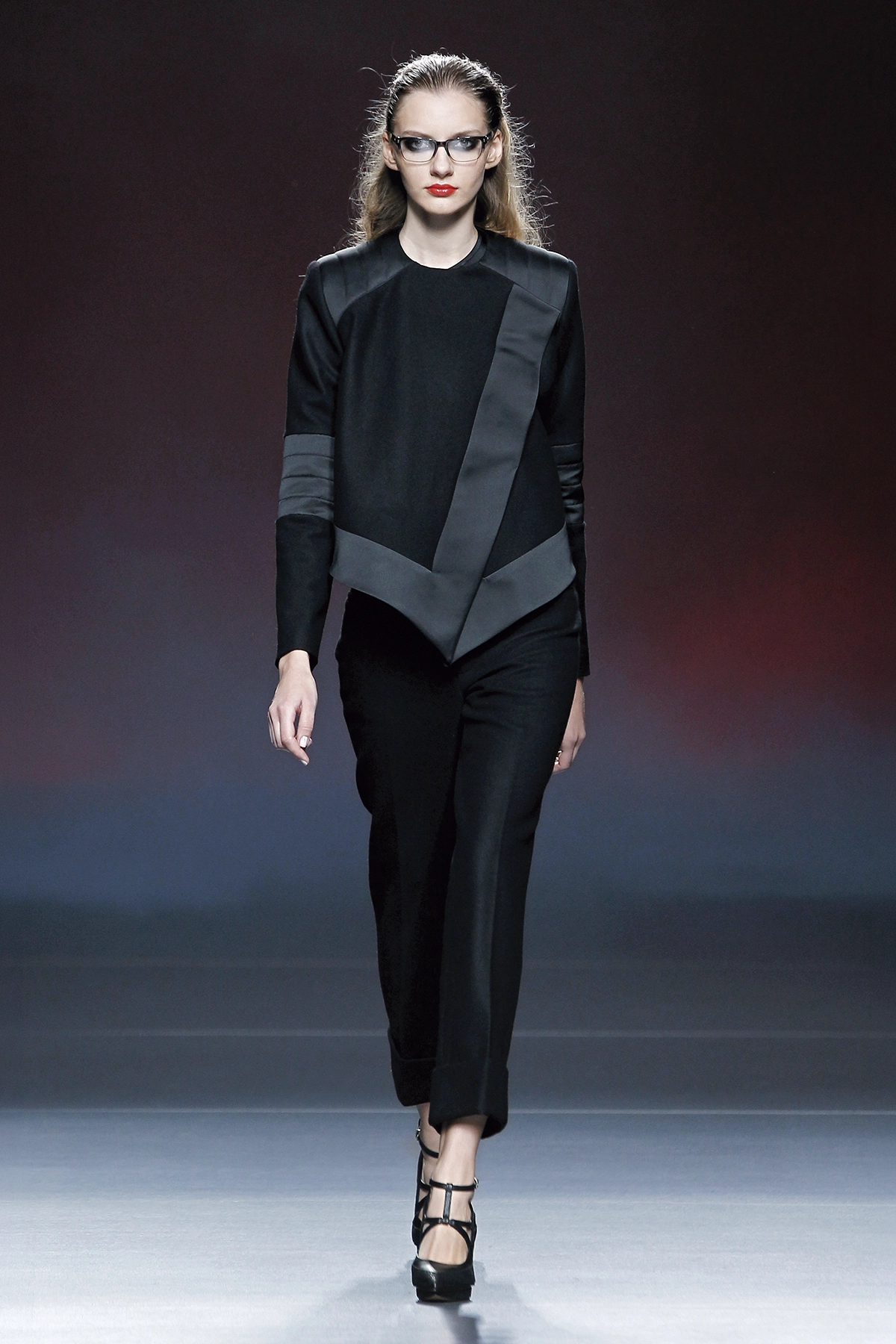
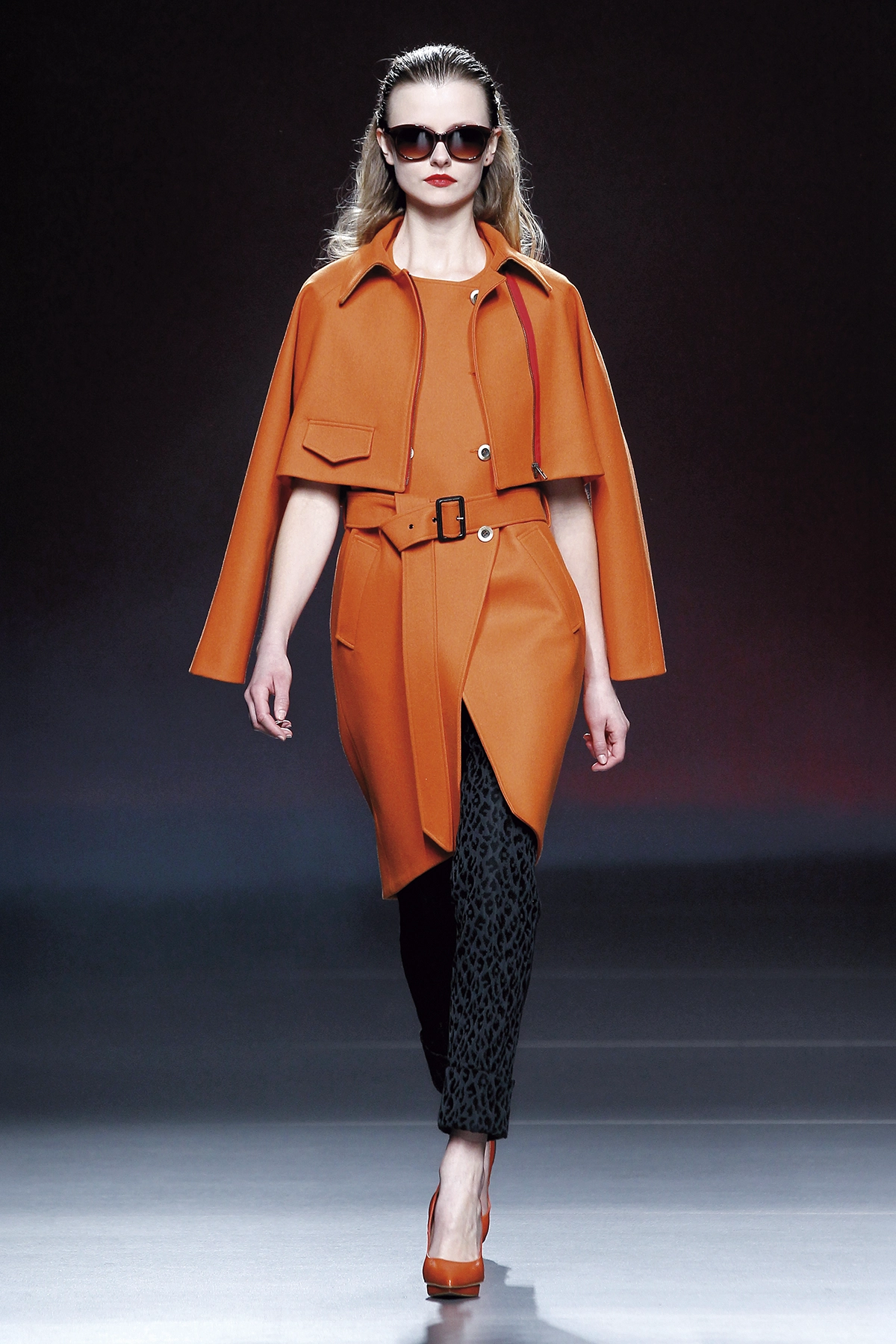
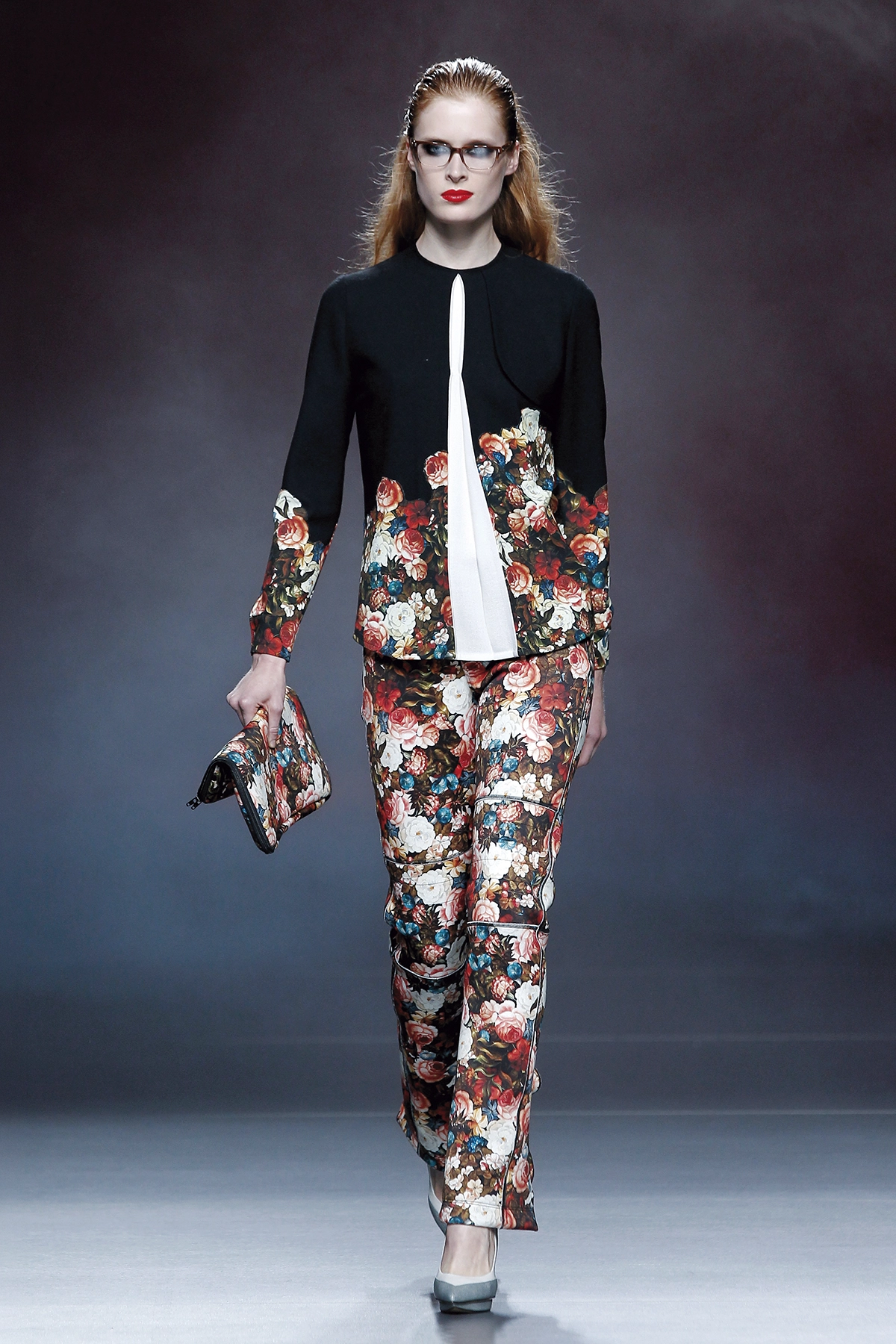
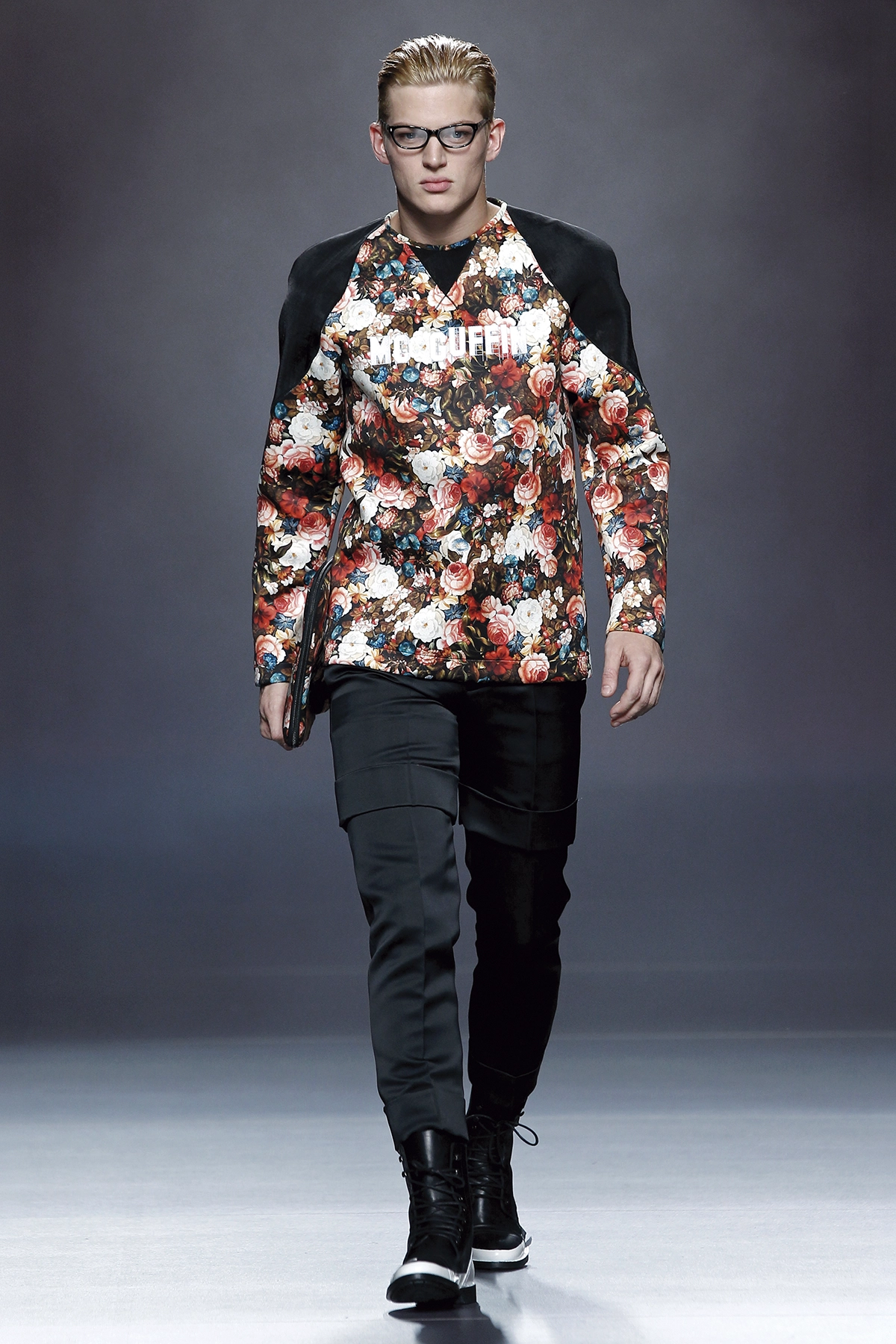
McGuffin is nothing more than a pretext: a catalyst, a poetic excuse that invites everyone to project their gaze, their obsessions, their desires.
Fall - Winter 2013-14
Mc GUFFIN

*
*

Two men were riding on a train in Scotland. One turned to the other and said,
“What’s that package over your head there?”
“Oh, that’s a McGuffin.”
“What is a McGuffin?”
“It’s an apparatus for trapping lions in the Scottish Highlands.”
“But there are no lions in the Scottish Highlands.”
“Then it isn’t a McGuffin.”
François Truffaut
Hitchcock/Truffaut
Alfred Hitchcock defined the McGuffin as the element that sets a story in motion—the necessary trigger that allows something to begin. A device as essential as it is forgettable: the excuse that propels the plot forward while, in itself, being ultimately irrelevant. What matters is not the McGuffin, but everything it unleashes around it: characters, conflicts, emotions, narratives. Without a McGuffin, there is no story. And yet the McGuffin is the great forgotten presence within it.
In my work, I often introduce small signals—gestures meant to involve the observer, to create a relationship between what I wish to tell and what the viewer internalises. Over time, these recurring cues and embedded stories have become inseparable from my language: a signature that establishes a dialogue with those who encounter my collections.
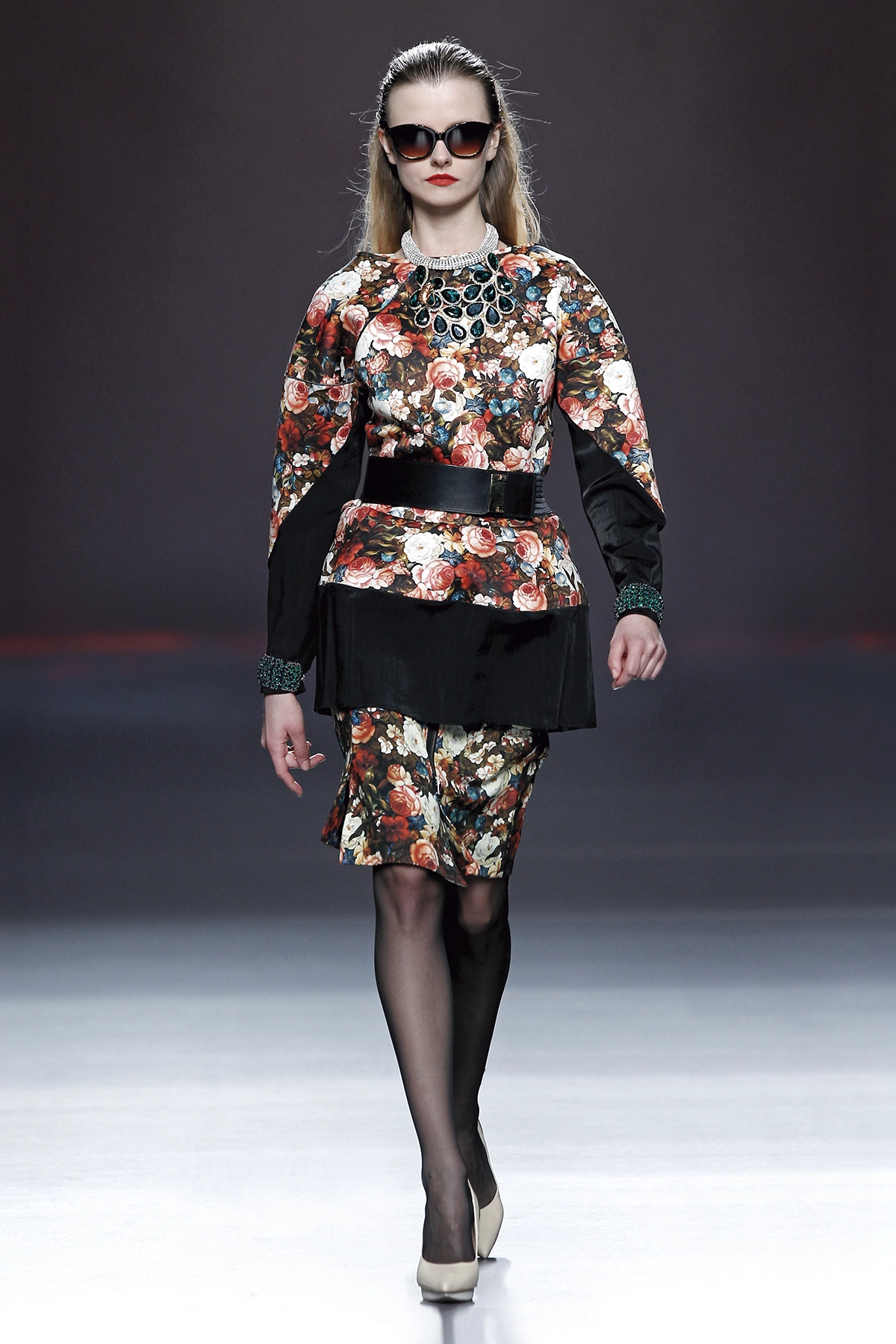
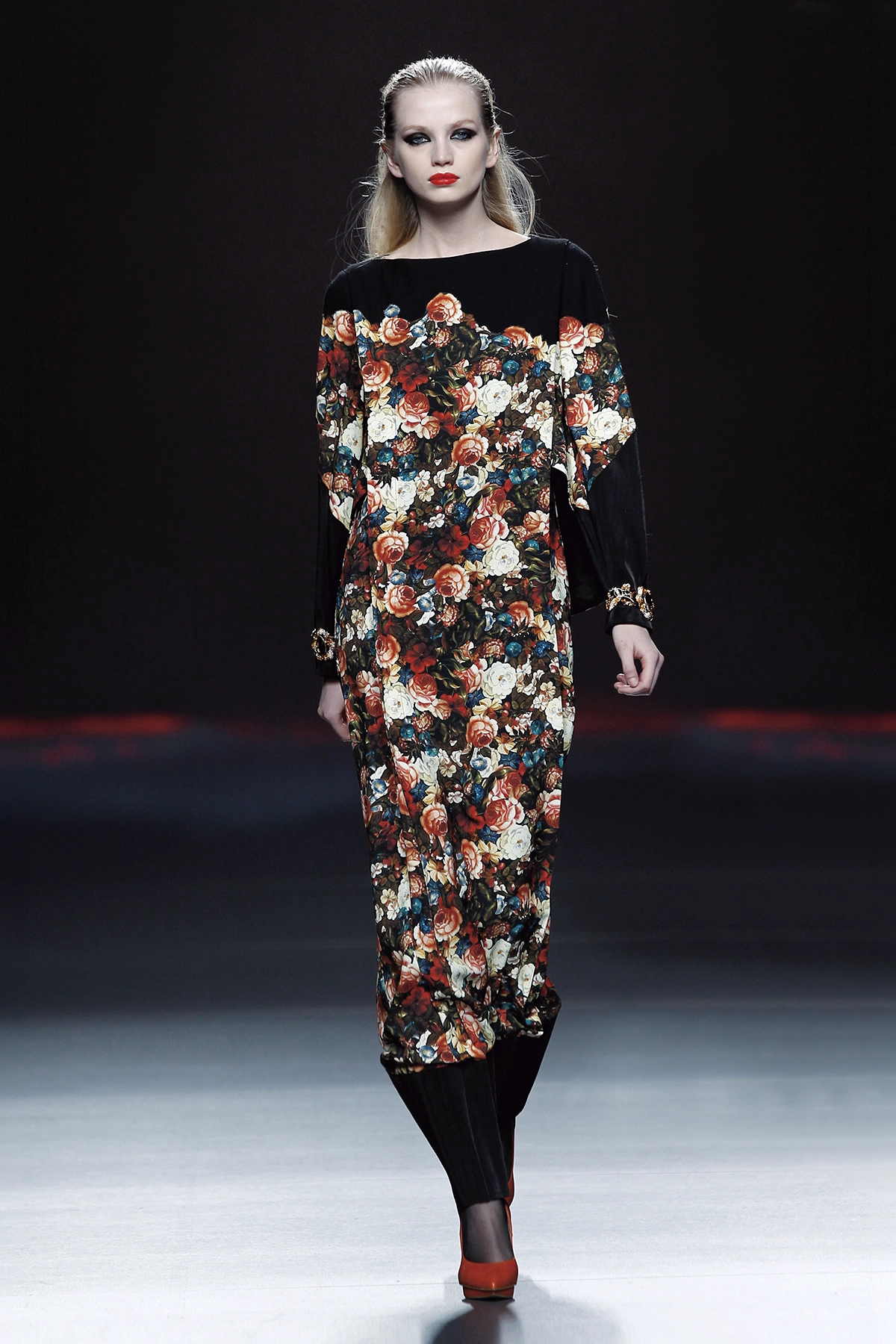
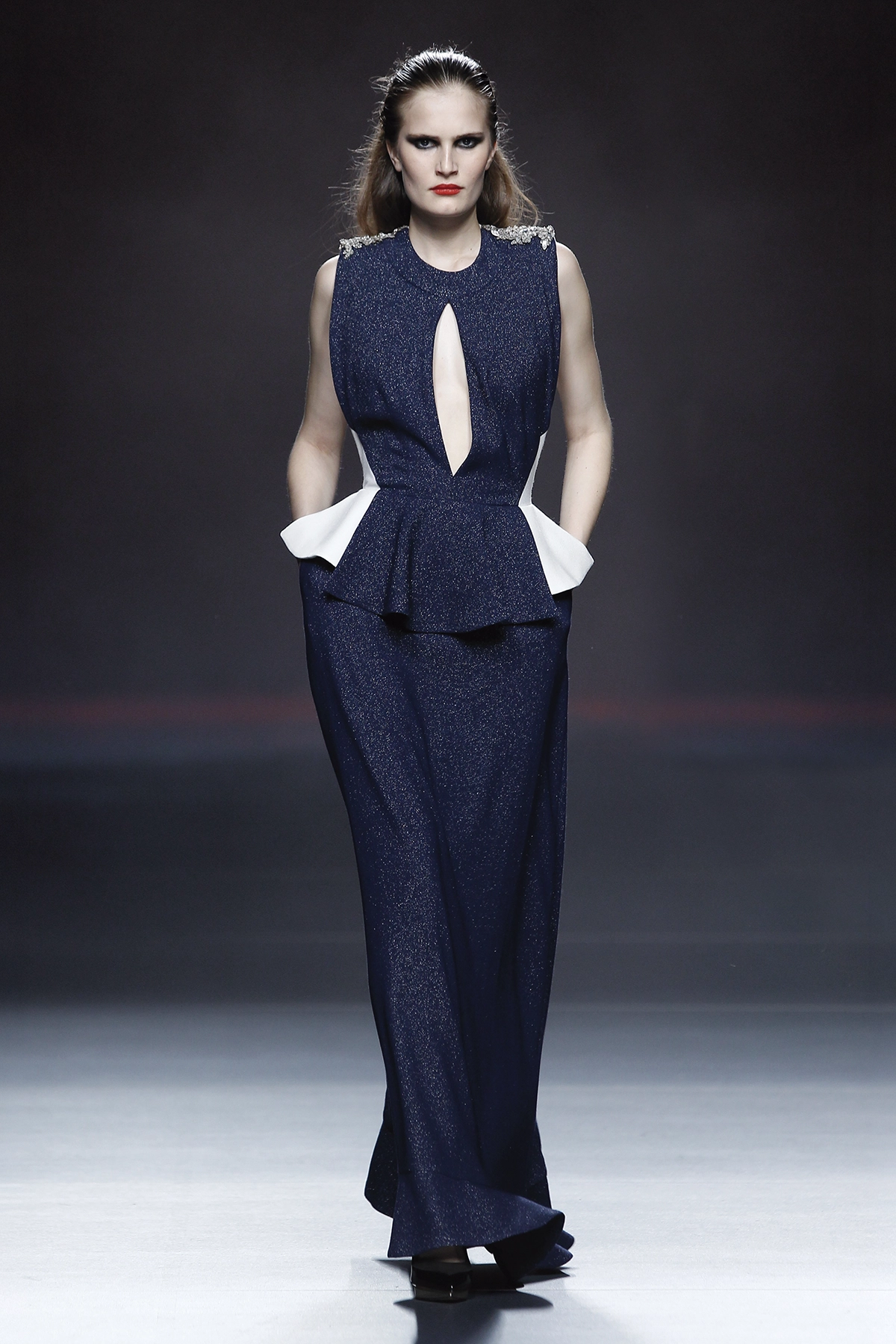
This time, however, I did not want to tell my own story. I wanted to open a space in which each viewer could invent theirs. McGuffin is nothing more than a pretext: a catalyst, a poetic excuse that invites everyone to project their gaze, their obsessions, their desires. What truly matters is that moment of recognition—when the gesture of a garment, the irony of a reference, or the force of an image transcends the runway and settles into the memory of the observer. That is the real narrative. And that is my only intention: that the ironic, the enigmatic, the seemingly incidental become the trigger for a personal story. Because in the end, we all need a McGuffin. An excuse to begin telling.
Two men were riding on a train in Scotland. One turned to the other and said,
“What’s that package over your head there?”
“Oh, that’s a McGuffin.”
“What is a McGuffin?”
“It’s an apparatus for trapping lions in the Scottish Highlands.”
“But there are no lions in the Scottish Highlands.”
“Then it isn’t a McGuffin.”
François Truffaut
Hitchcock/Truffaut
Alfred Hitchcock defined the McGuffin as the element that sets a story in motion—the necessary trigger that allows something to begin. A device as essential as it is forgettable: the excuse that propels the plot forward while, in itself, being ultimately irrelevant. What matters is not the McGuffin, but everything it unleashes around it: characters, conflicts, emotions, narratives. Without a McGuffin, there is no story. And yet the McGuffin is the great forgotten presence within it.
In my work, I often introduce small signals—gestures meant to involve the observer, to create a relationship between what I wish to tell and what the viewer internalises. Over time, these recurring cues and embedded stories have become inseparable from my language: a signature that establishes a dialogue with those who encounter my collections.
This time, however, I did not want to tell my own story. I wanted to open a space in which each viewer could invent theirs. McGuffin is nothing more than a pretext: a catalyst, a poetic excuse that invites everyone to project their gaze, their obsessions, their desires. What truly matters is that moment of recognition—when the gesture of a garment, the irony of a reference, or the force of an image transcends the runway and settles into the memory of the observer. That is the real narrative. And that is my only intention: that the ironic, the enigmatic, the seemingly incidental become the trigger for a personal story. Because in the end, we all need a McGuffin. An excuse to begin telling.


*
We all need a McGuffin. An excuse to begin telling.
*


















© Gerard Estadella
