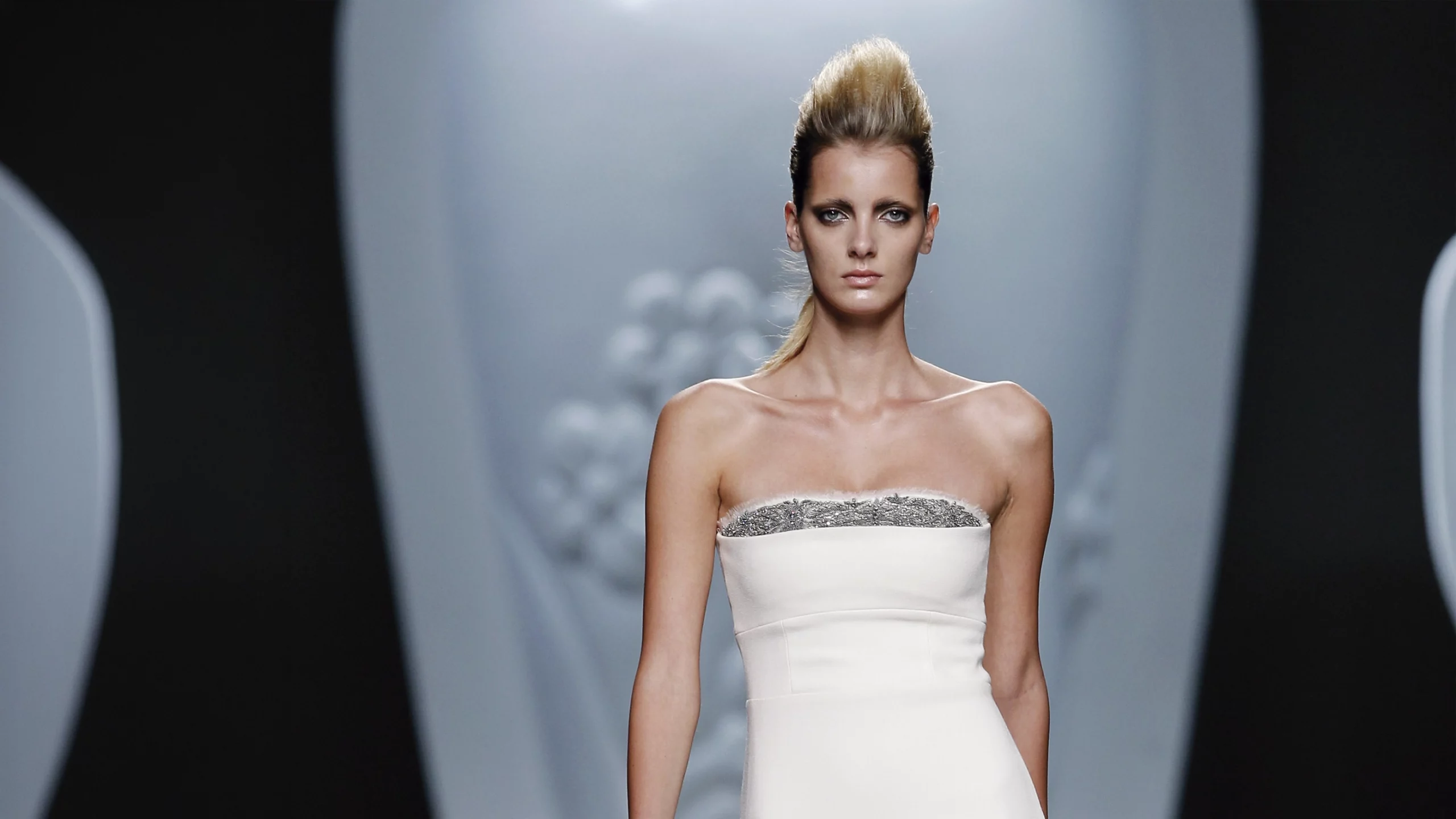
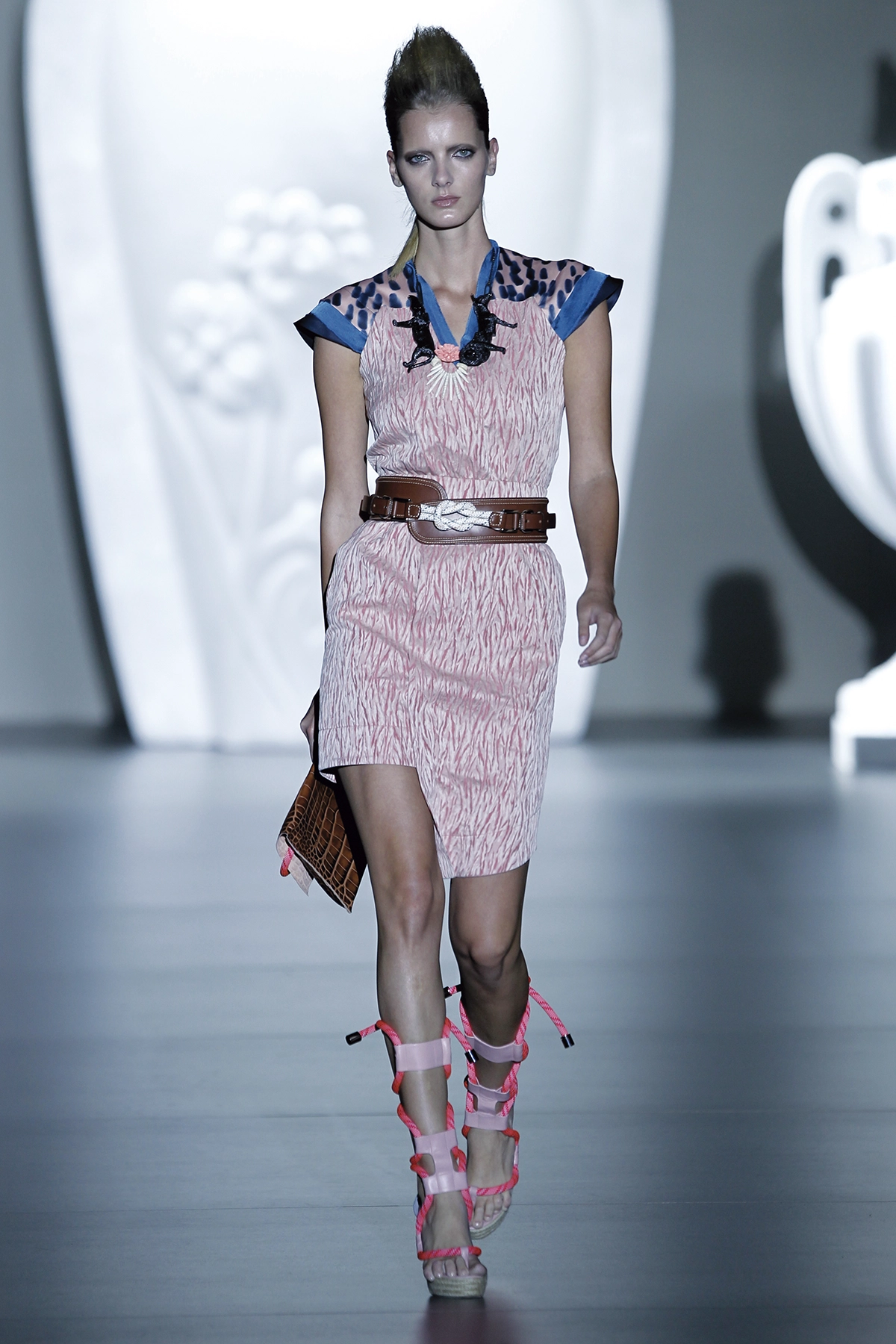
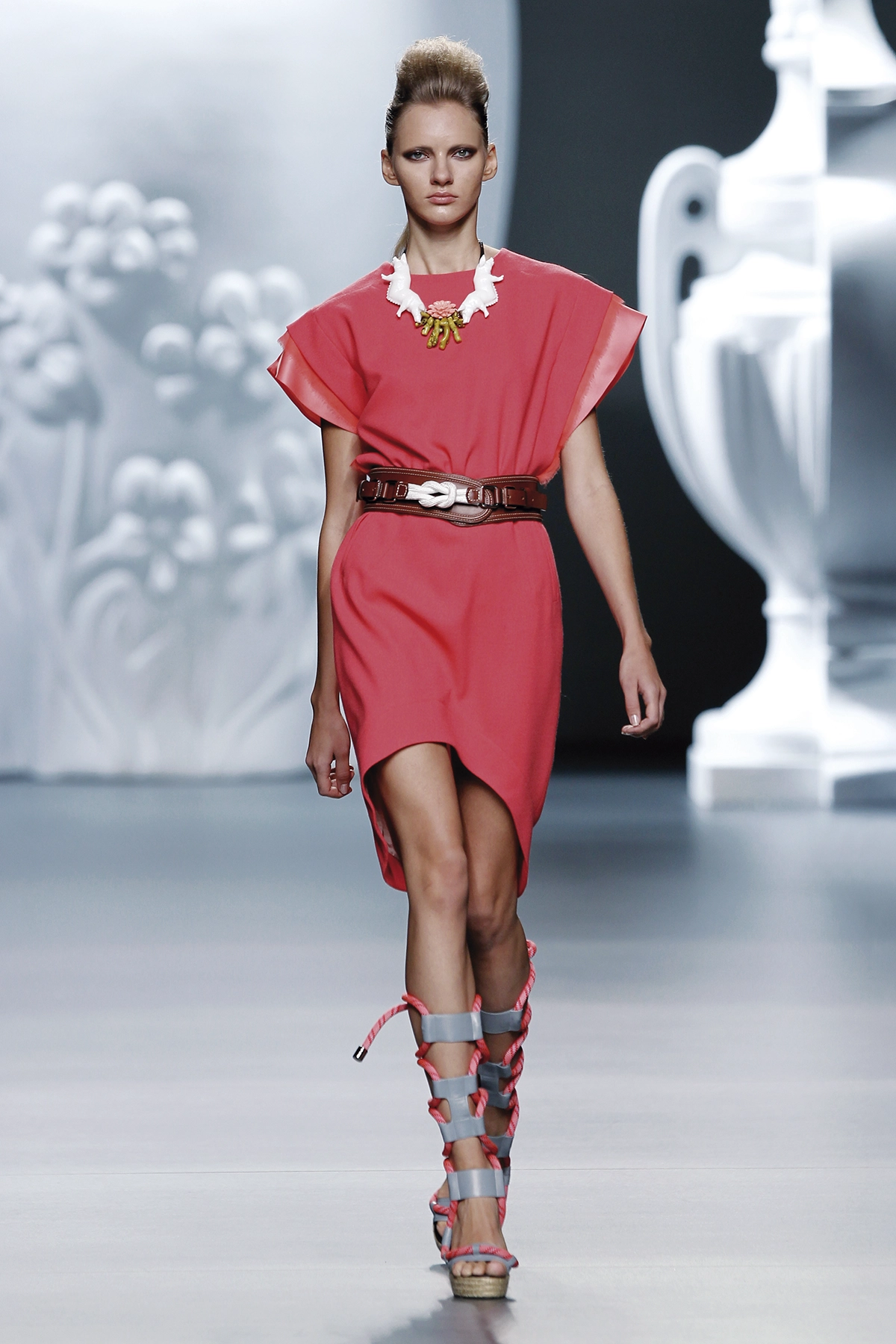
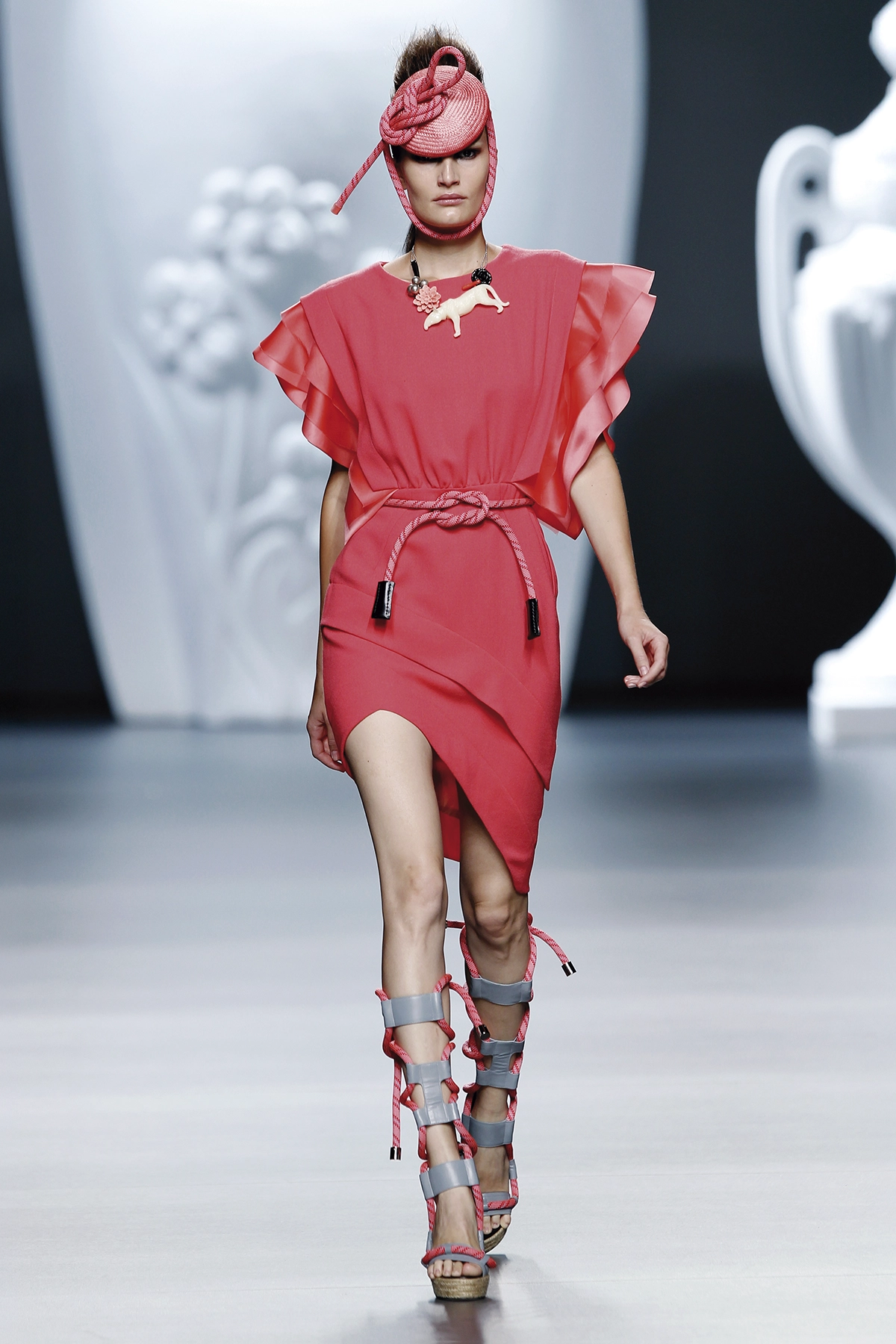
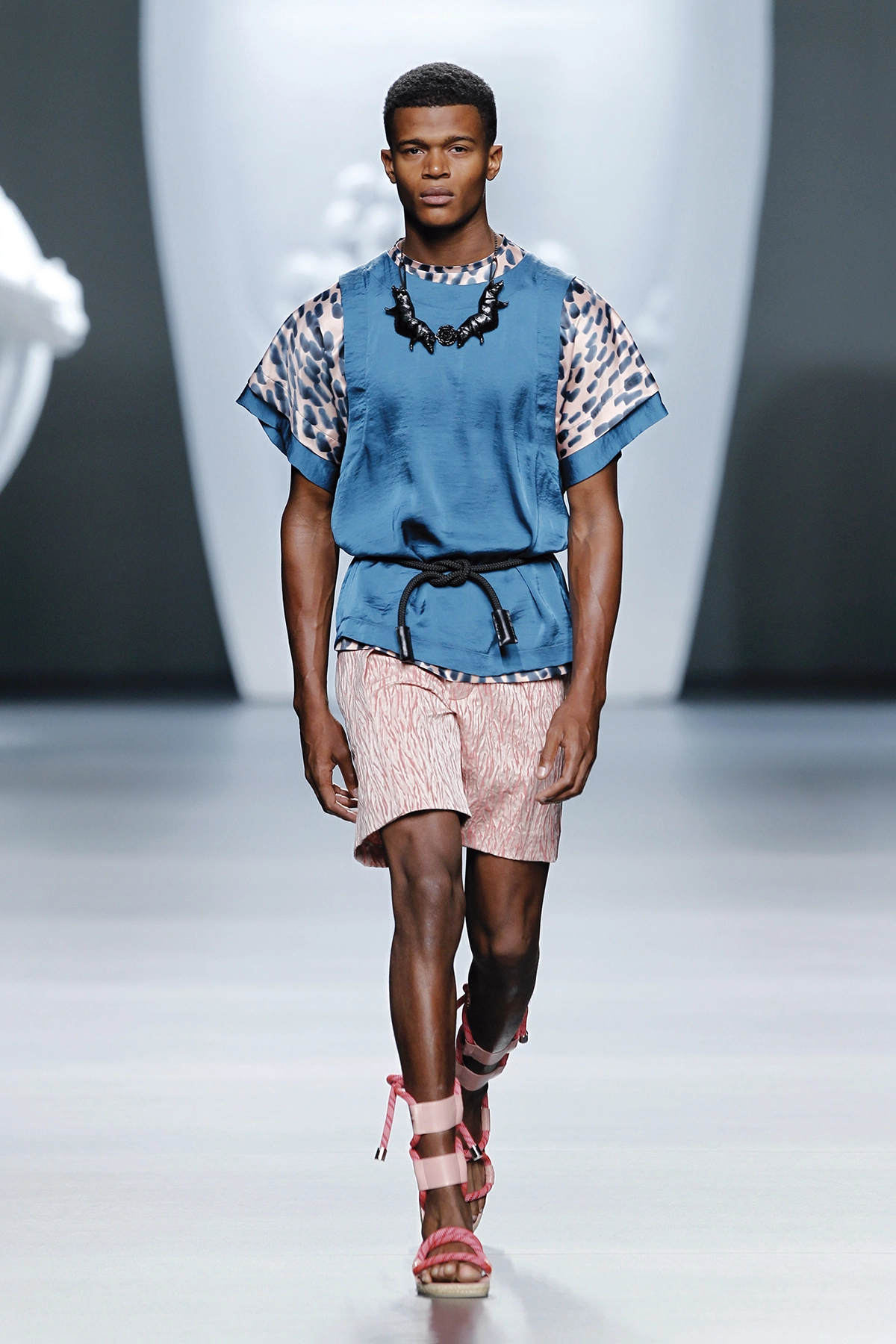
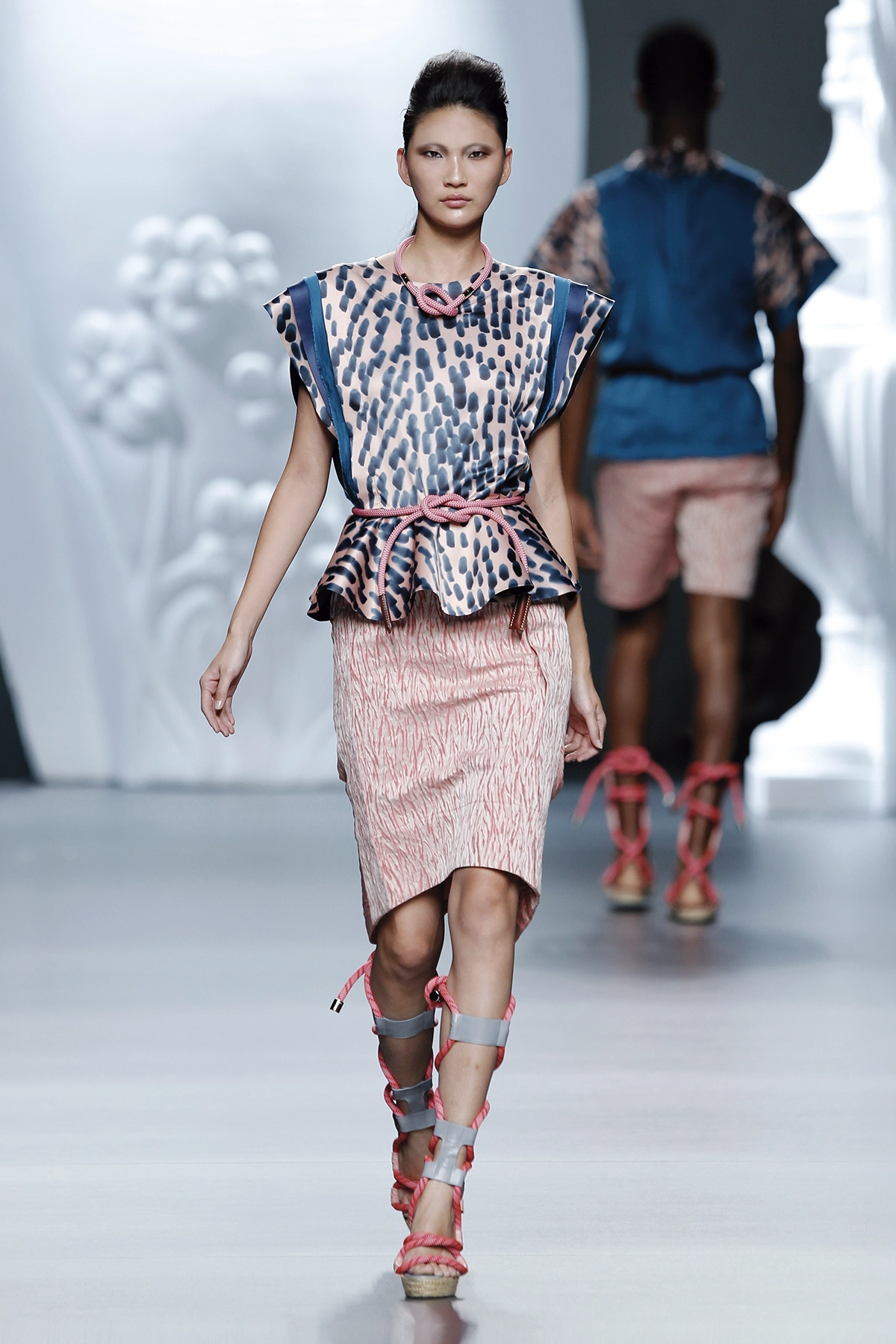
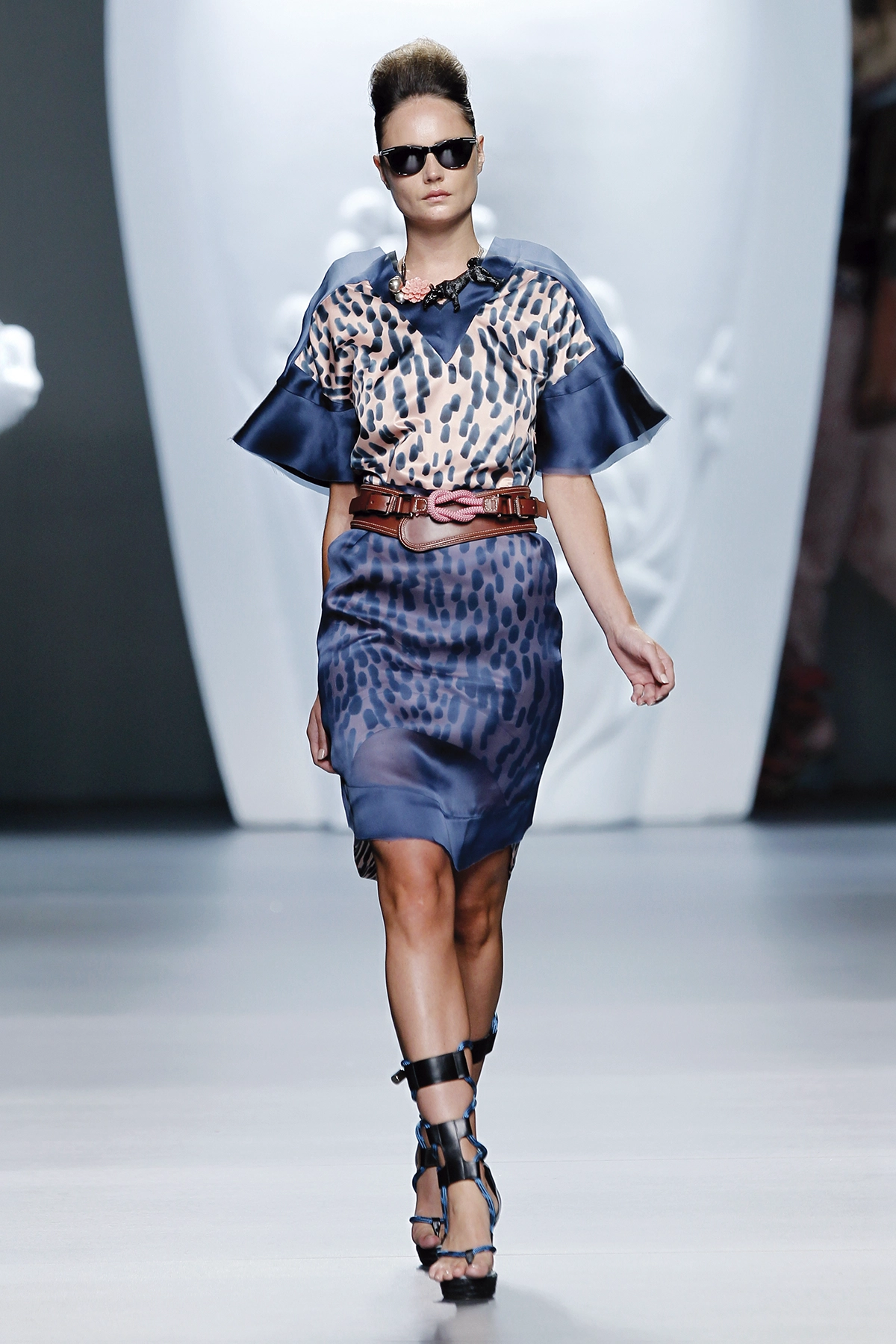
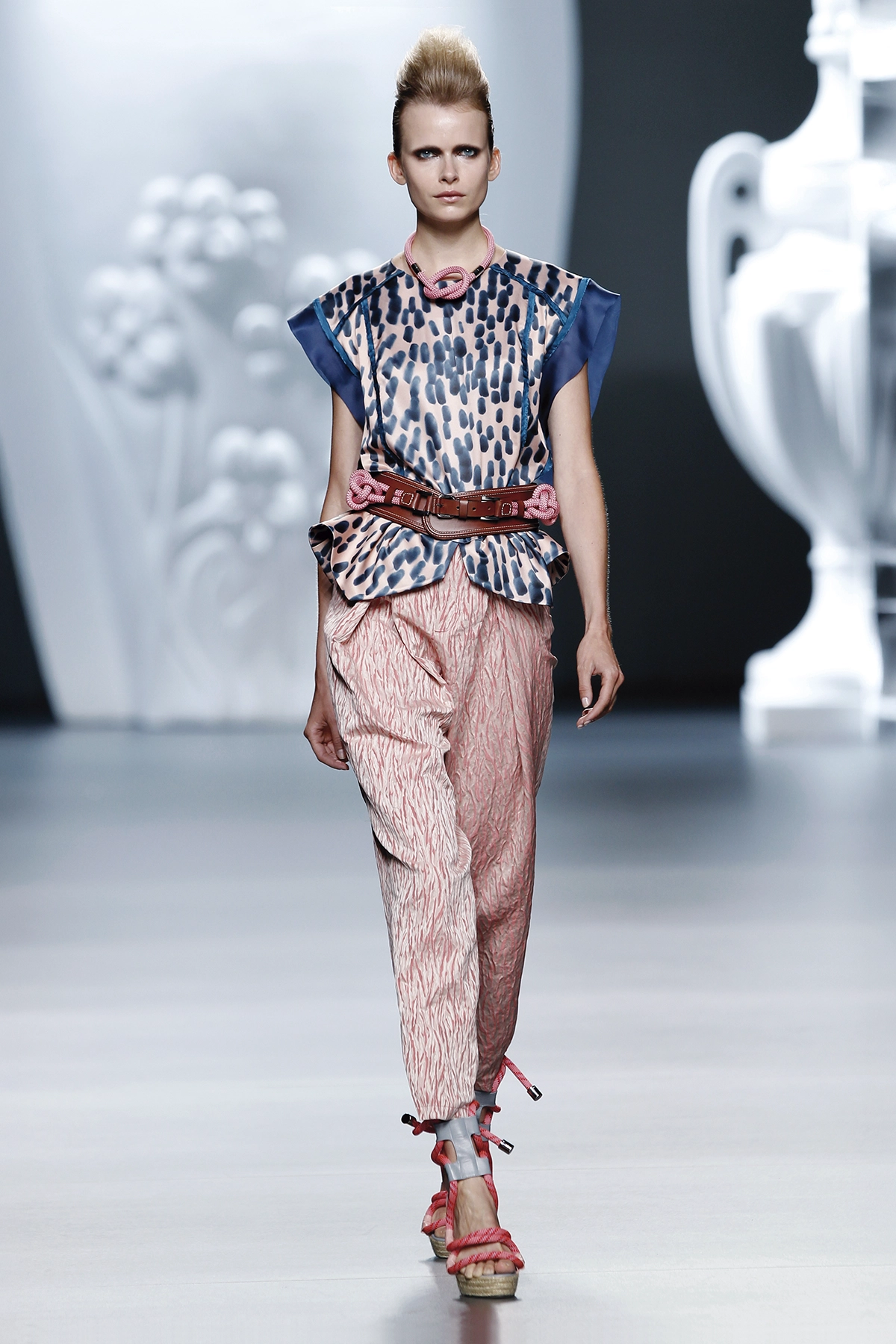
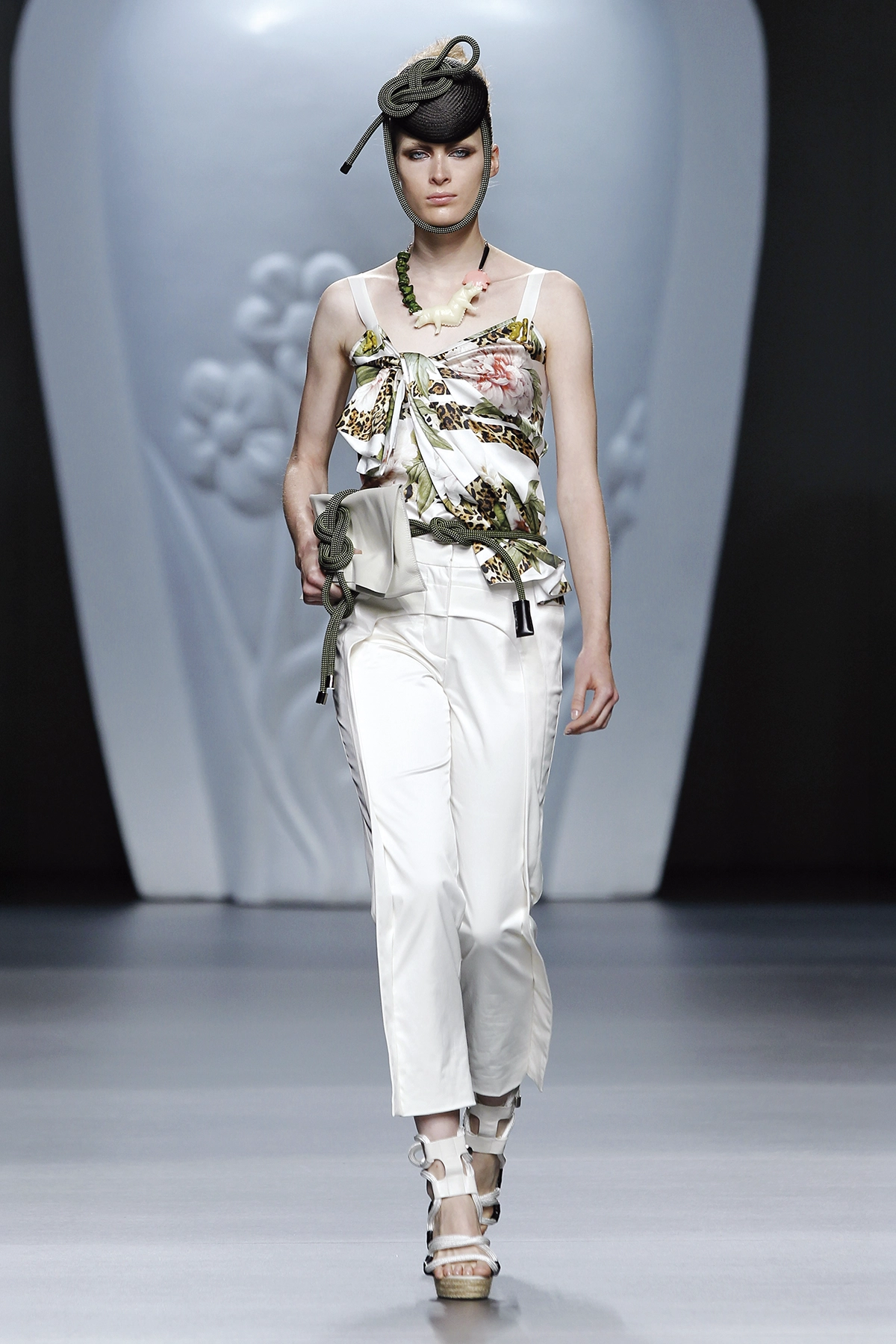
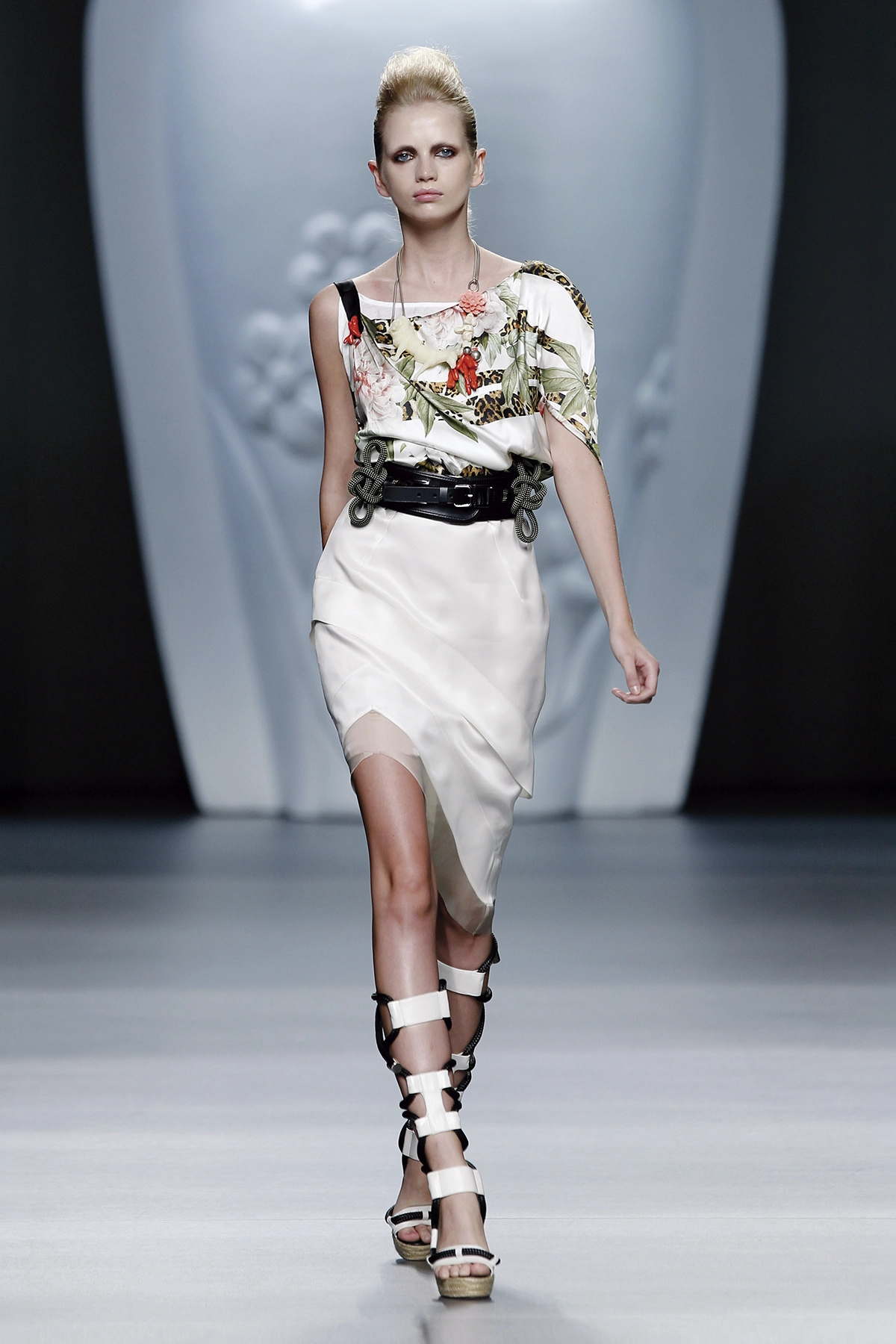
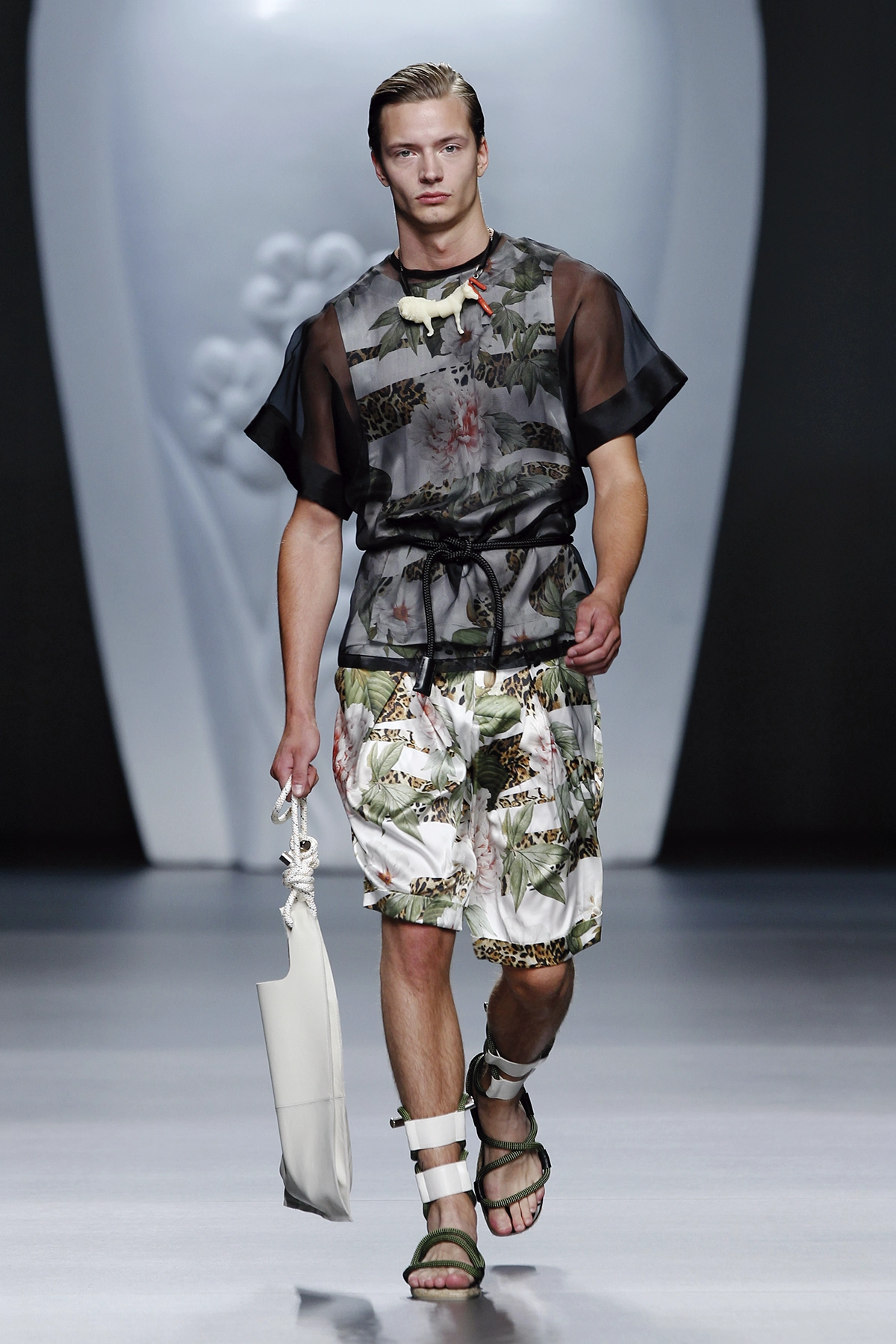
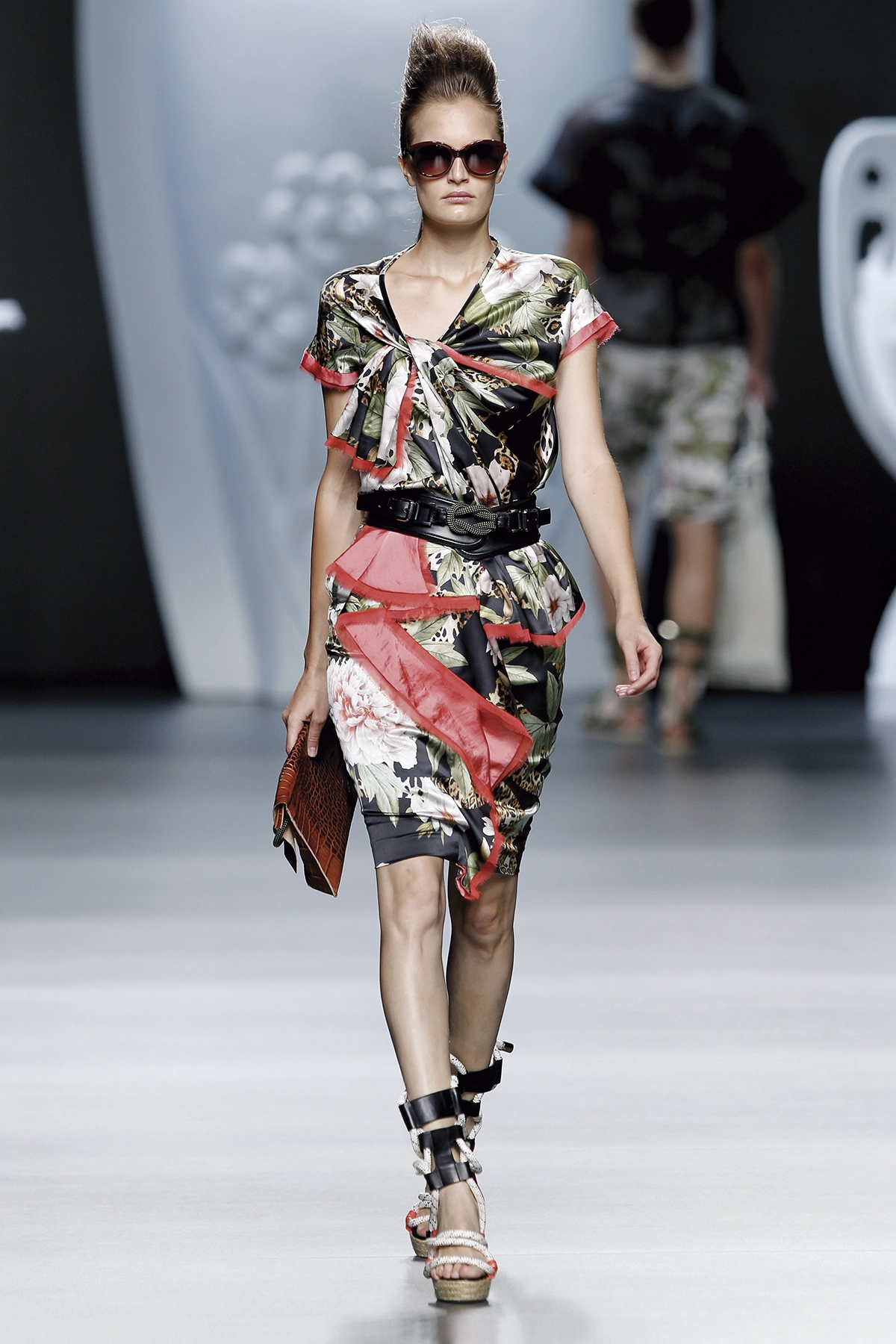
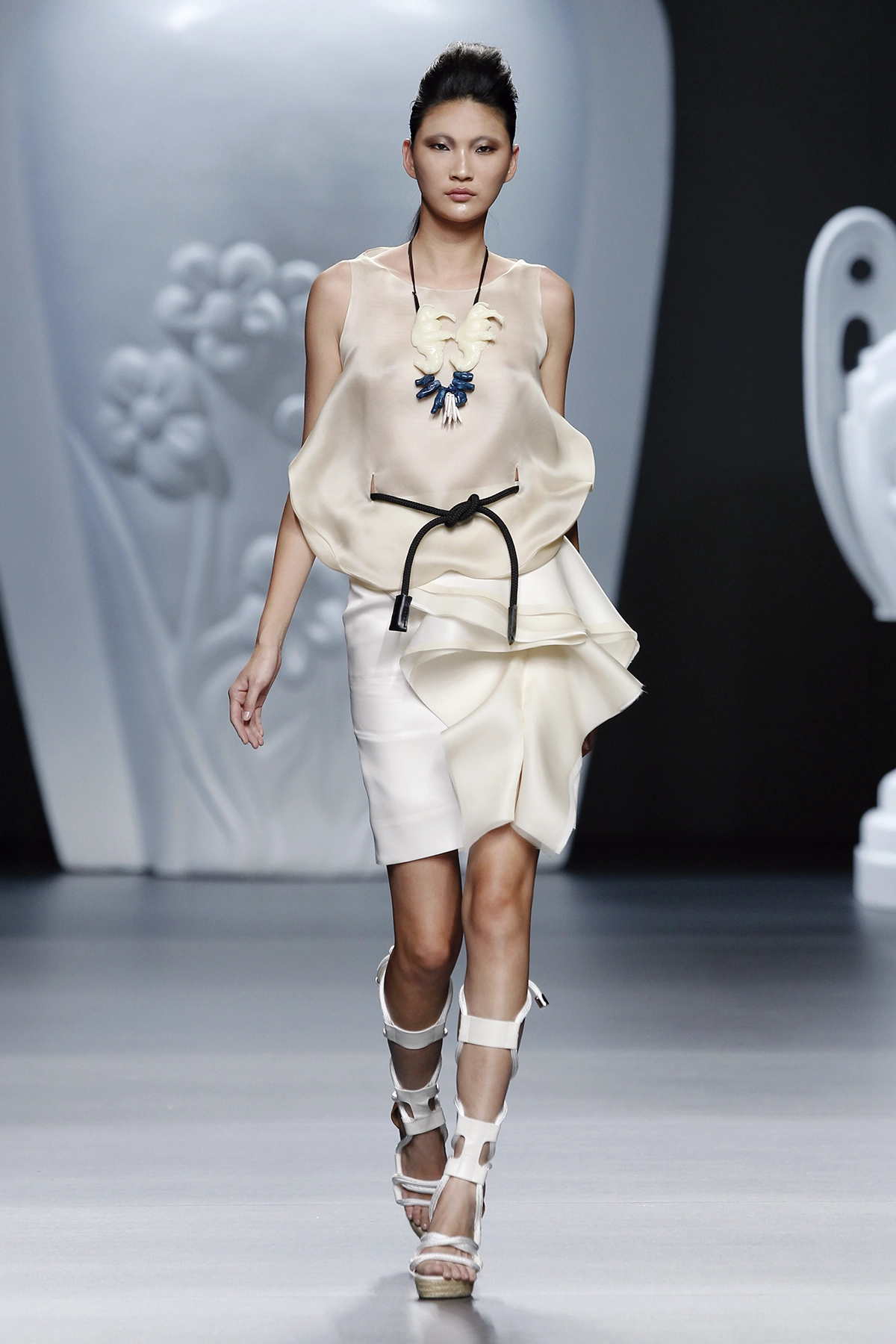
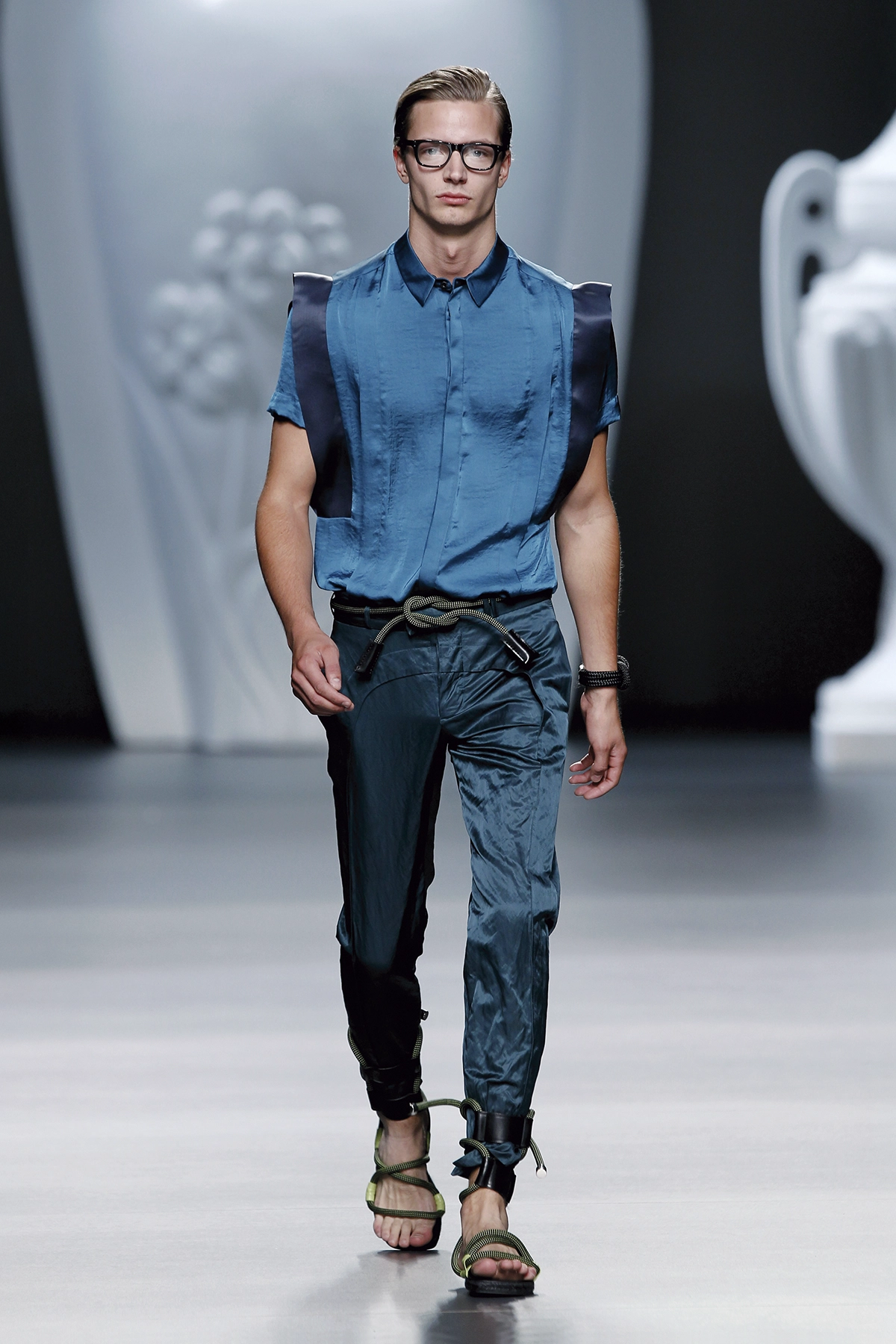
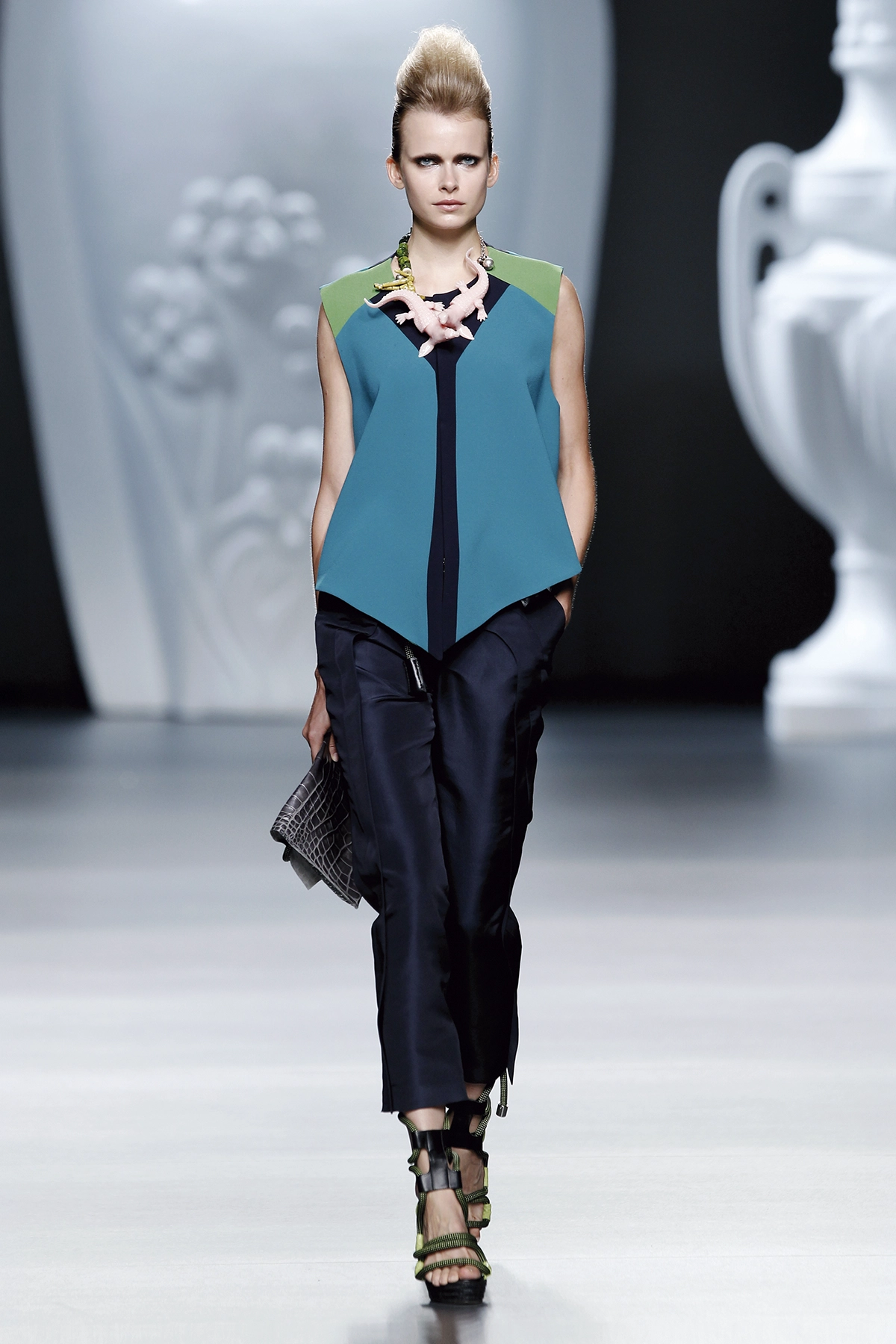
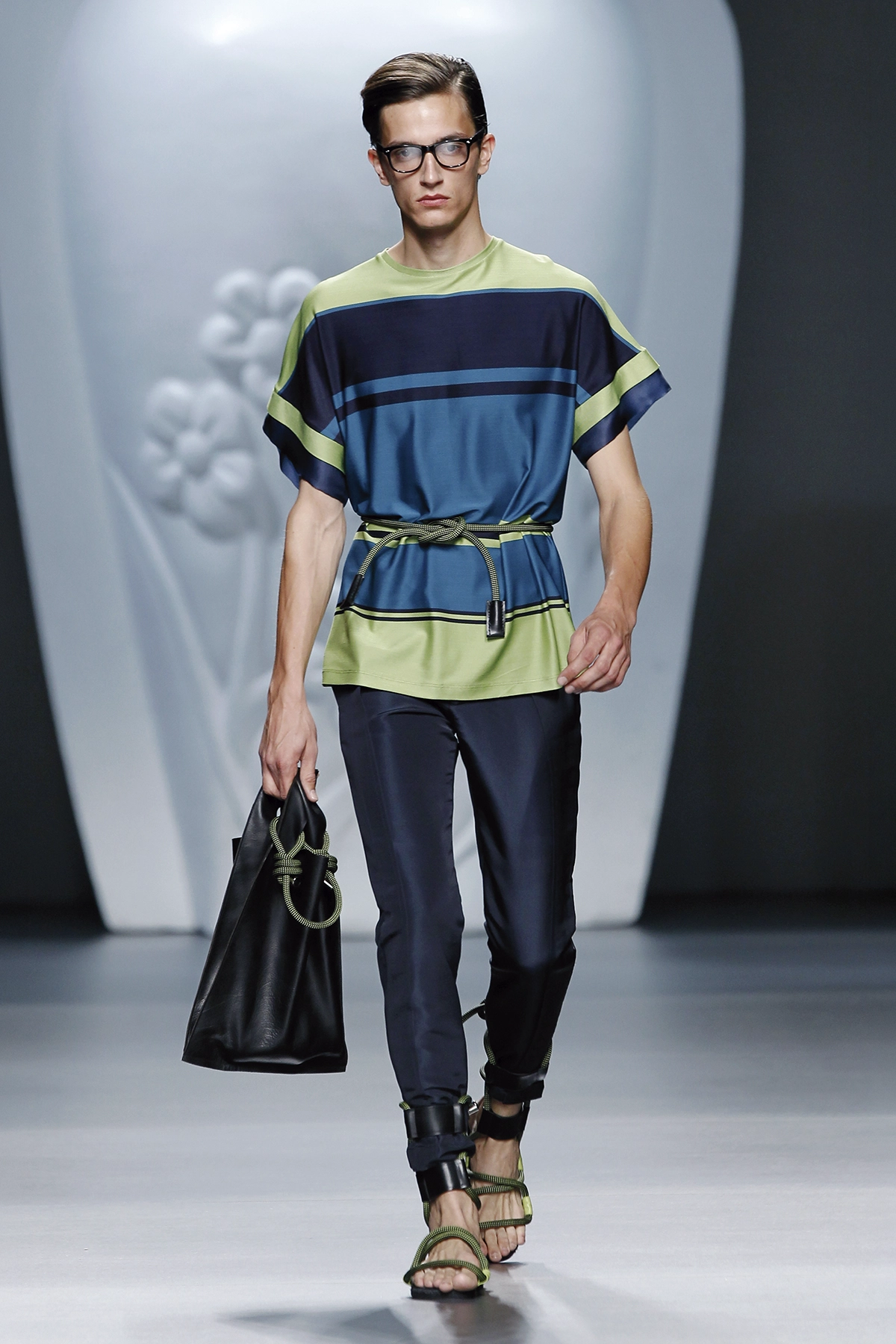
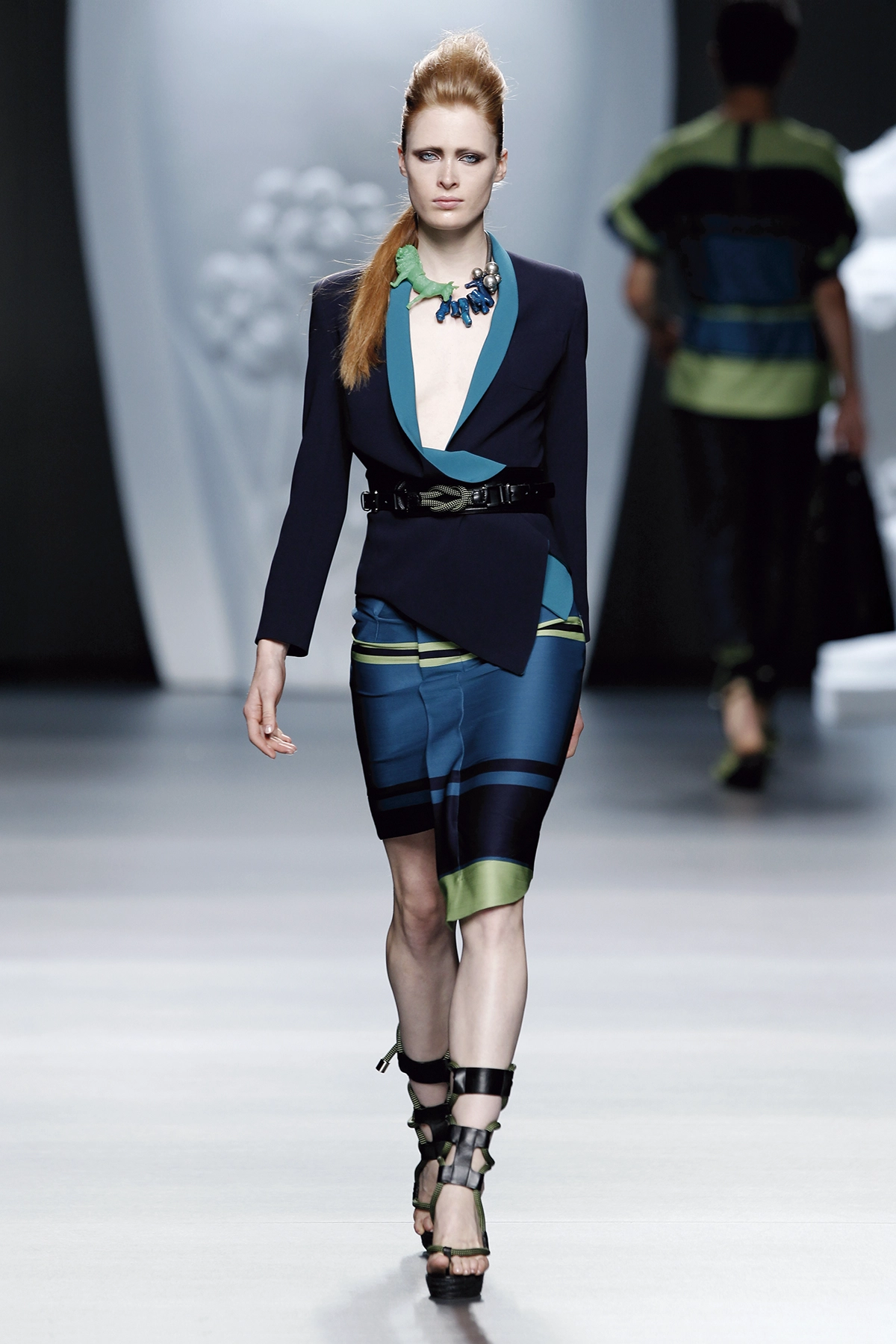
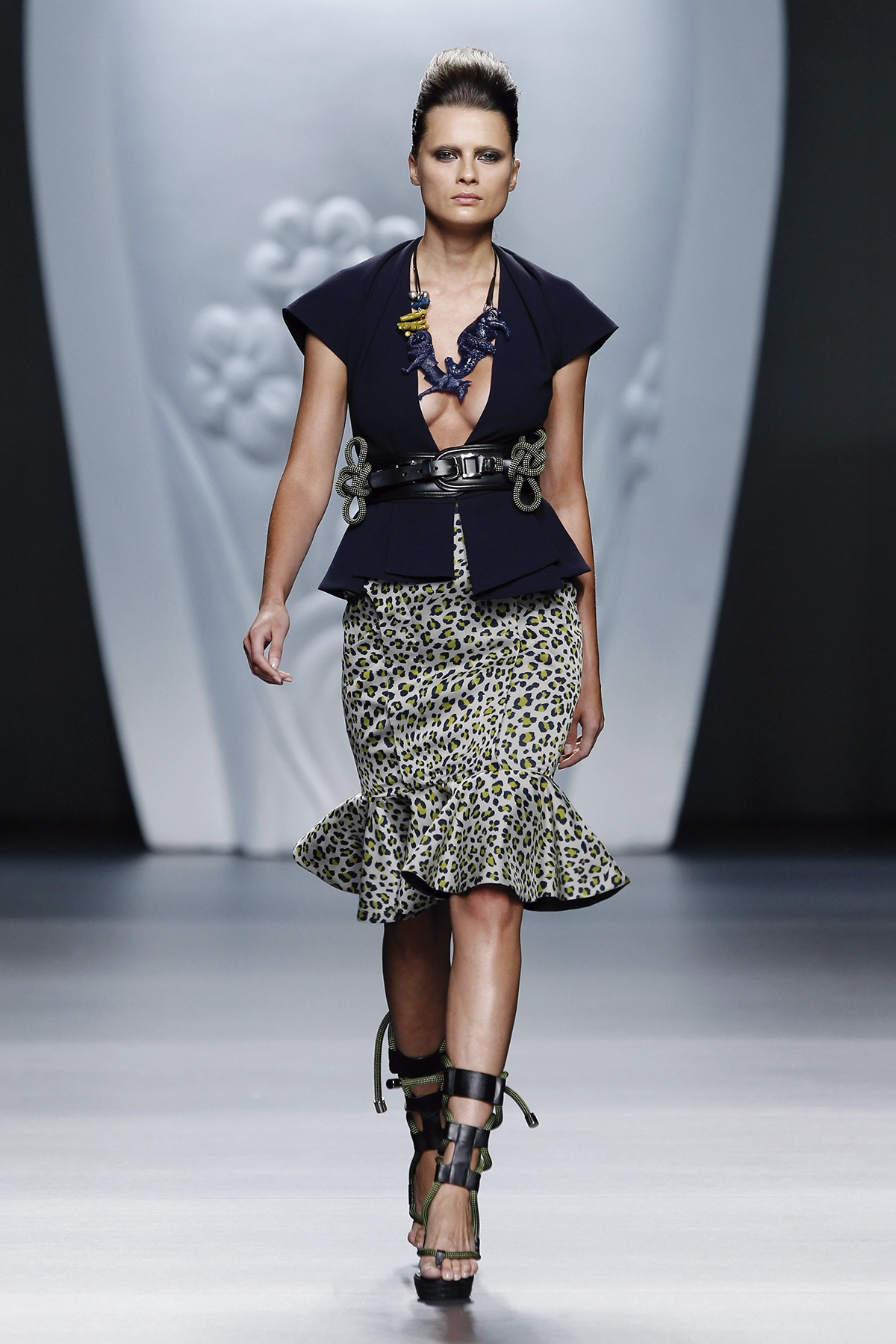
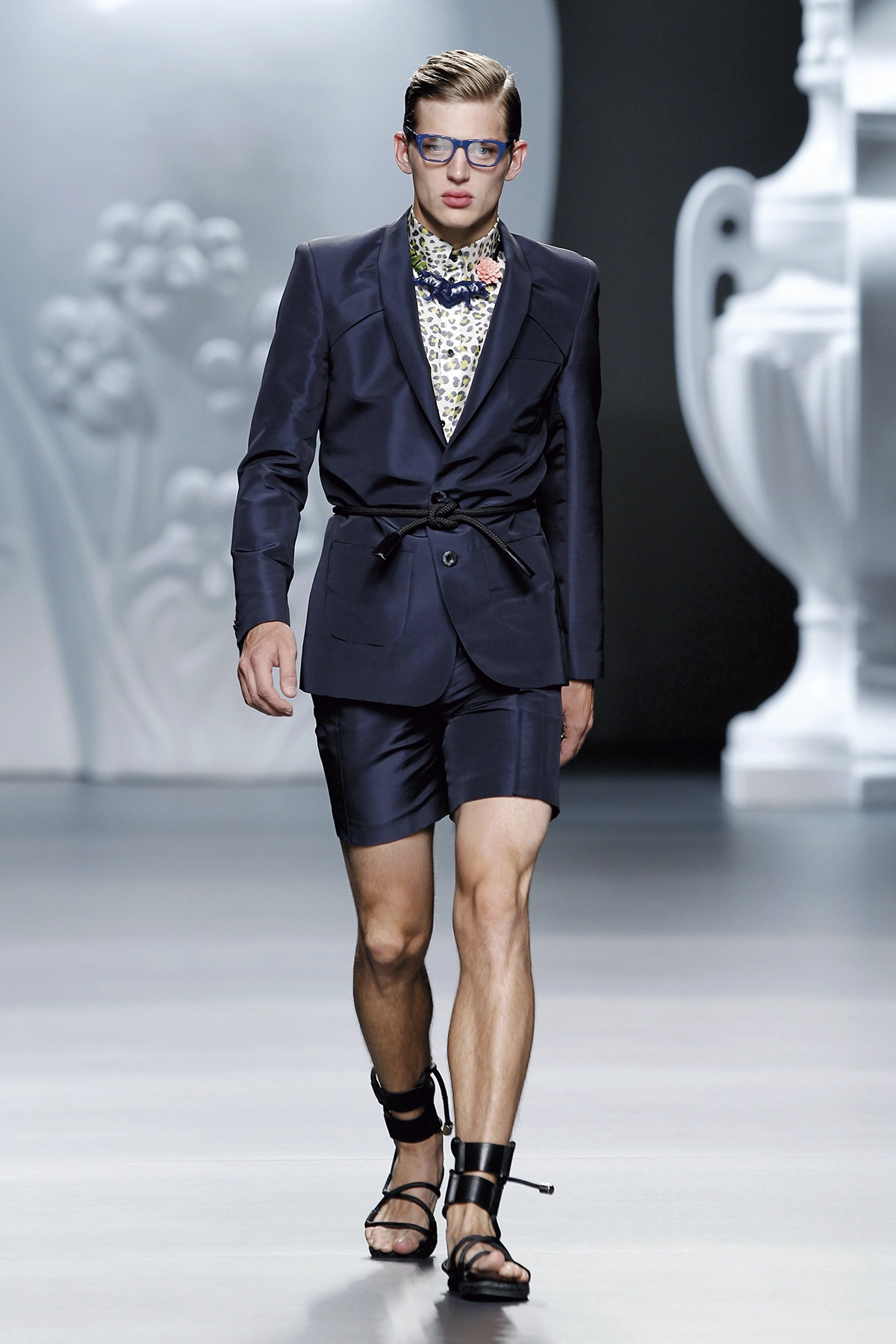
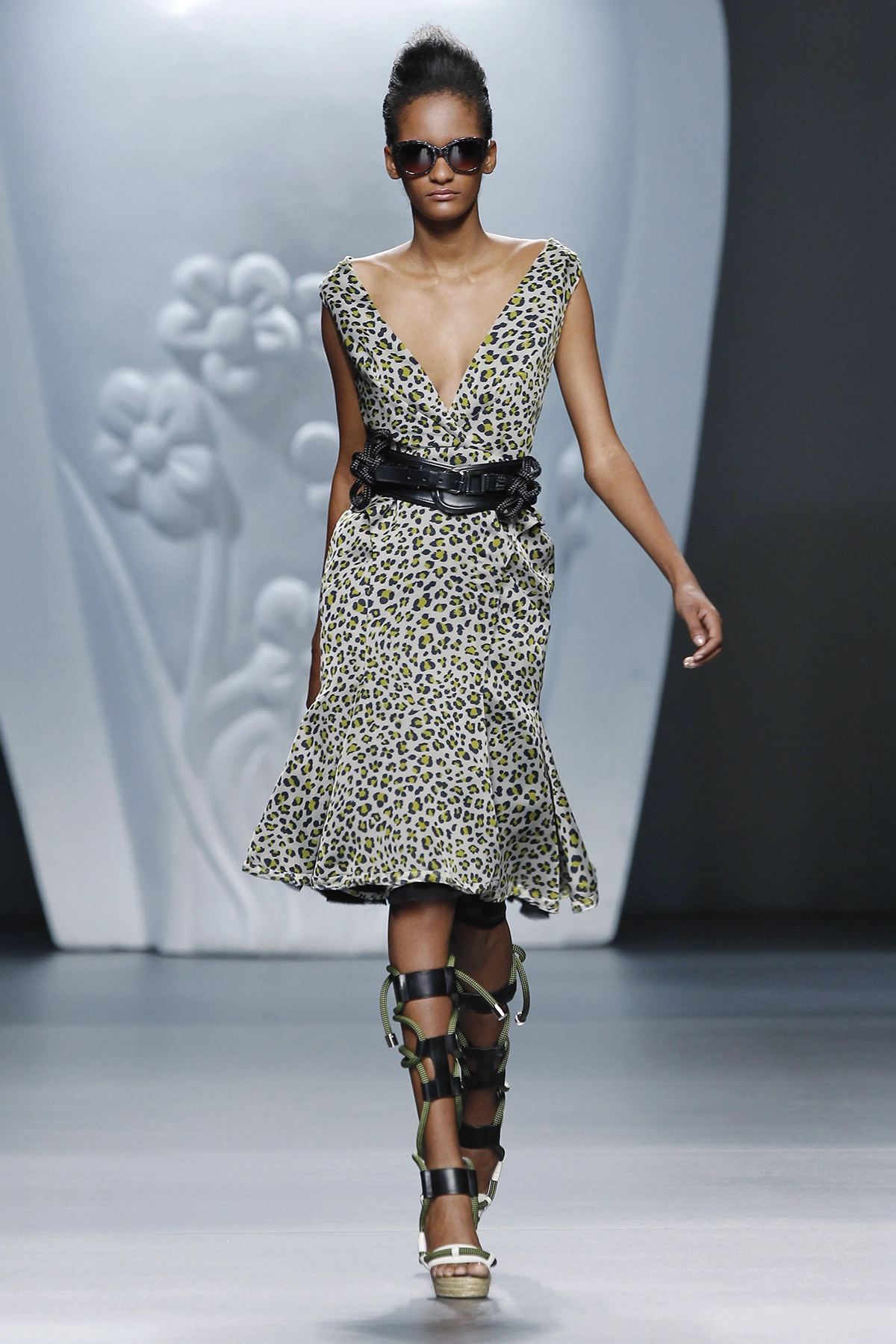
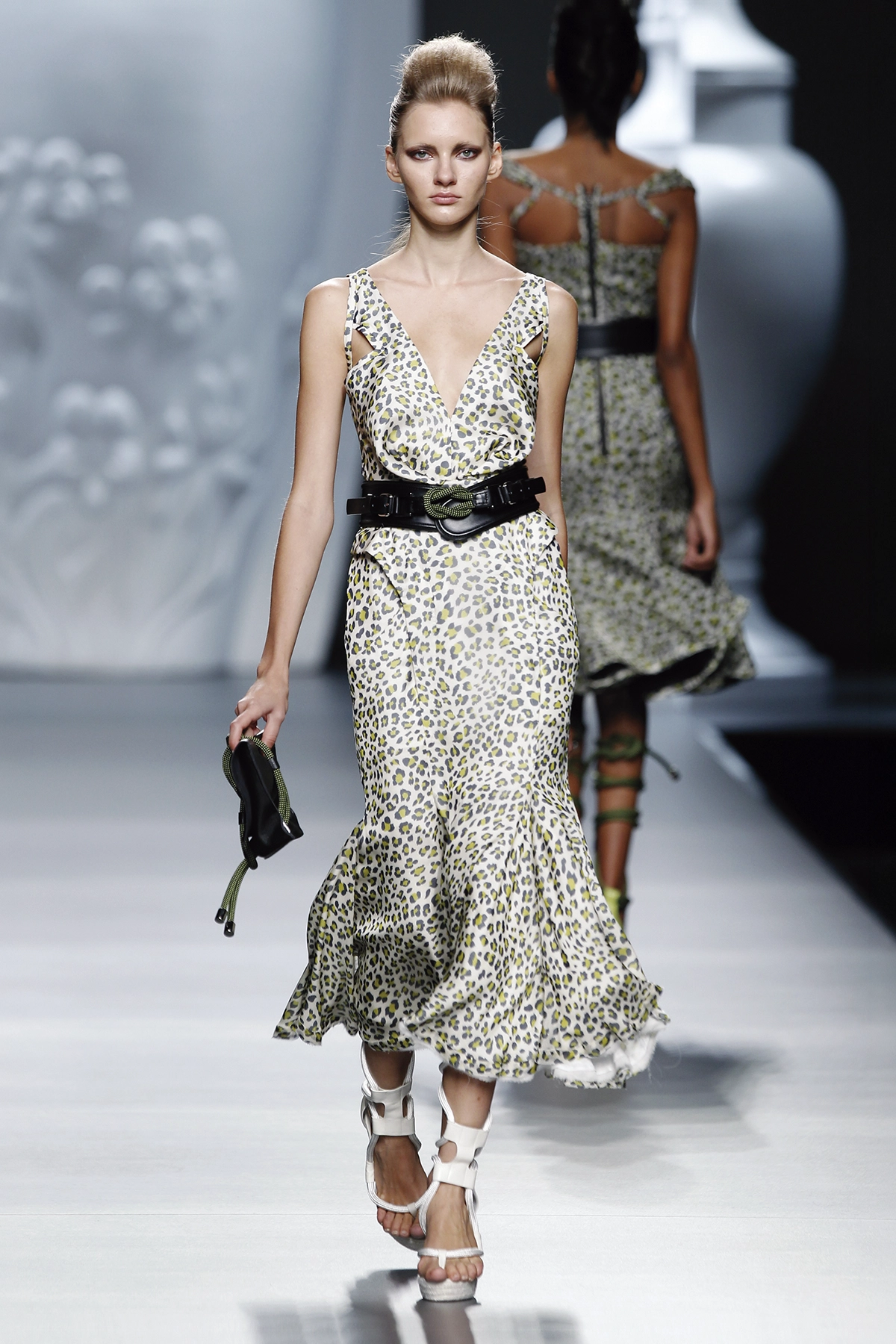
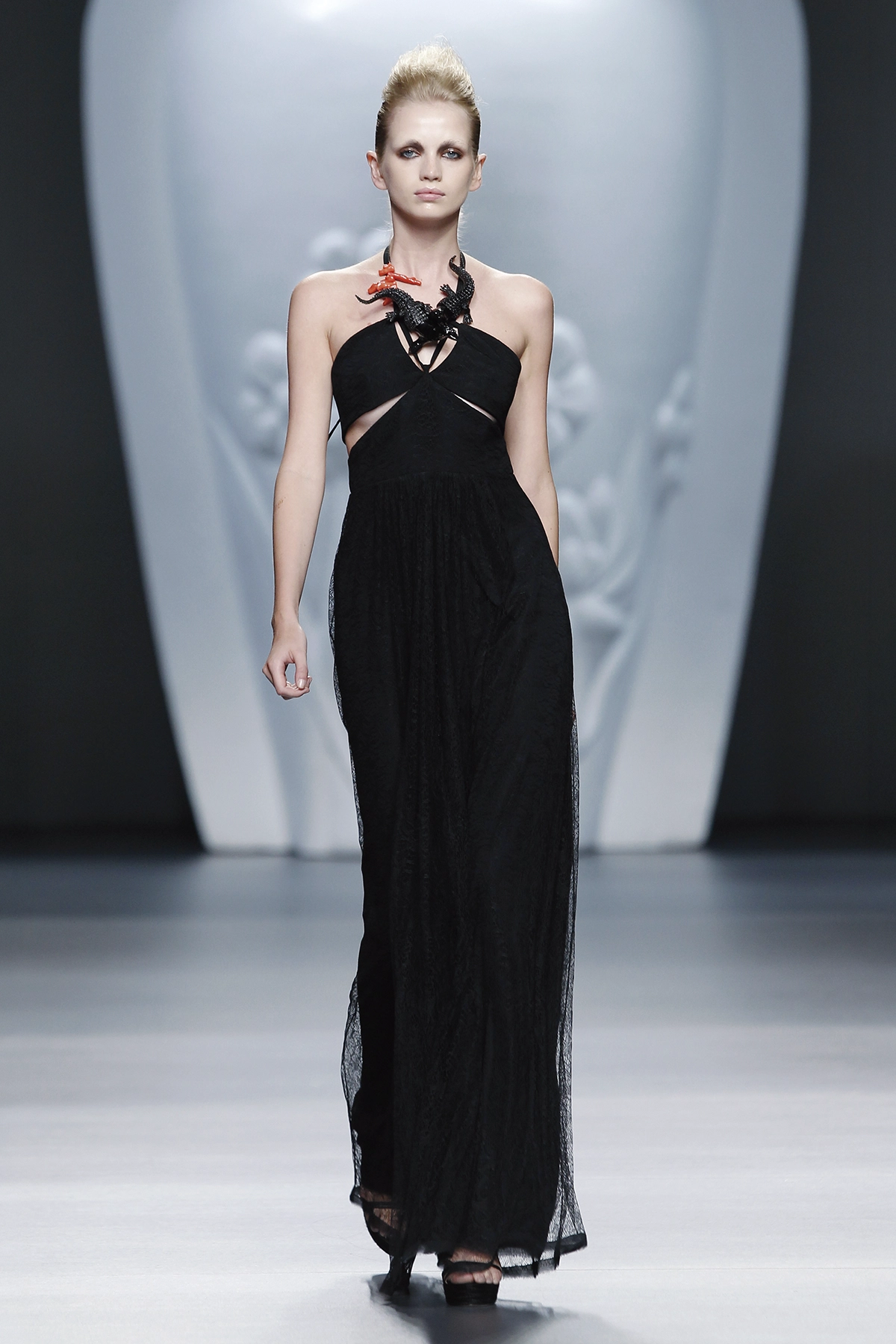
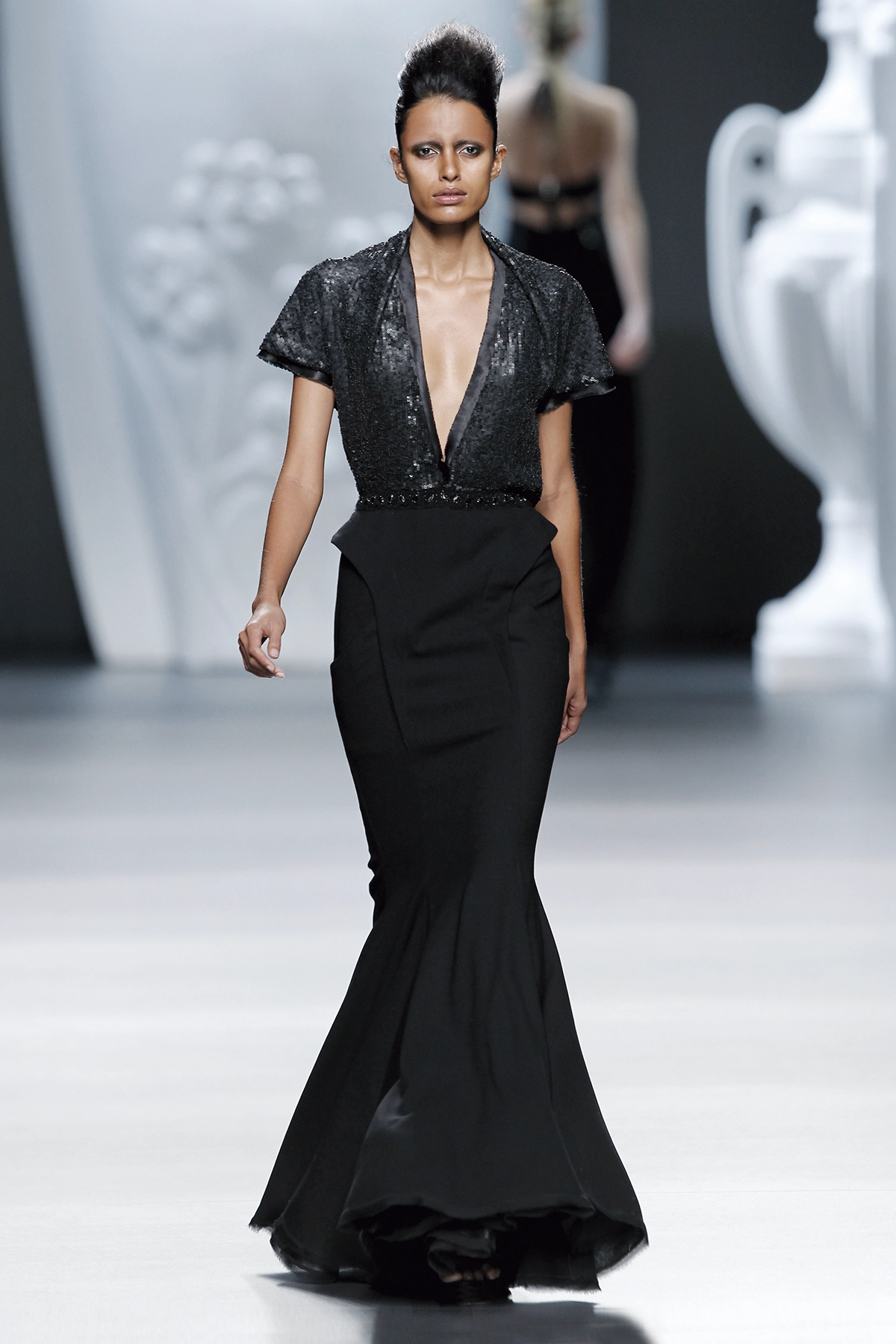
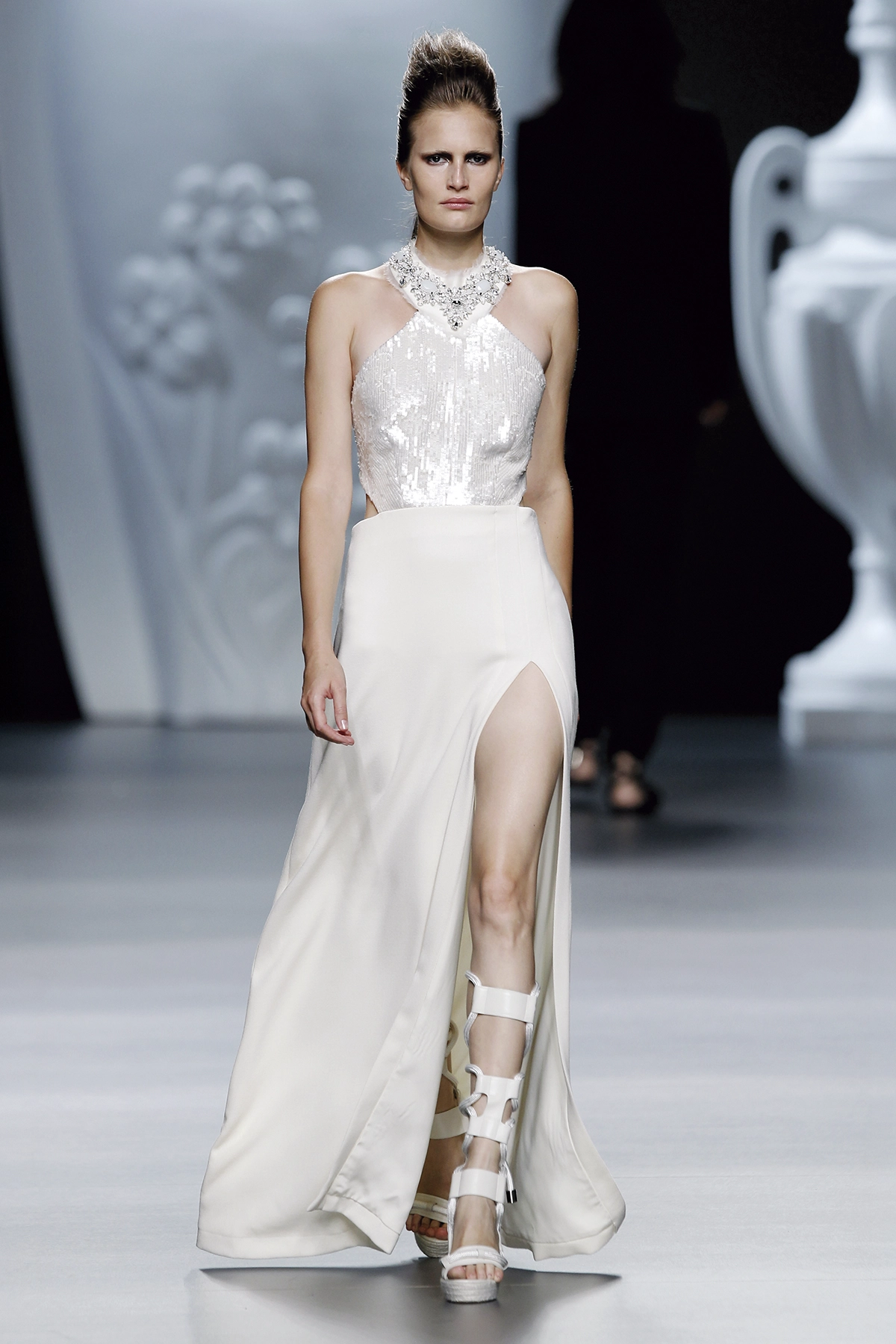
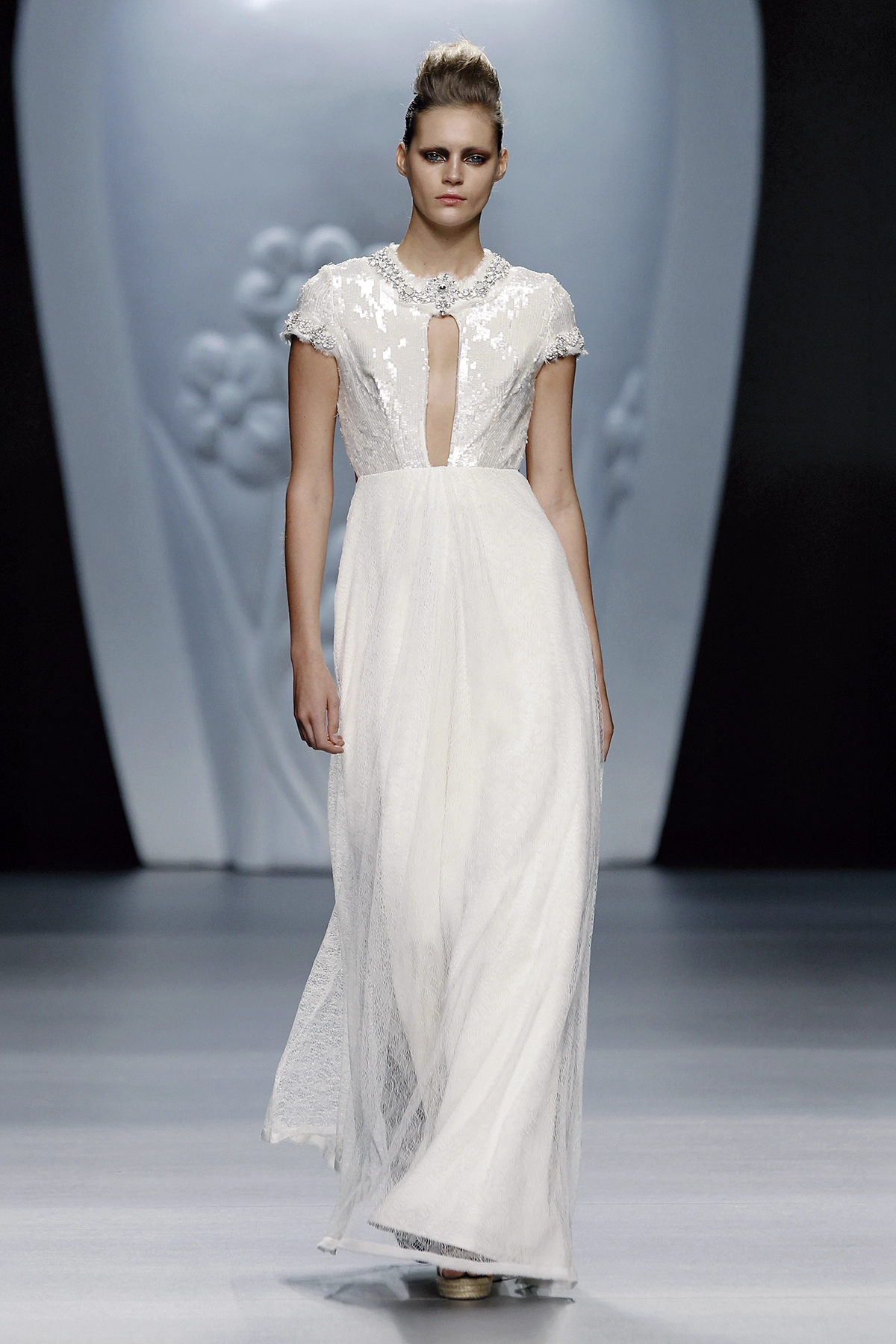
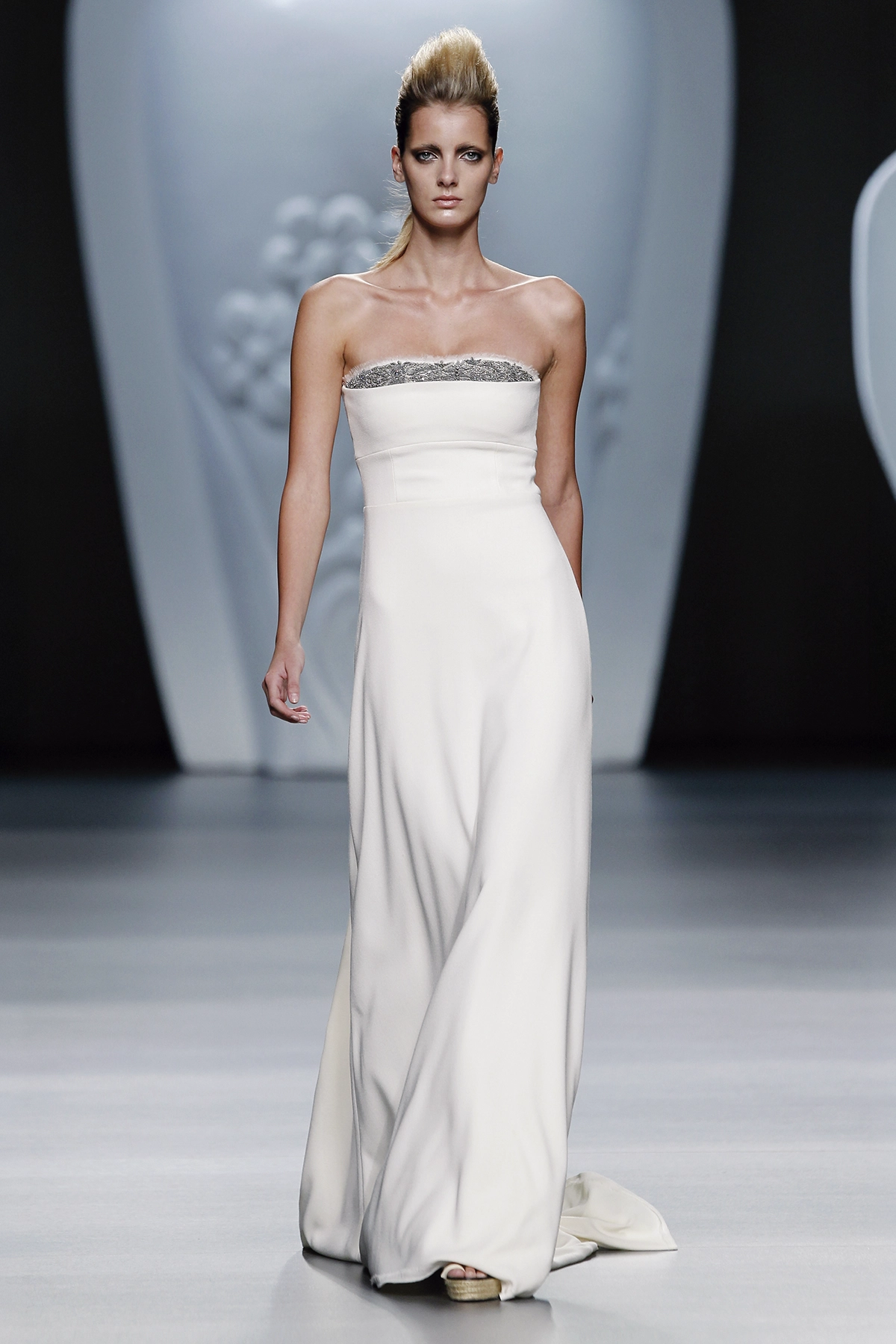
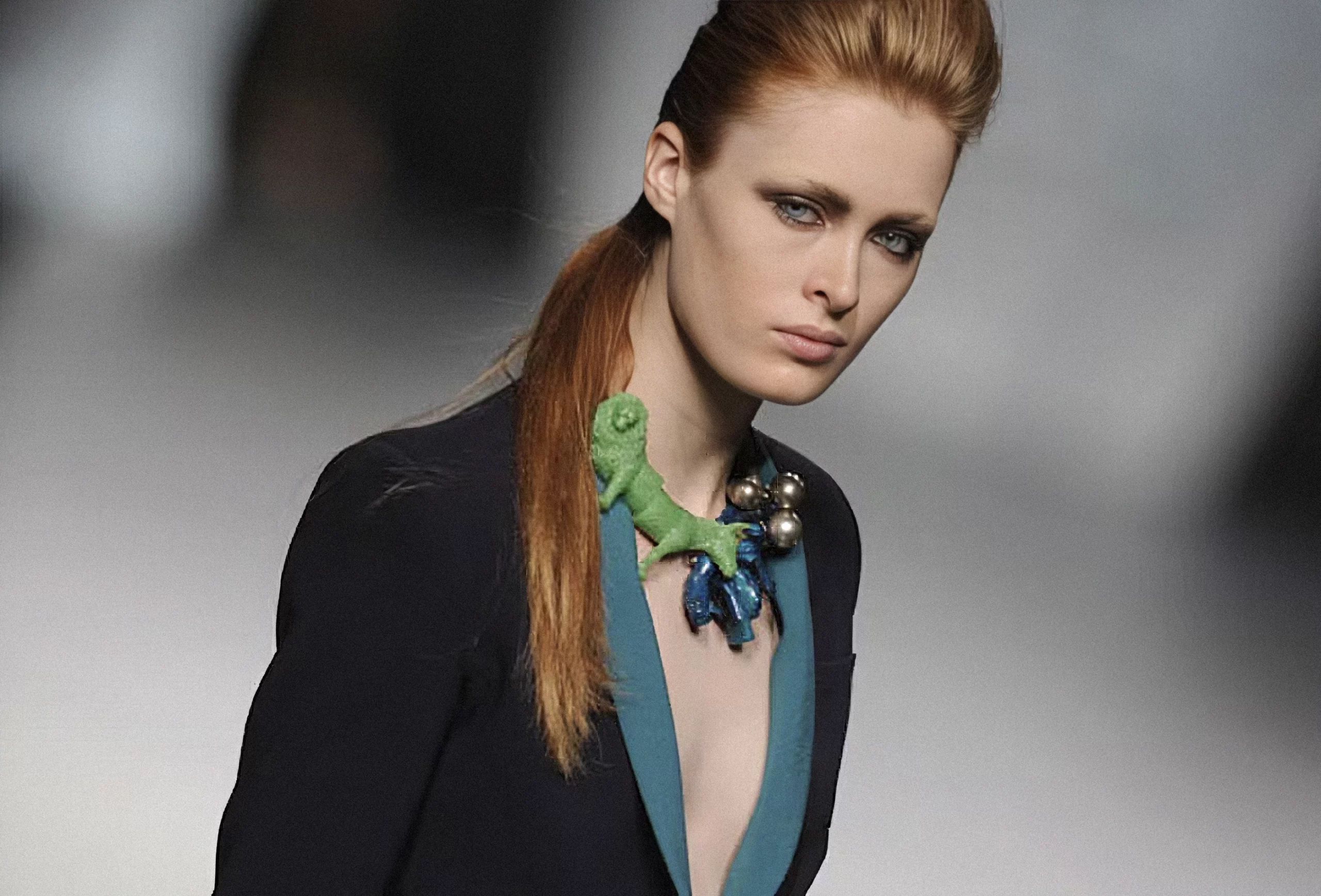
One of the most difficult things to achieve within the realm of fashion is to consider that the future resides in our interpretation of what has been done in the past.
Spring - Summer 2013
THE TALK

*
*

There has been much talk about the modern approach of the new woman, about her relationship to the serenity of the moment in which she is destined to live, about the commencement of a new era of voluptuously peaceful talent.
This approach requires a dialogue between a forced austerity as a reflection of life today and the need to introduce touches of controlled and always attractive opulence.
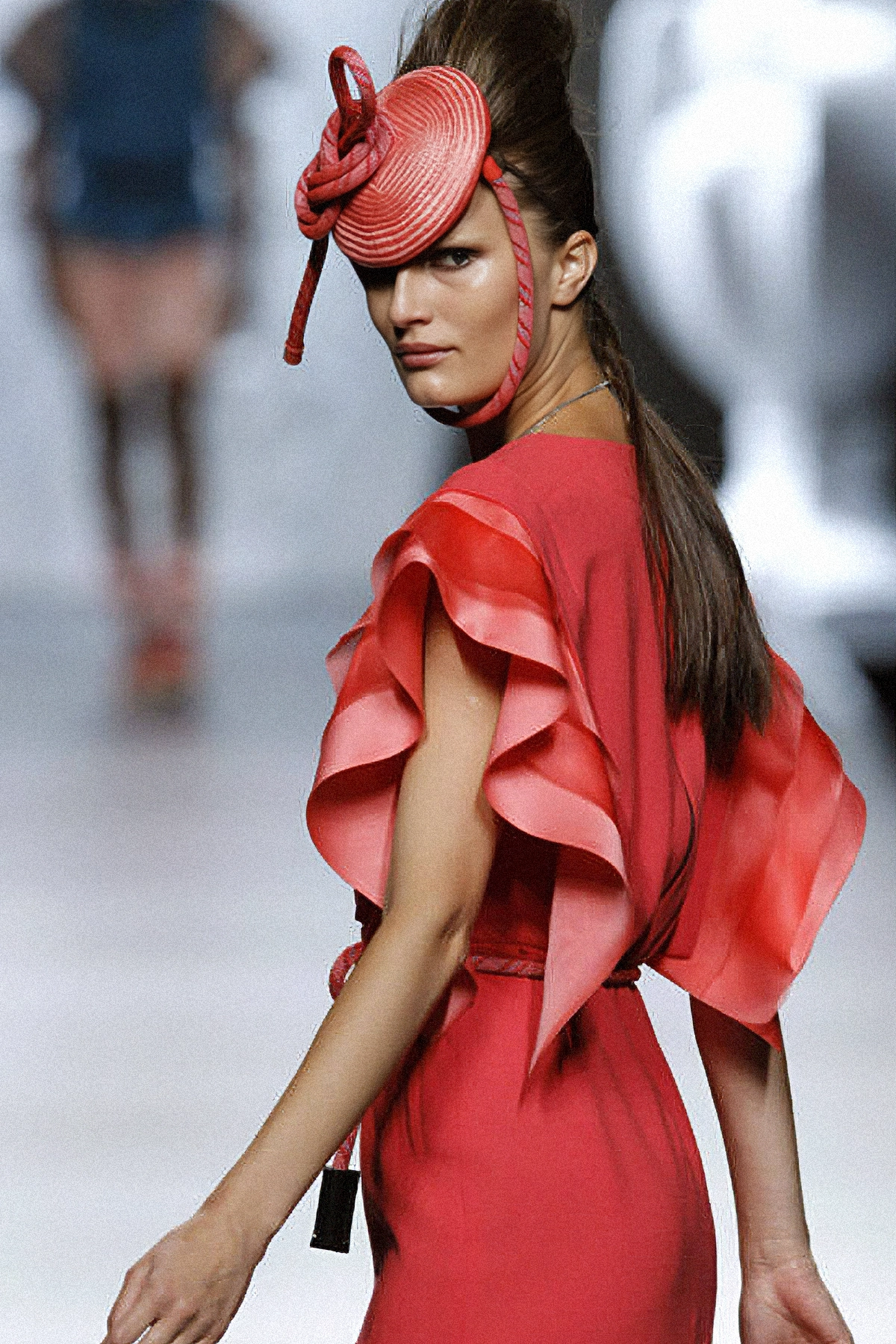
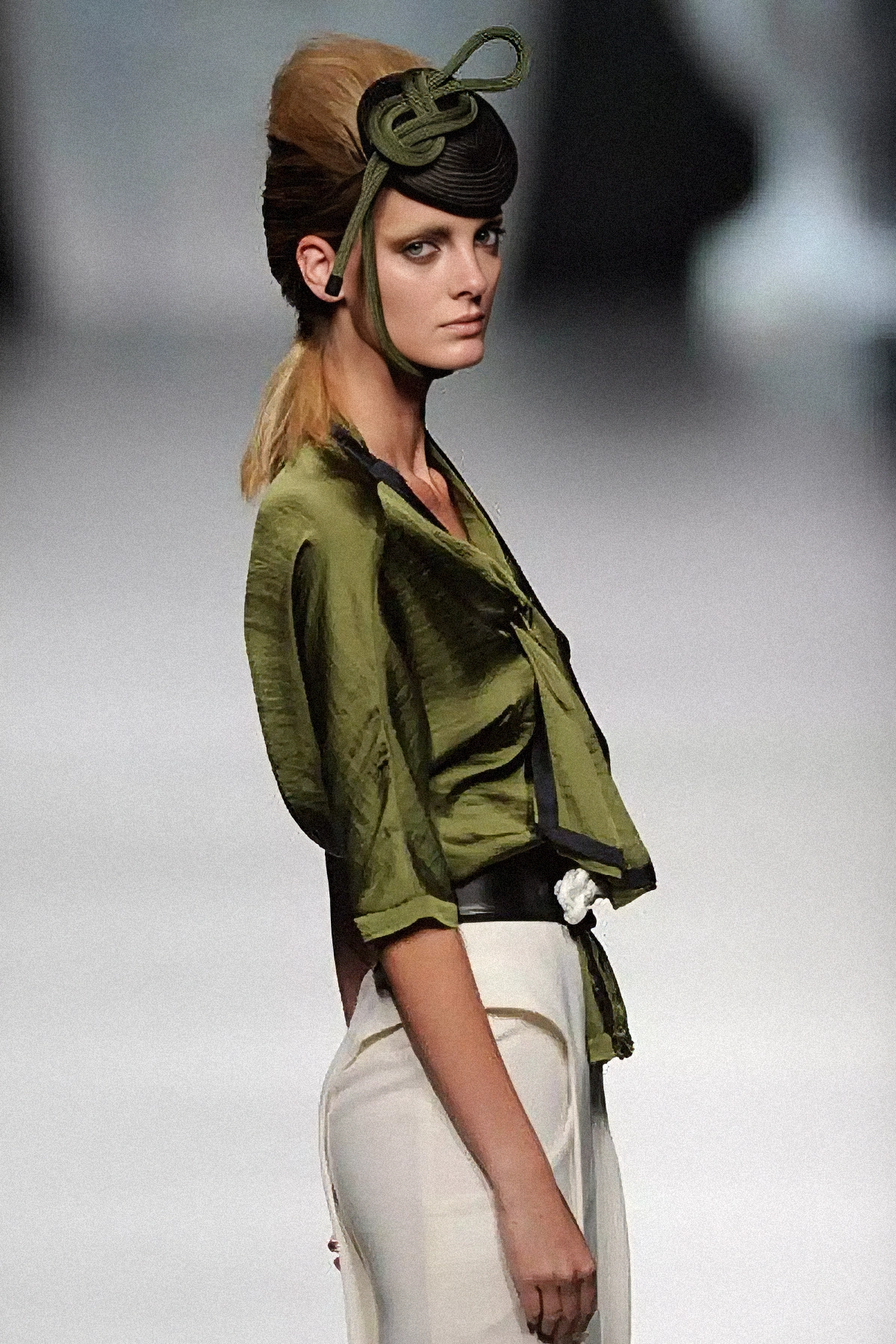
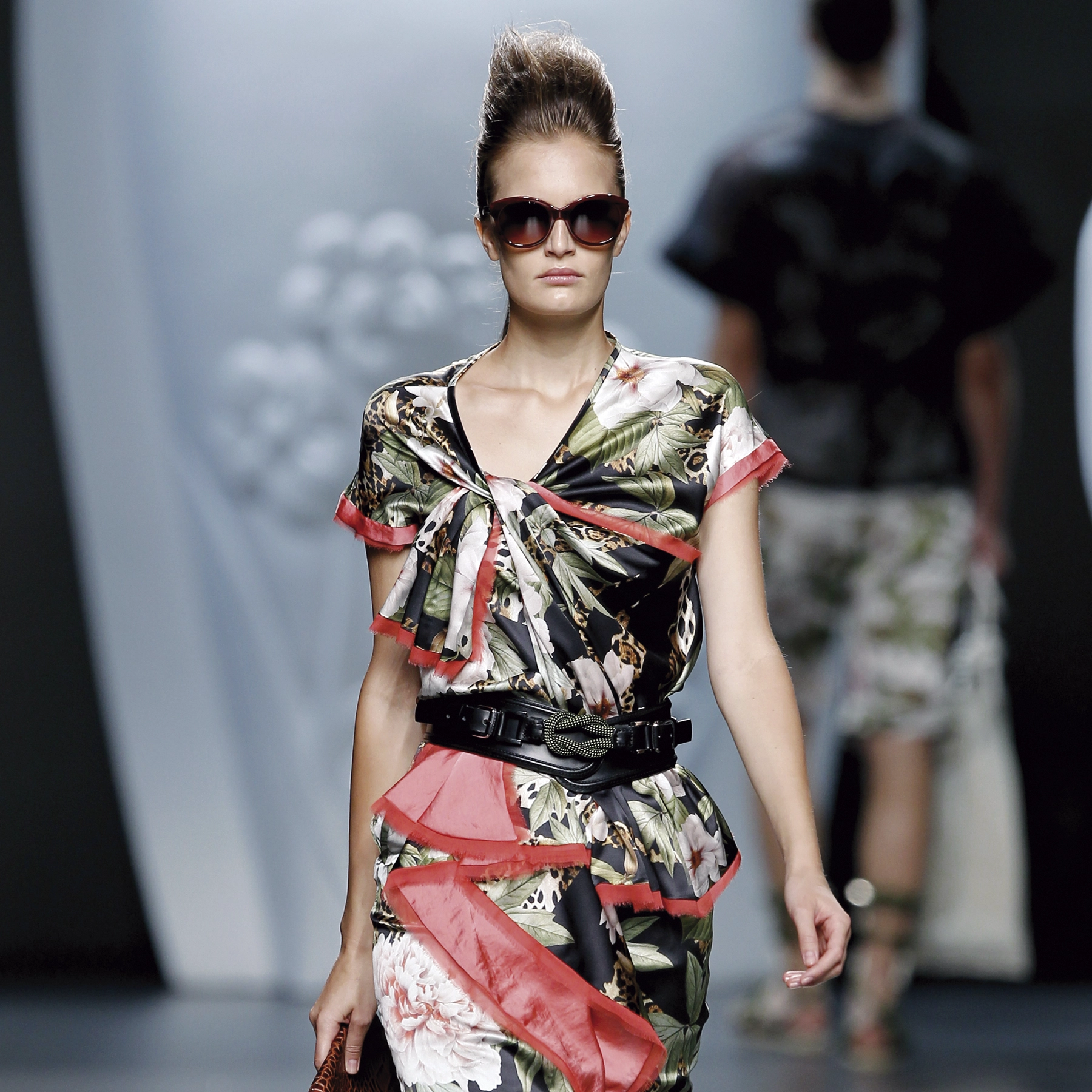
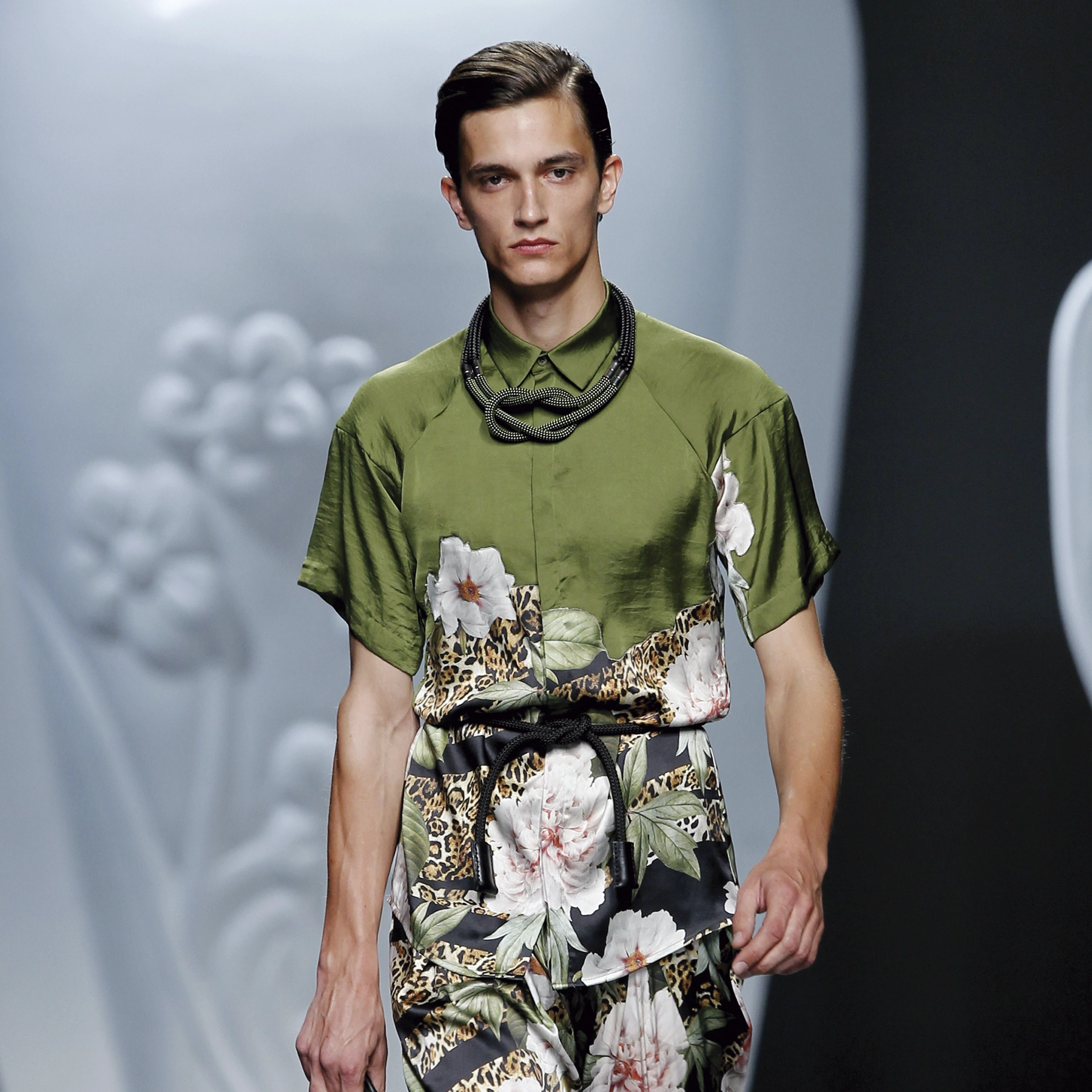
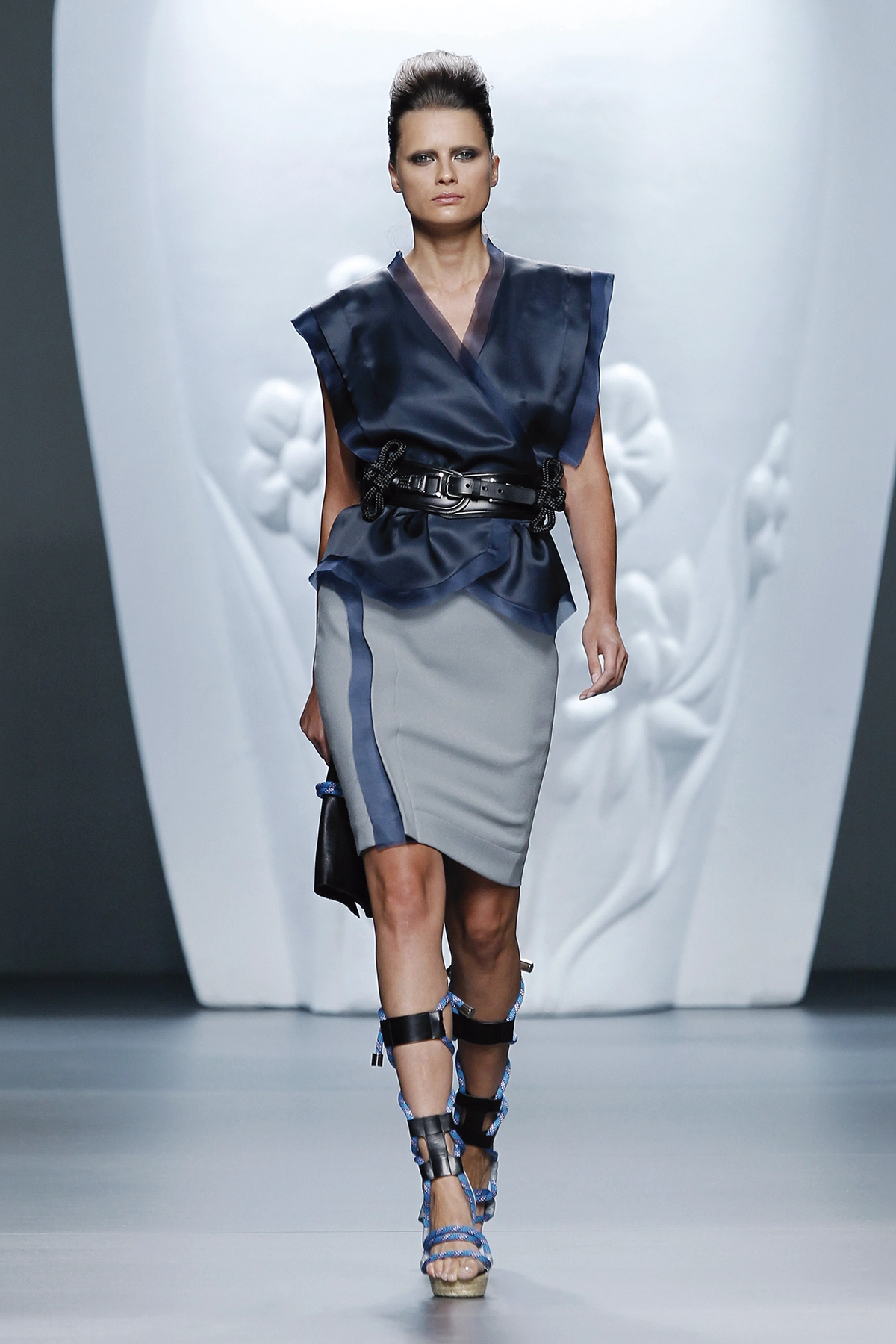
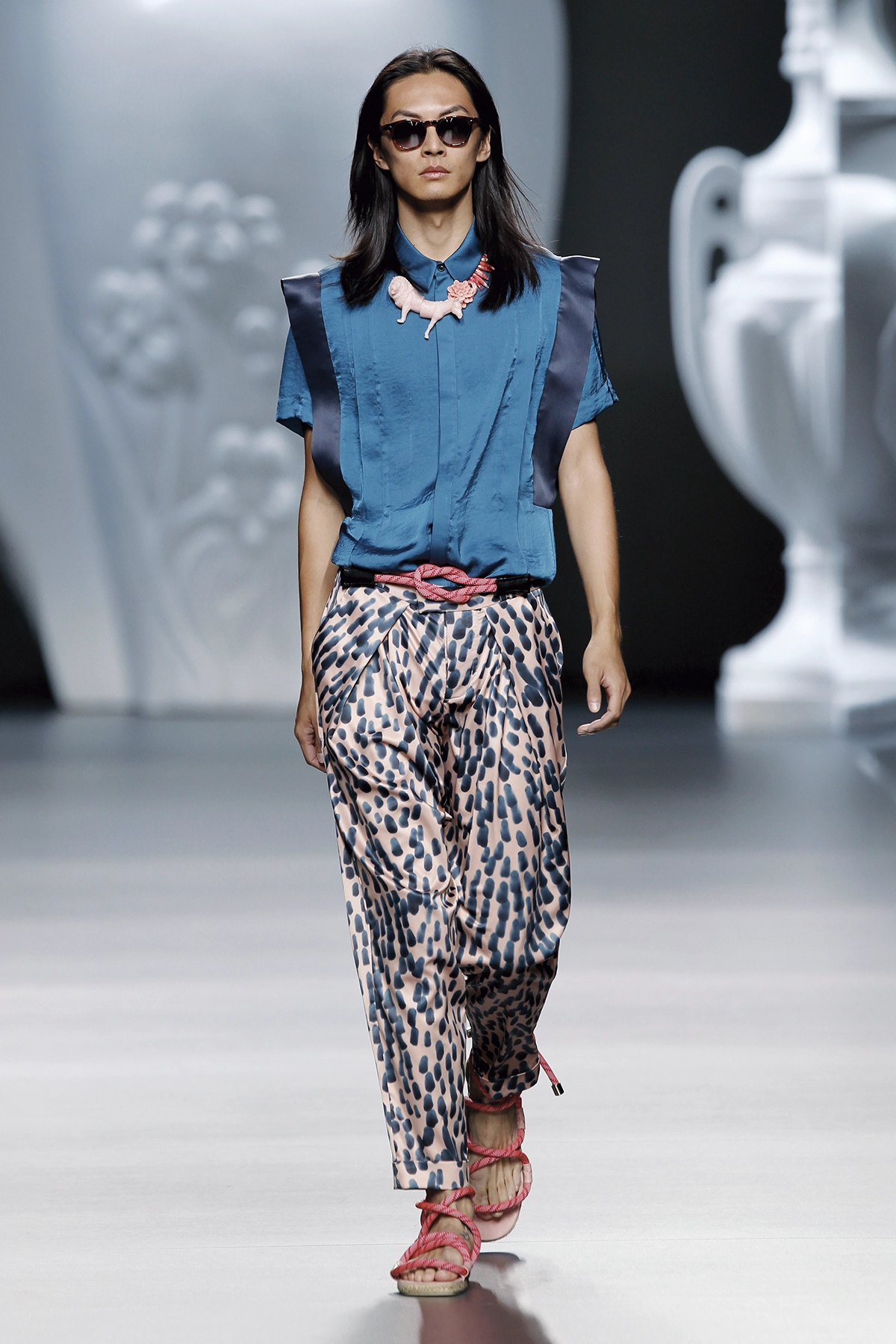
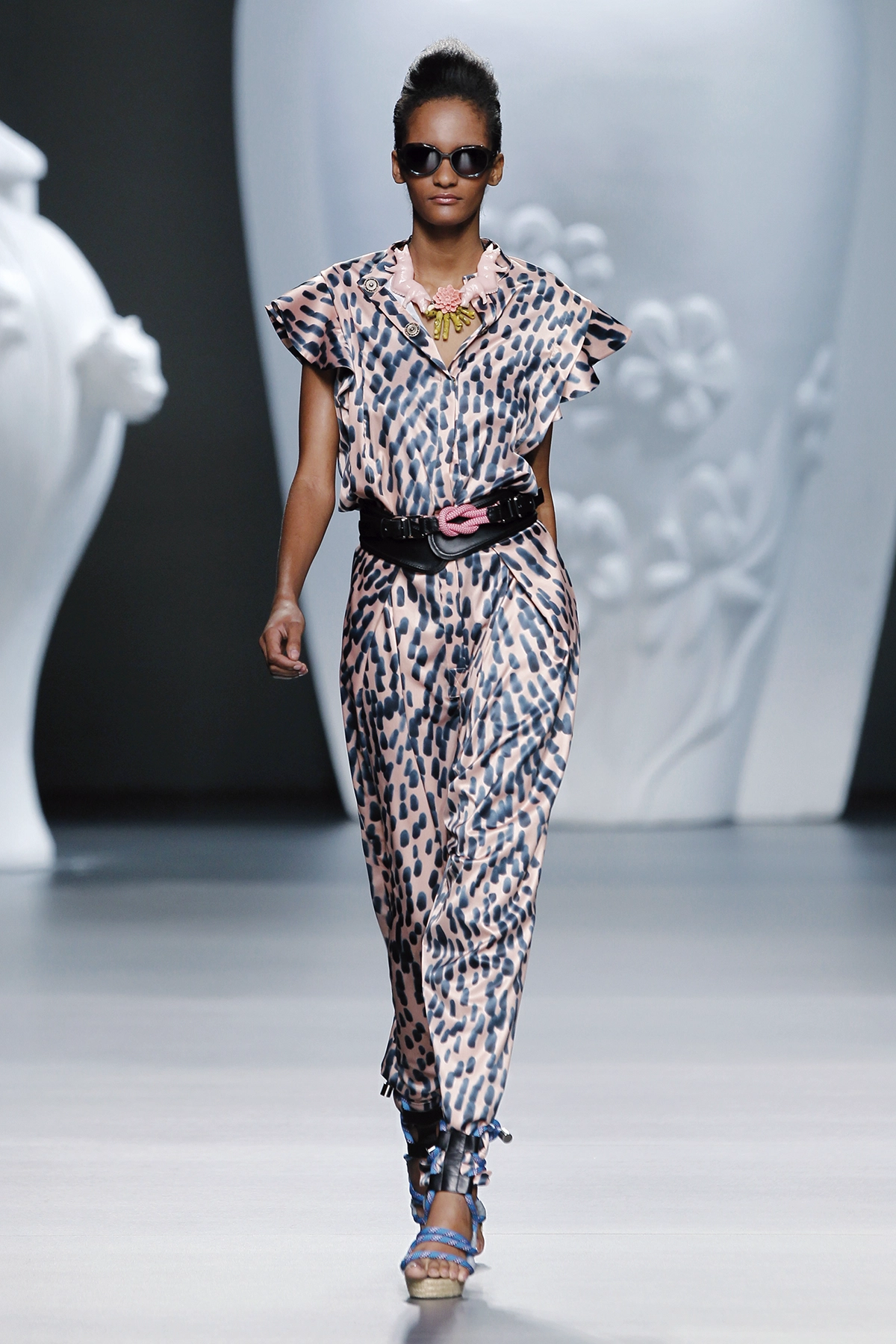
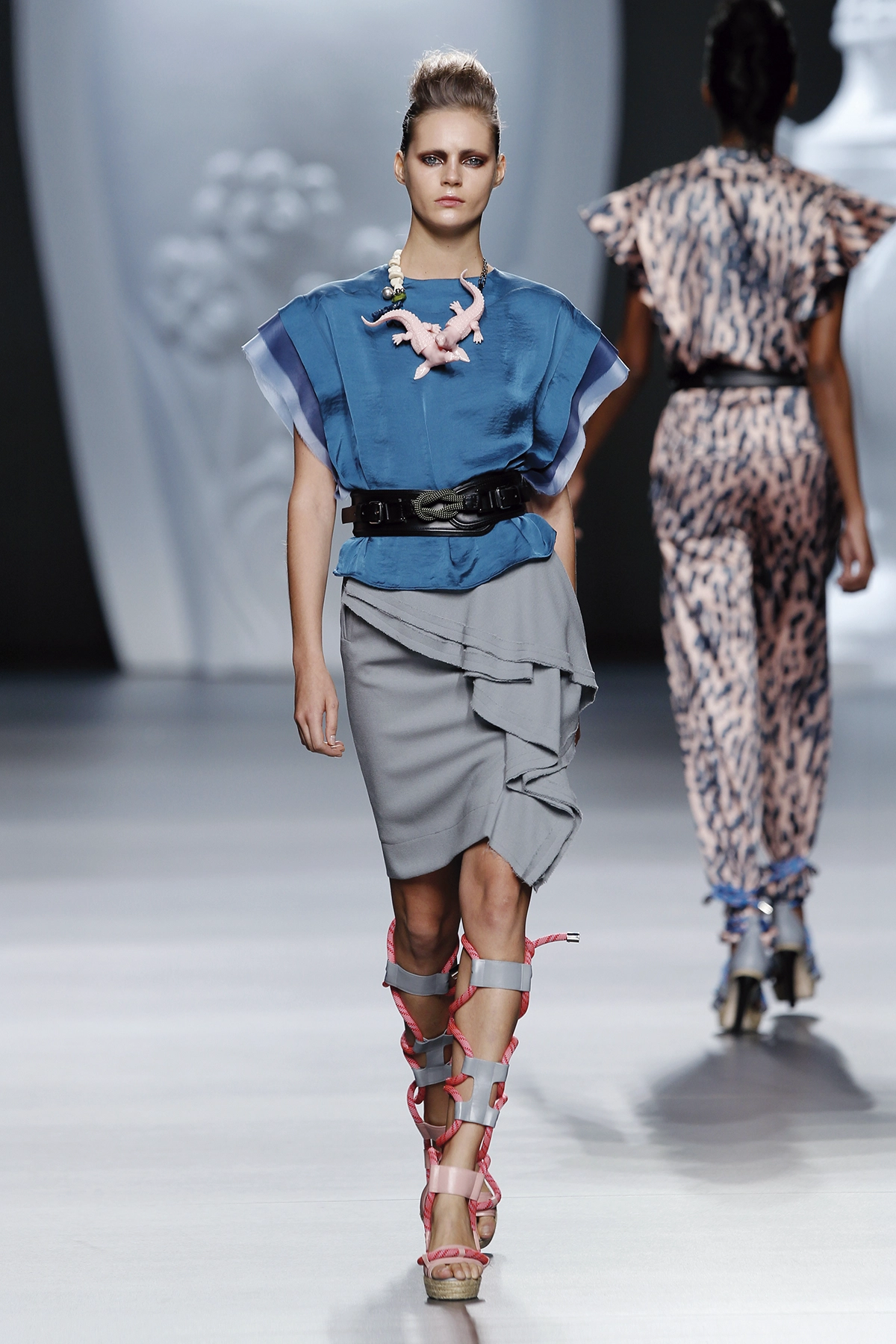
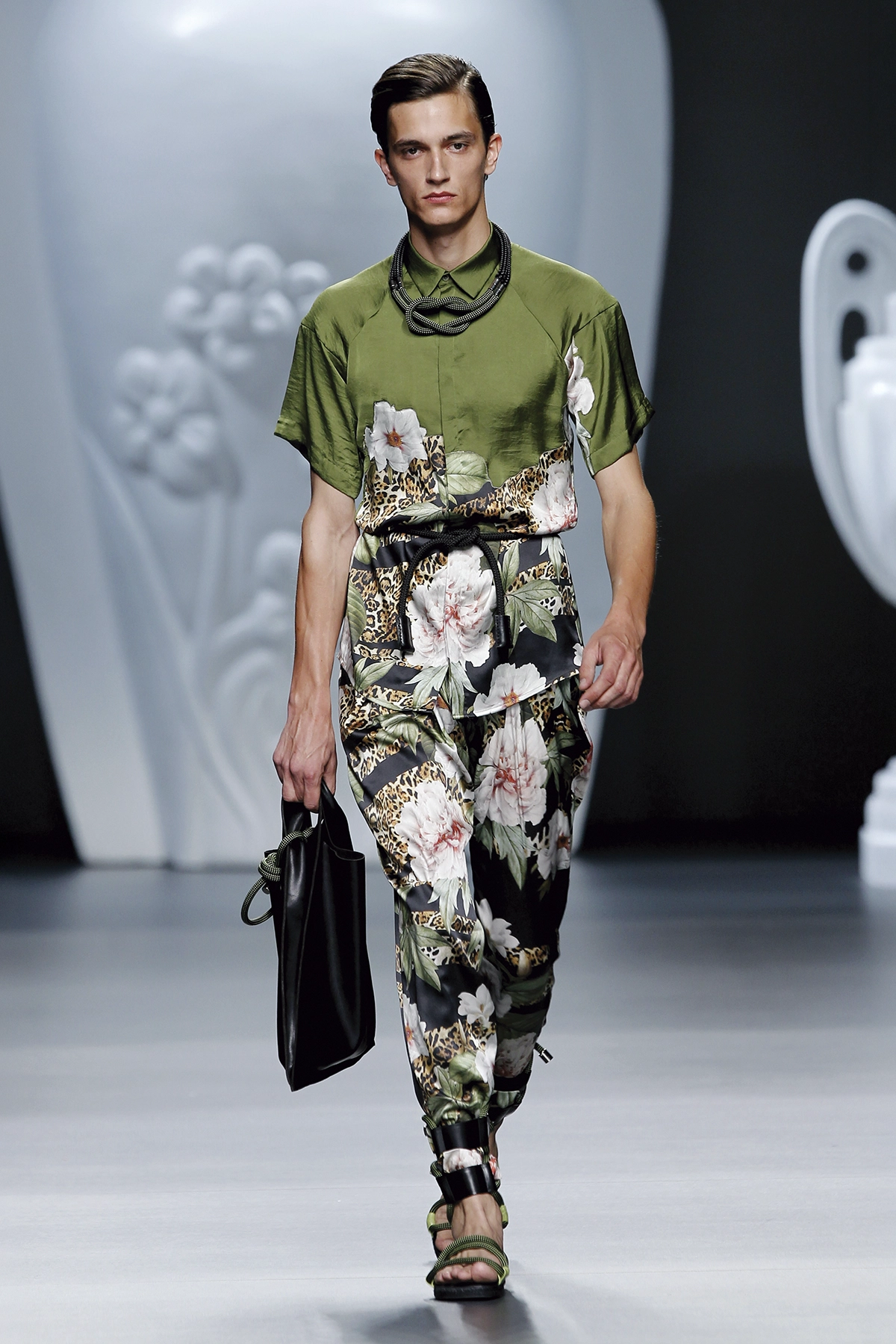
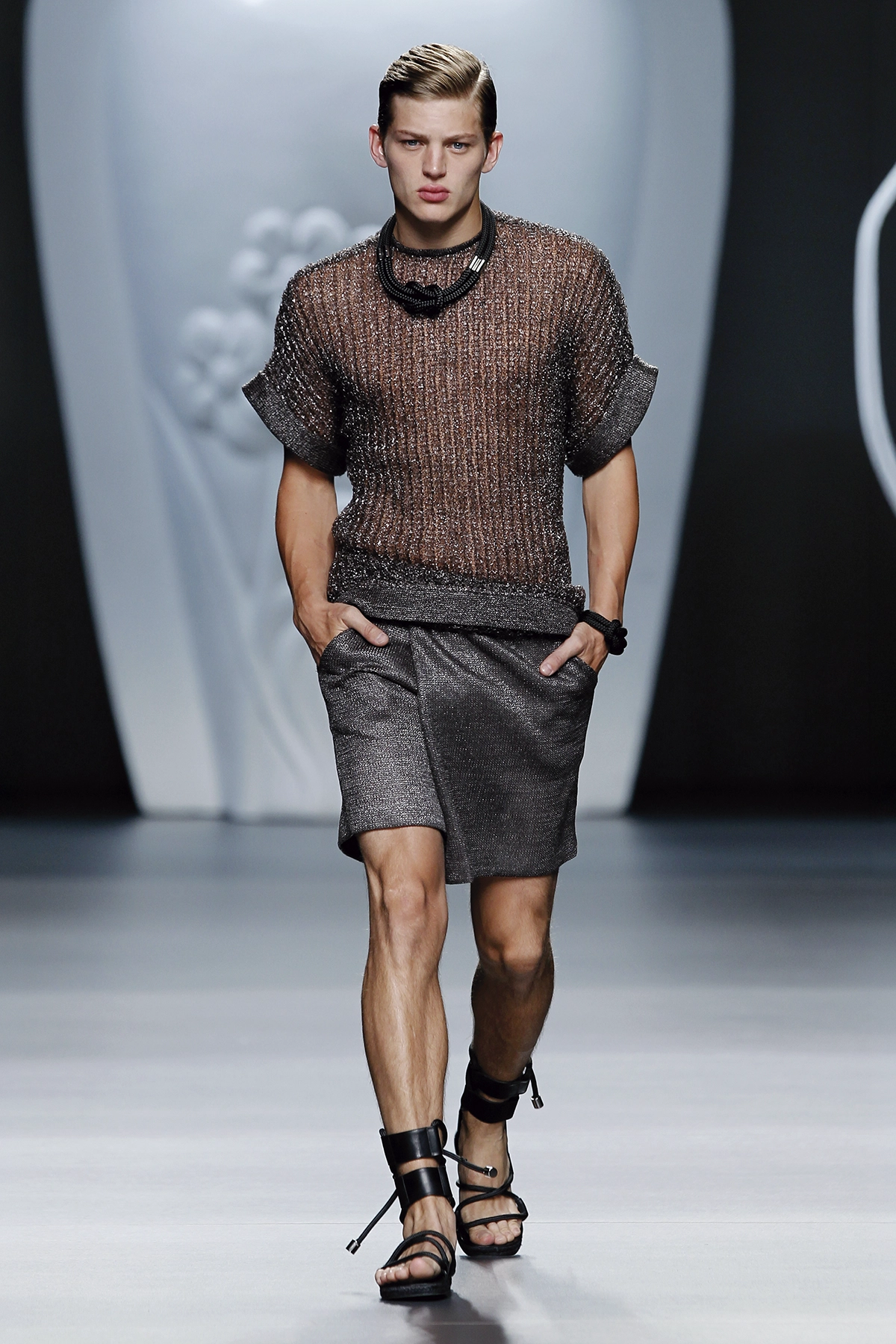
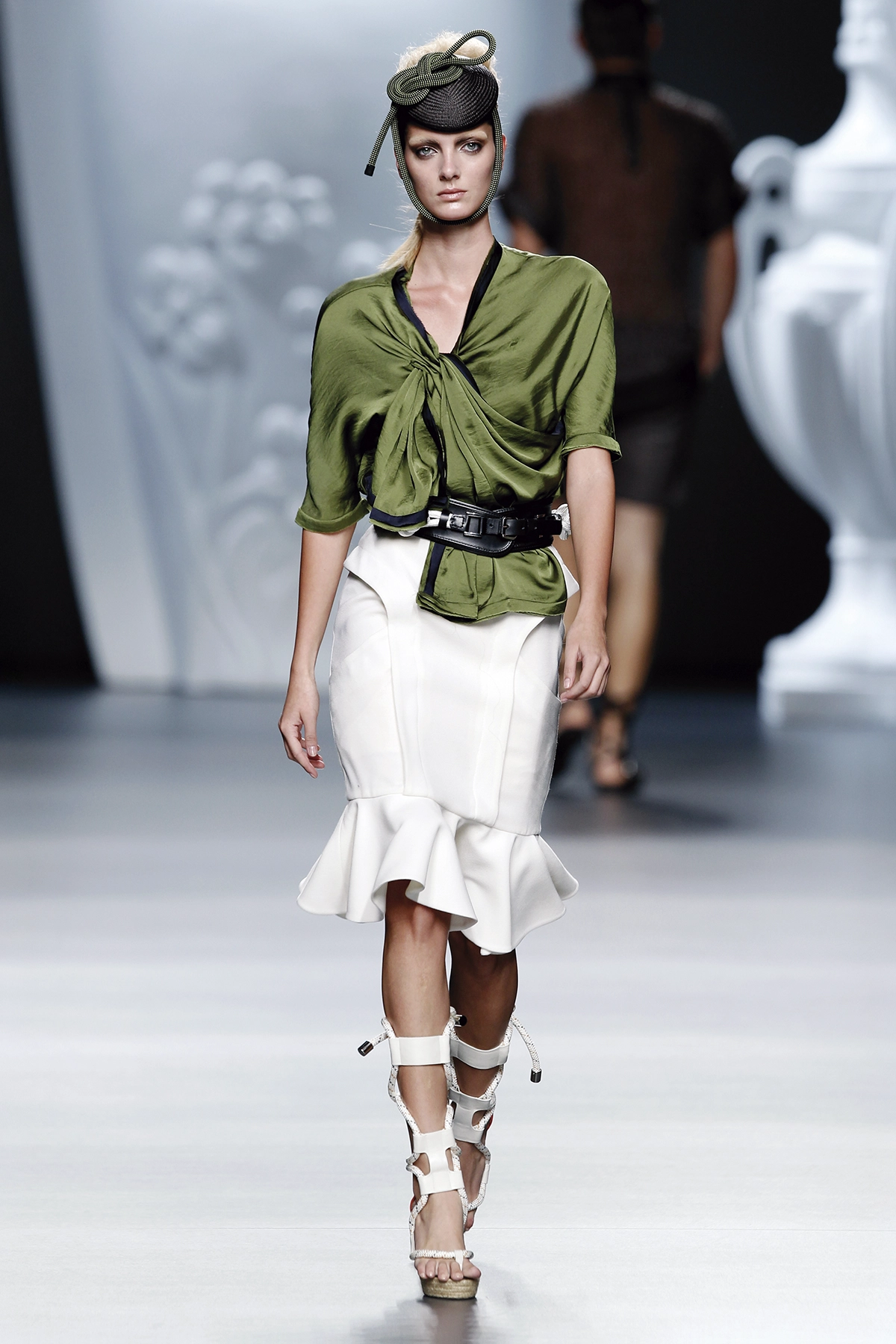
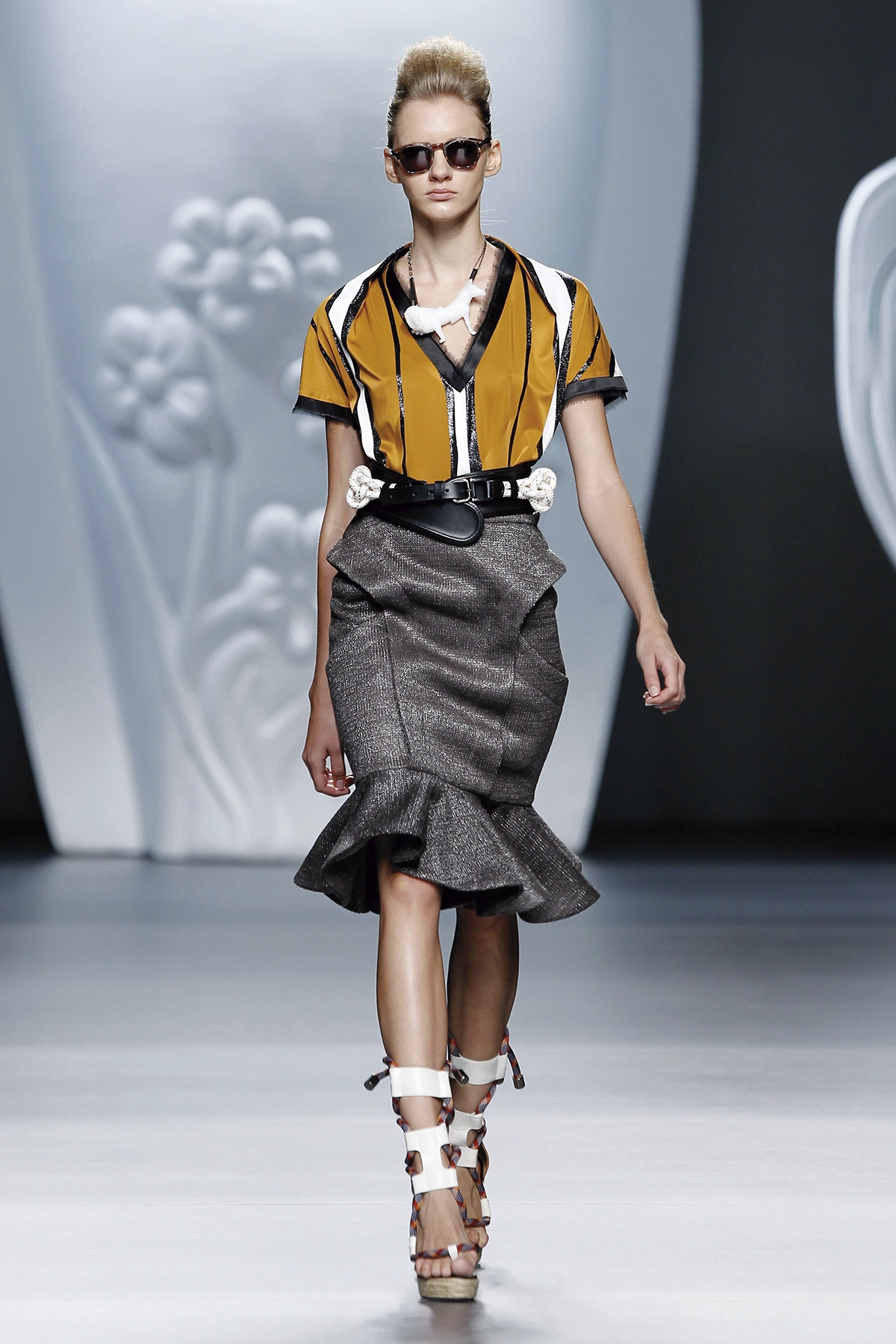
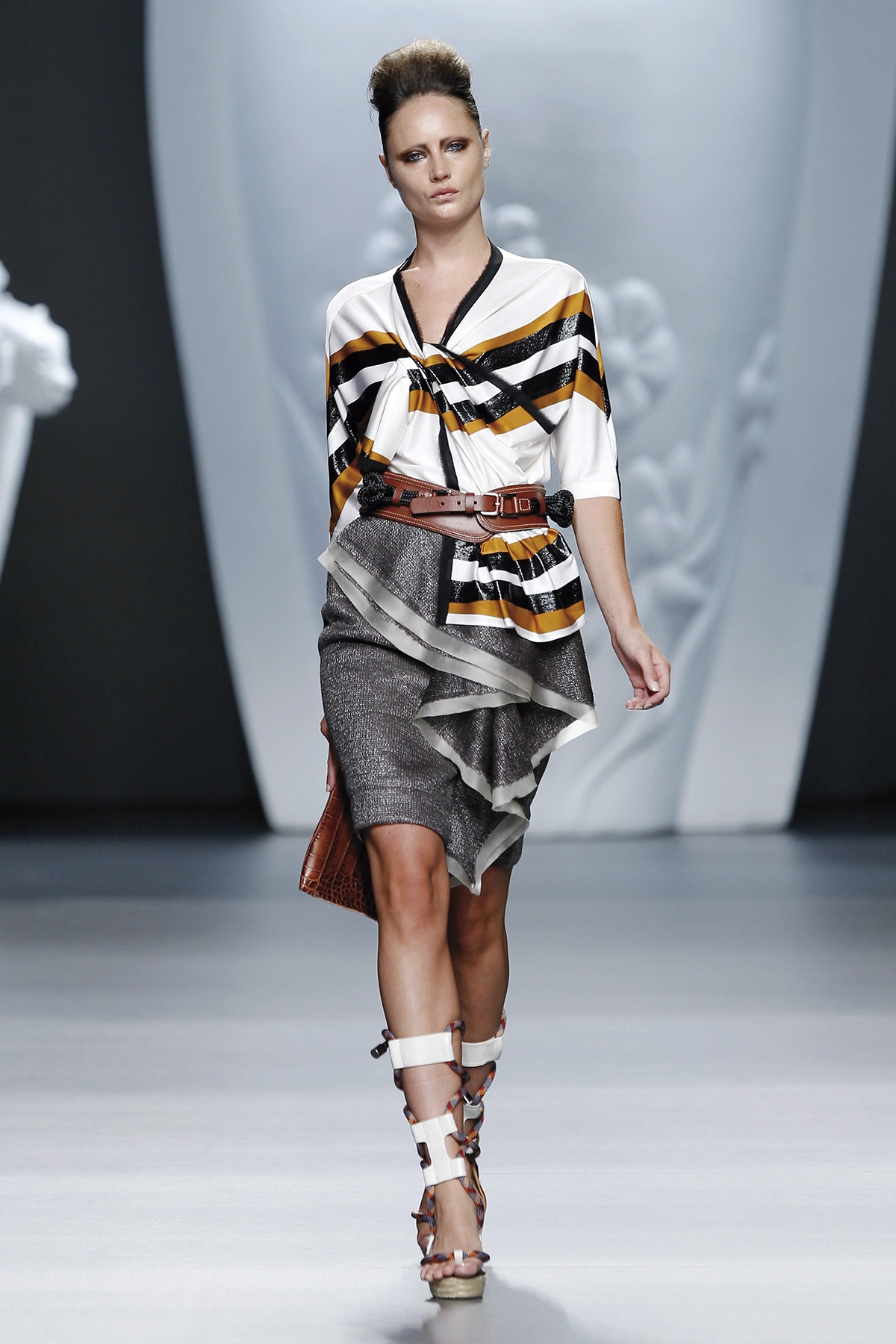
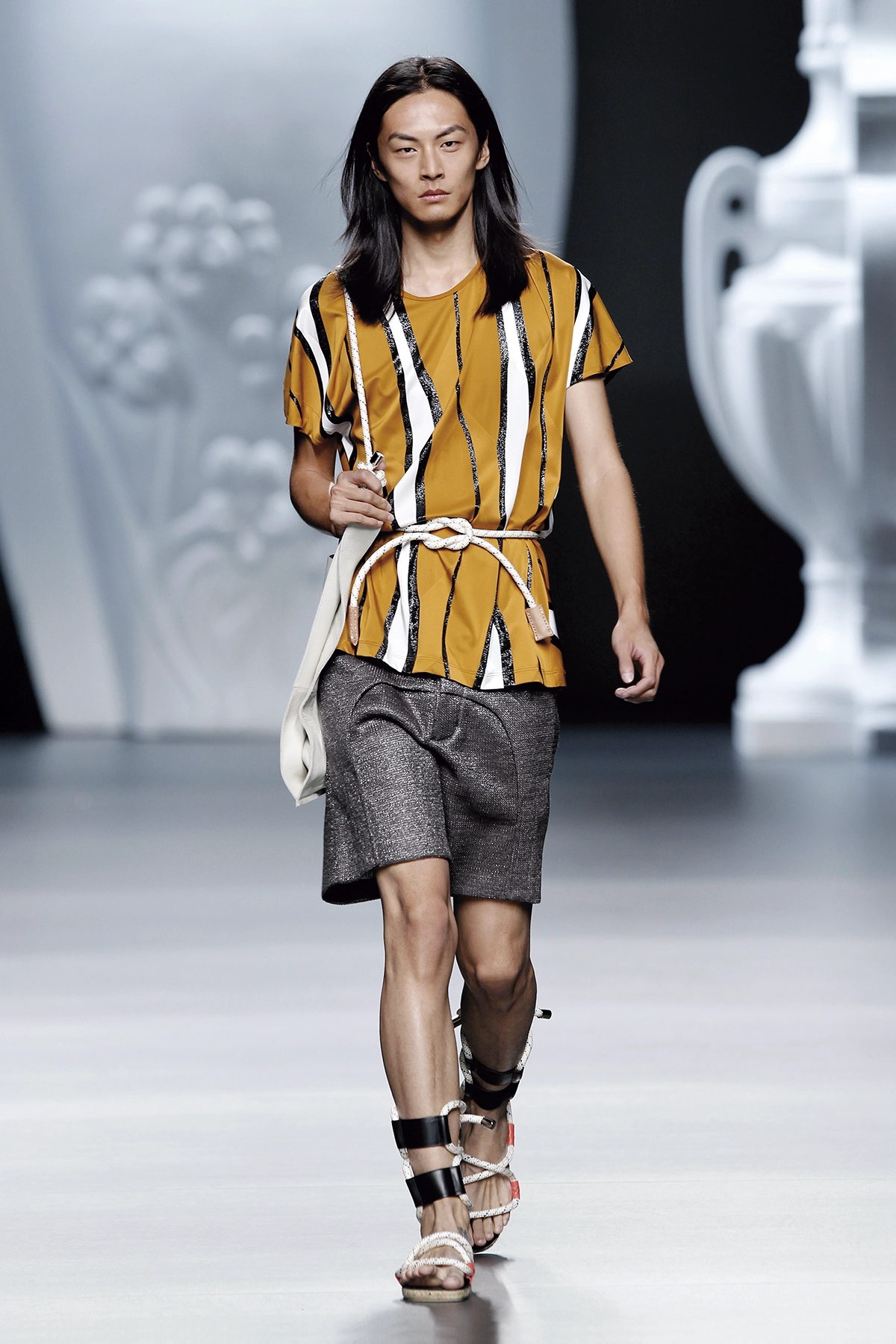
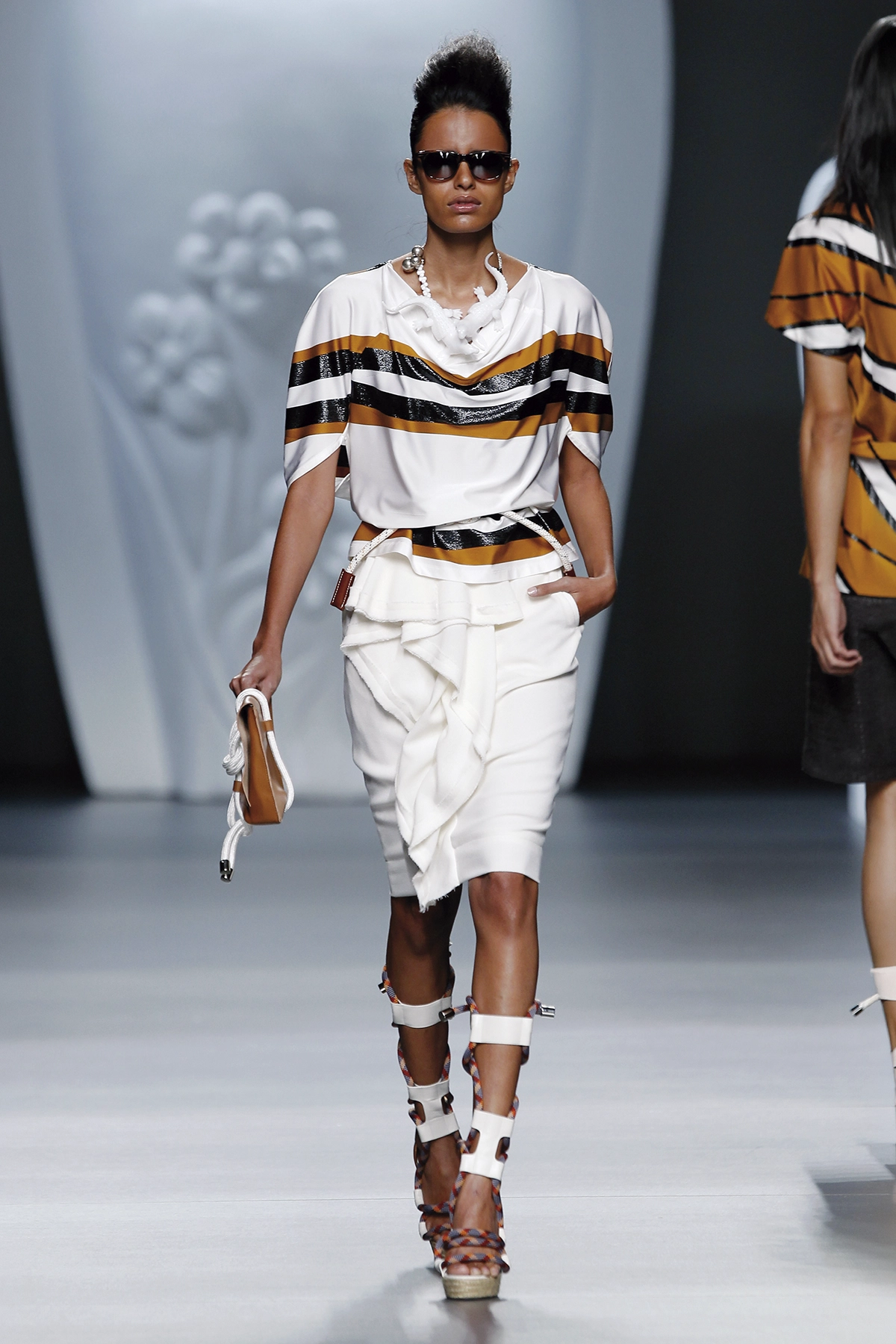
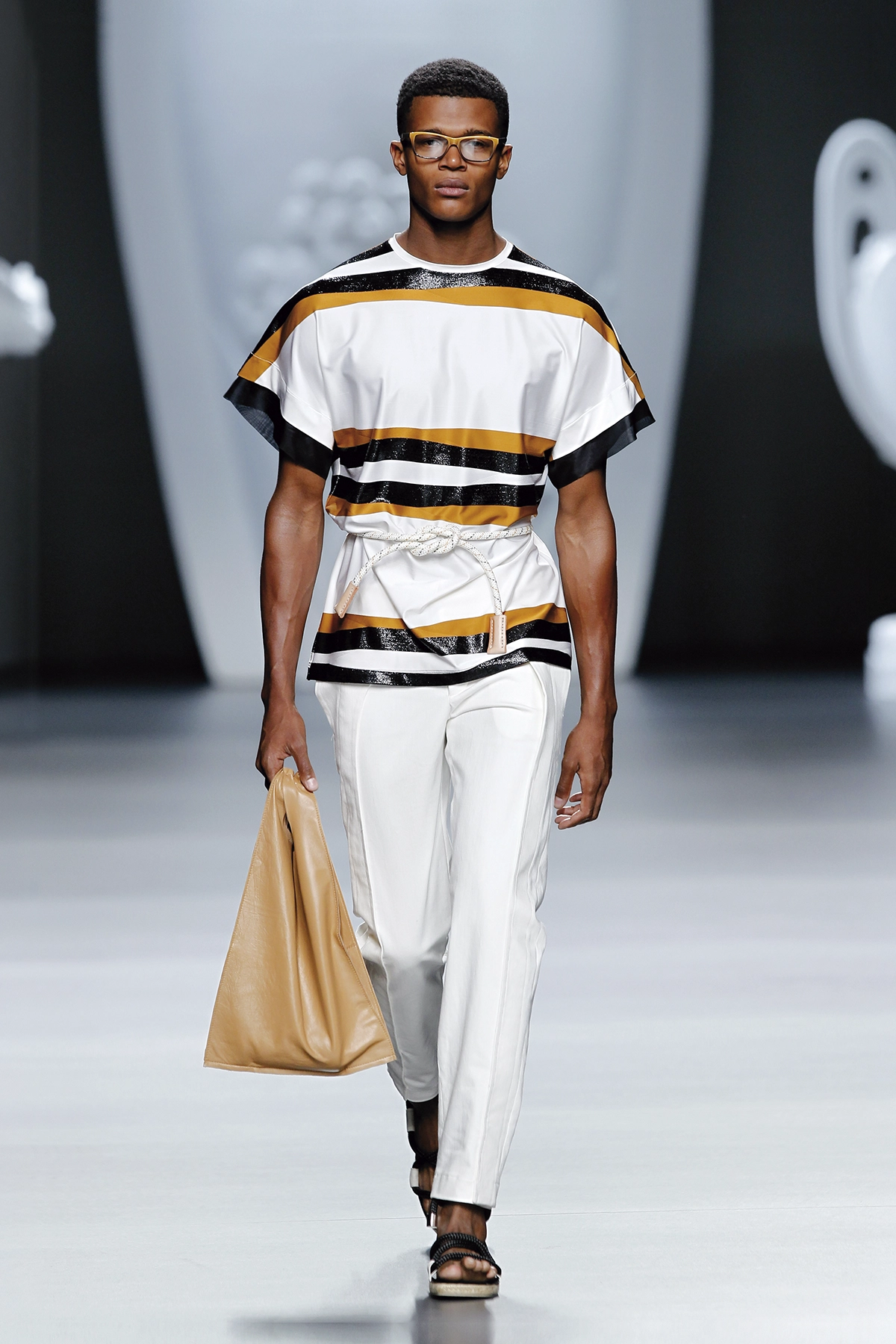
I like to think that a voluptuous sobriety has acquired a leading role in “The Talk”, with the entire collection being imbued with a balance between idealism and romanticism, and between moderation and sensuality. This conversation must address the risks entailed by heterogeneous combinations, as well as taking into account that, today, these must be extremely moderate.
This is a new face in which the hedonistic half represented by Marilyn, full of sadness, radiance and anxiety, converses with the half represented by Jackie, who is made up to be strong, resilient and restrained. This makes me think of Diane Vreeland, who, in her haughty elegance, glimpsed the future of this new idea of femininity when she declared that a woman’s beauty never resides in her skin, but in her scars.
This is an intimate dialogue between the creator and the onlooker, one in which we can discern the gestures of the participants, thus forcing our eye to acquire a taste for details, which are not simply adornments to be regarded from afar.
This confrontation of opposites inspired in the John Stezaker works does not entail a fight for survival, rather a relaxed chat between unity and plurality, between presence and representation and between transcendence and imminence.
One of the most difficult things to achieve within the realm of fashion is to consider that the future resides in our interpretation of what has been done in the past; the second most difficult thing is to then forget the past.
There has been much talk about the modern approach of the new woman, about her relationship to the serenity of the moment in which she is destined to live, about the commencement of a new era of voluptuously peaceful talent.
This approach requires a dialogue between a forced austerity as a reflection of life today and the need to introduce touches of controlled and always attractive opulence.
I like to think that a voluptuous sobriety has acquired a leading role in “The Talk”, with the entire collection being imbued with a balance between idealism and romanticism, and between moderation and sensuality. This conversation must address the risks entailed by heterogeneous combinations, as well as taking into account that, today, these must be extremely moderate.
This is a new face in which the hedonistic half represented by Marilyn, full of sadness, radiance and anxiety, converses with the half represented by Jackie, who is made up to be strong, resilient and restrained. This makes me think of Diane Vreeland, who, in her haughty elegance, glimpsed the future of this new idea of femininity when she declared that a woman’s beauty never resides in her skin, but in her scars.
This is an intimate dialogue between the creator and the onlooker, one in which we can discern the gestures of the participants, thus forcing our eye to acquire a taste for details, which are not simply adornments to be regarded from afar.
This confrontation of opposites inspired in the John Stezaker works does not entail a fight for survival, rather a relaxed chat between unity and plurality, between presence and representation and between transcendence and imminence.
One of the most difficult things to achieve within the realm of fashion is to consider that the future resides in our interpretation of what has been done in the past; the second most difficult thing is to then forget the past.