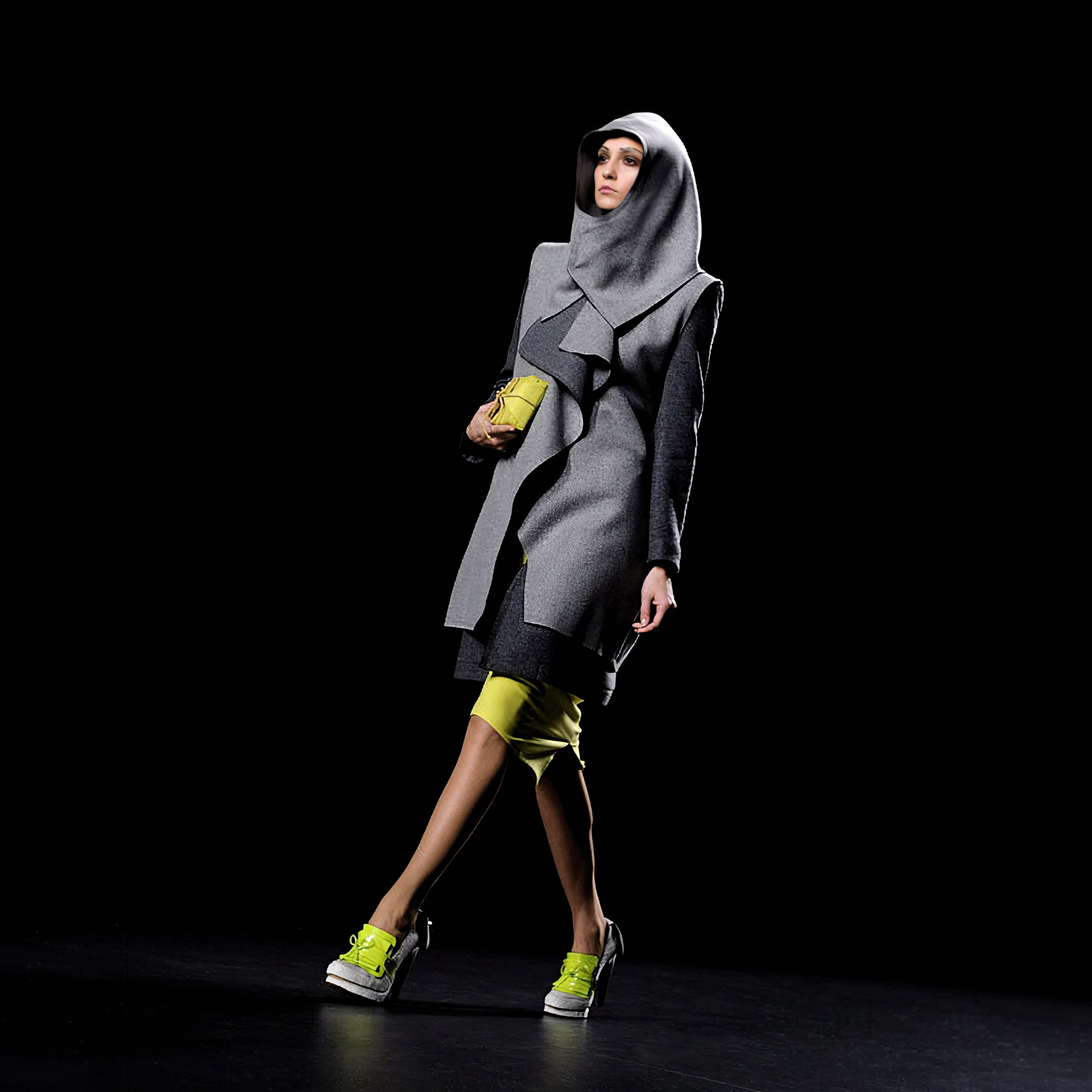
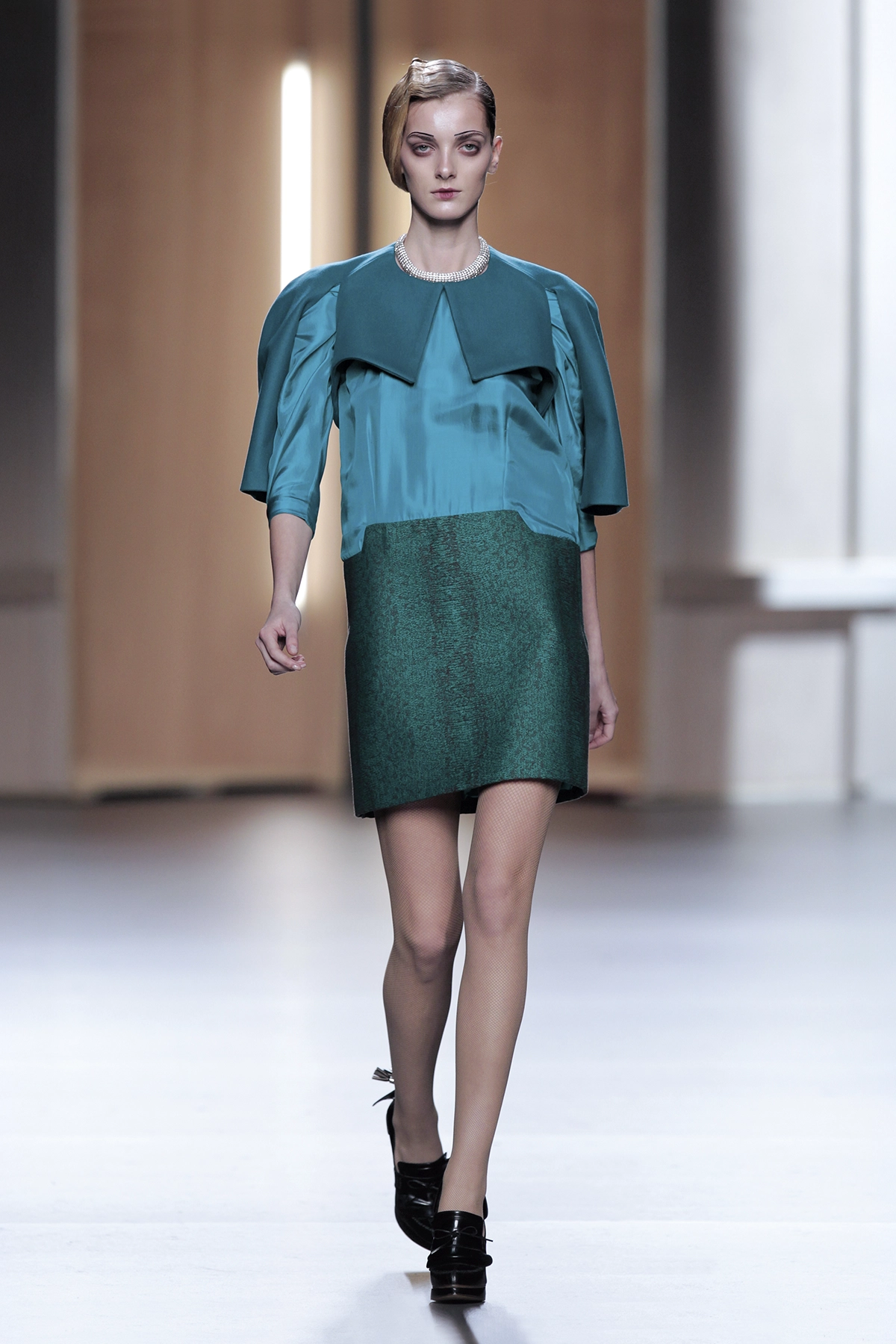
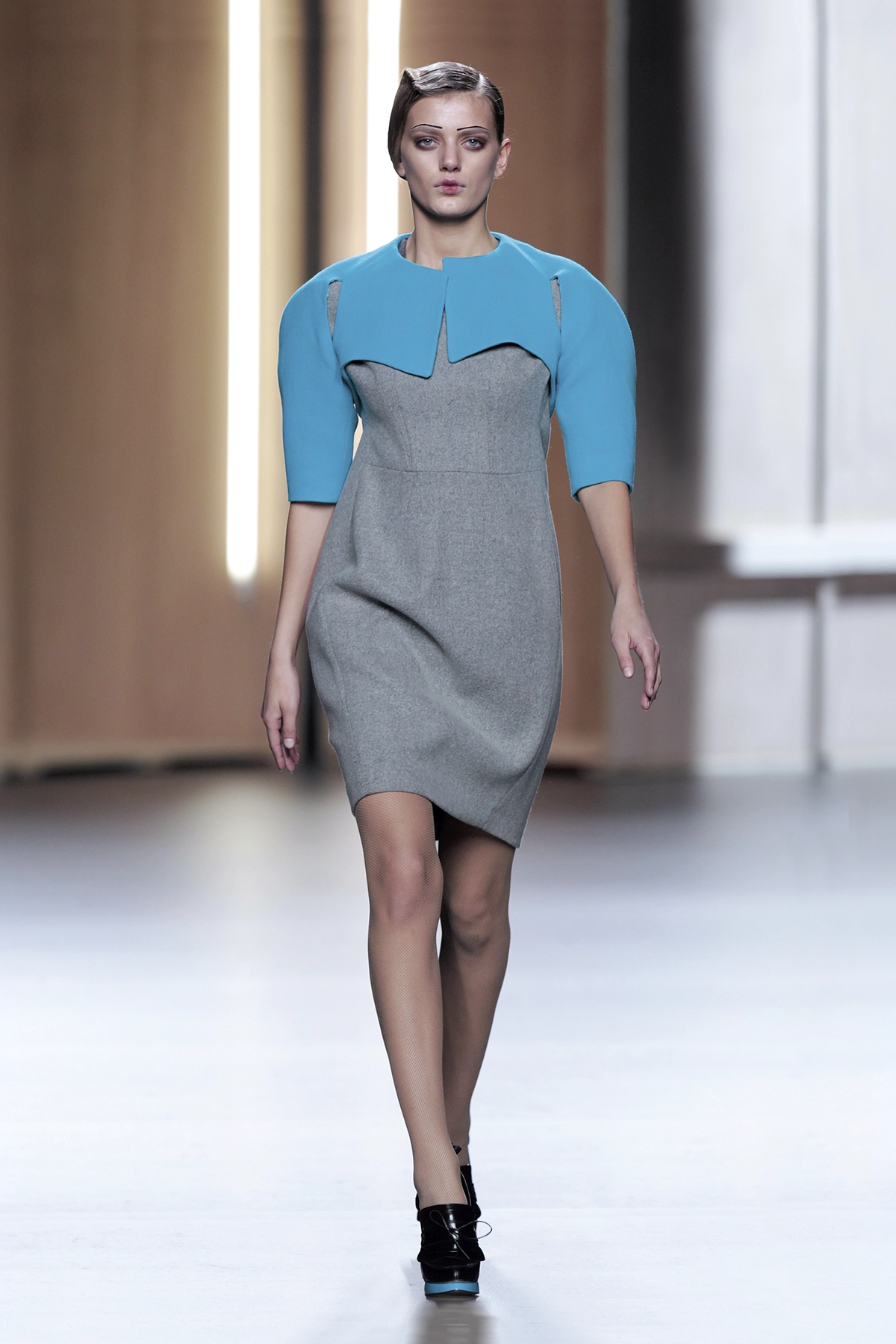
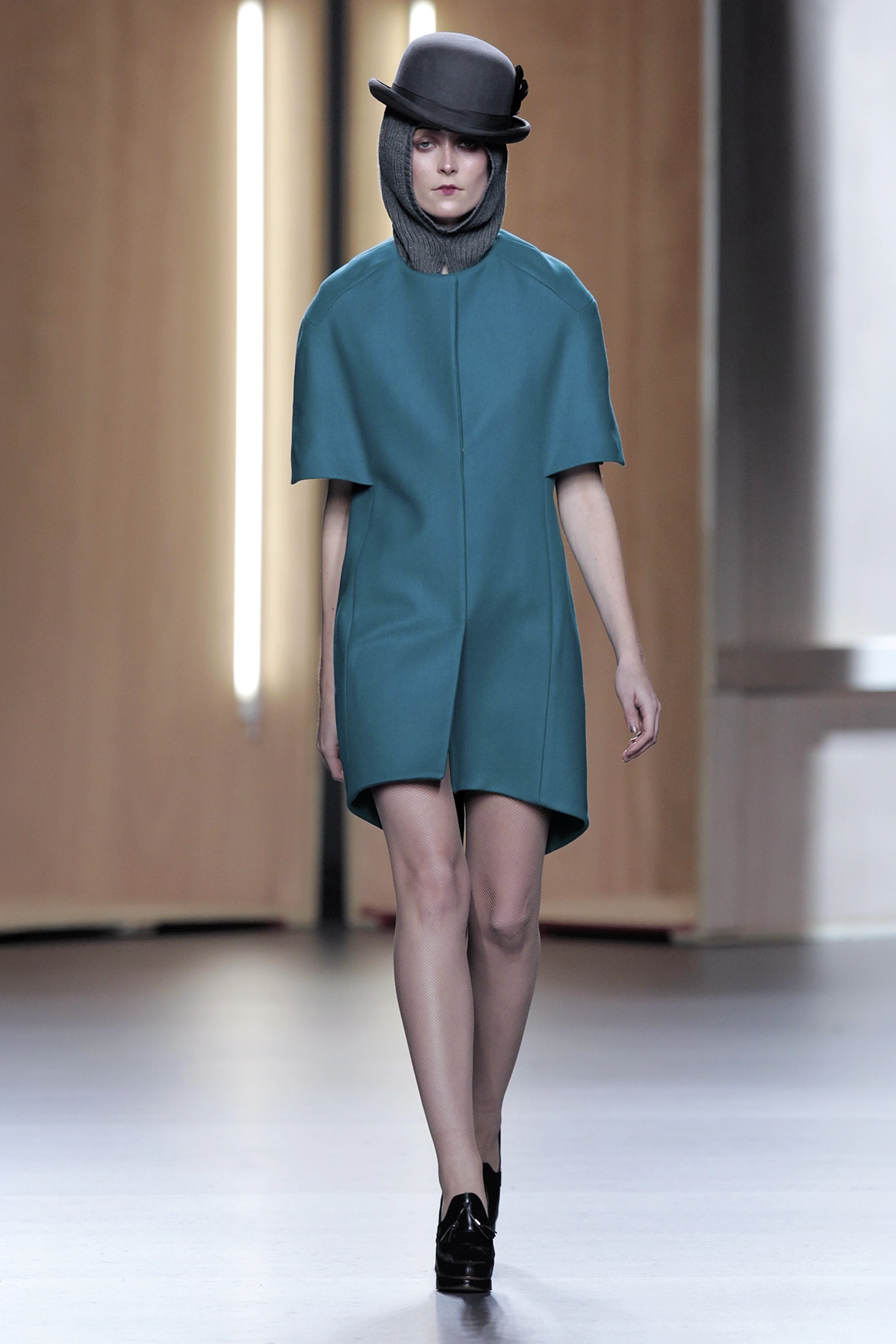
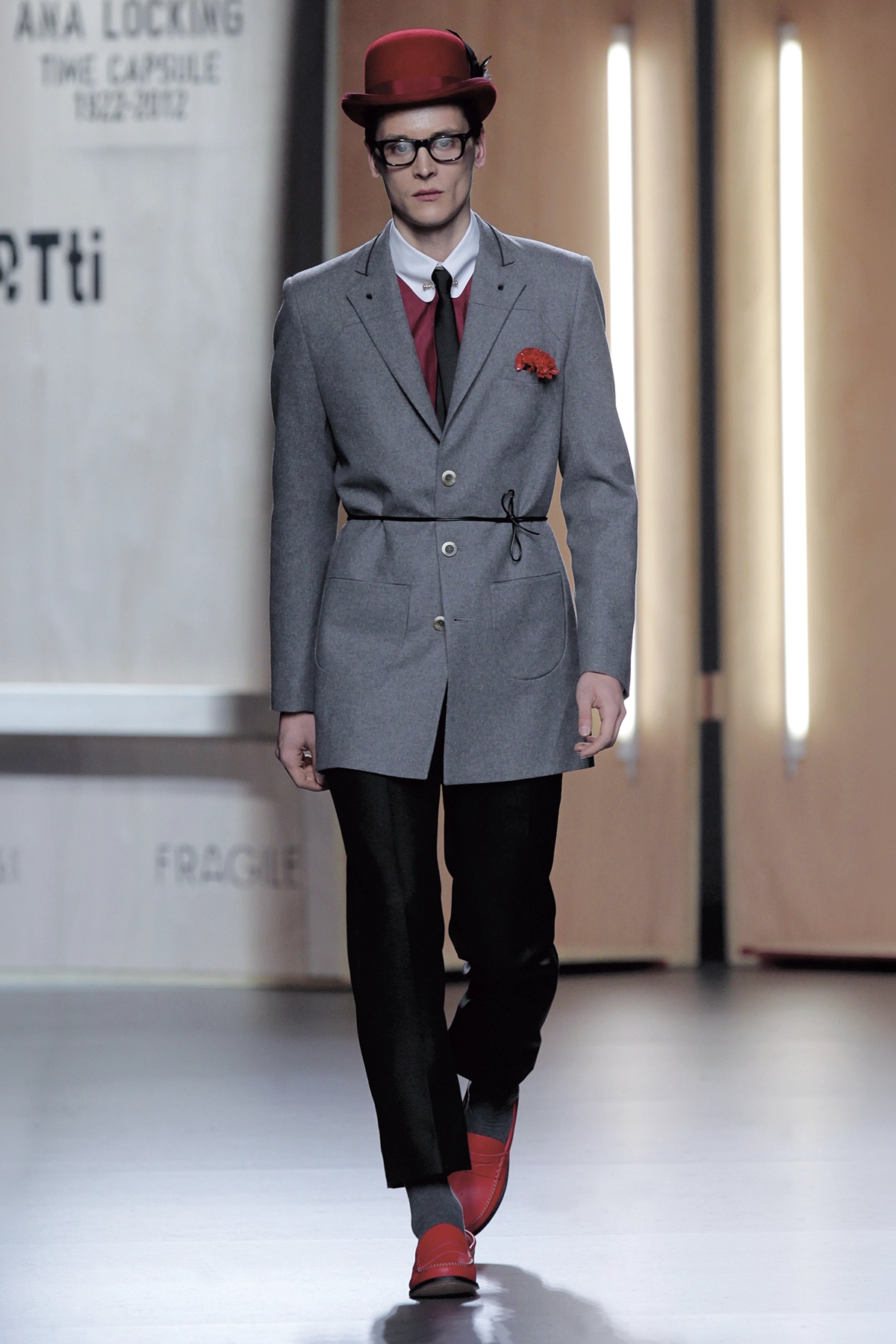
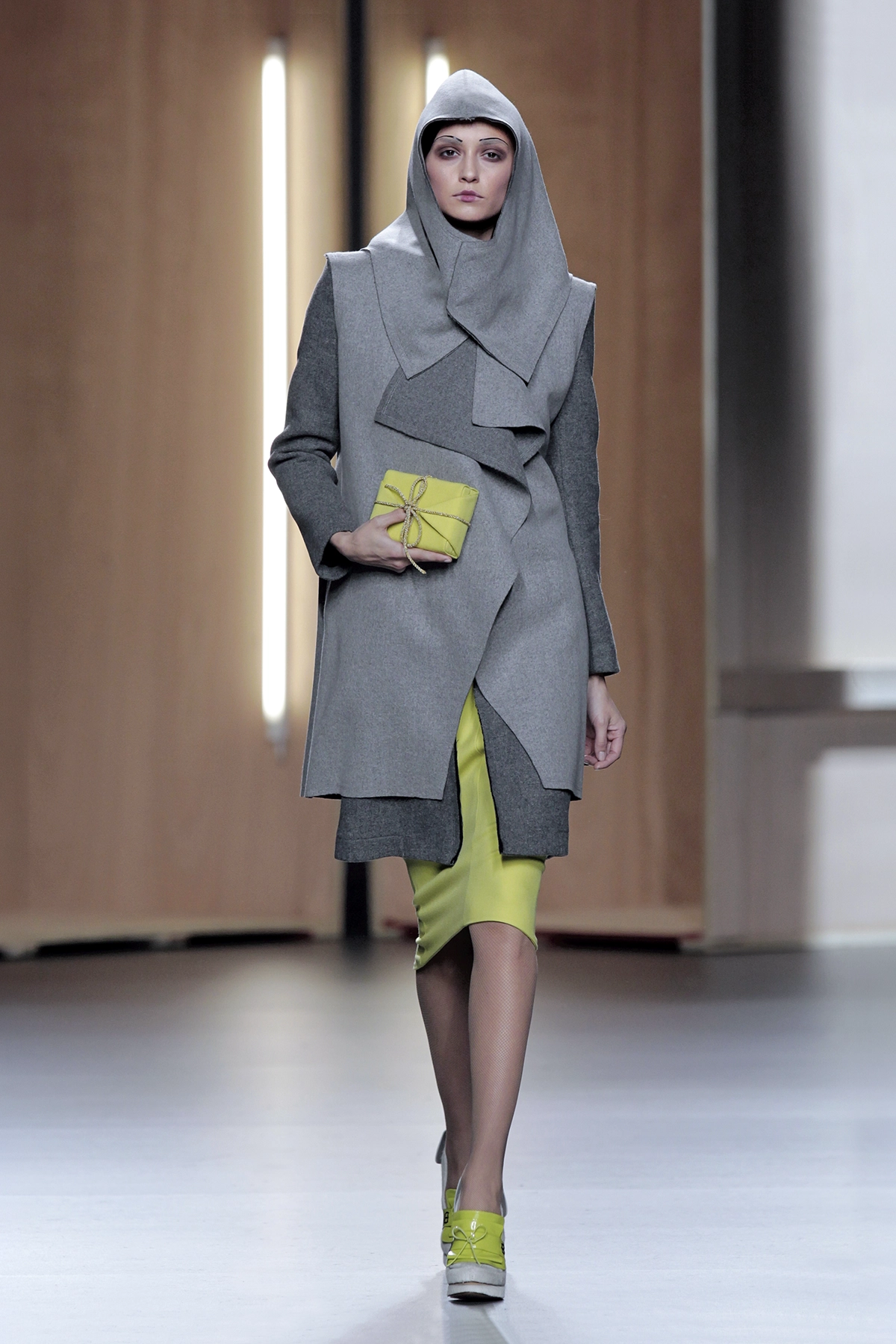
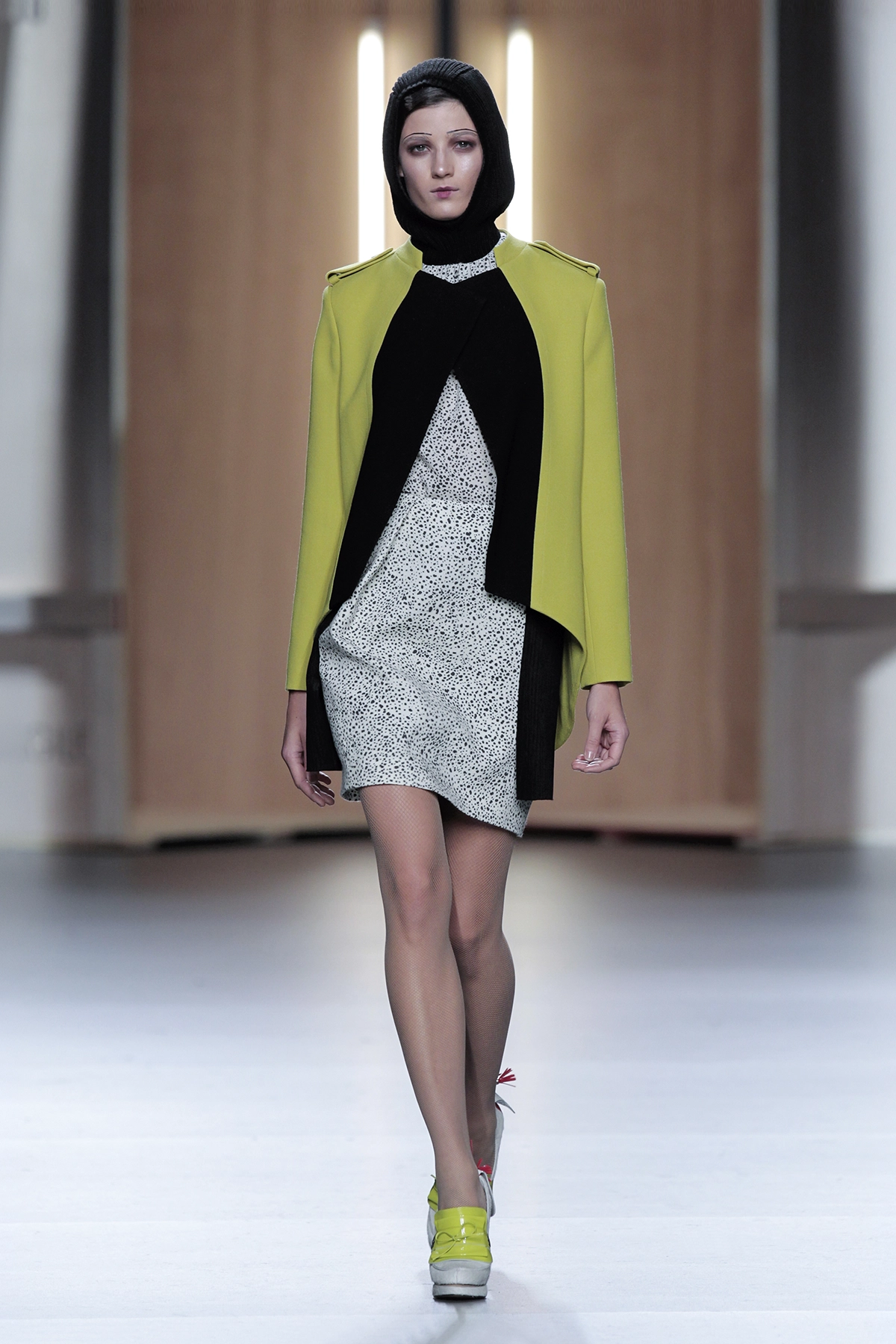
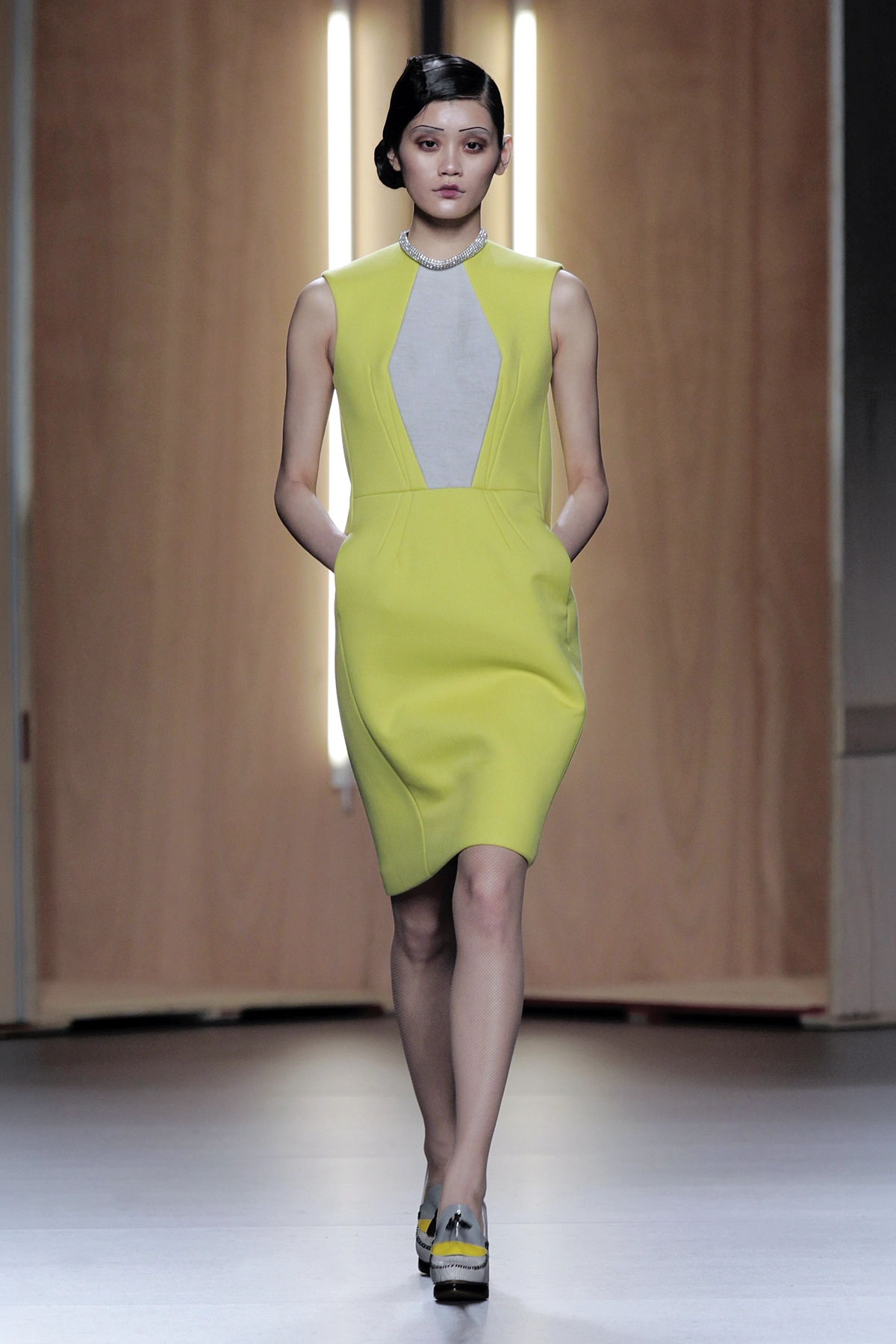
Life is always a collision of past, present, and future. We are not only what we have been, but also what we long to become.
Fall - Winter 2012-13
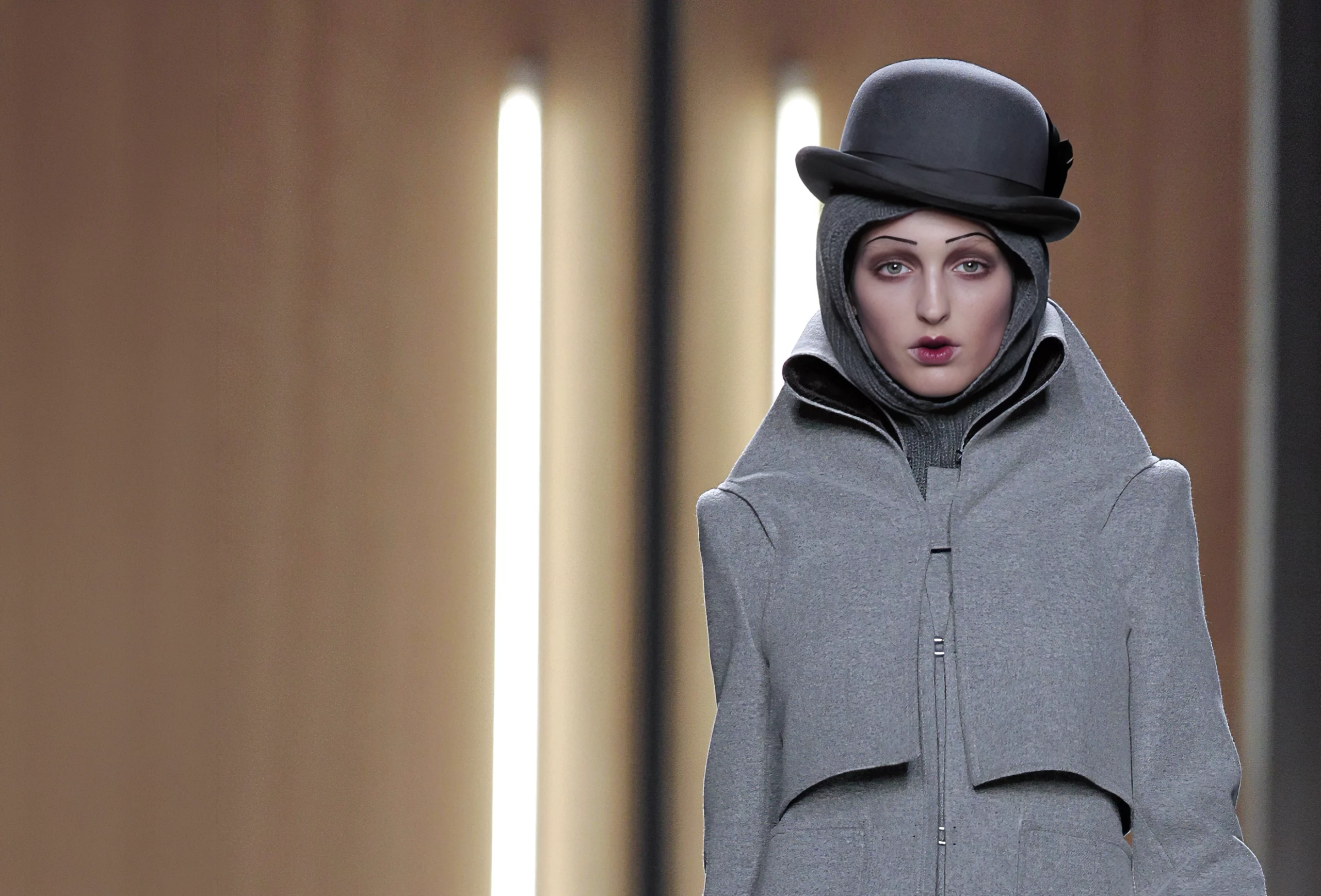
TIME CAPSULE
*
*

A time capsule is a sealed container that preserves messages and objects meant to be discovered by future generations. An act of faith in what is yet to come, a form of dialogue between the present and those who do not yet exist.
In Time Capsule, this metaphor becomes an aesthetic and emotional exercise: a reflection on the ephemeral—on what disappears and what endures, on how customs transform and yet endlessly repeat themselves. Time appears as a thread that breaks and knots again, binding distant lives into a single weave.
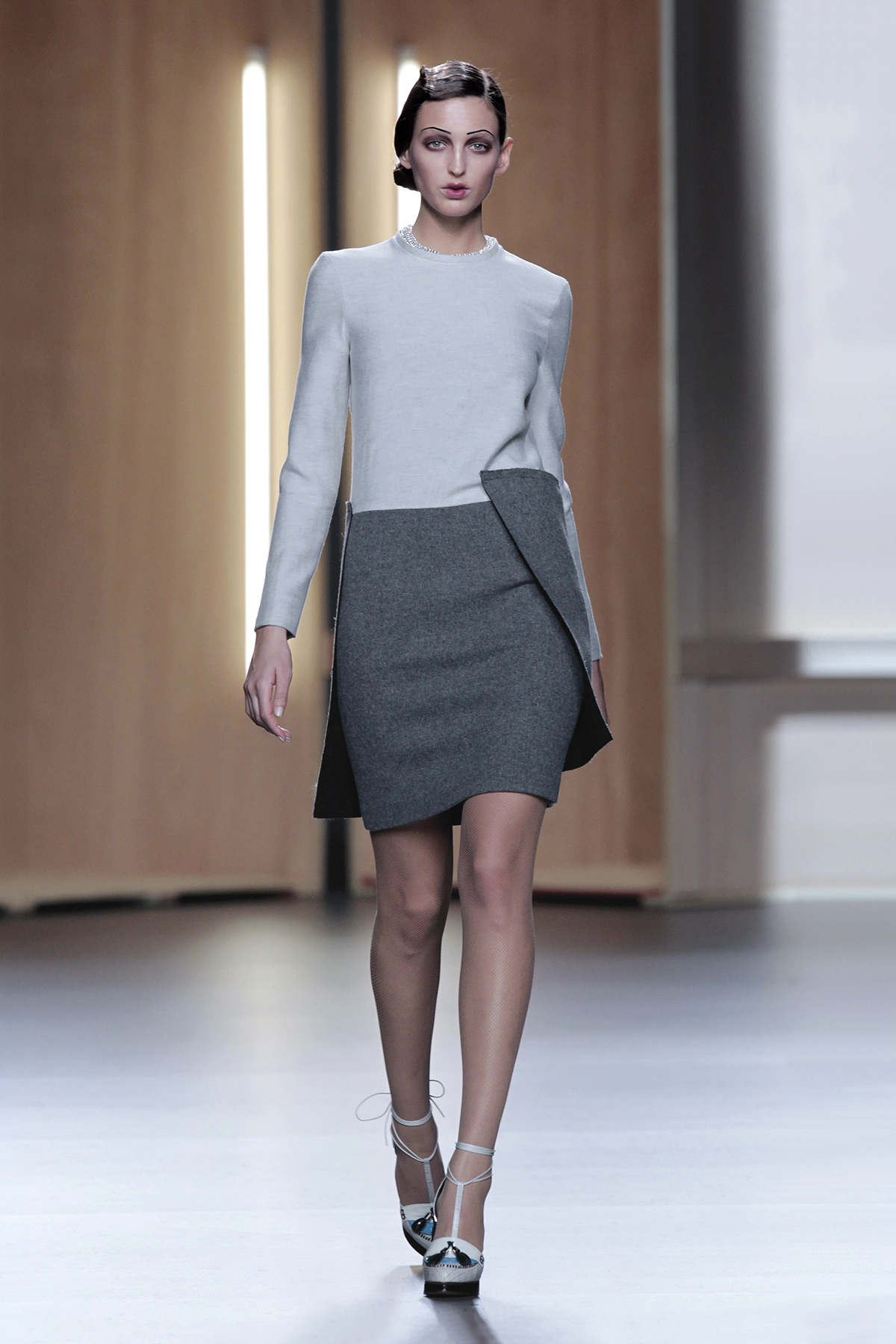
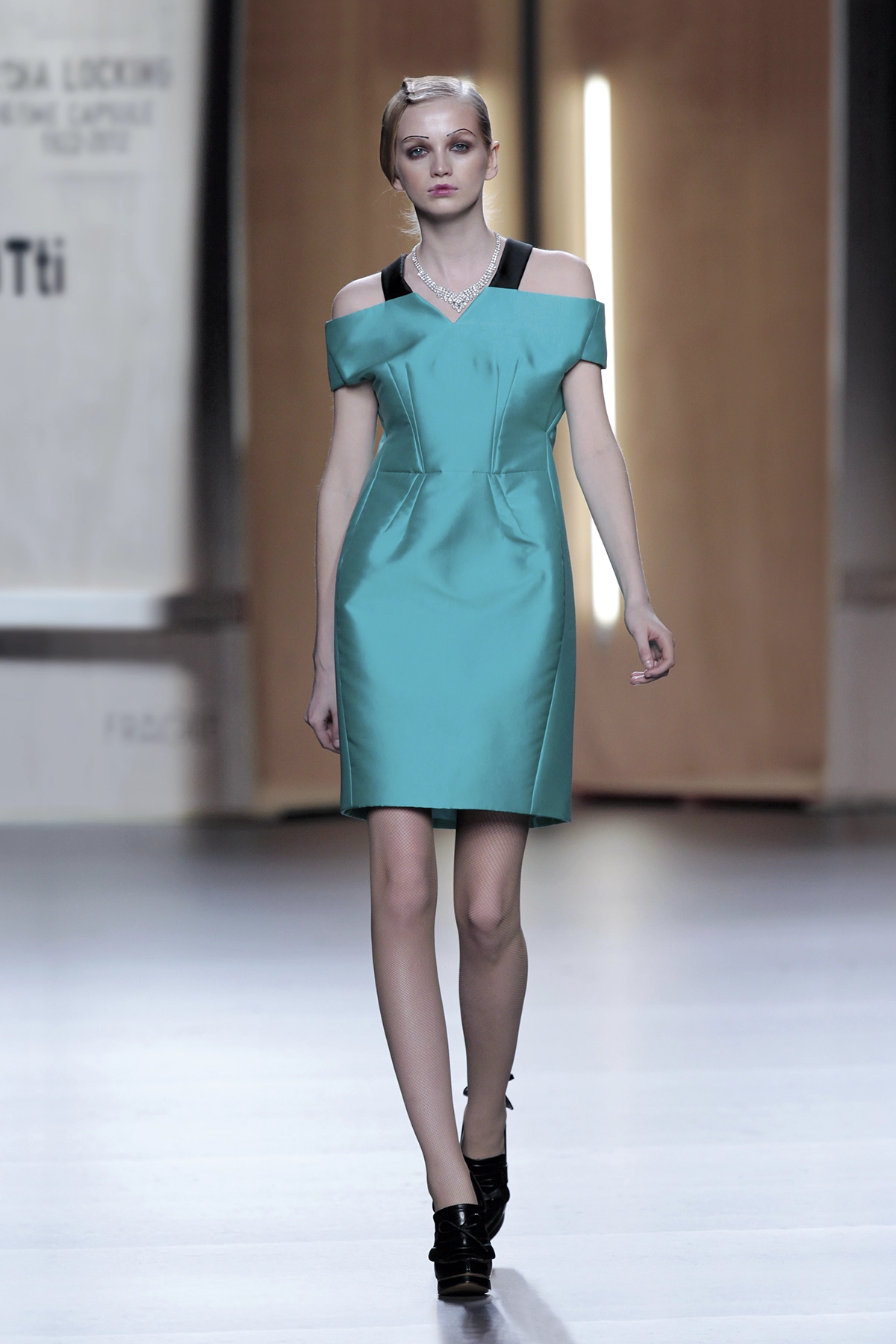
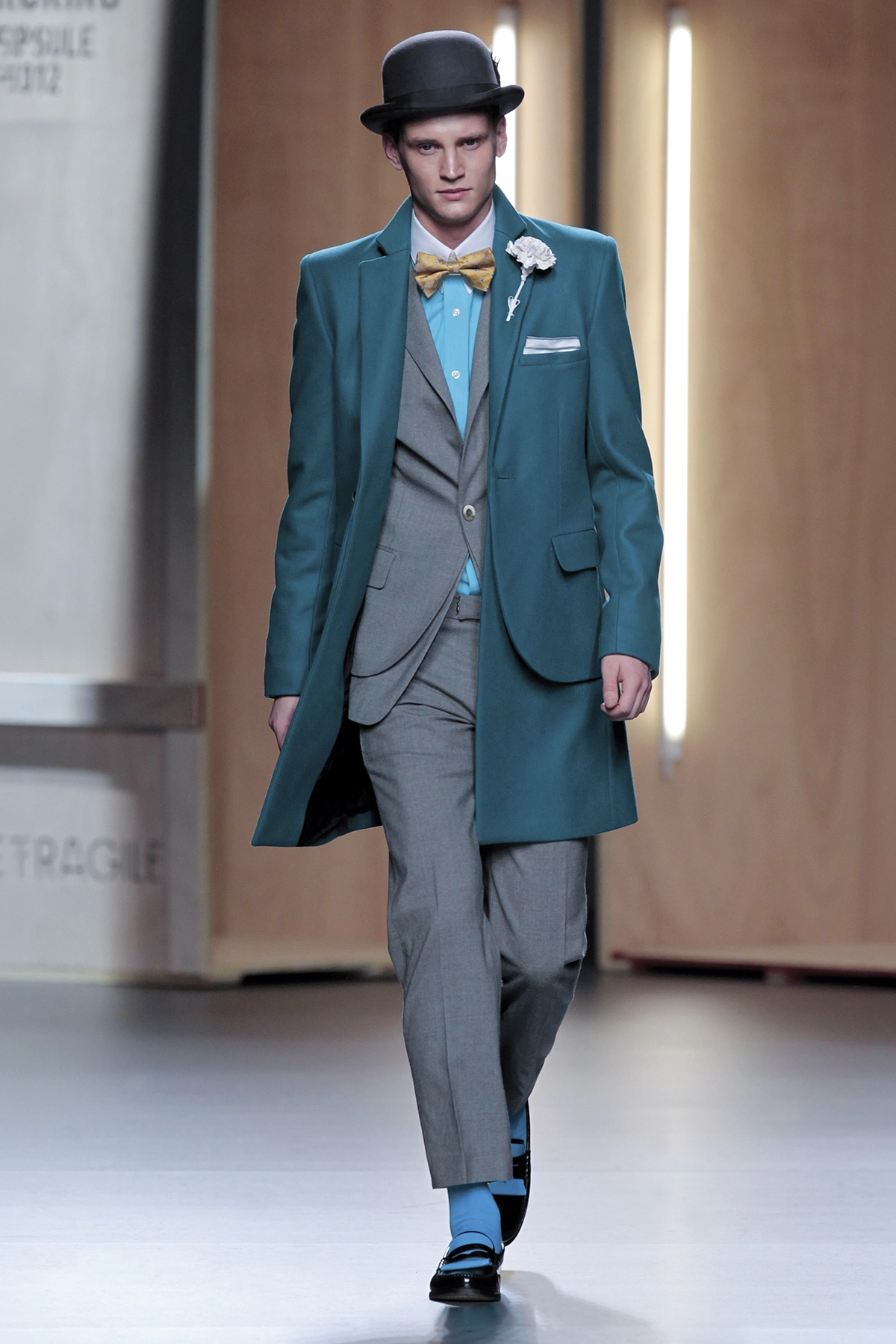
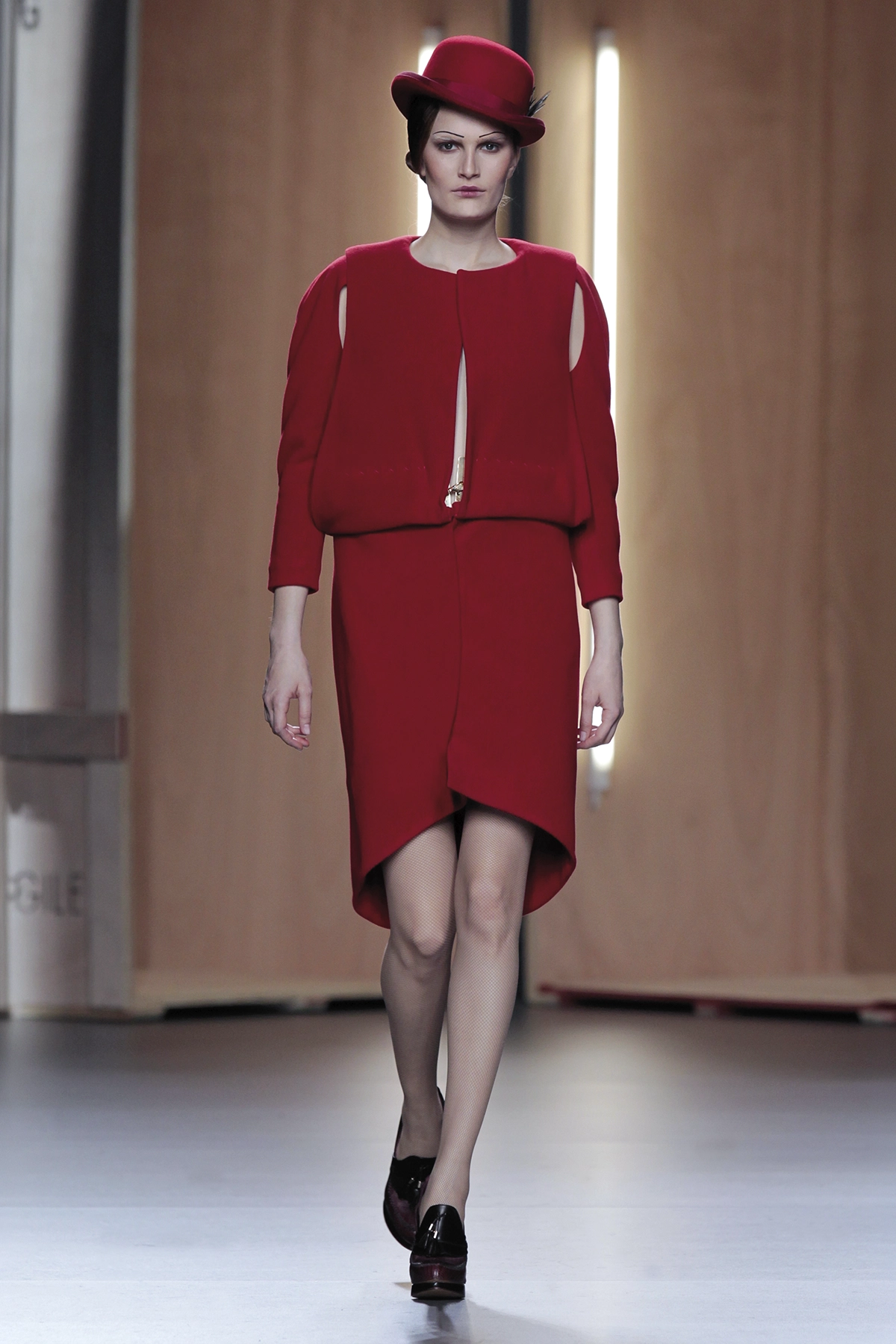
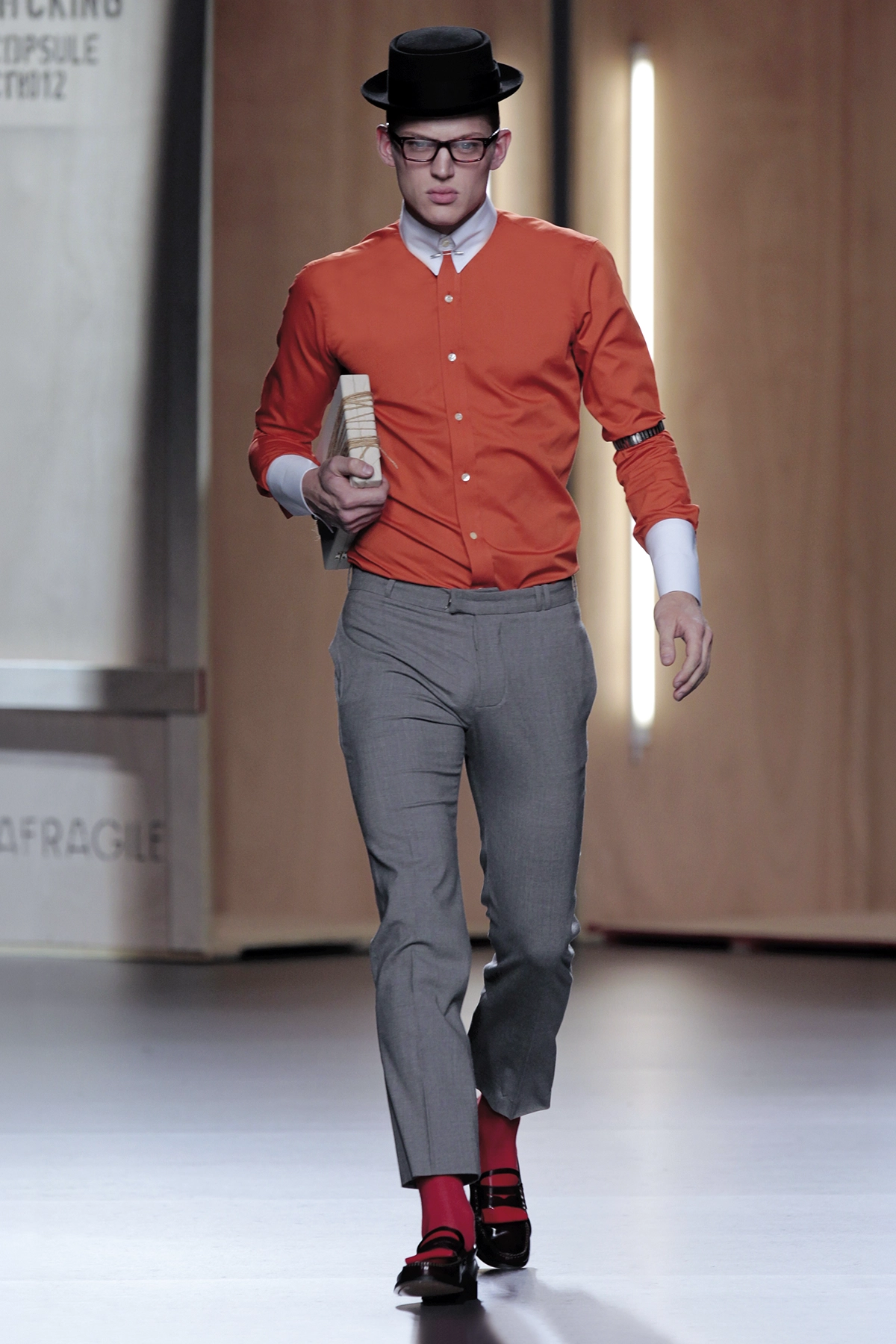
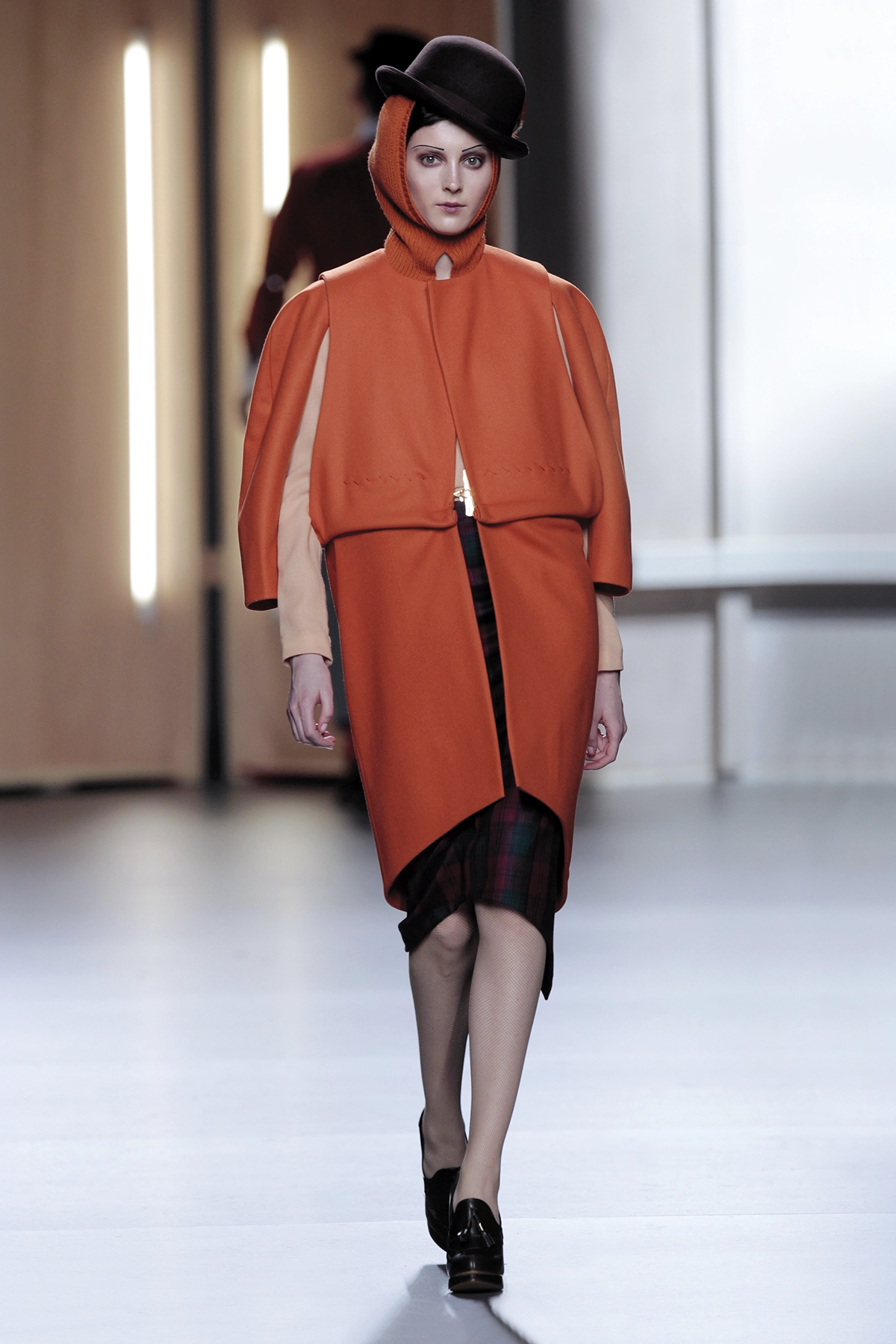
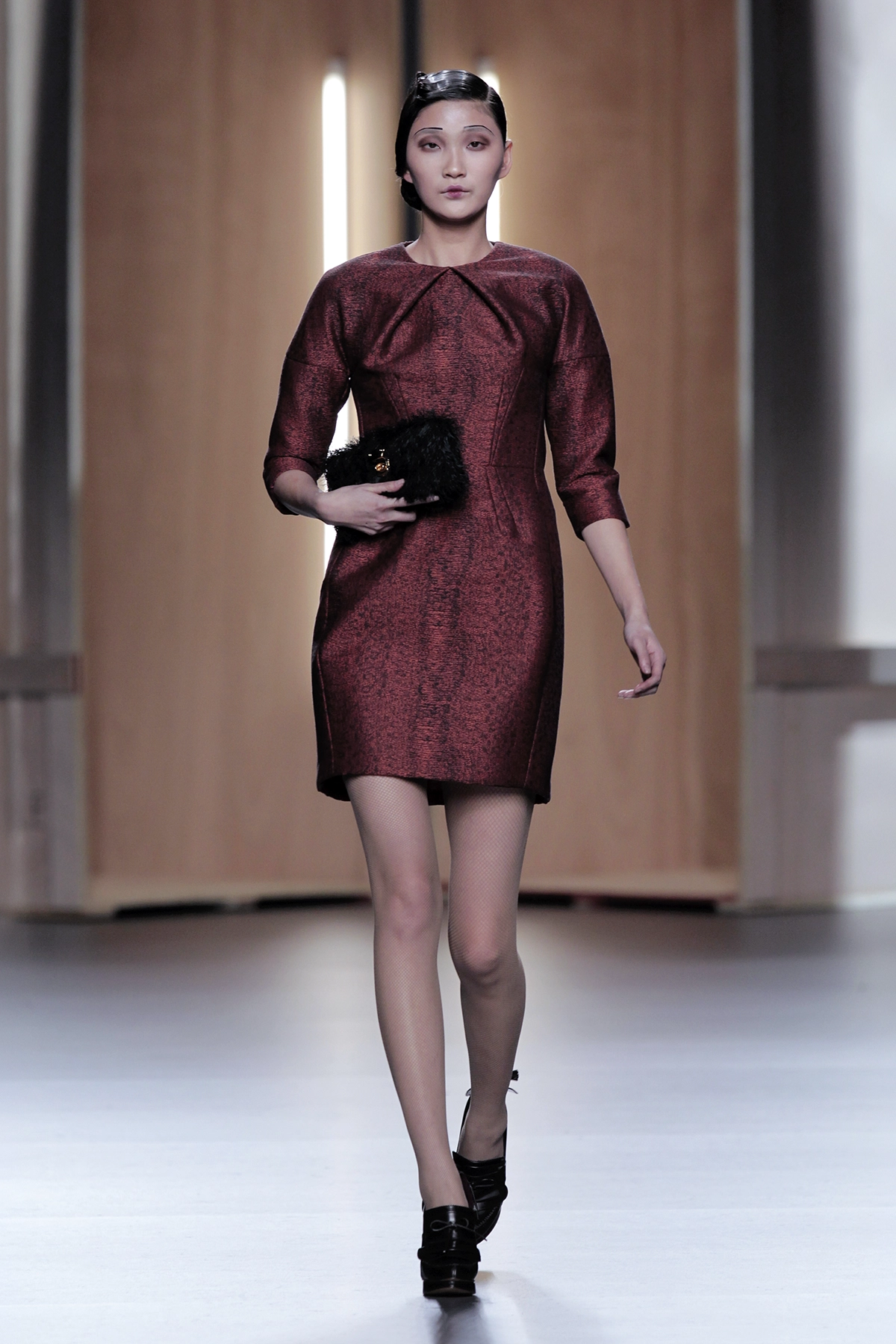
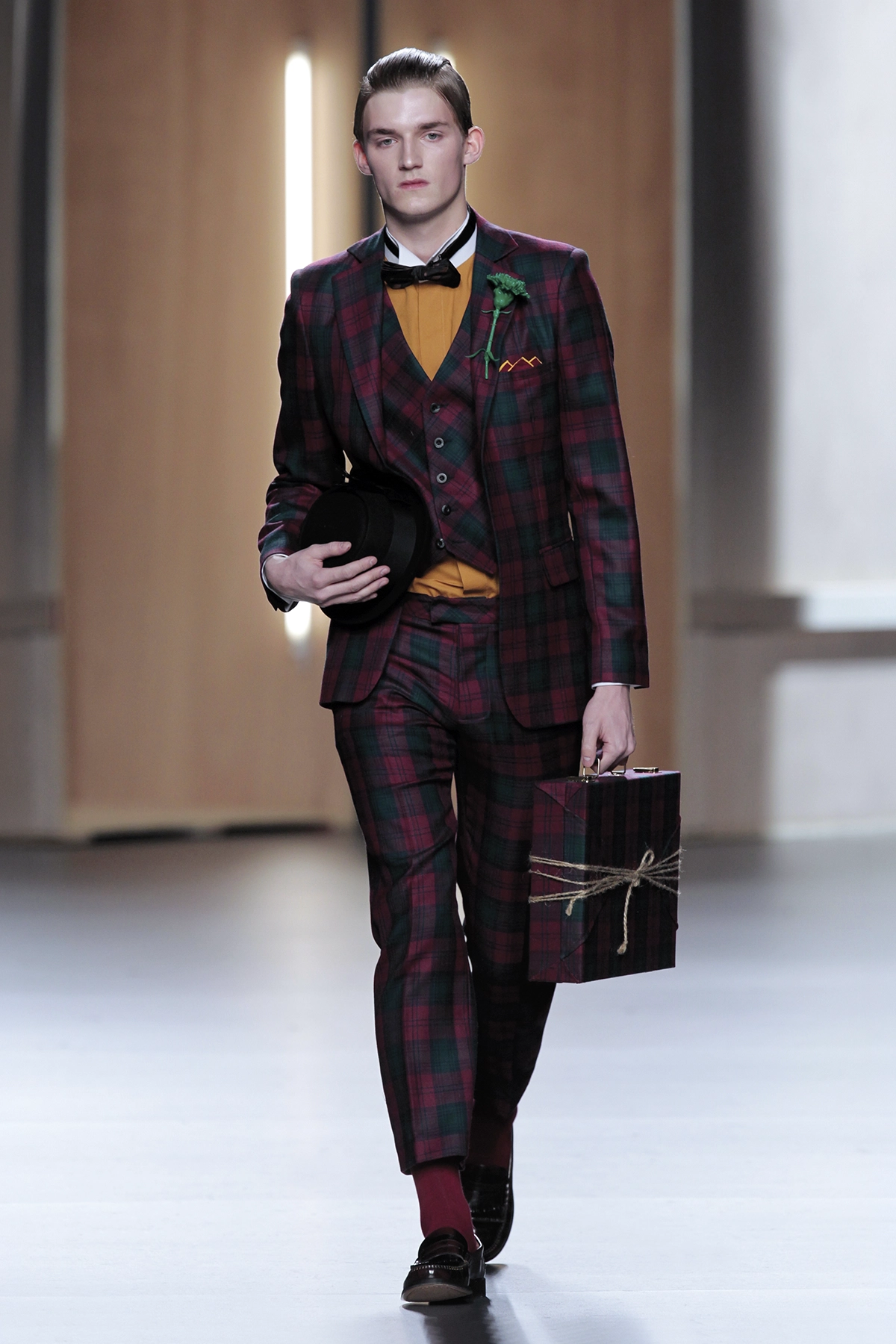
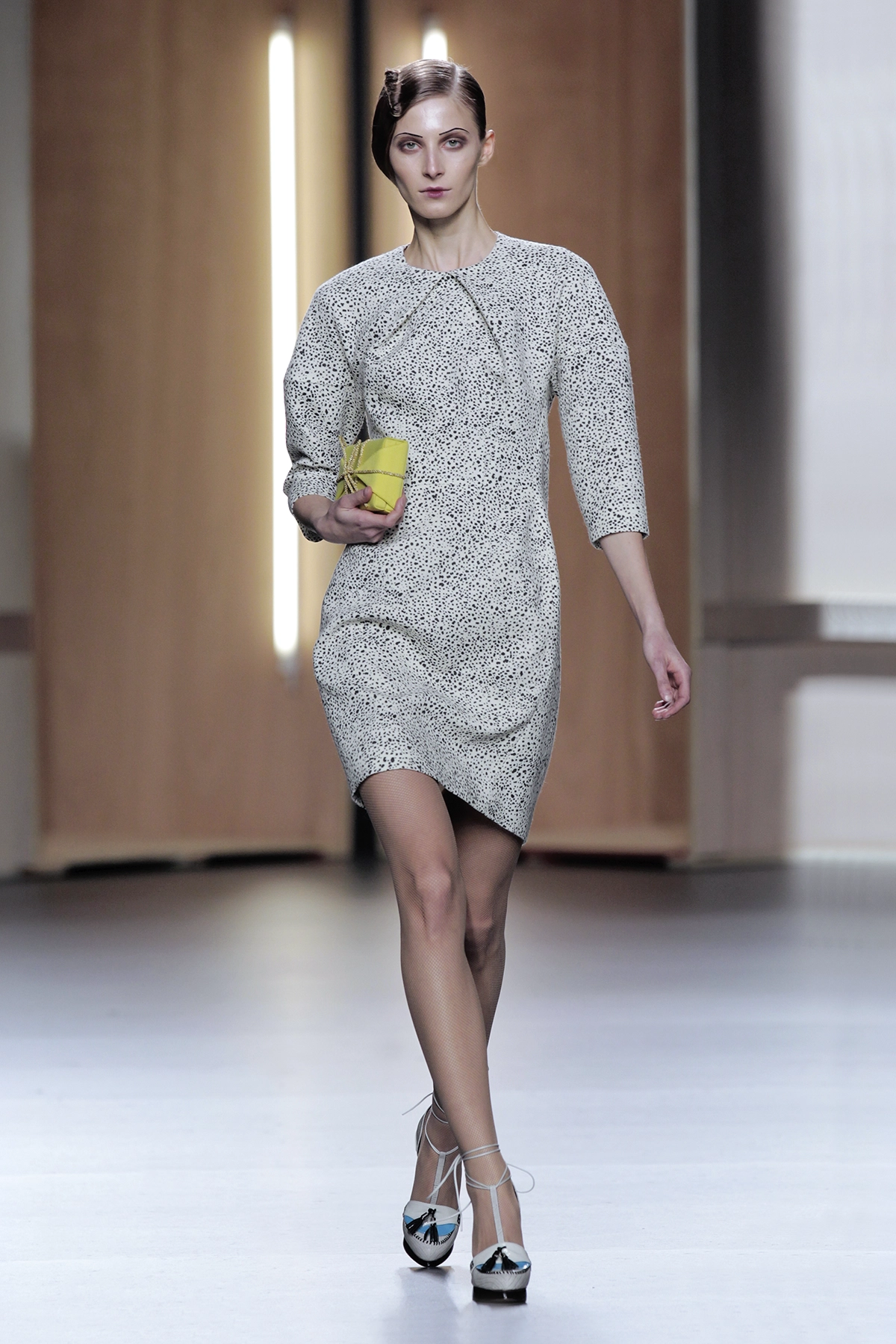
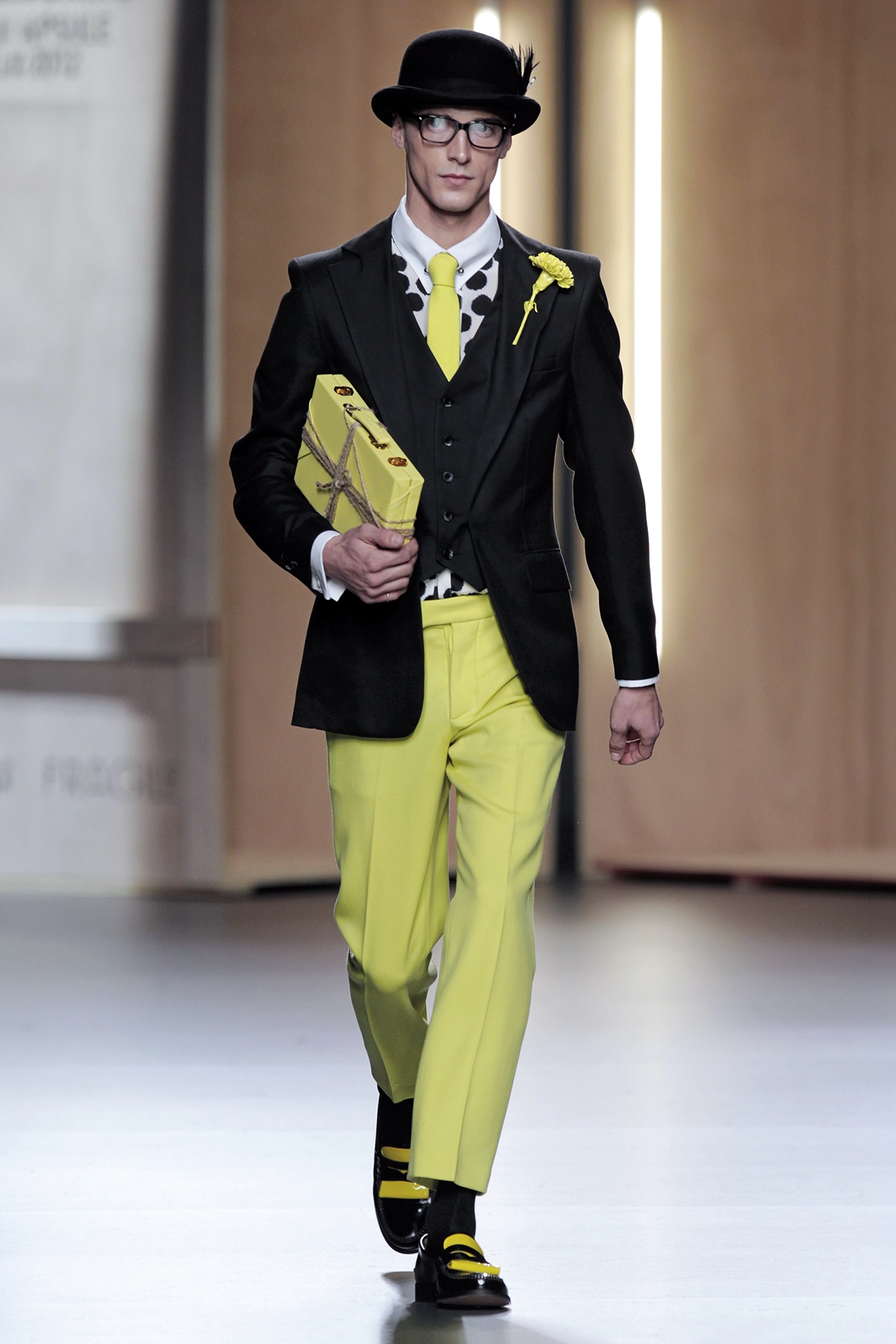
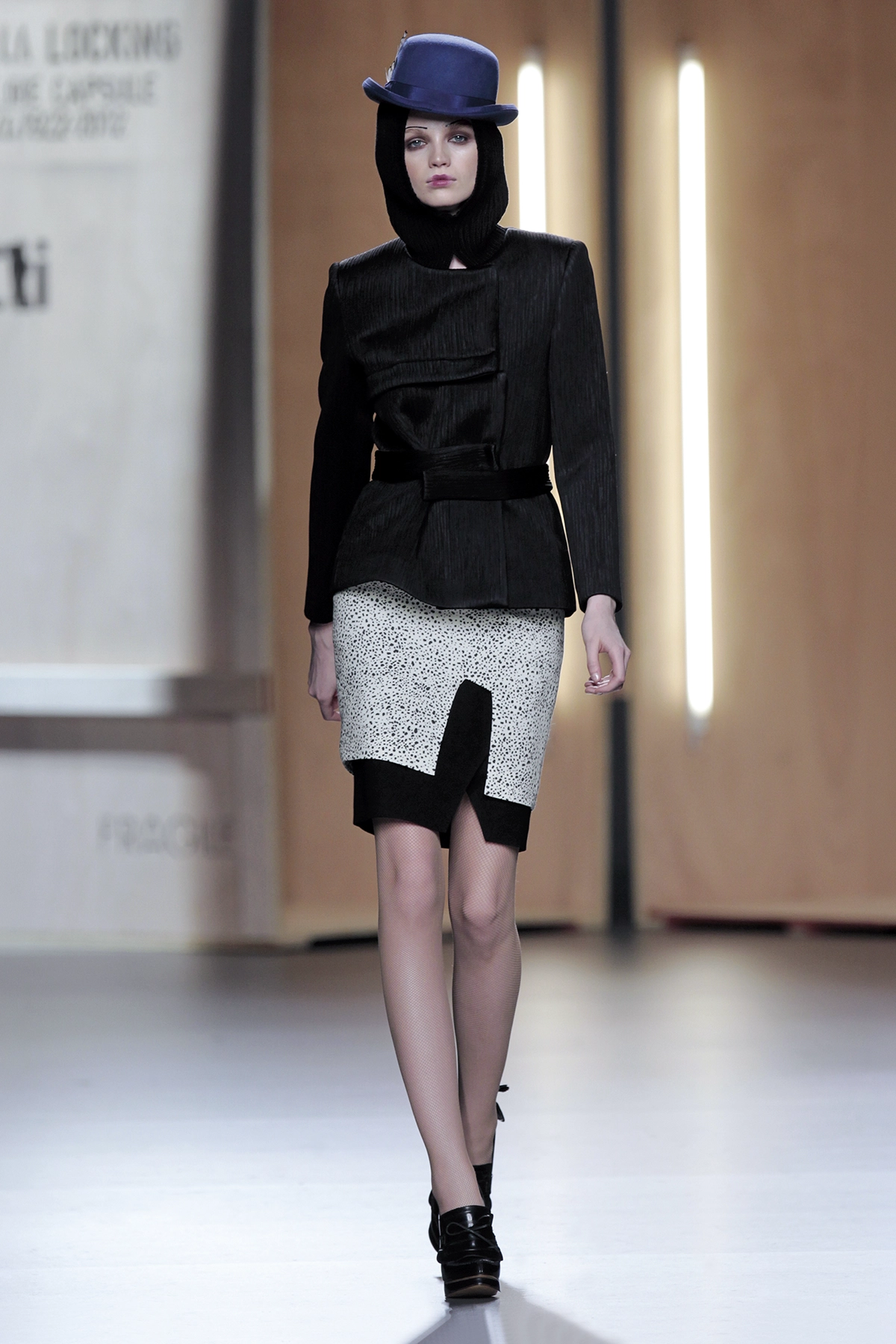
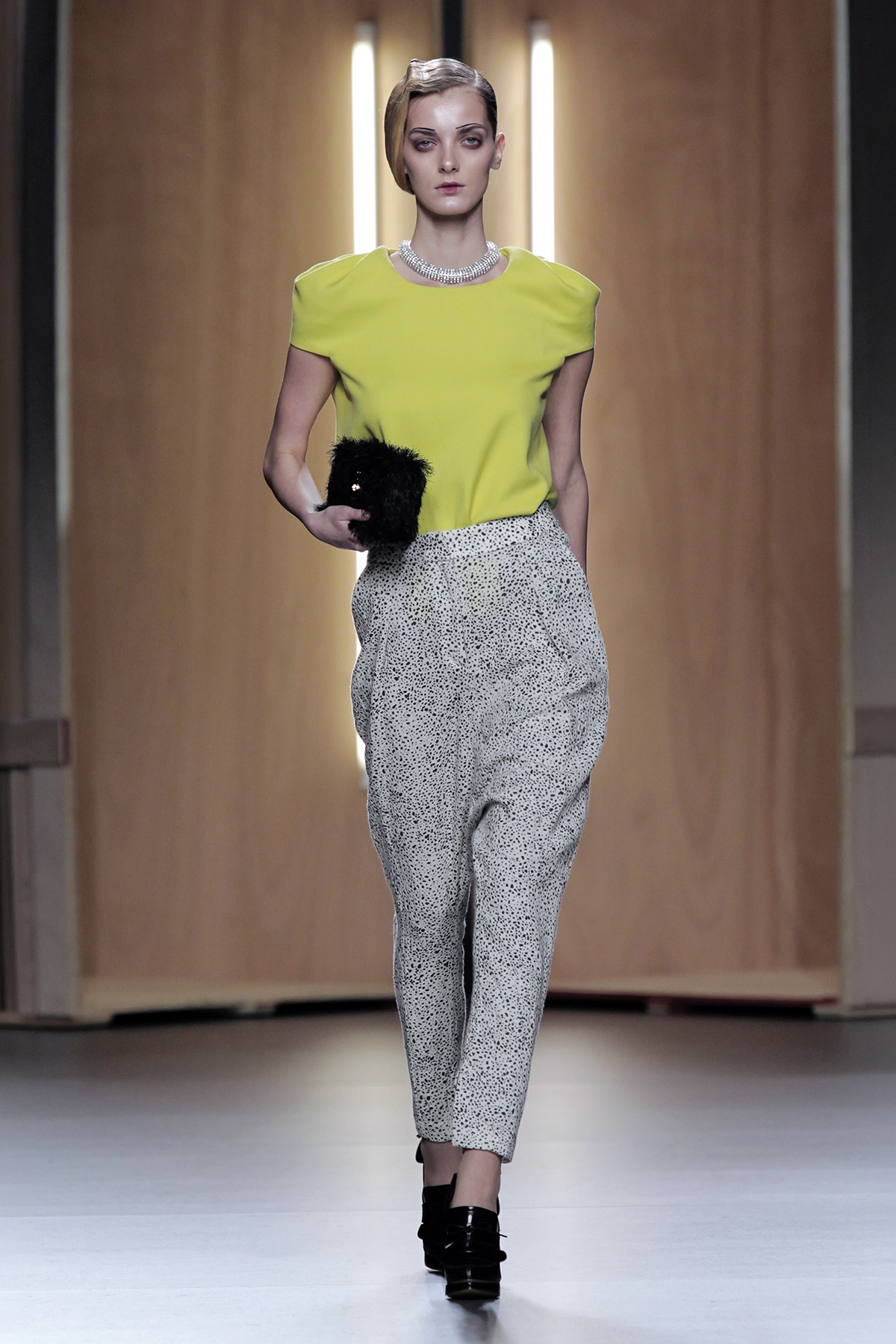
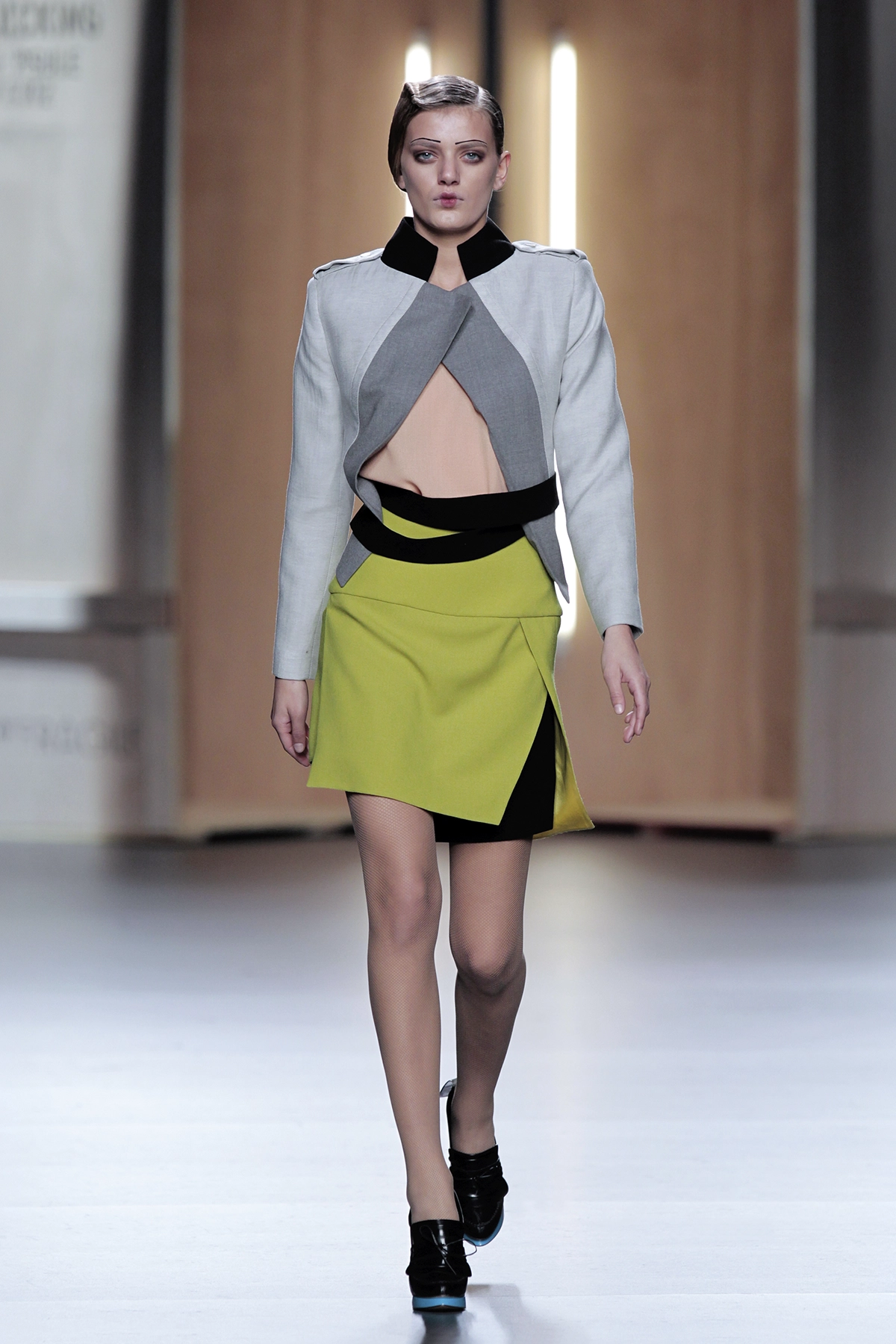
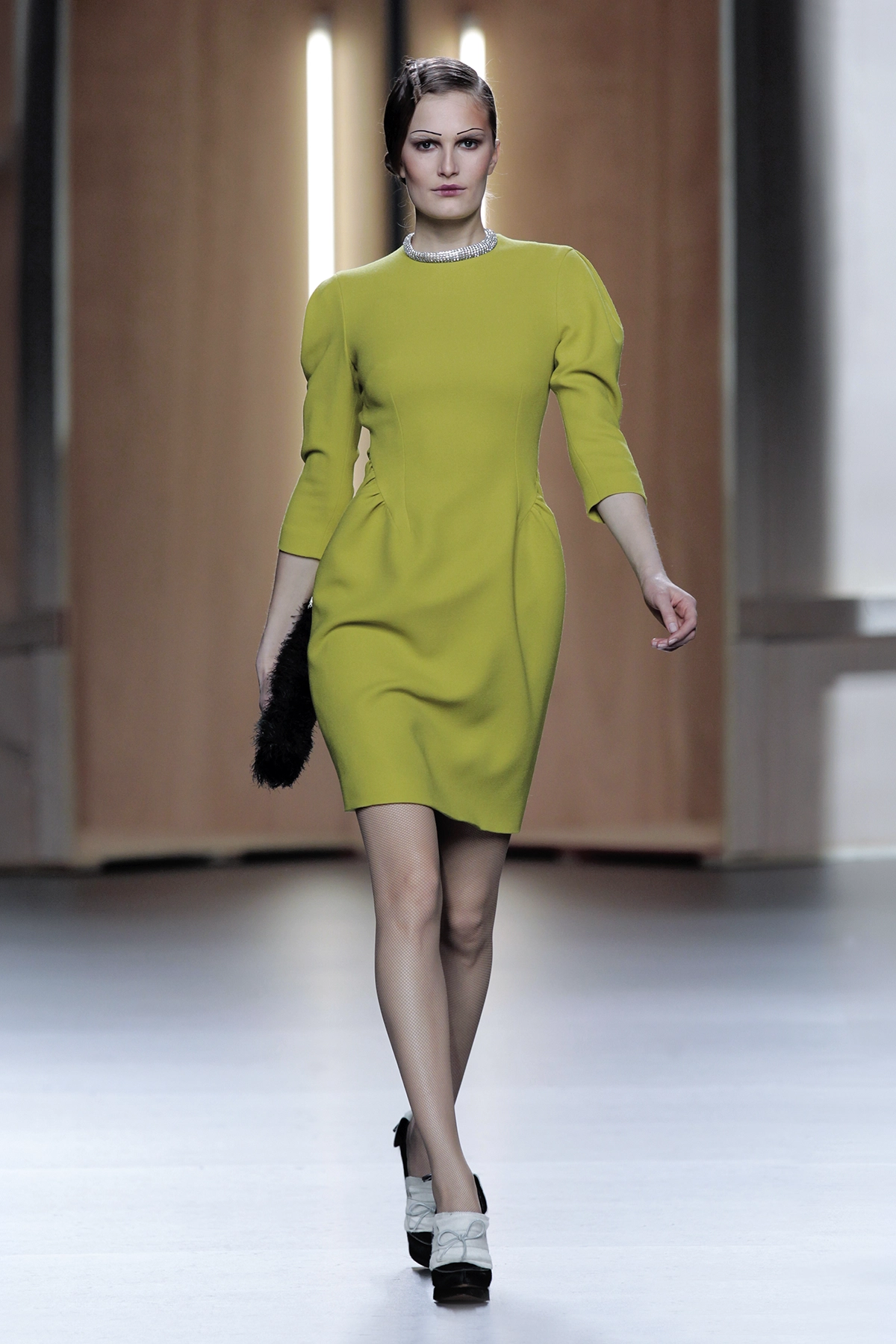
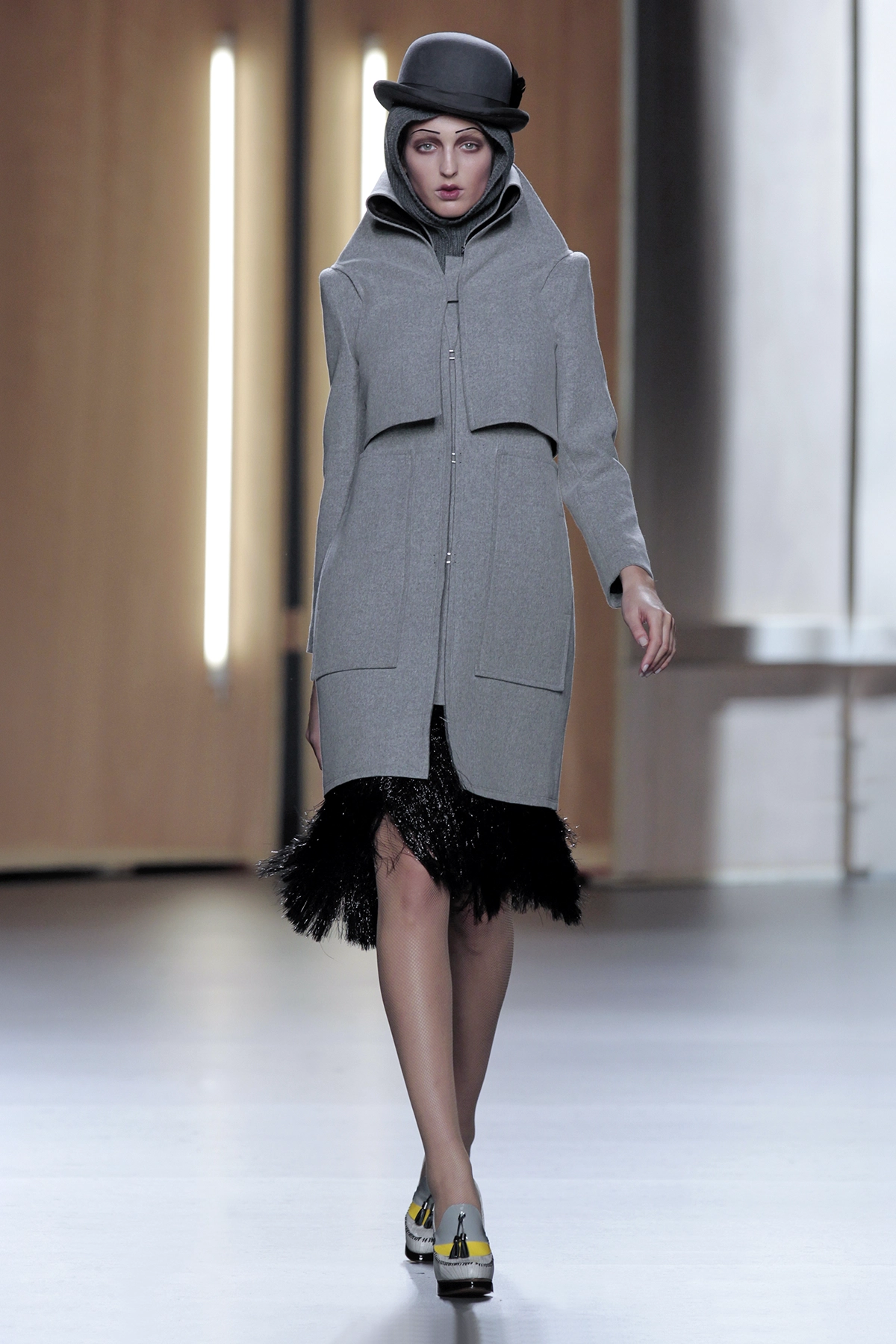
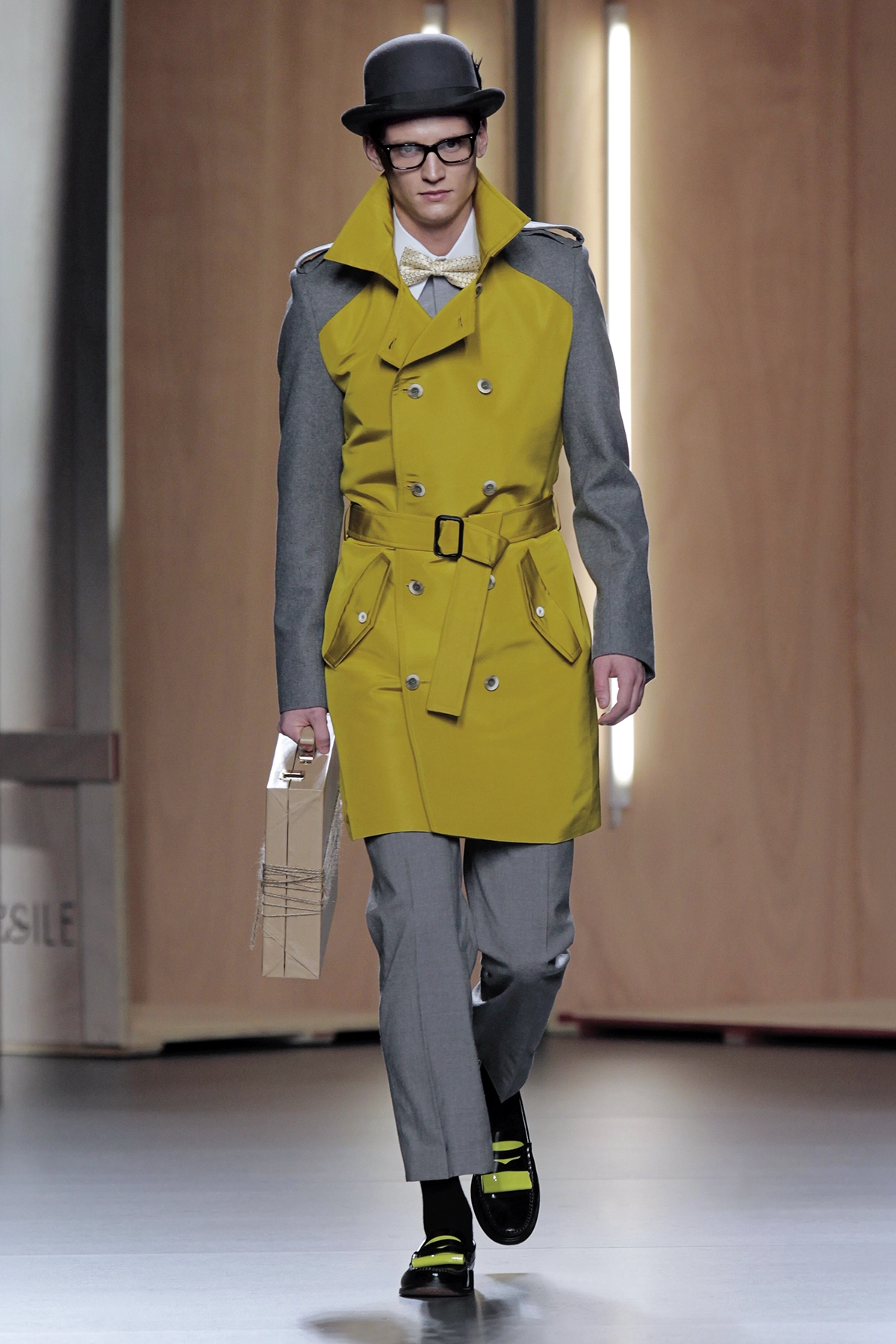
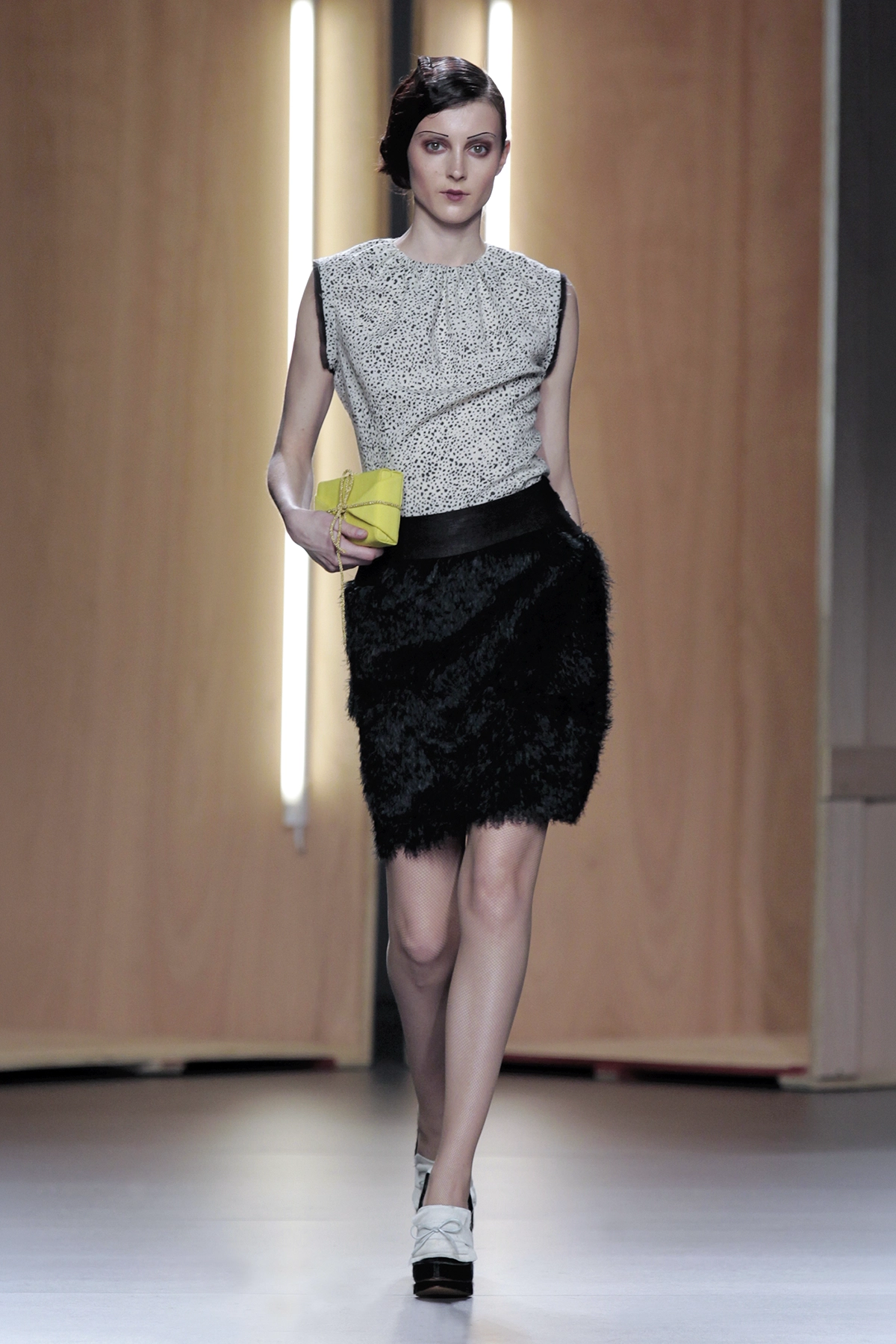
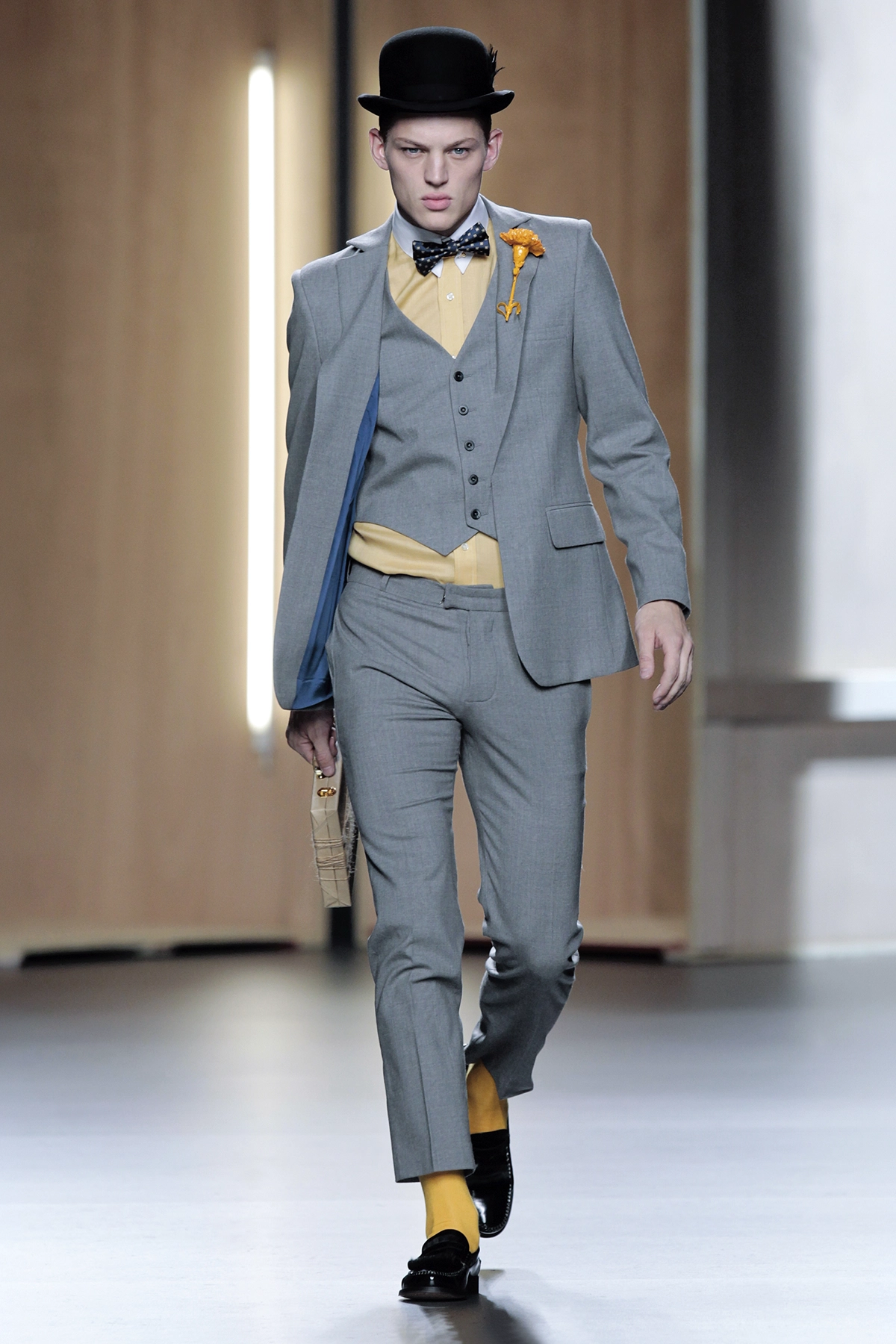
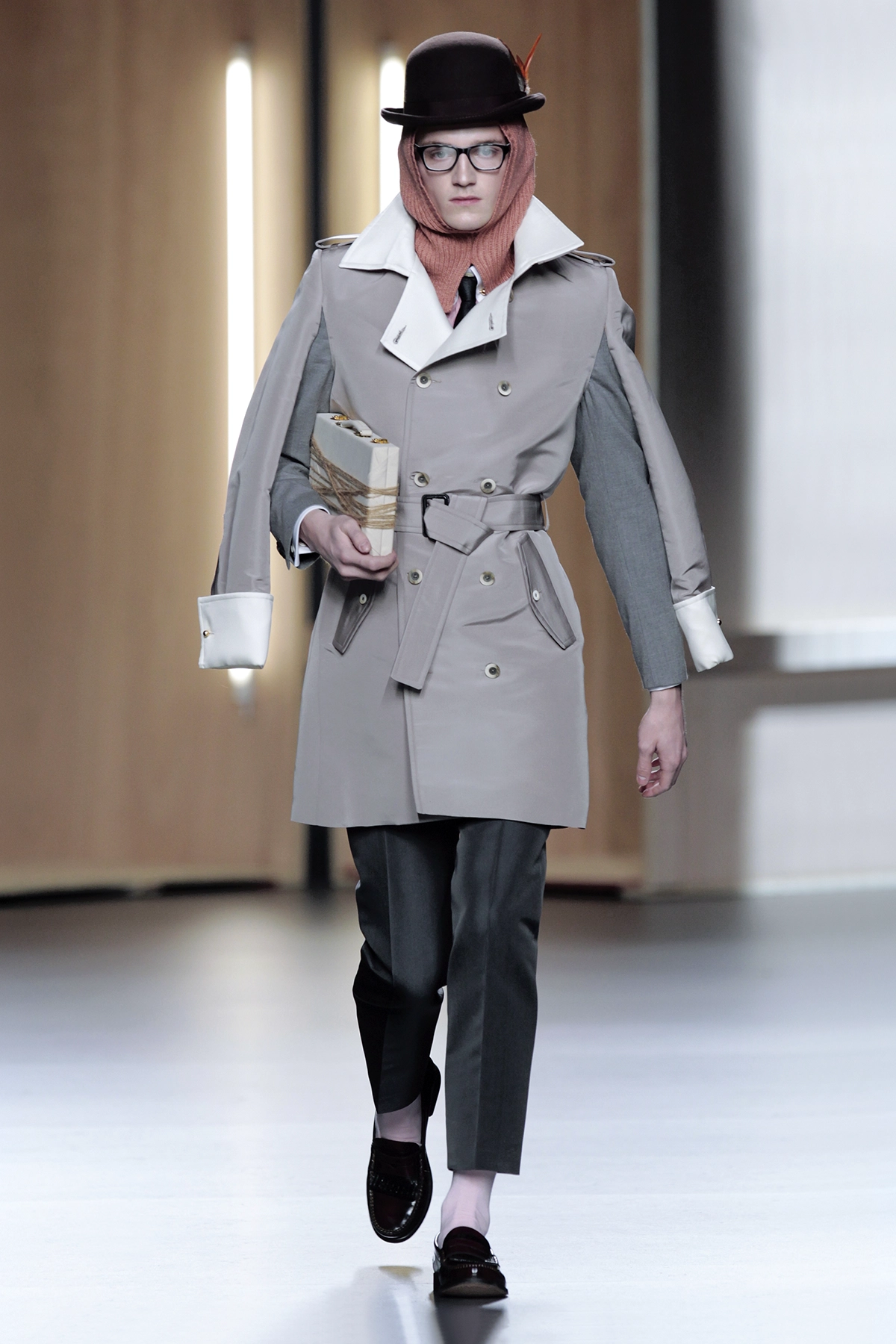
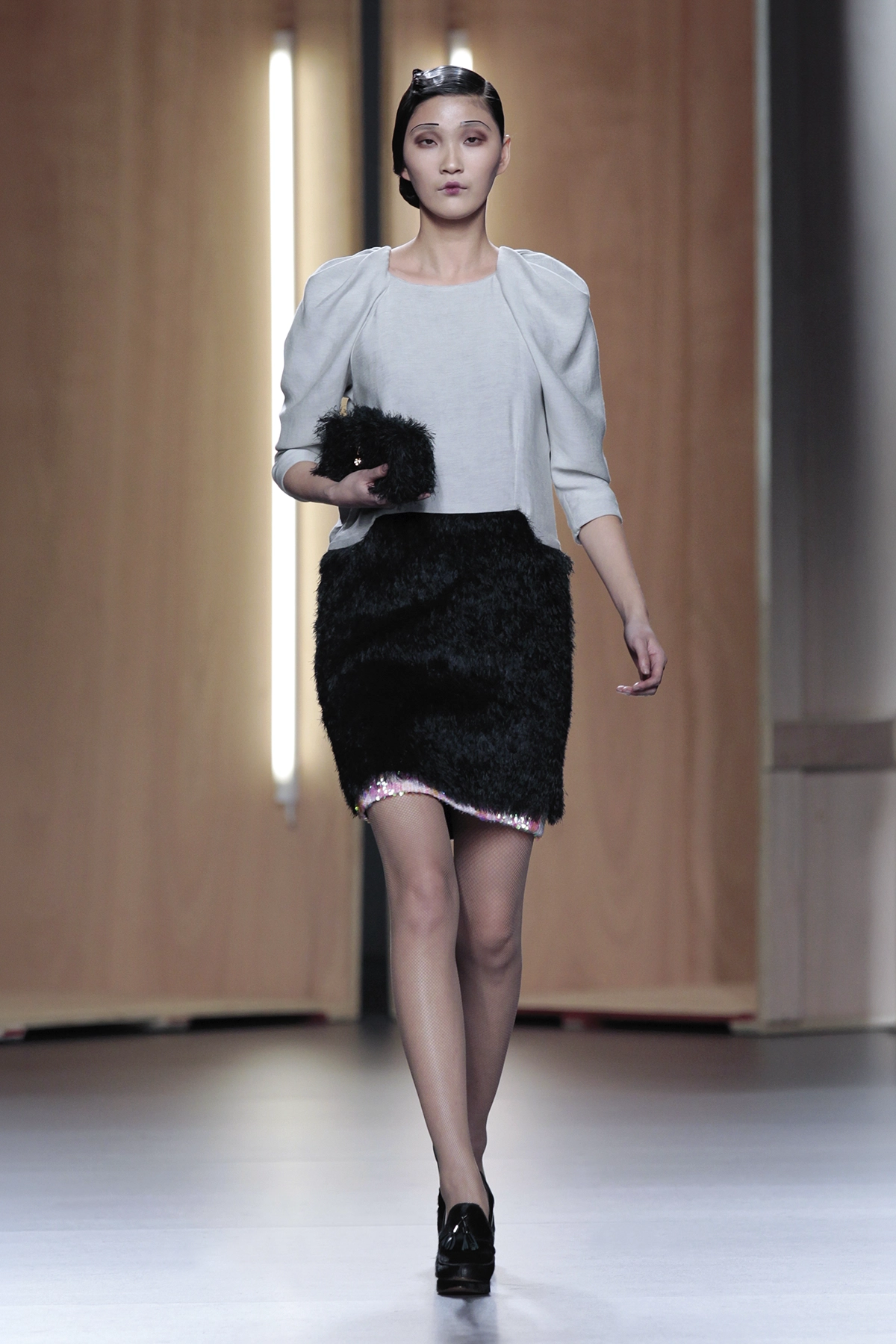
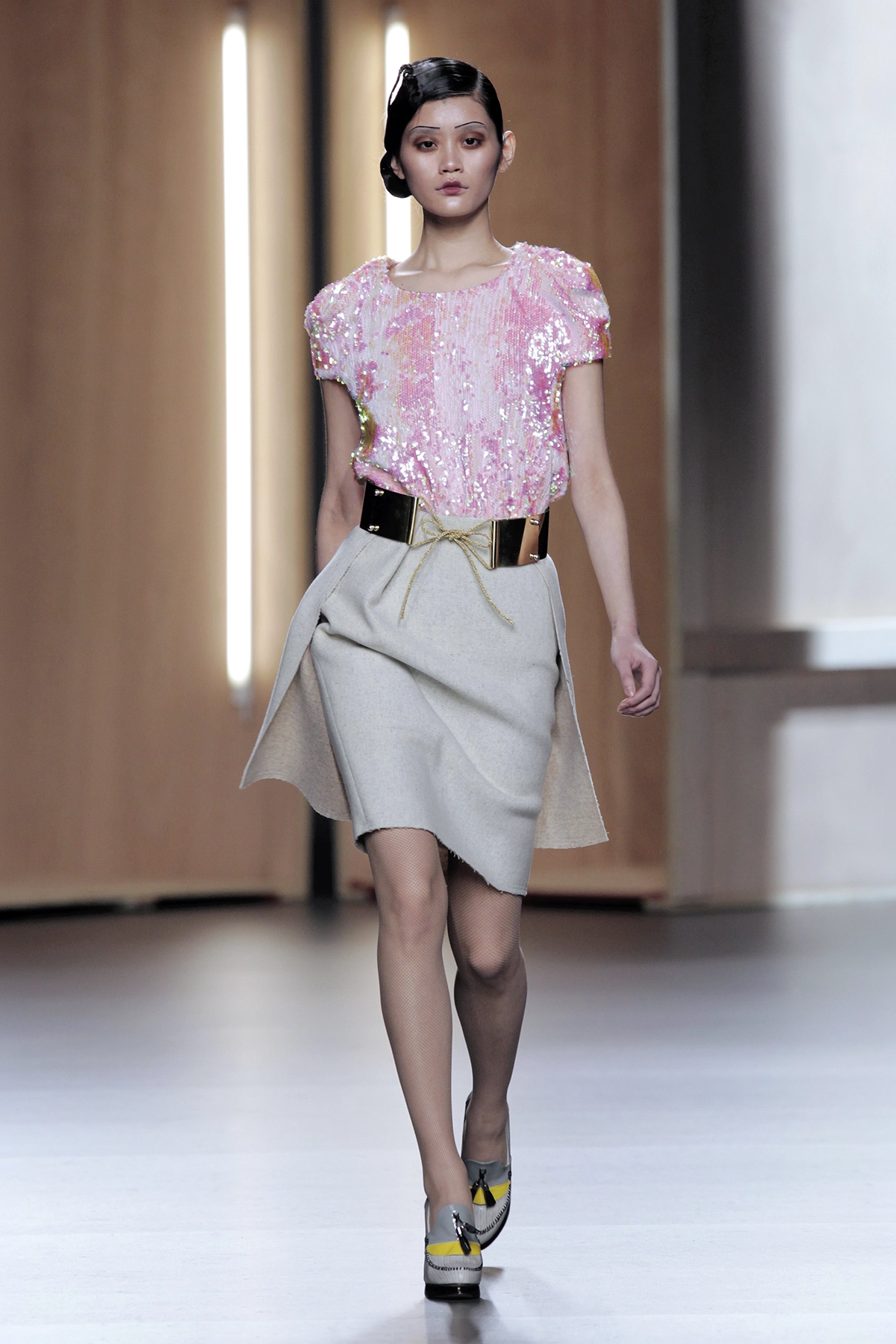
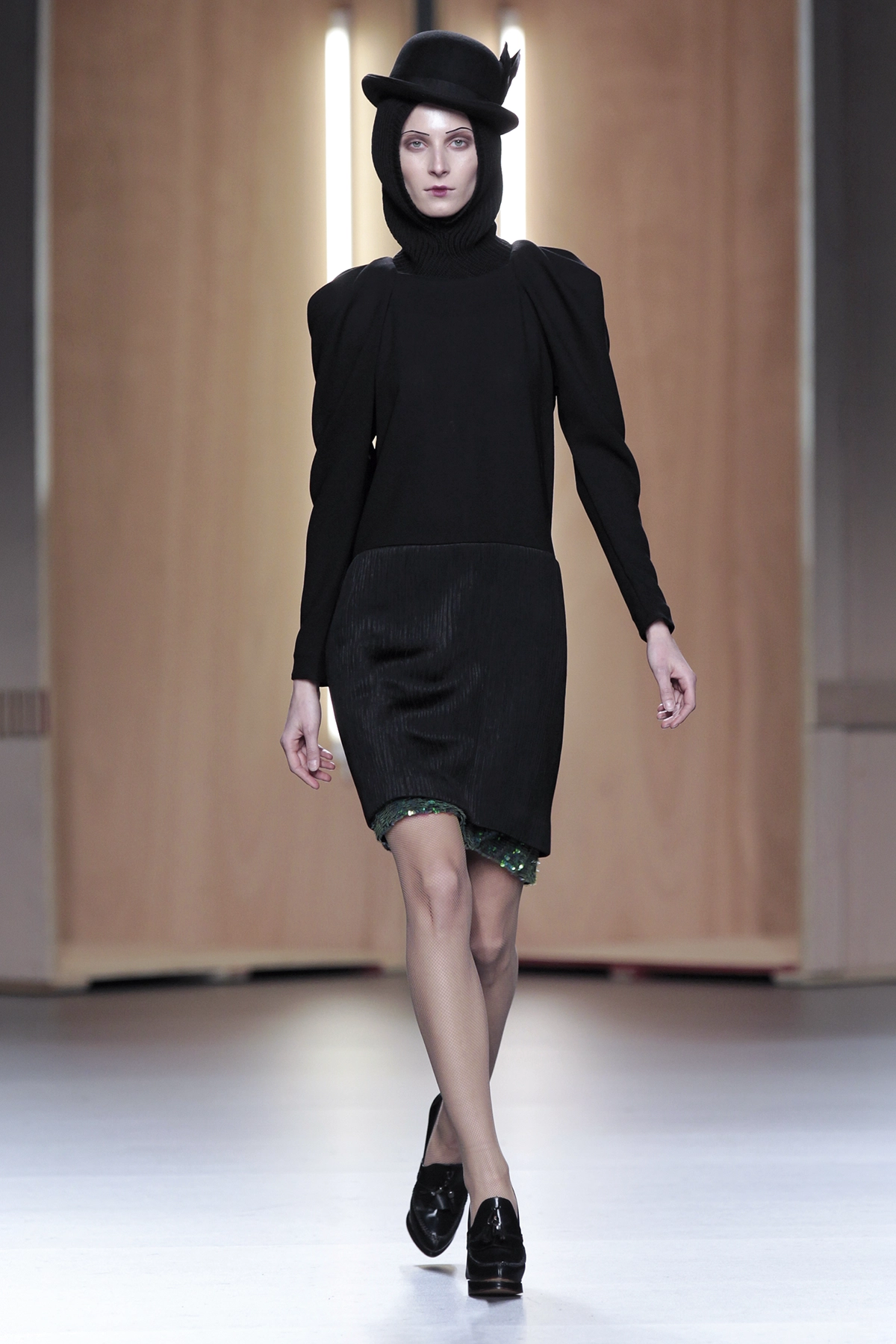
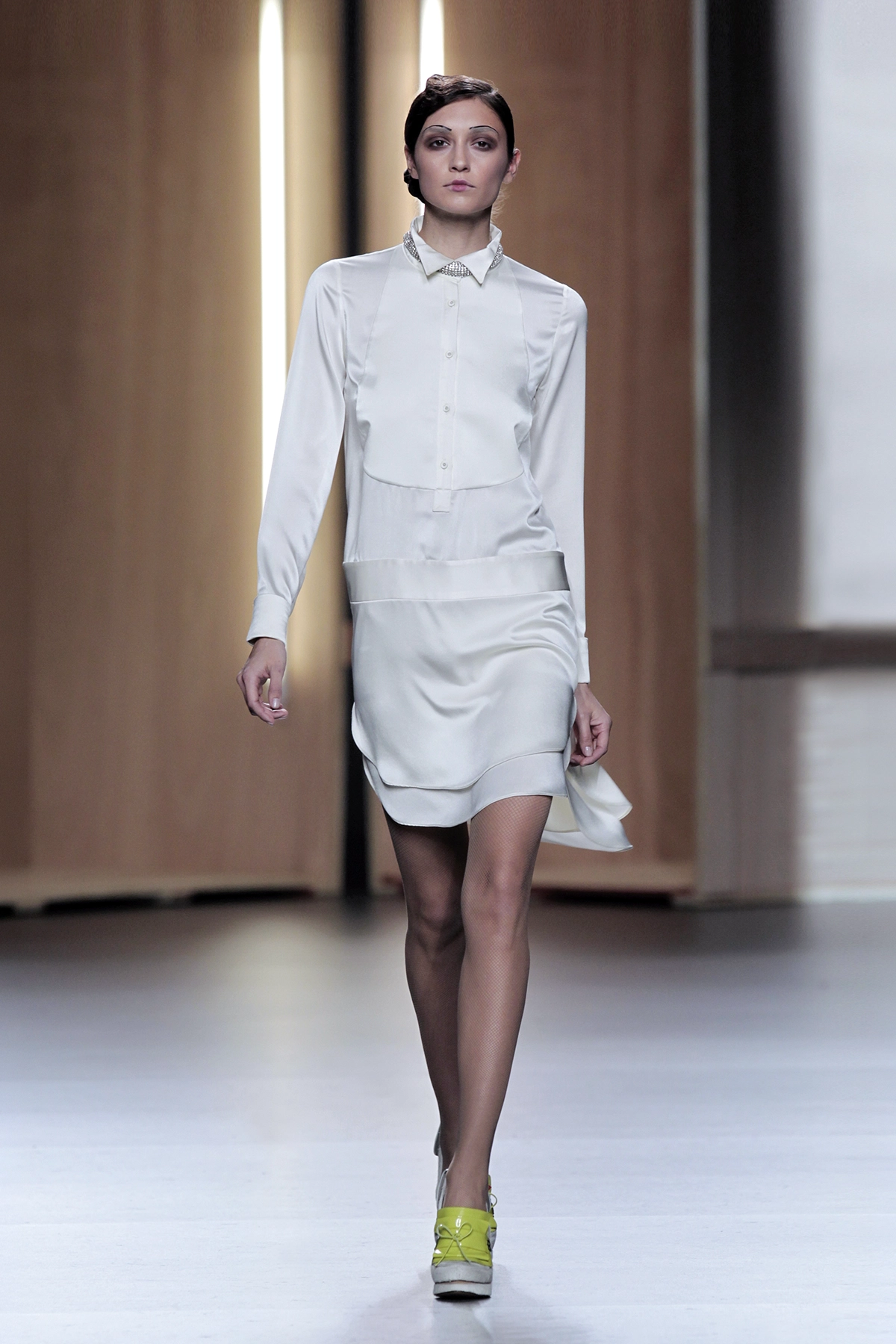
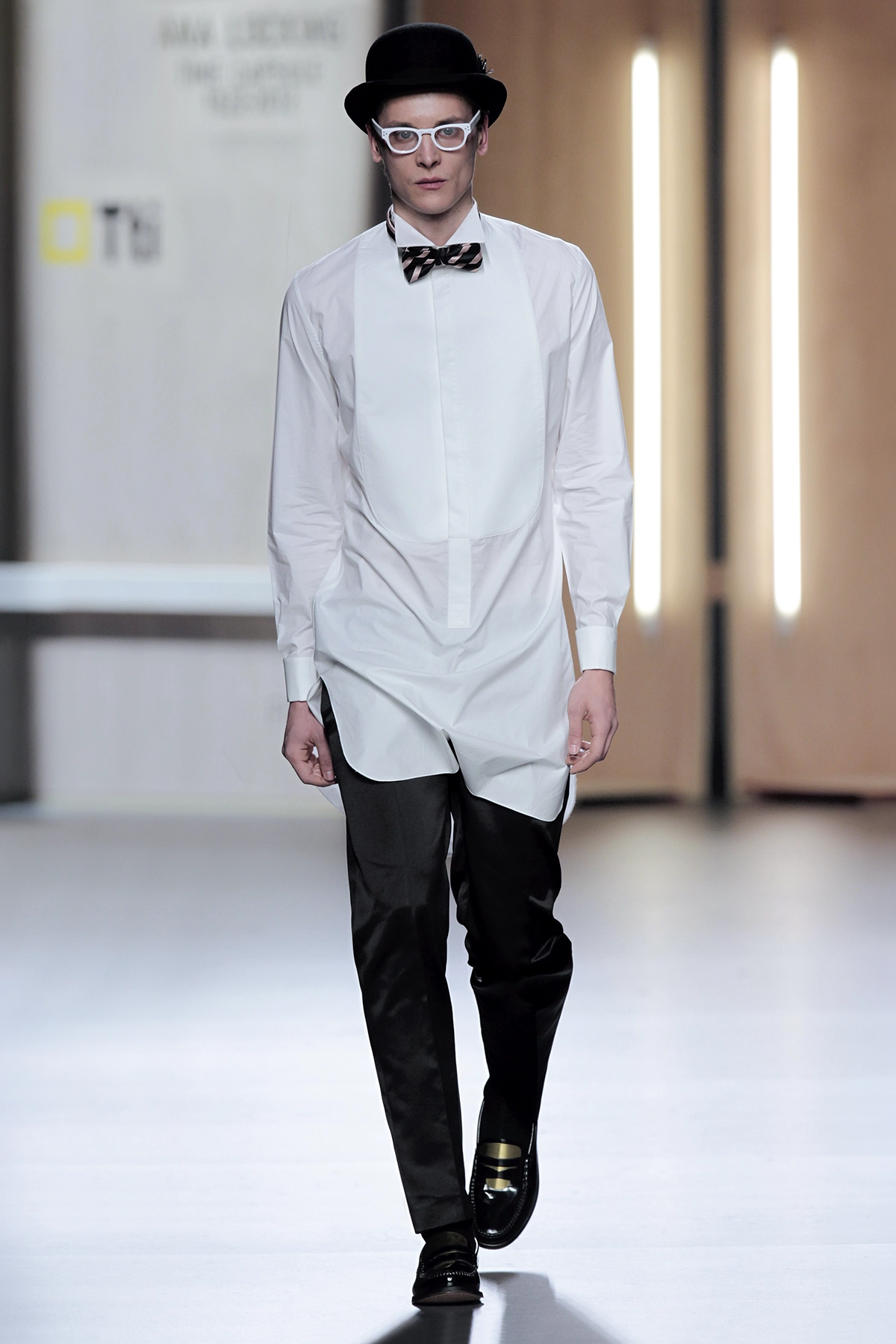
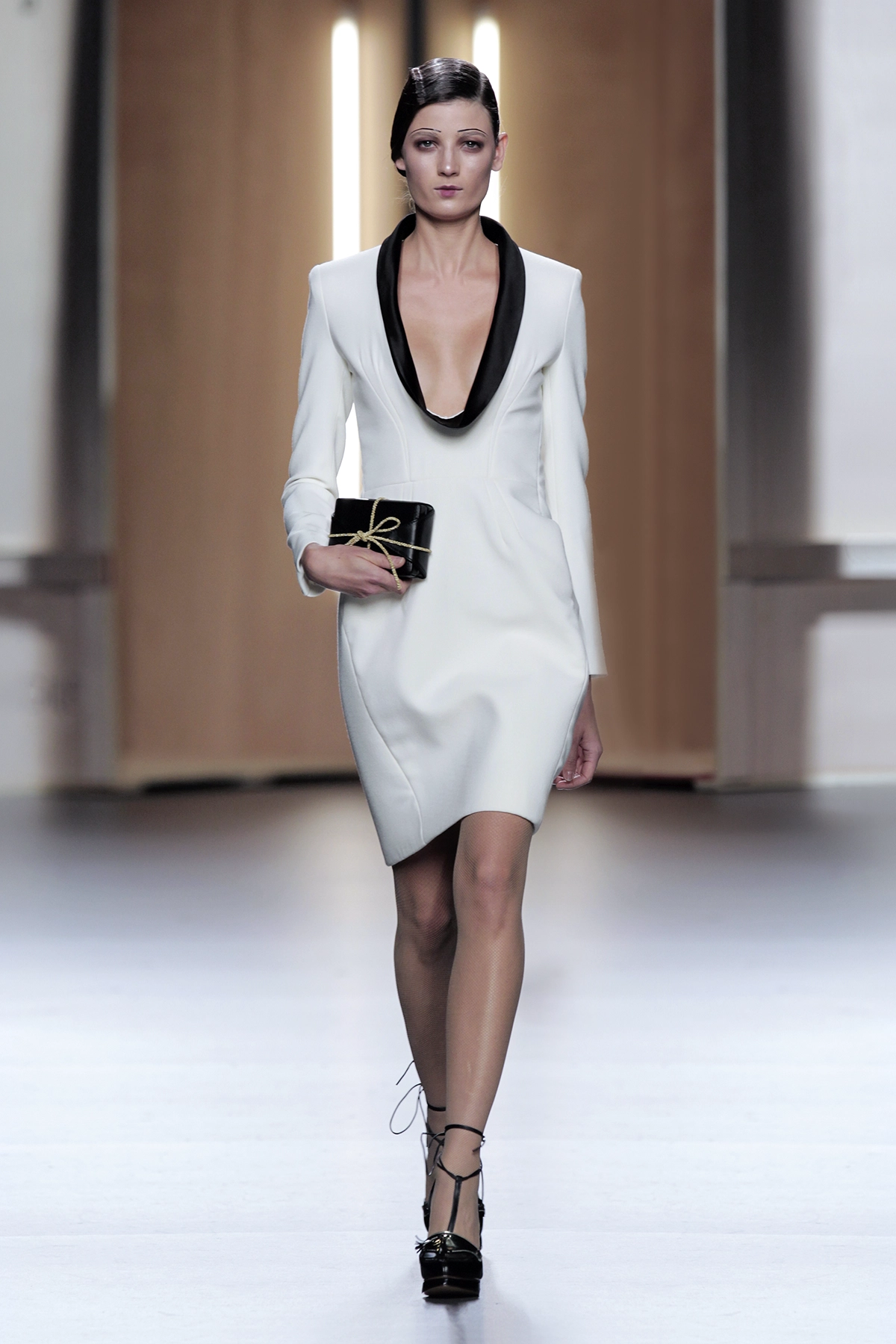
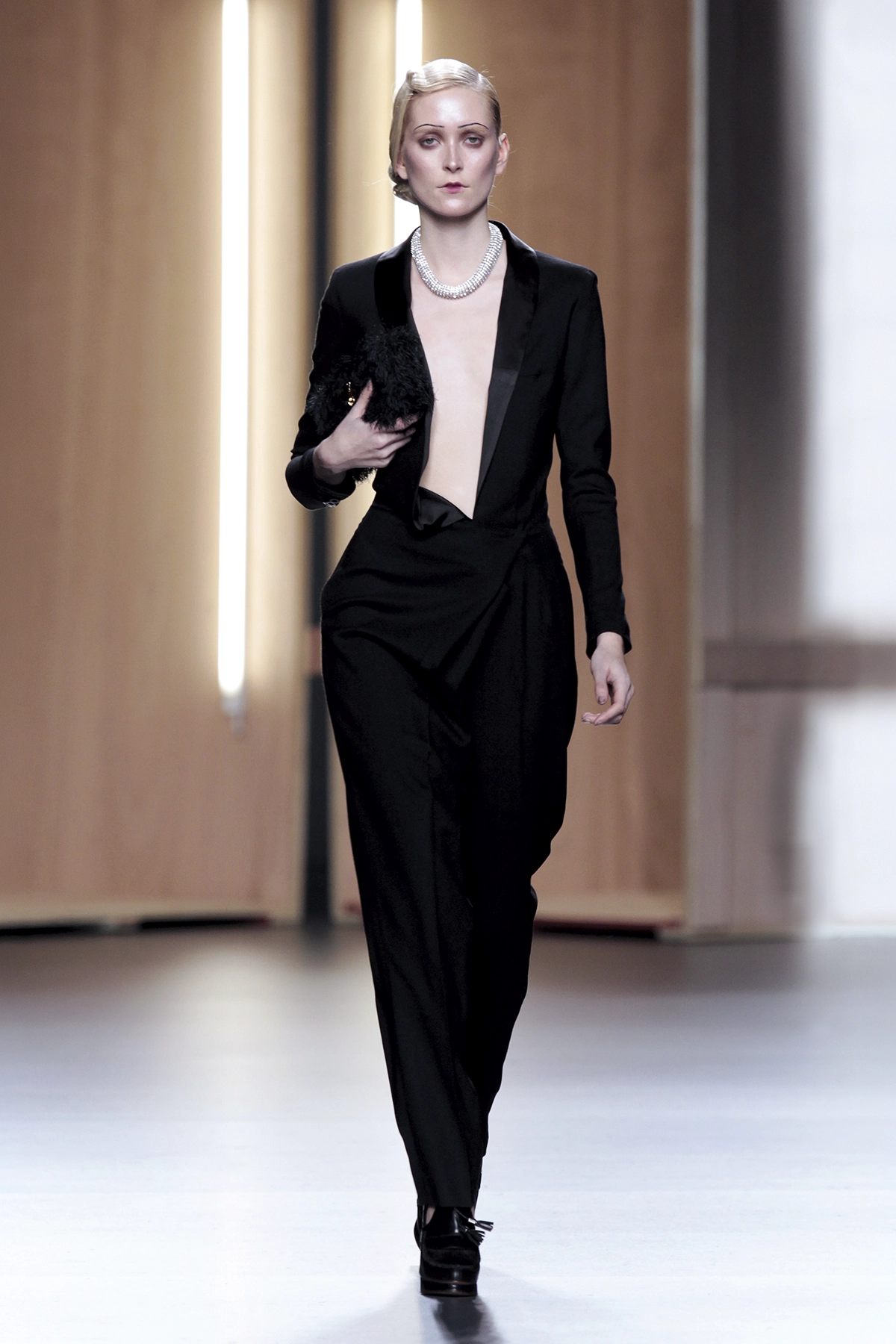
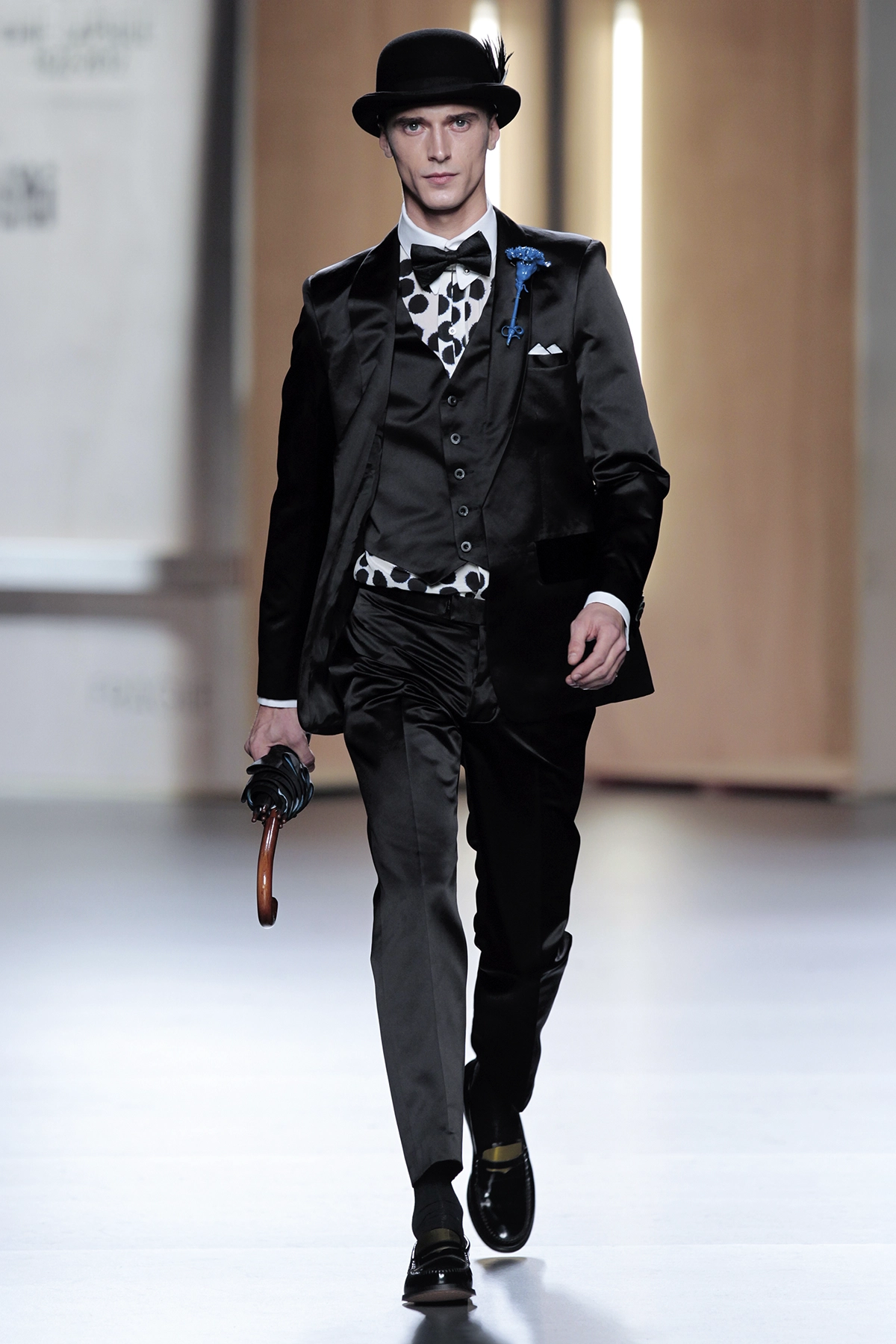
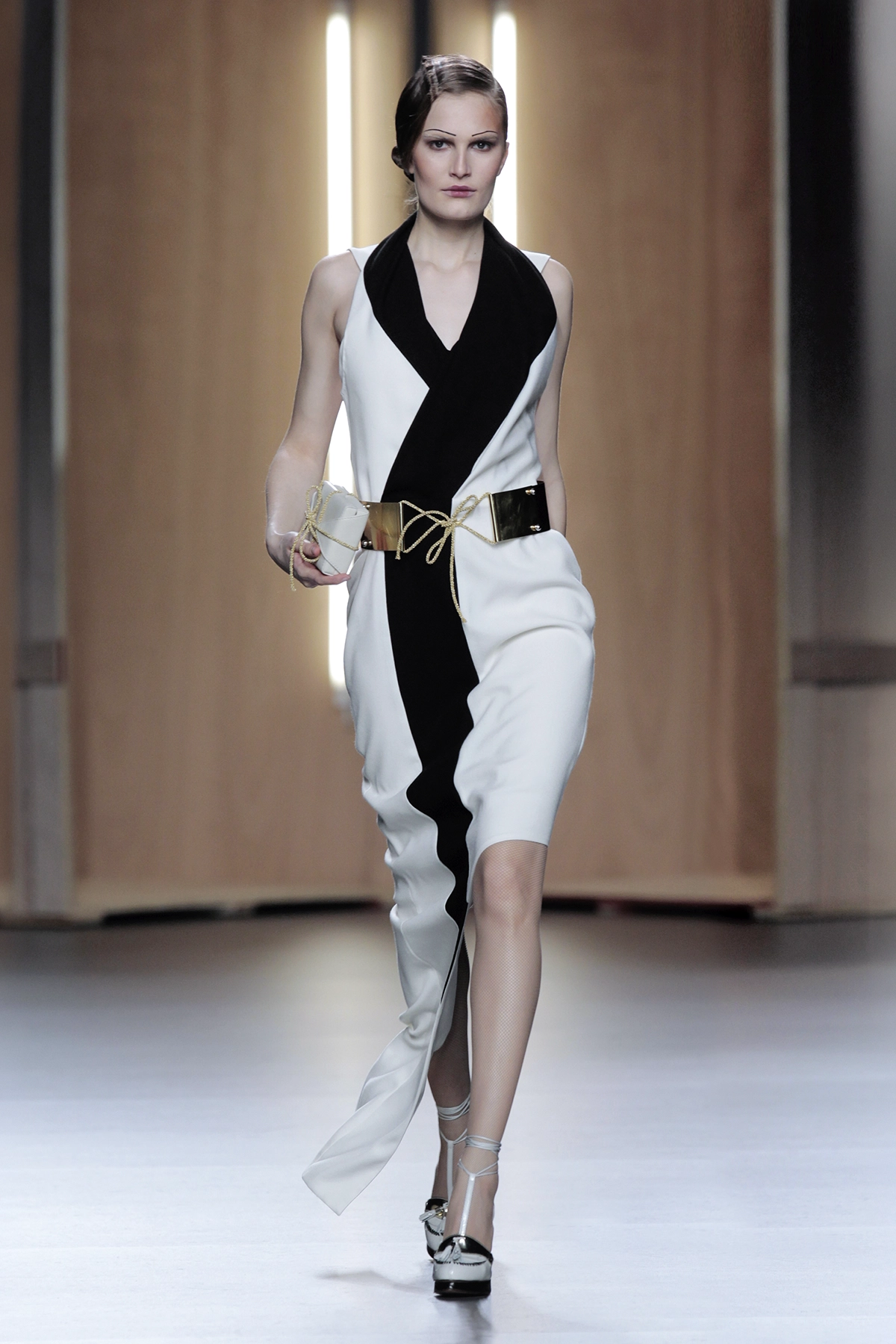
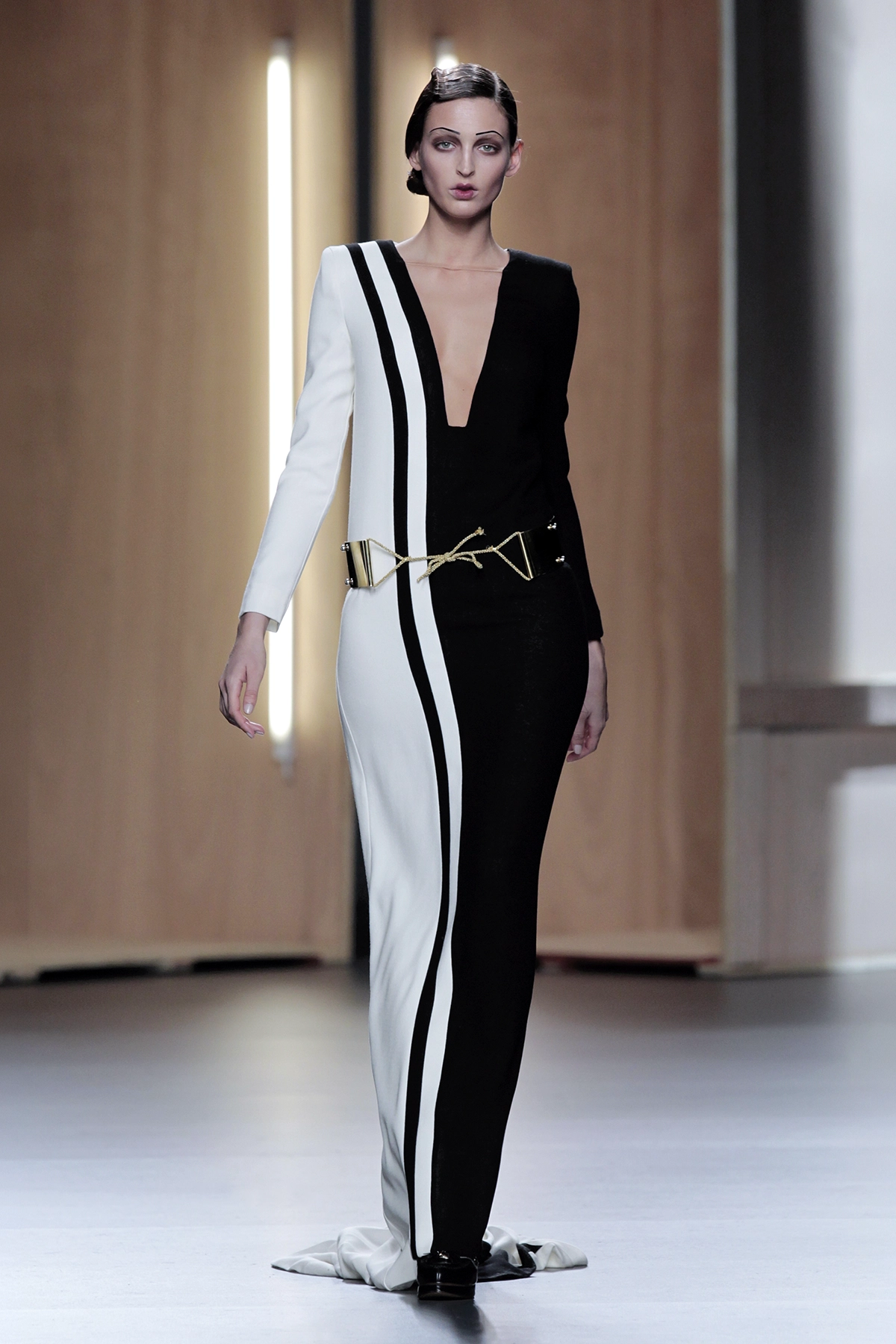
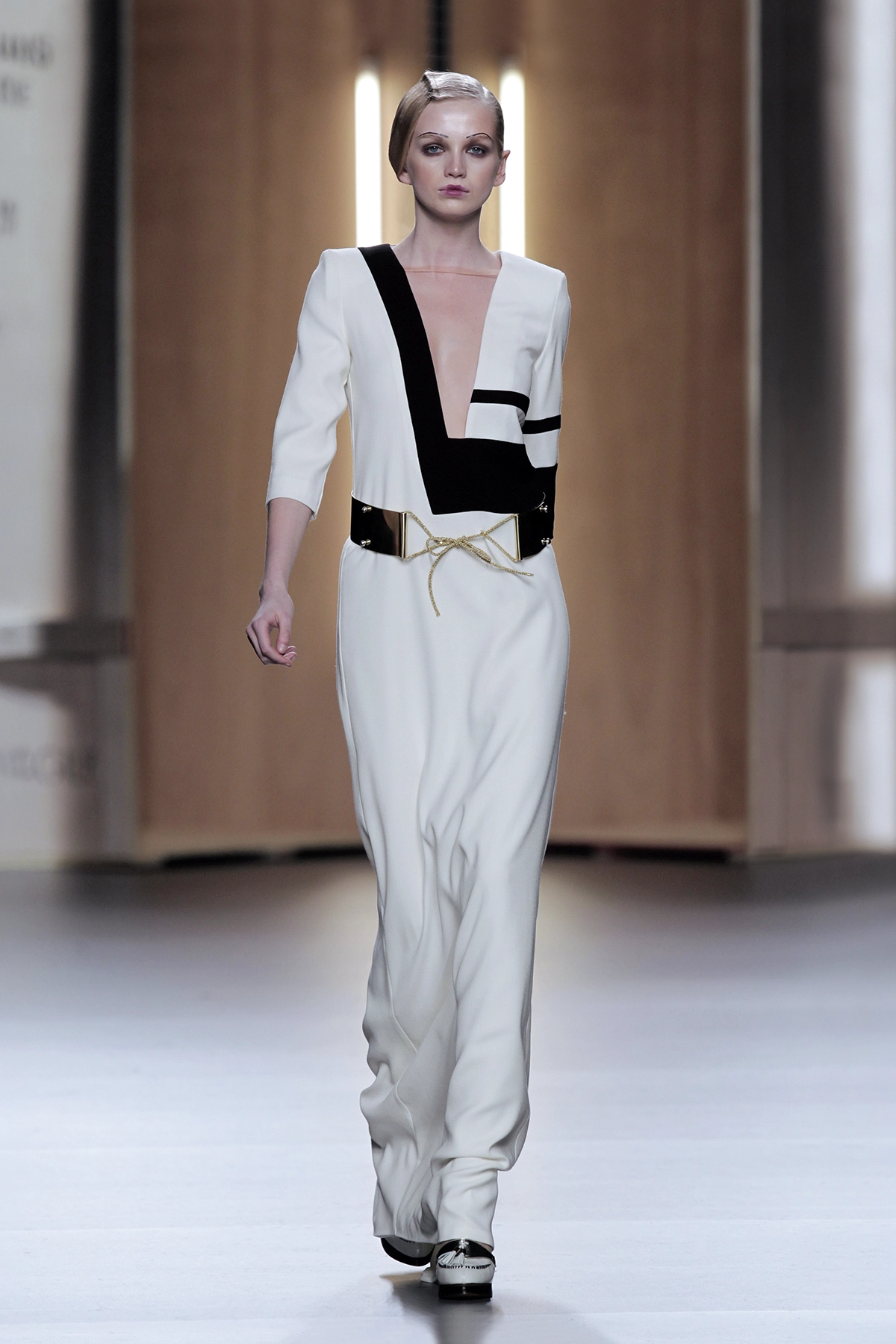
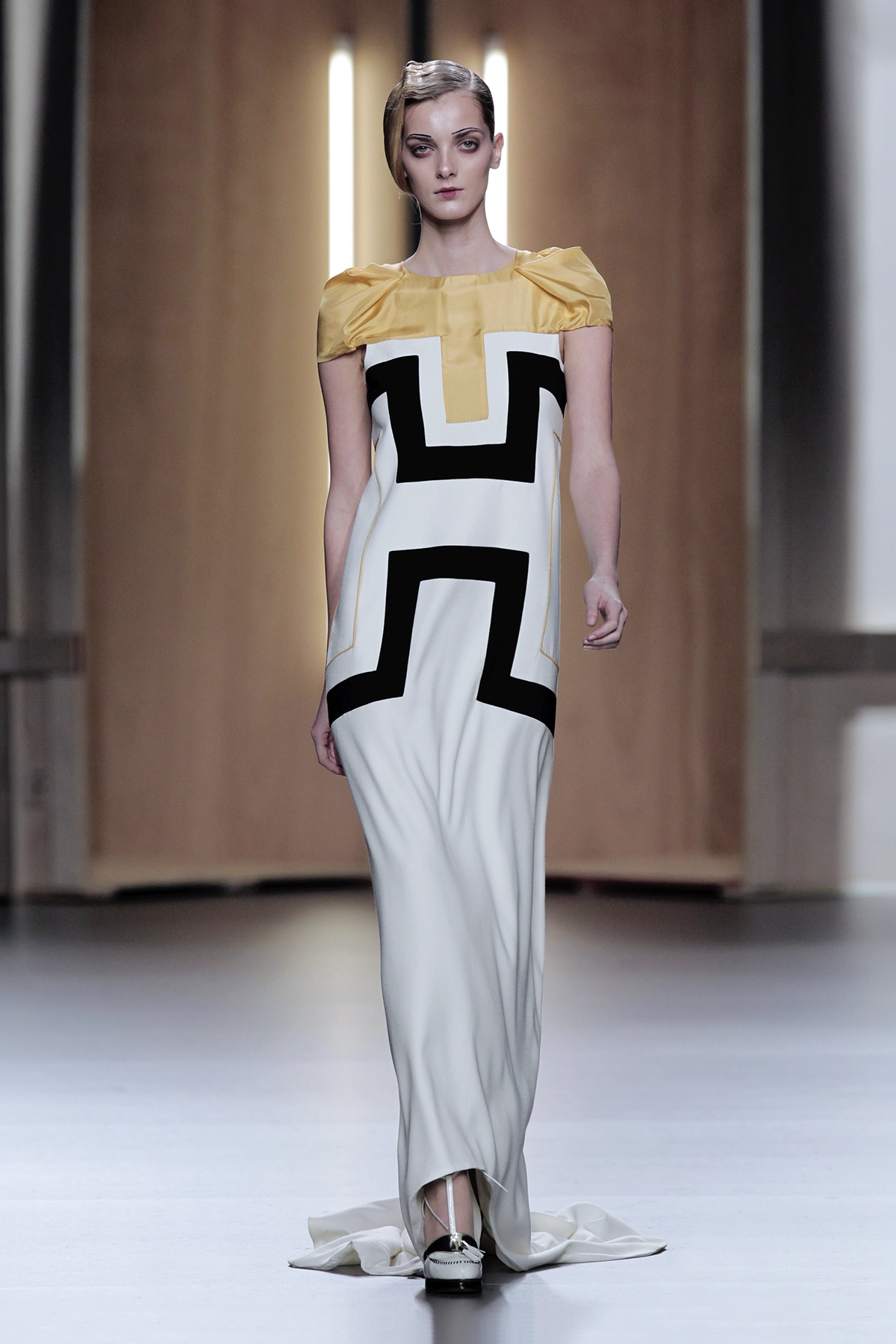
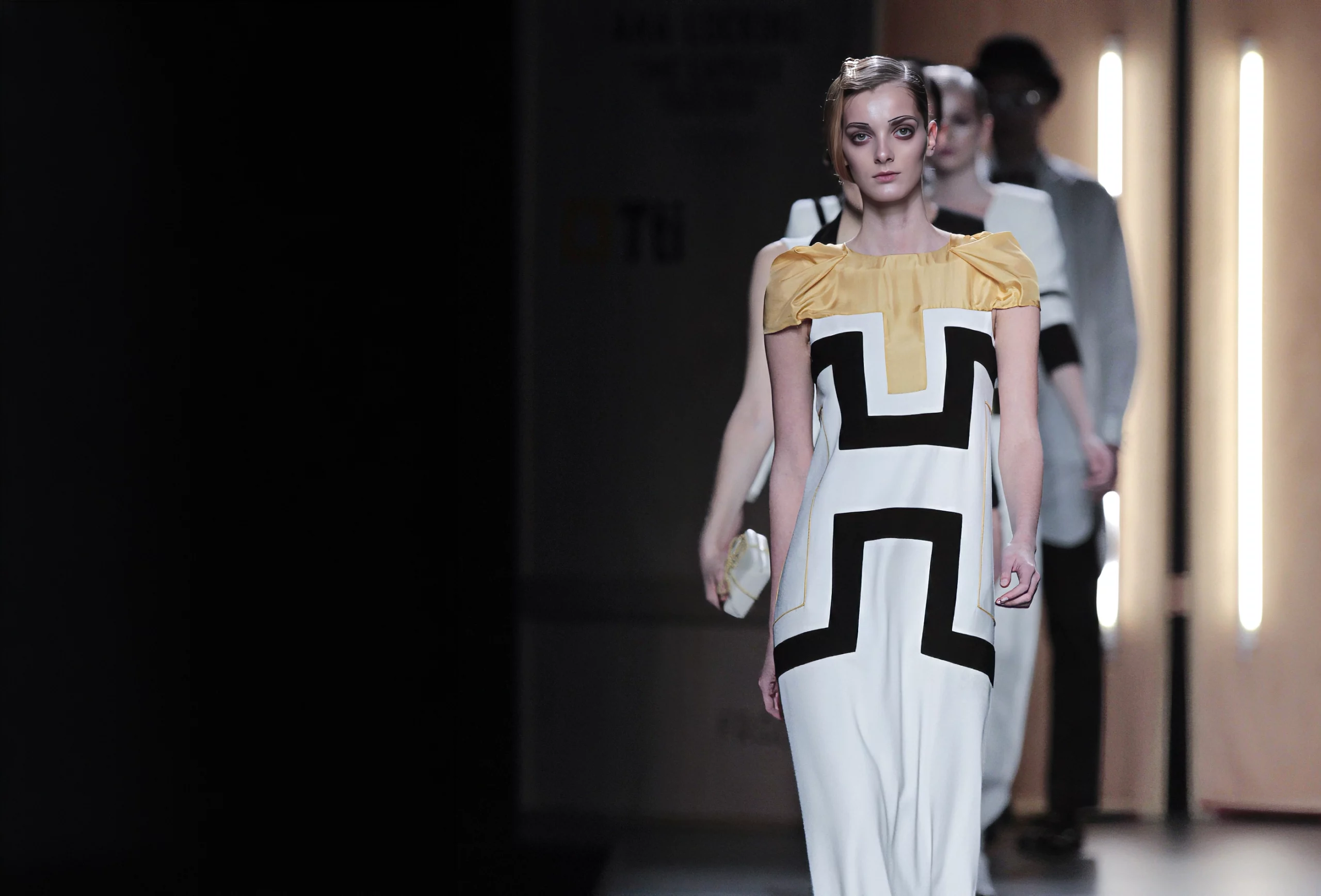
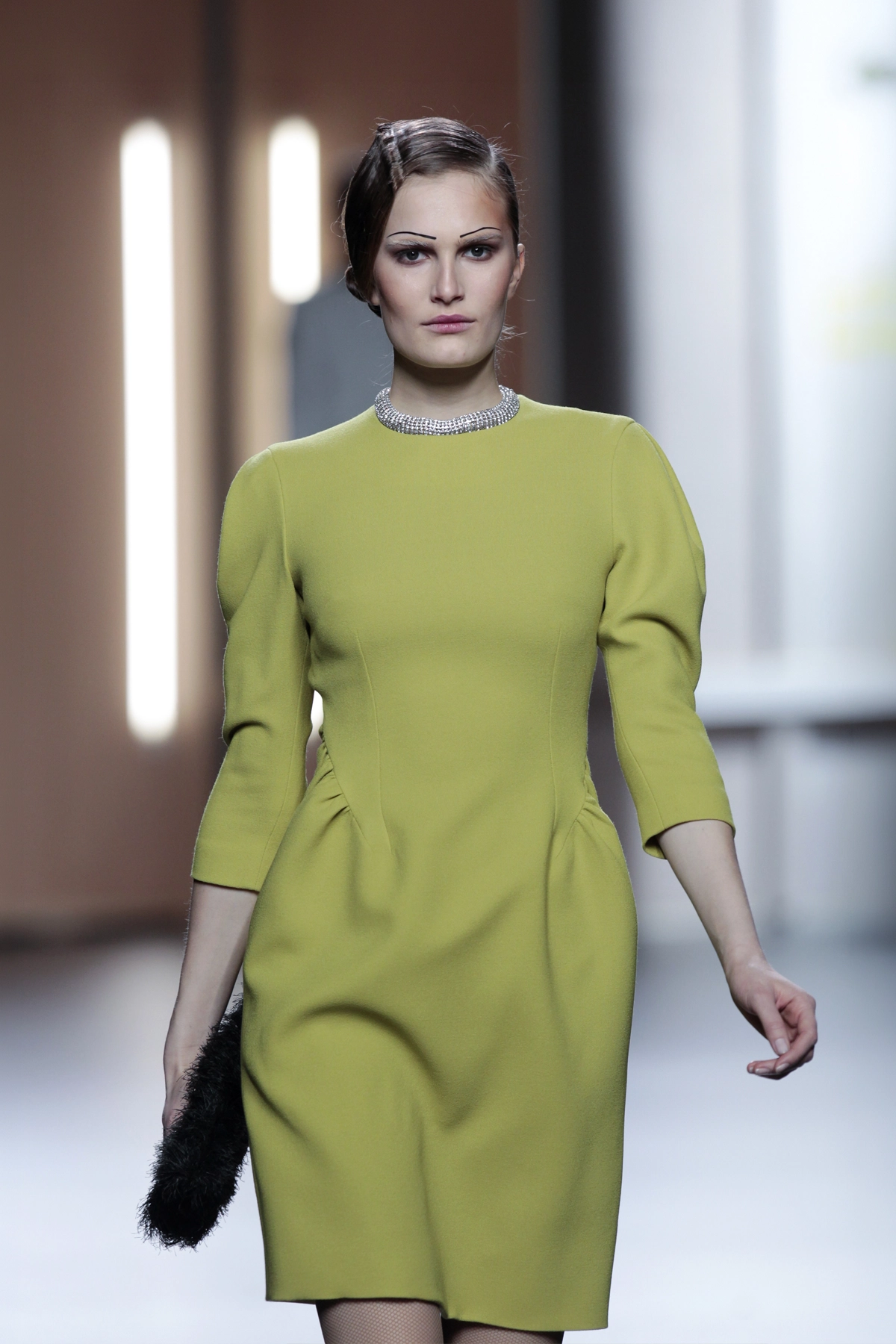
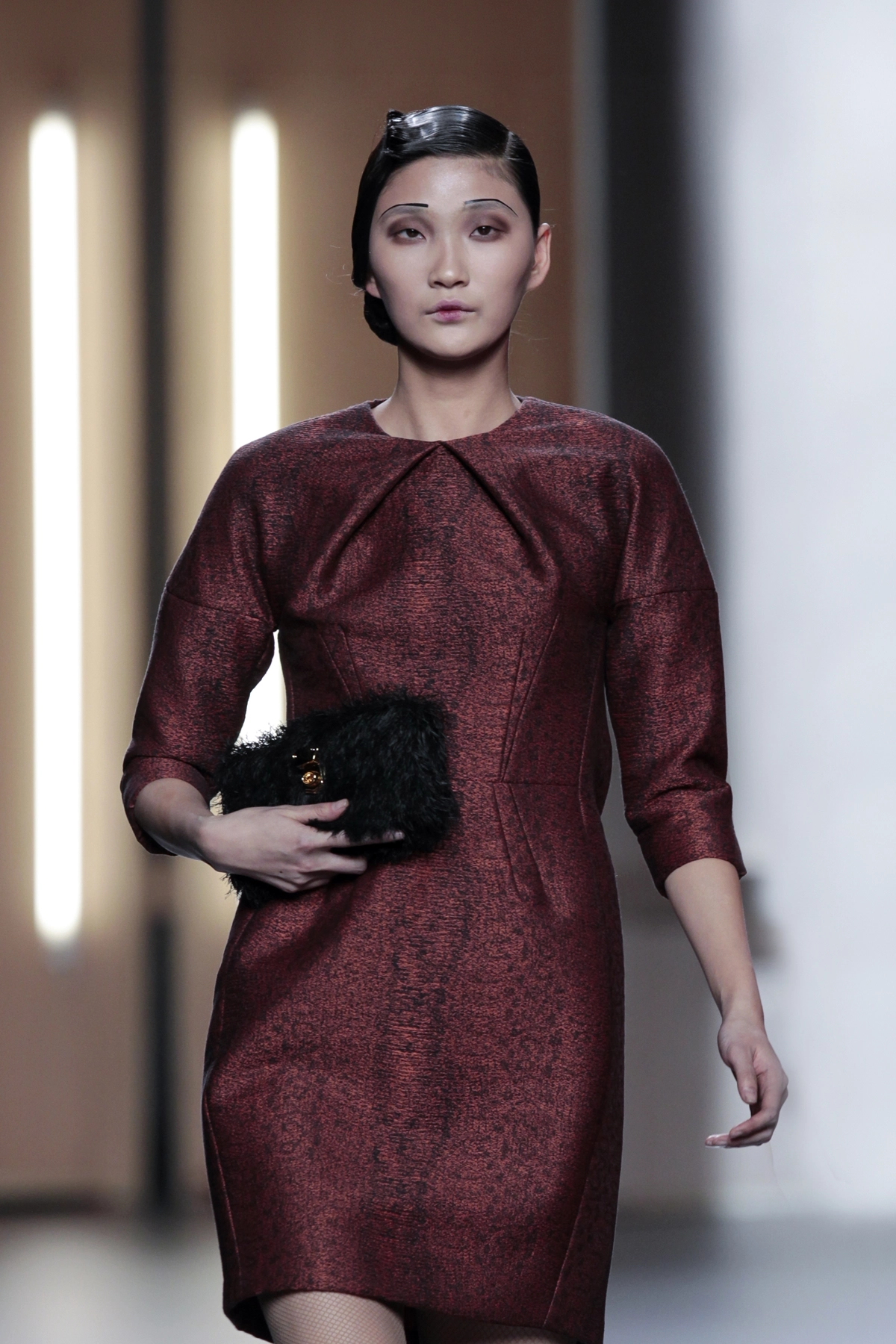
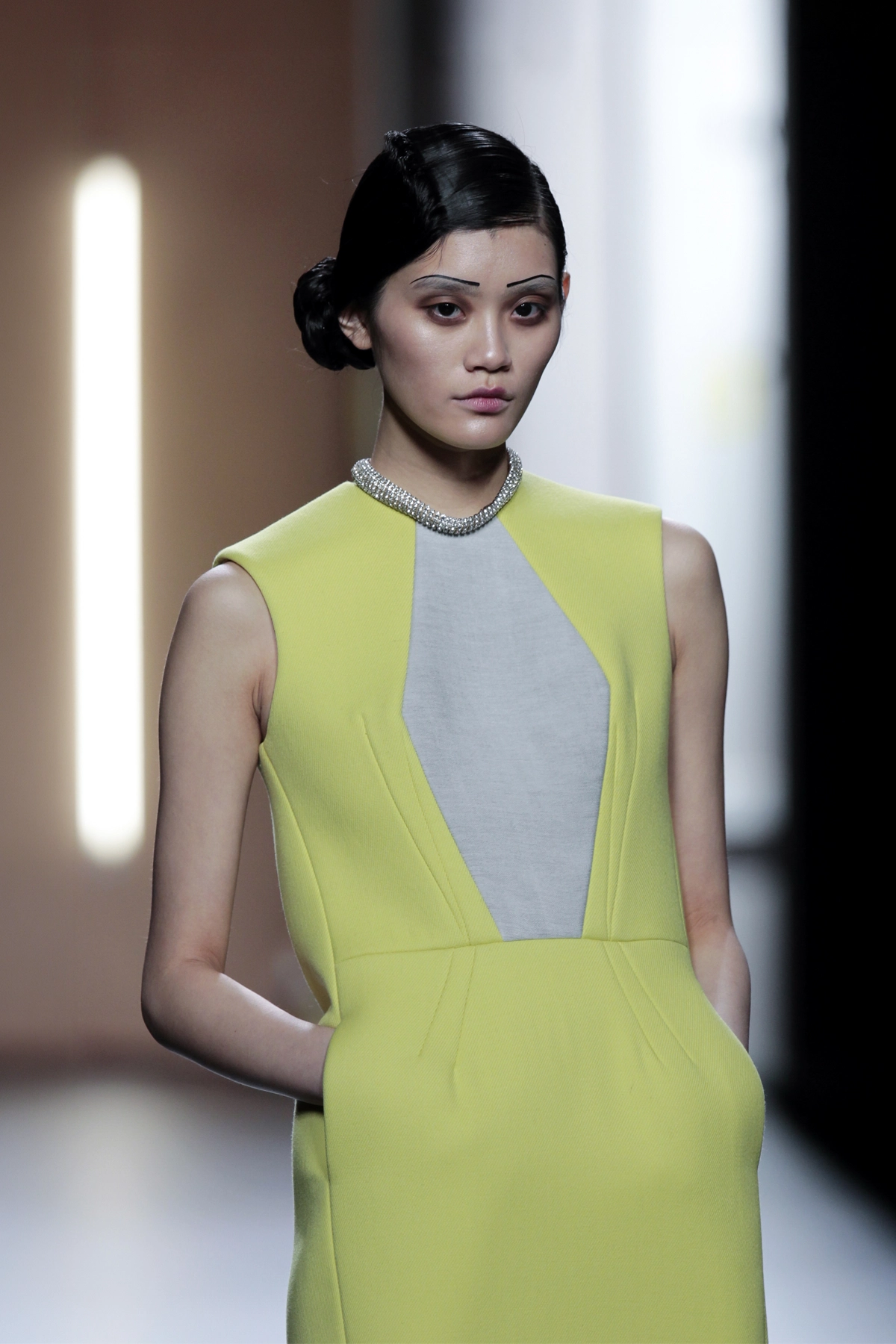
The collection proposes an encounter between two eras separated by almost a century: our most recent decade and the American 1920s—the so-called Roaring Twenties—defined by prosperity, excess, and a speculative bubble that culminated in the crash of 1929 and the Great Depression of the 1930s. A capsule sealed in 1922 that, when opened ninety years later, reveals an unsettling resemblance to our own present.
Sometimes the future is also the past. Time Capsule explores this temporal symmetry: a constant back-and-forth between decades, styles, and ways of living. Forgetting in order to remember. Projecting the future through the past. Realising that, across centuries, human beings repeat the same repertoire: they love and conspire, create and destroy, trade and wage war, grow rich and fall poor, dream and doubt, celebrate, seize power, fall ill, and die. History changes its scenery, but not its protagonists.
Life is always a collision of past, present, and future. We are not only what we have been, but also what we long to become. And those who fail to imagine their own future inevitably end up living inside someone else’s.
There are no new propositions without memory. The present alone is an endless monotony—we need a horizon, an idea of the future that propels us forward and gives meaning to the now.
Time Capsule embodies that spirit as a quiet yet potent metaphor: a promise cast into the future, a reminder that everything we are—what we preserve, what we abandon—is always destined to be rediscovered.
A time capsule is a sealed container that preserves messages and objects meant to be discovered by future generations. An act of faith in what is yet to come, a form of dialogue between the present and those who do not yet exist.
In Time Capsule, this metaphor becomes an aesthetic and emotional exercise: a reflection on the ephemeral—on what disappears and what endures, on how customs transform and yet endlessly repeat themselves. Time appears as a thread that breaks and knots again, binding distant lives into a single weave.
The collection proposes an encounter between two eras separated by almost a century: our most recent decade and the American 1920s—the so-called Roaring Twenties—defined by prosperity, excess, and a speculative bubble that culminated in the crash of 1929 and the Great Depression of the 1930s. A capsule sealed in 1922 that, when opened ninety years later, reveals an unsettling resemblance to our own present.
Sometimes the future is also the past. Time Capsule explores this temporal symmetry: a constant back-and-forth between decades, styles, and ways of living. Forgetting in order to remember. Projecting the future through the past. Realising that, across centuries, human beings repeat the same repertoire: they love and conspire, create and destroy, trade and wage war, grow rich and fall poor, dream and doubt, celebrate, seize power, fall ill, and die. History changes its scenery, but not its protagonists.
Life is always a collision of past, present, and future. We are not only what we have been, but also what we long to become. And those who fail to imagine their own future inevitably end up living inside someone else’s.
There are no new propositions without memory. The present alone is an endless monotony—we need a horizon, an idea of the future that propels us forward and gives meaning to the now.
Time Capsule embodies that spirit as a quiet yet potent metaphor: a promise cast into the future, a reminder that everything we are—what we preserve, what we abandon—is always destined to be rediscovered.
*
There are no new propositions without memory. The present alone is an endless monotony
*