The challenge was to go beyond mere reconstruction, to create an iconic and memorable image that would dialogue with the script.
Scenic Costume Design
La Vida
Breve
*
*
When Ana Locking took on this project, she knew it had to be based on two fundamental principles: respect for the period and its historical context, and the conviction that the costumes should serve the narrative development of the characters. However, the real challenge was to go beyond faithful reconstruction to create an iconic and memorable image capable of actively interacting with the script.
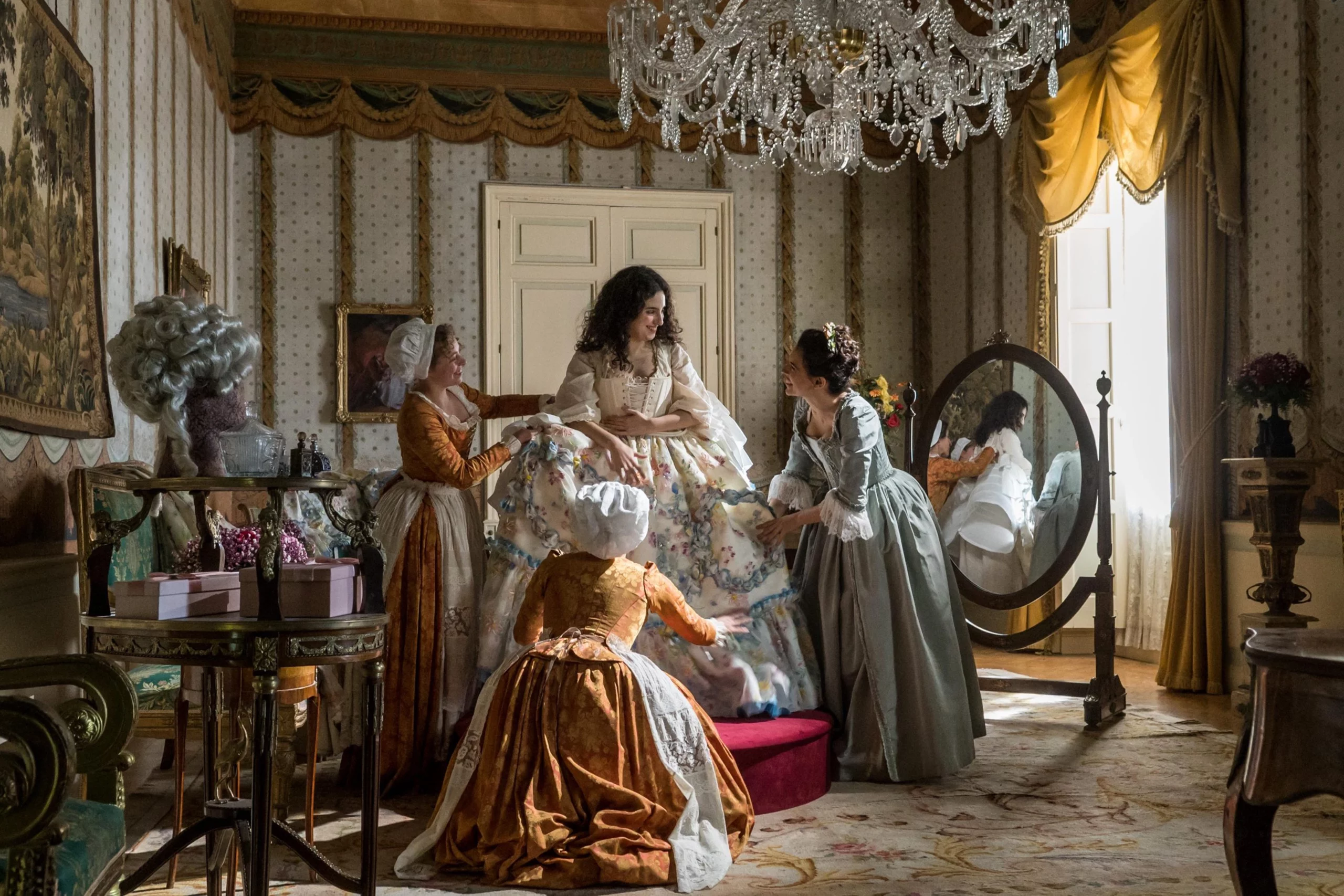
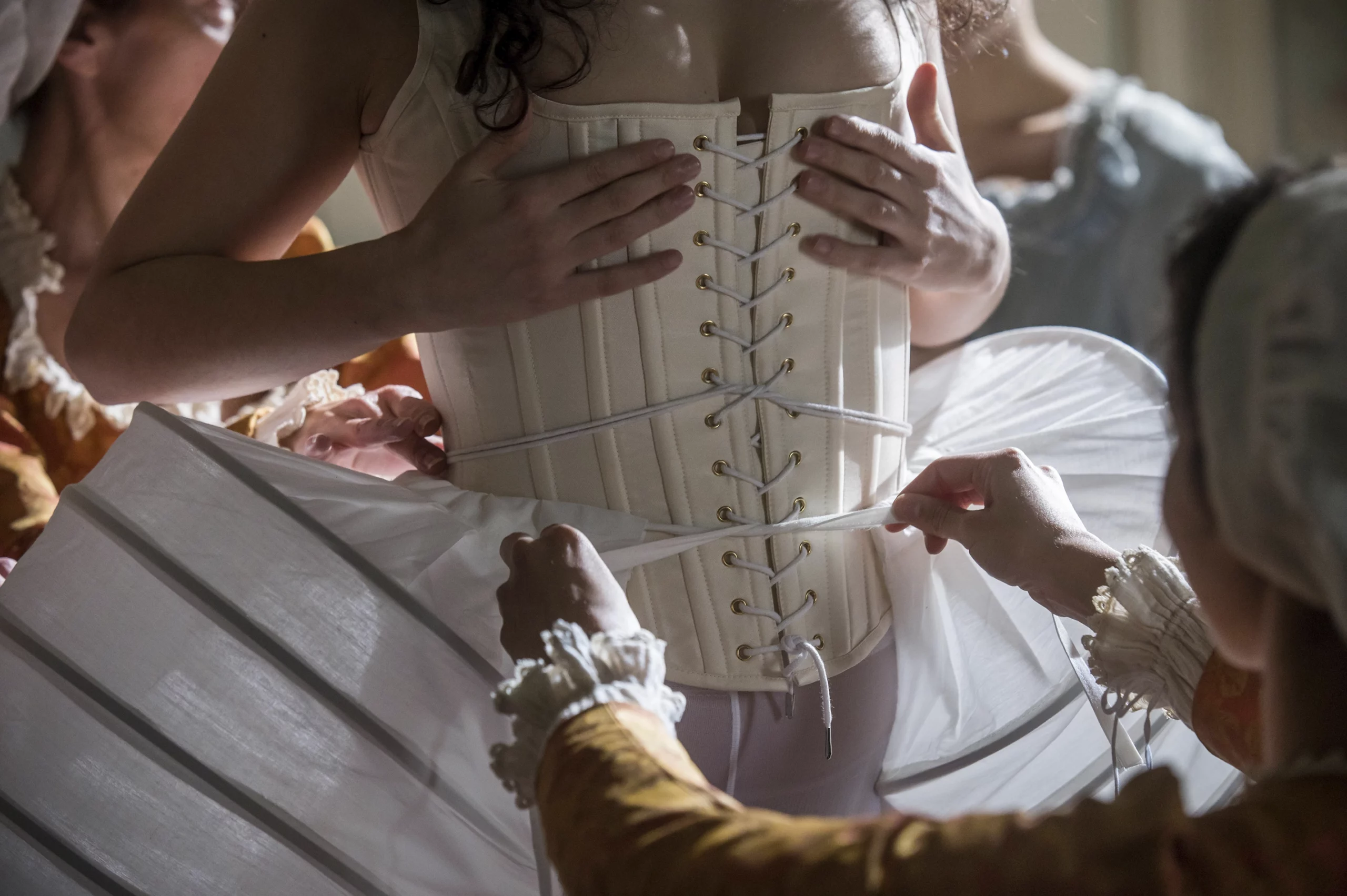
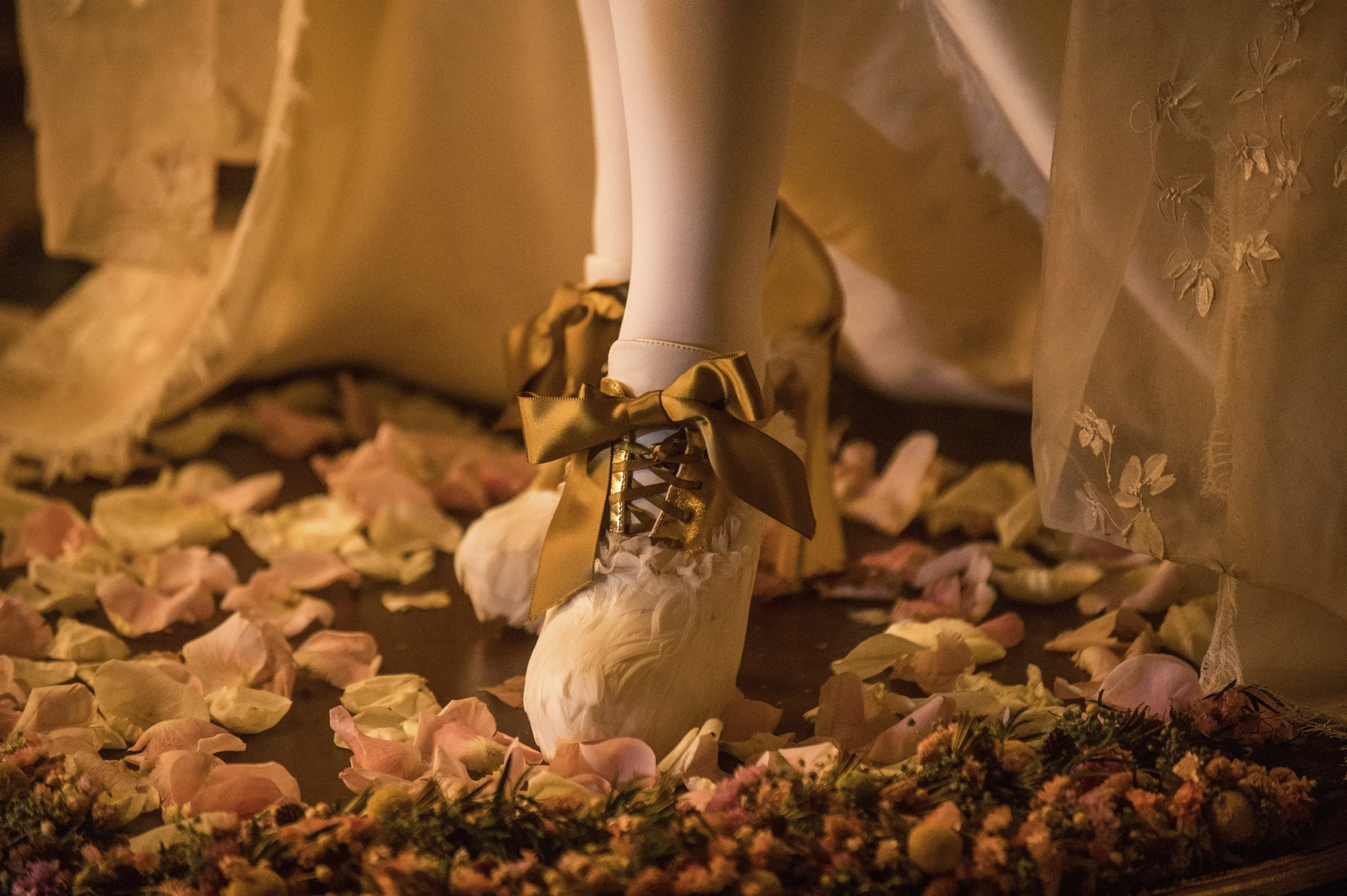
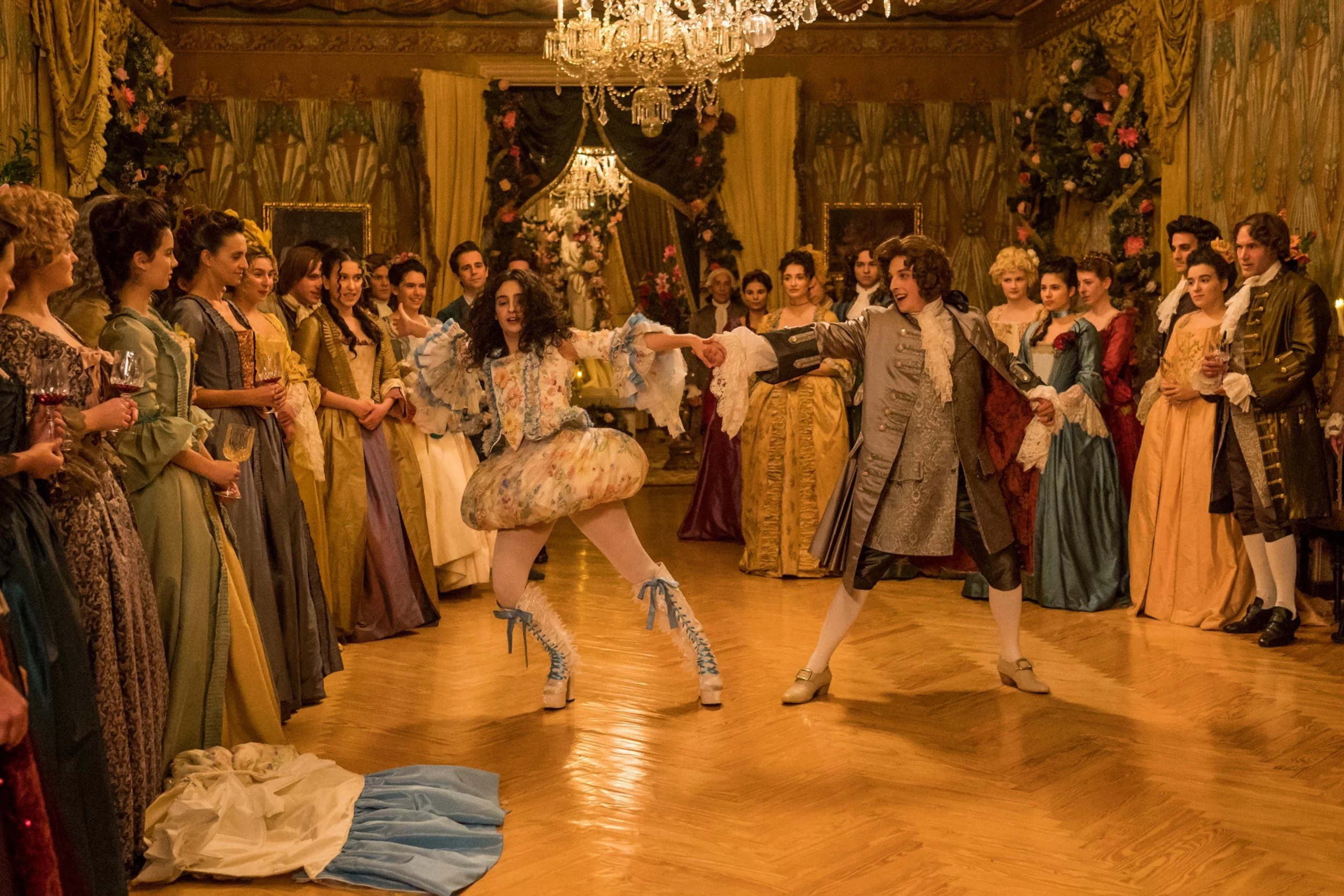
Adolfo Valor and Cristóbal Garrido, directors of the series, granted that creative freedom: allowing each costume to become a visual metaphor for the identity of its protagonists. Fidelity to the 18th century had to coexist with contemporary techniques and meticulous craftsmanship in fabrics, colours and textures, creating a balance between historical rigour and a modern perspective.
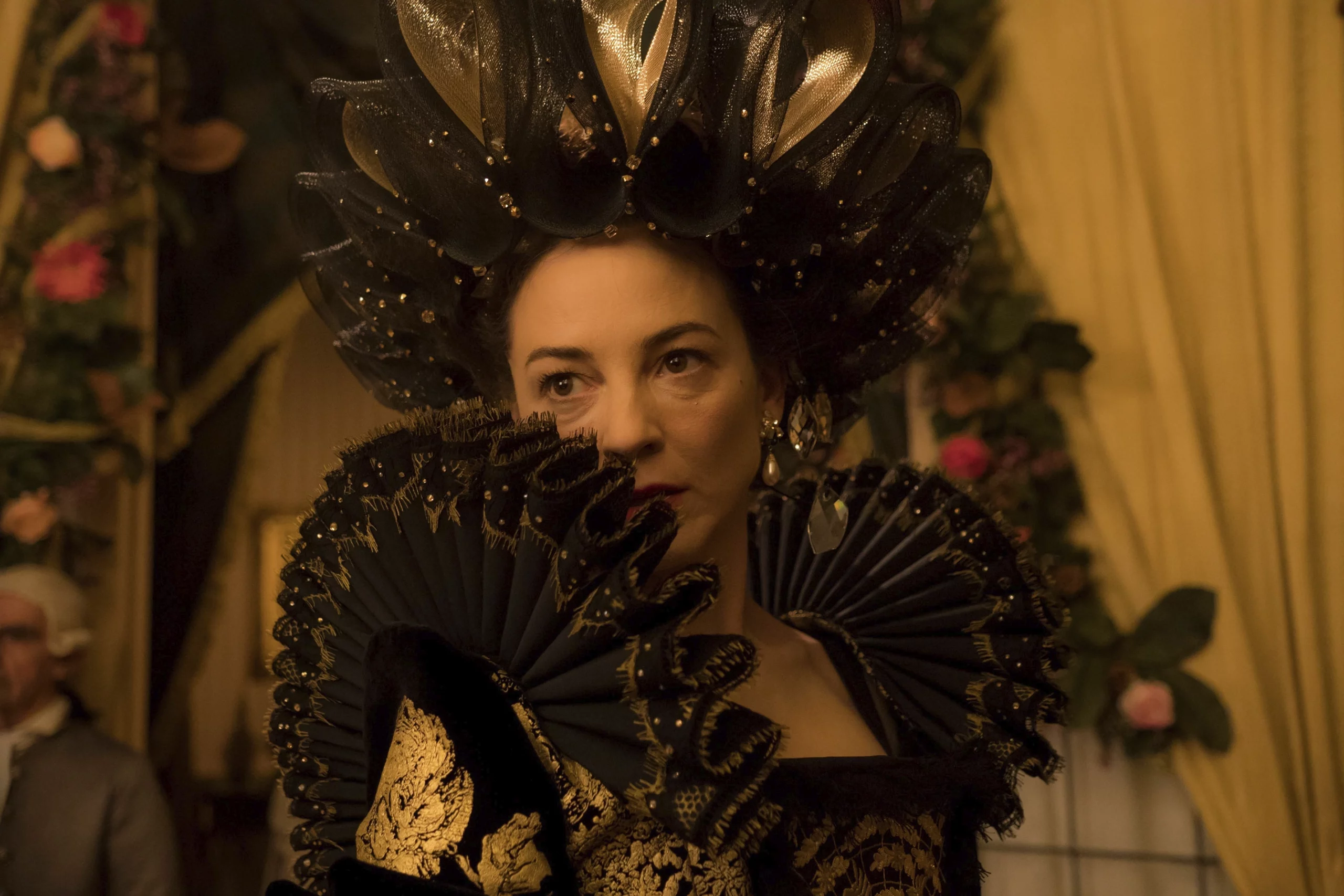
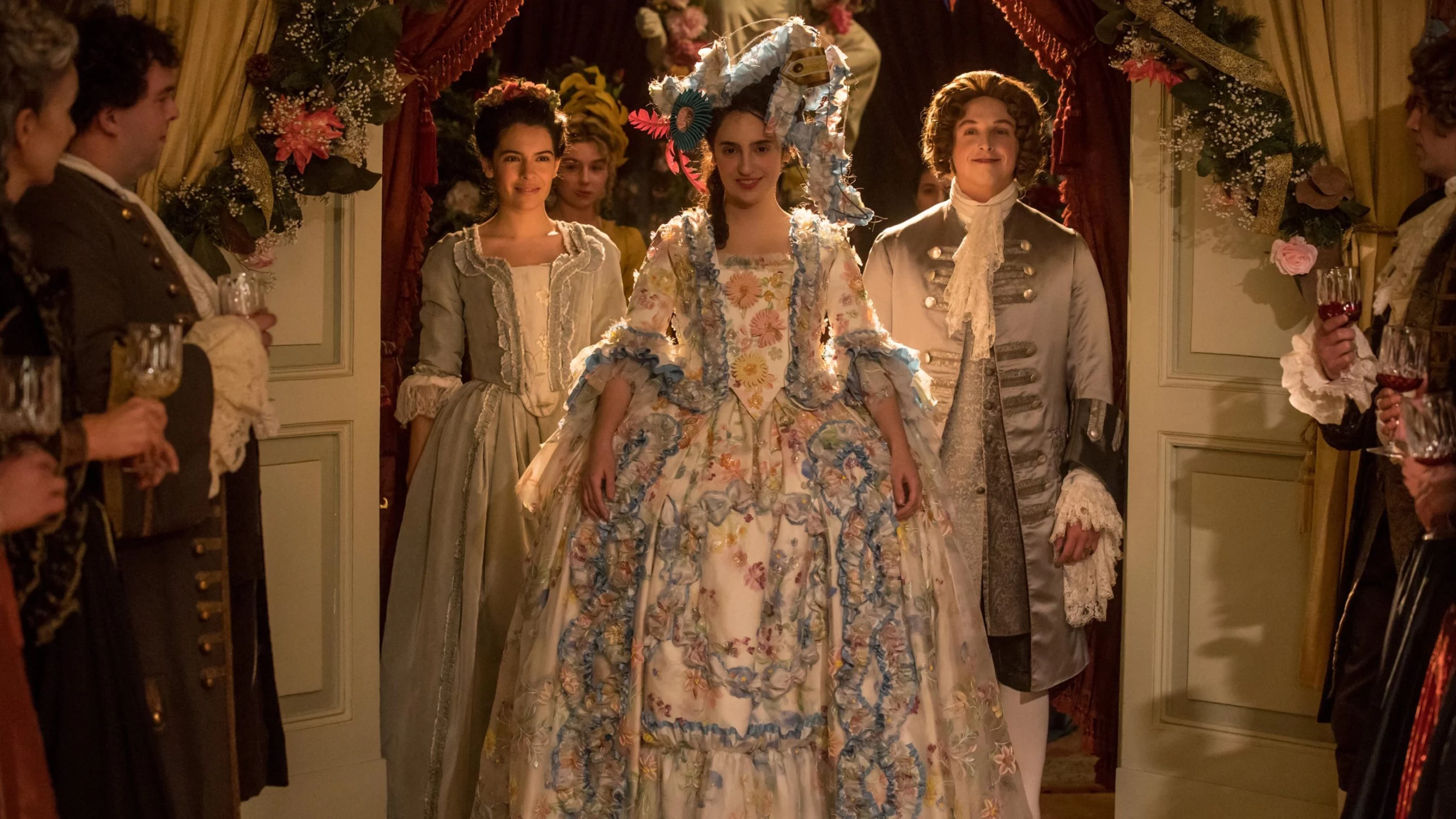
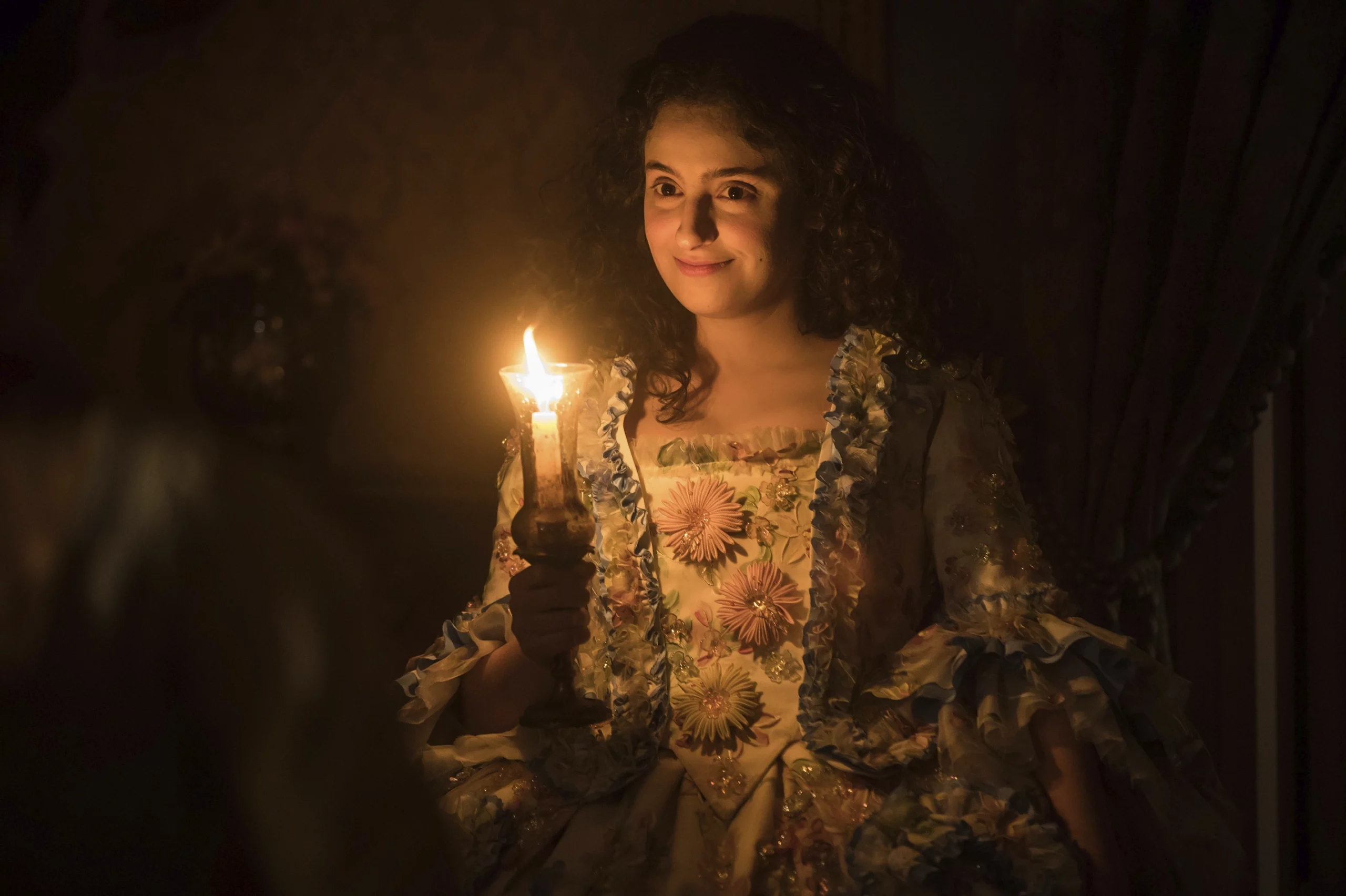
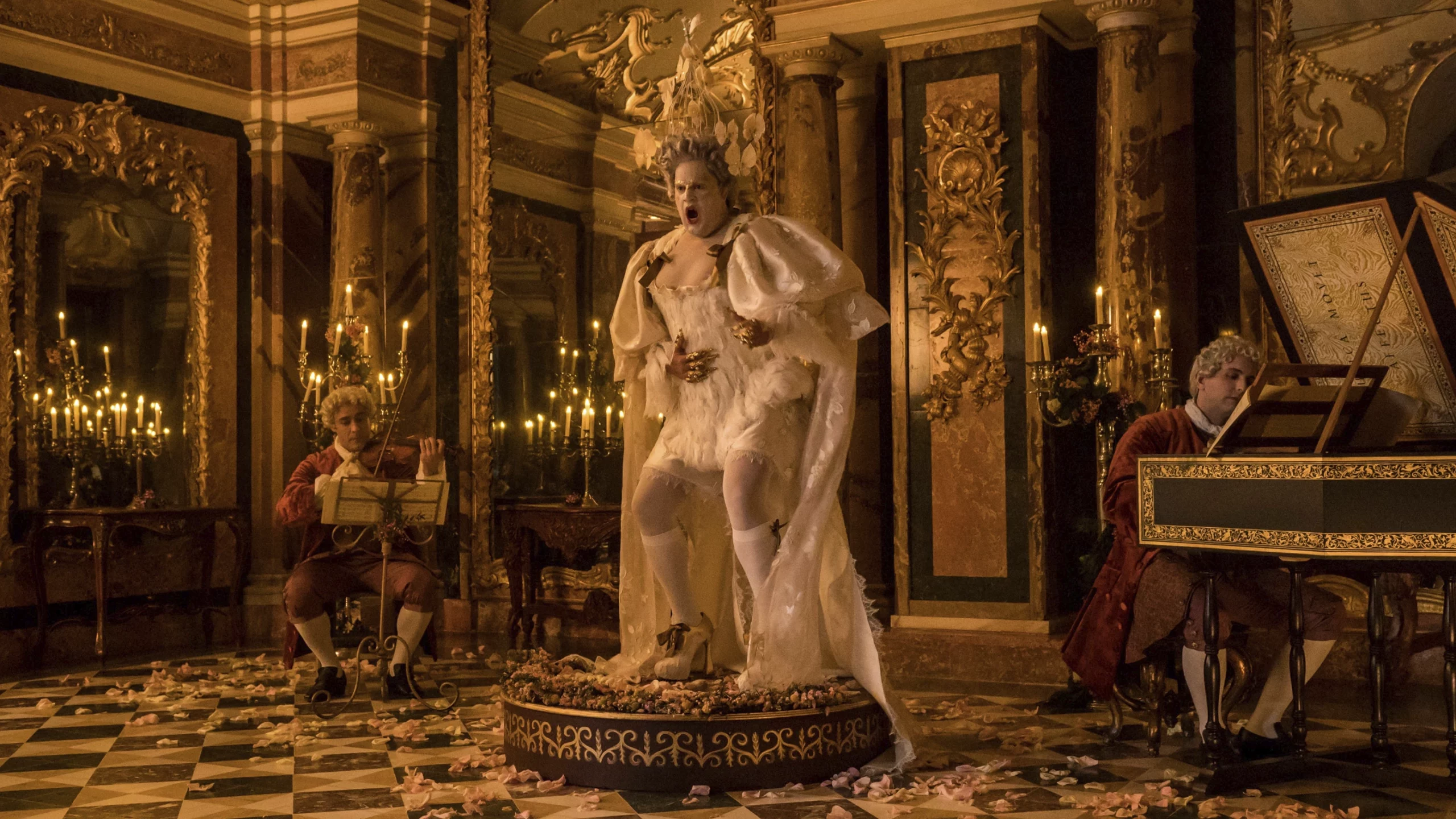
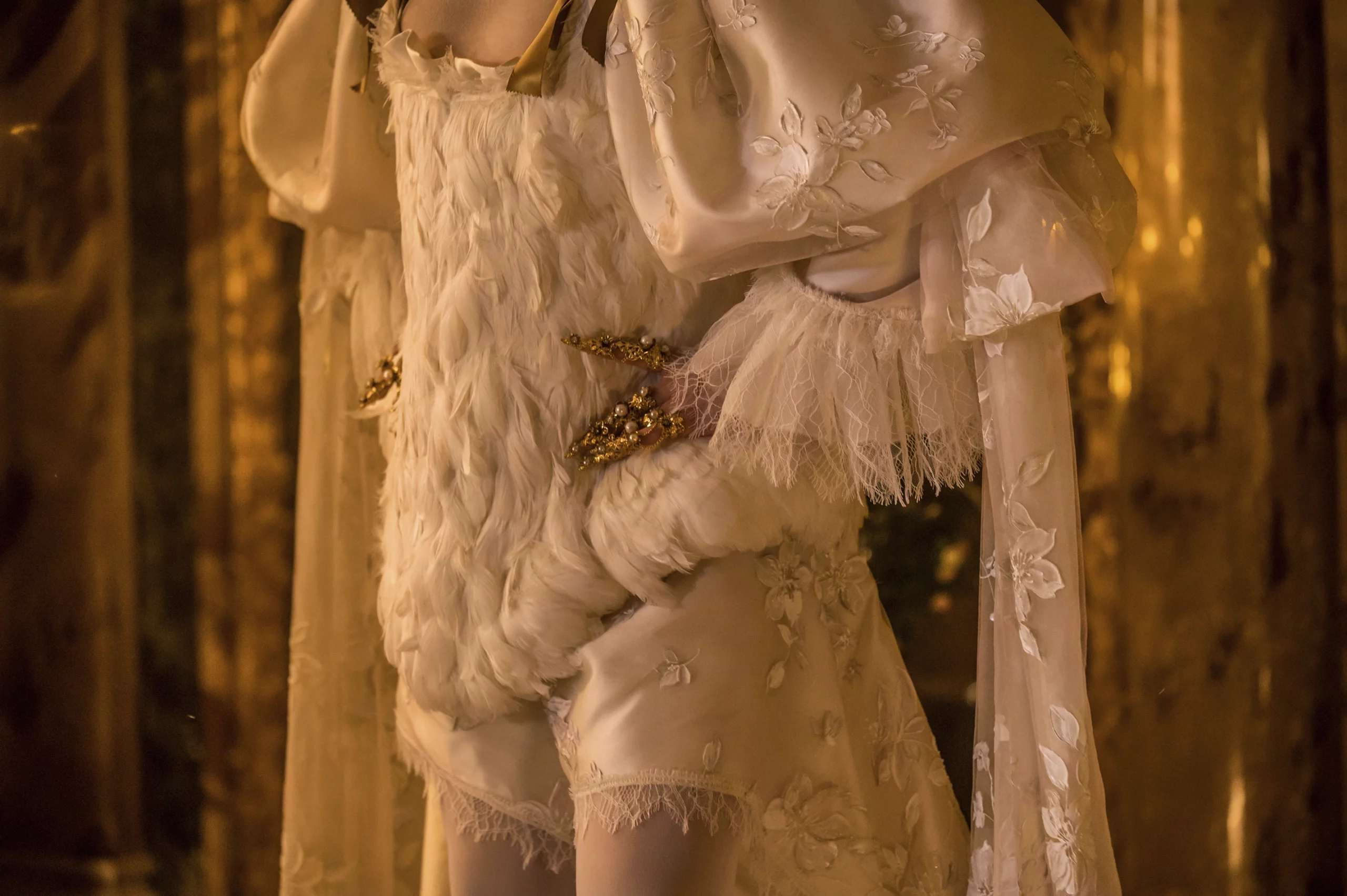
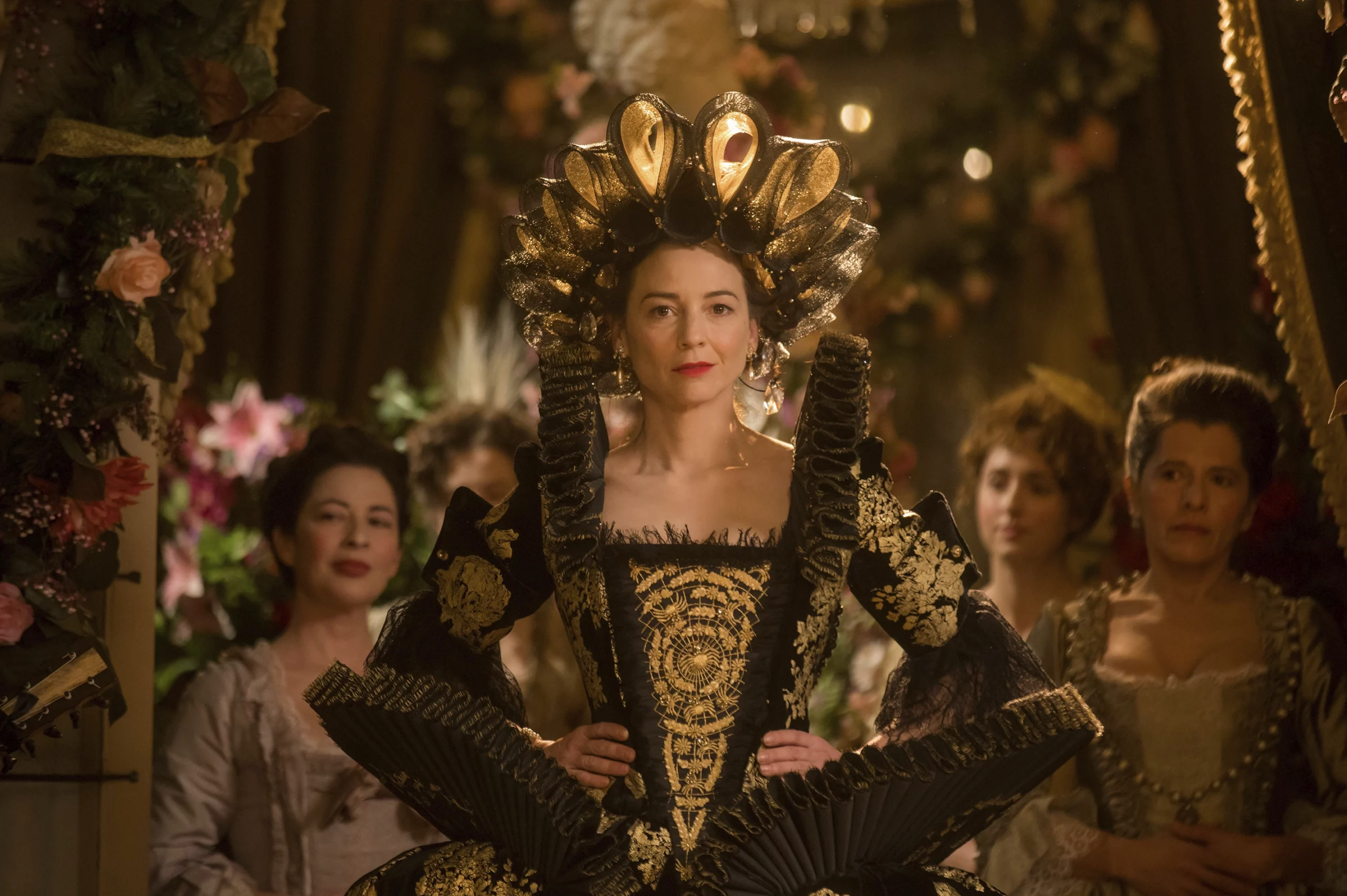
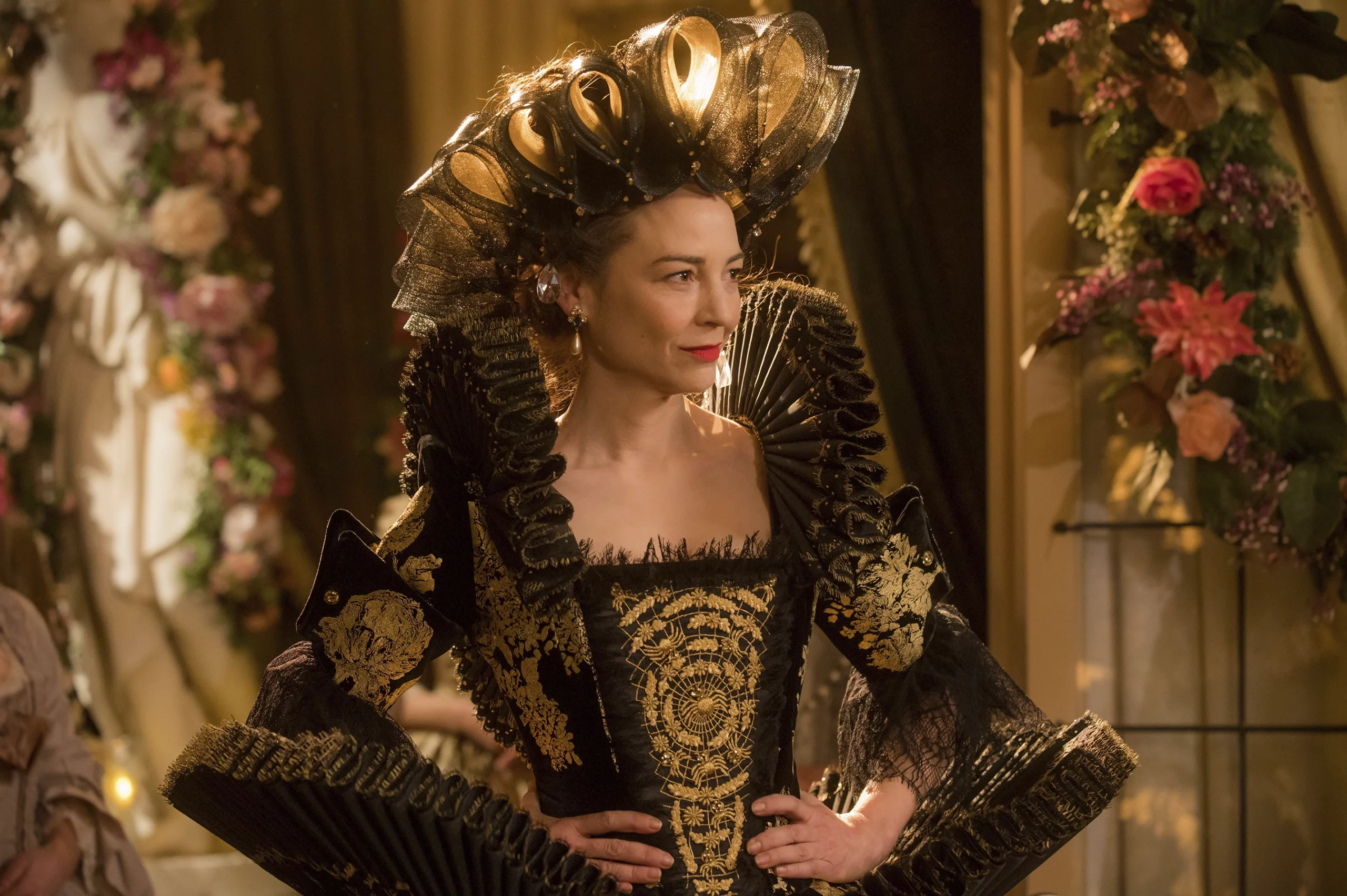
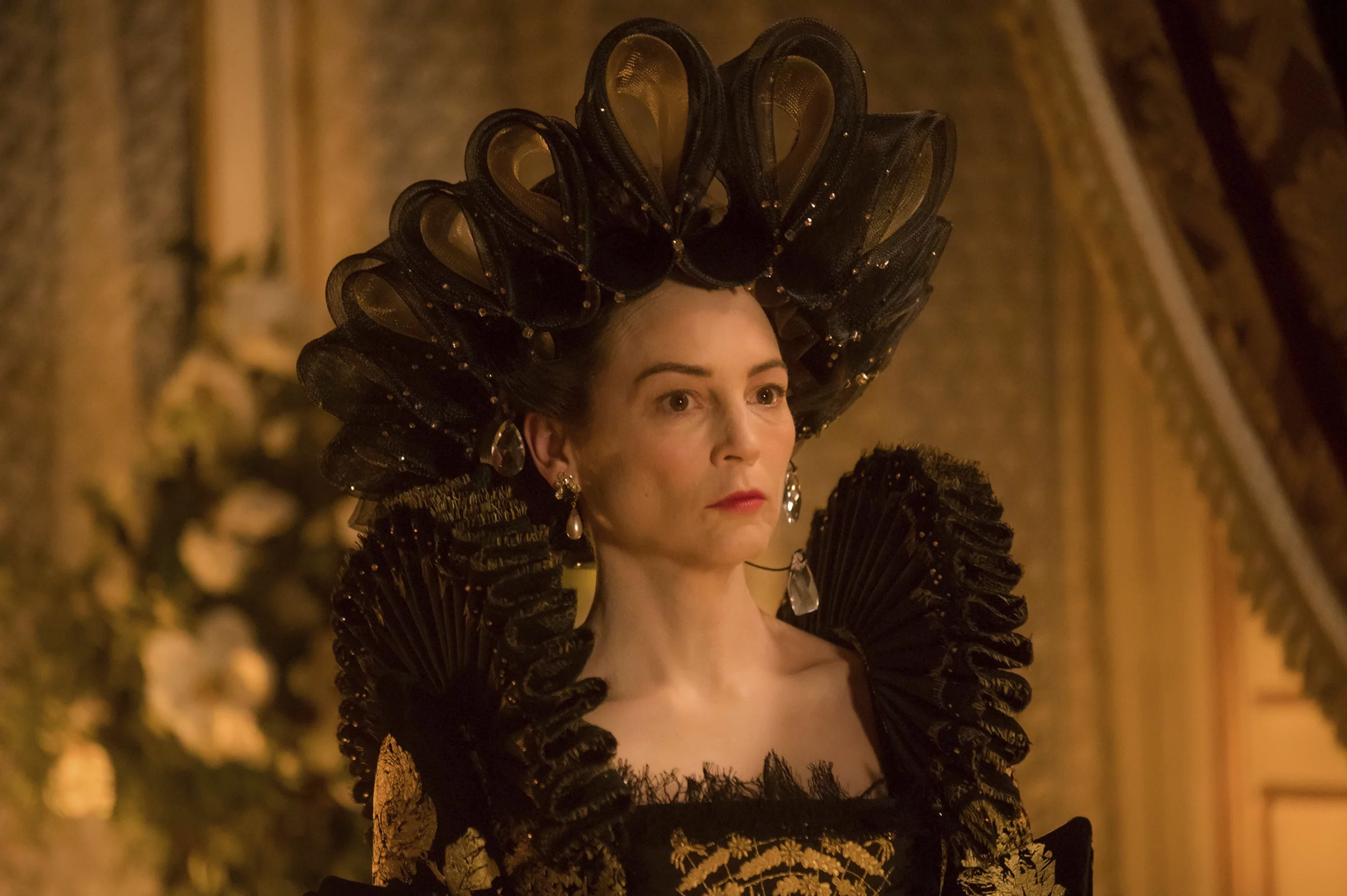
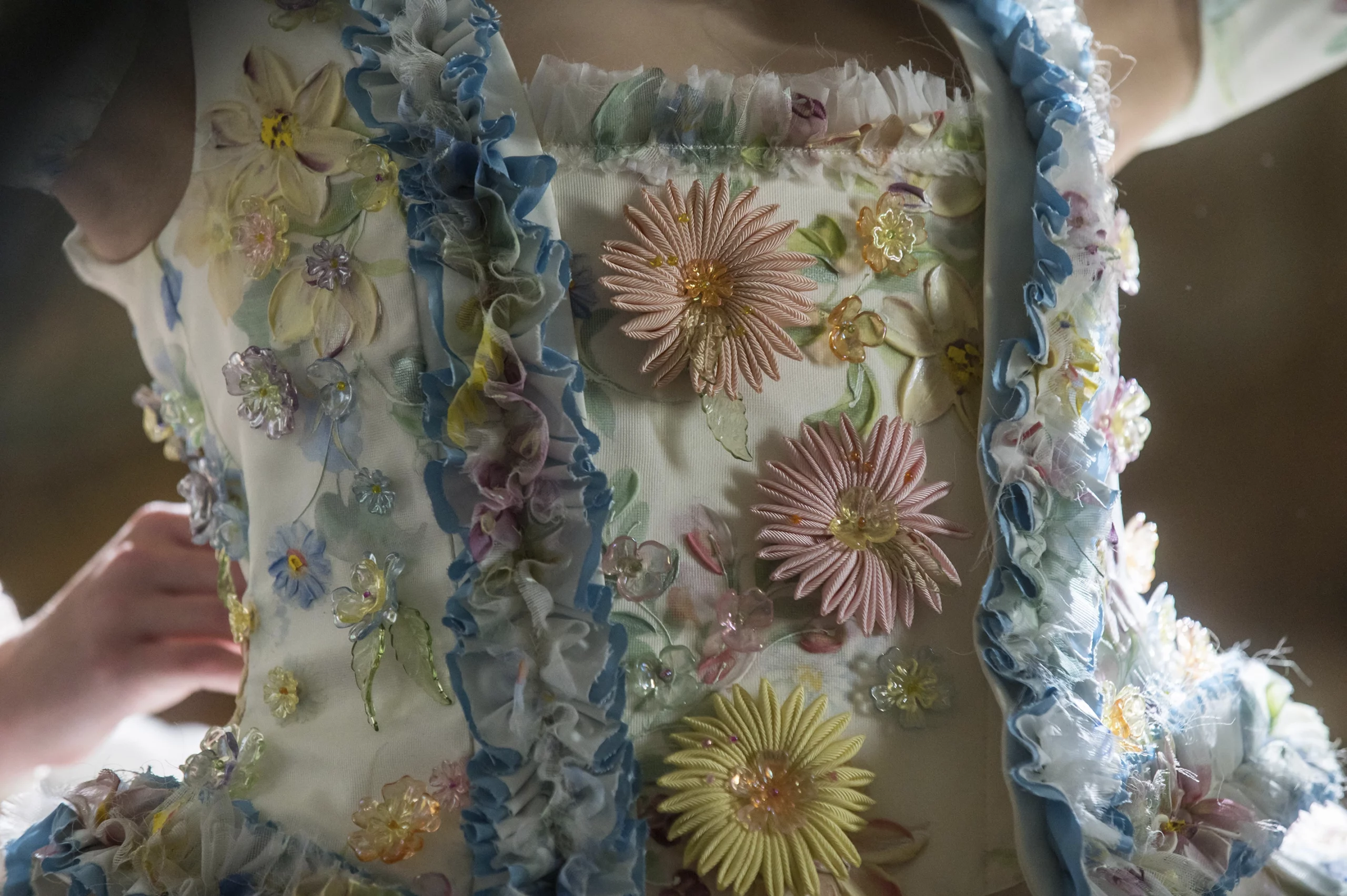
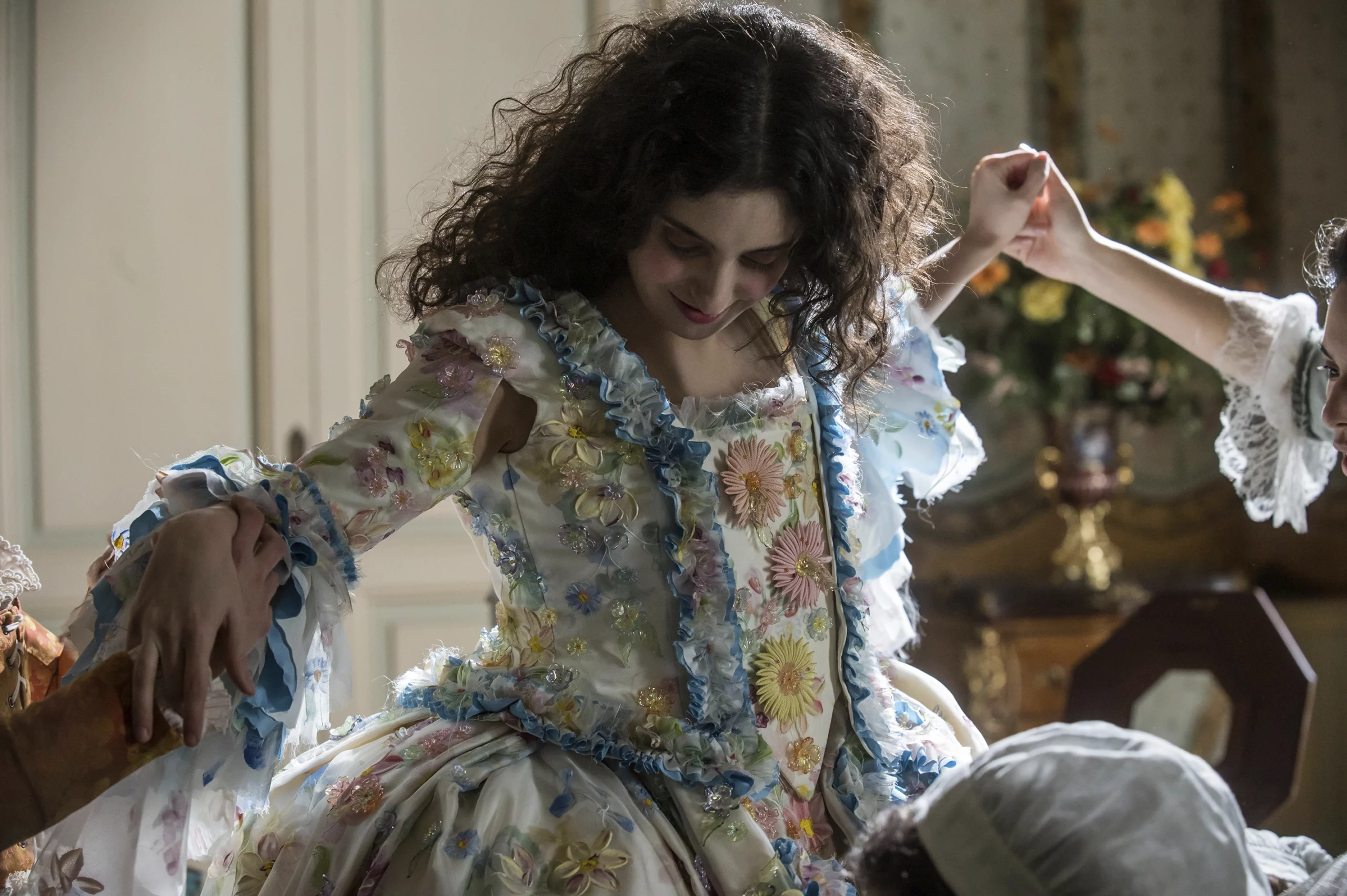
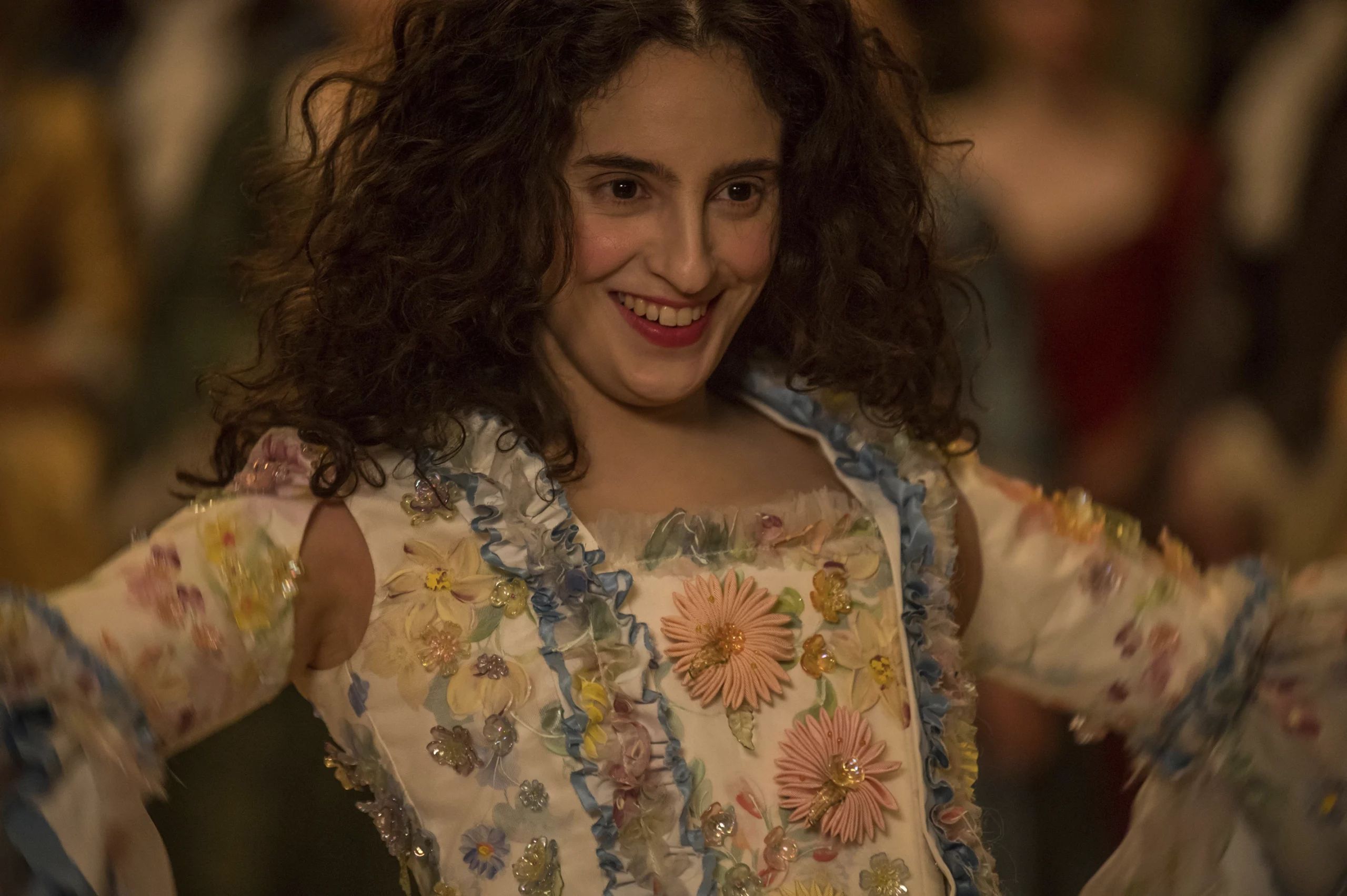
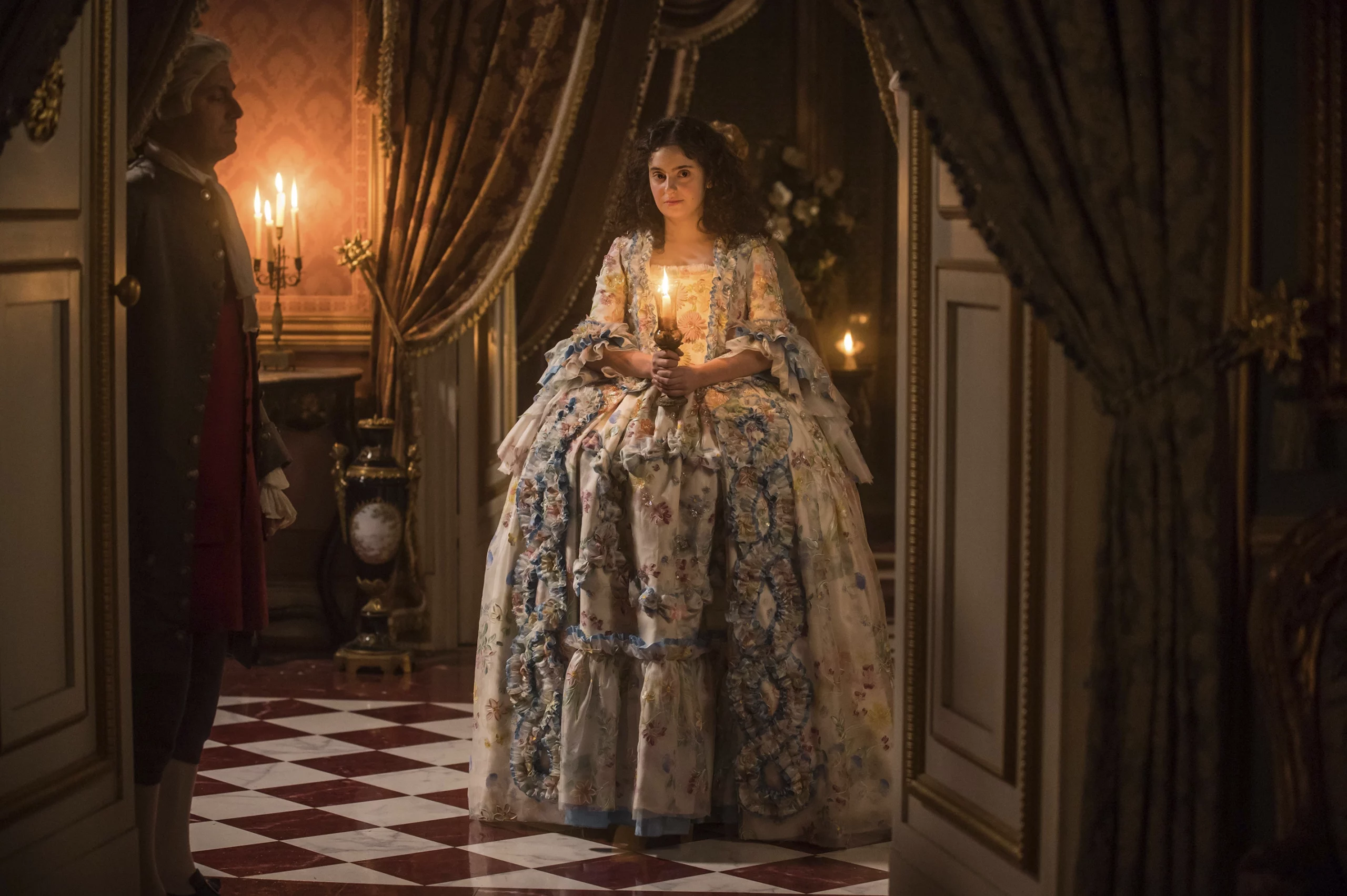
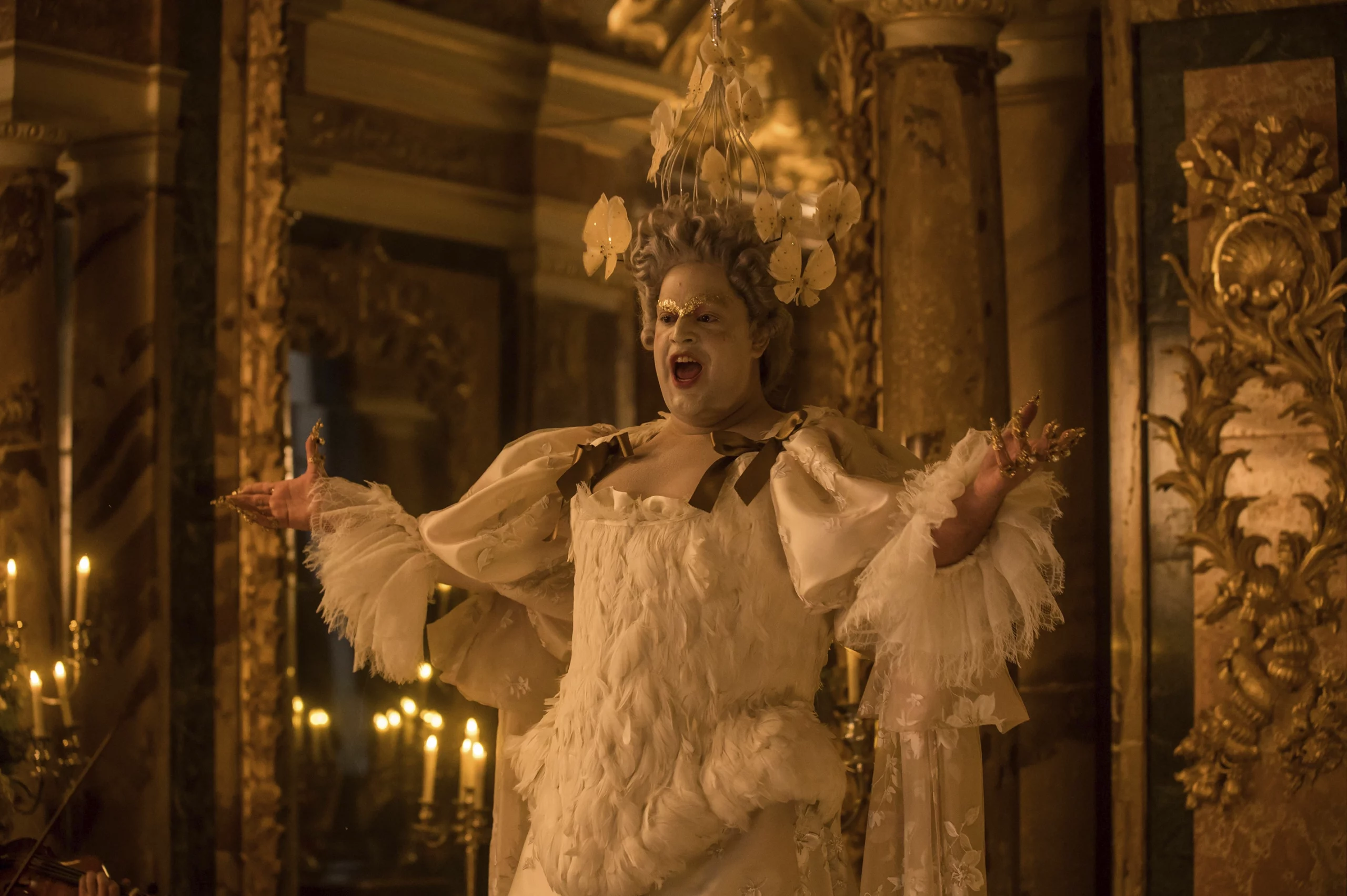
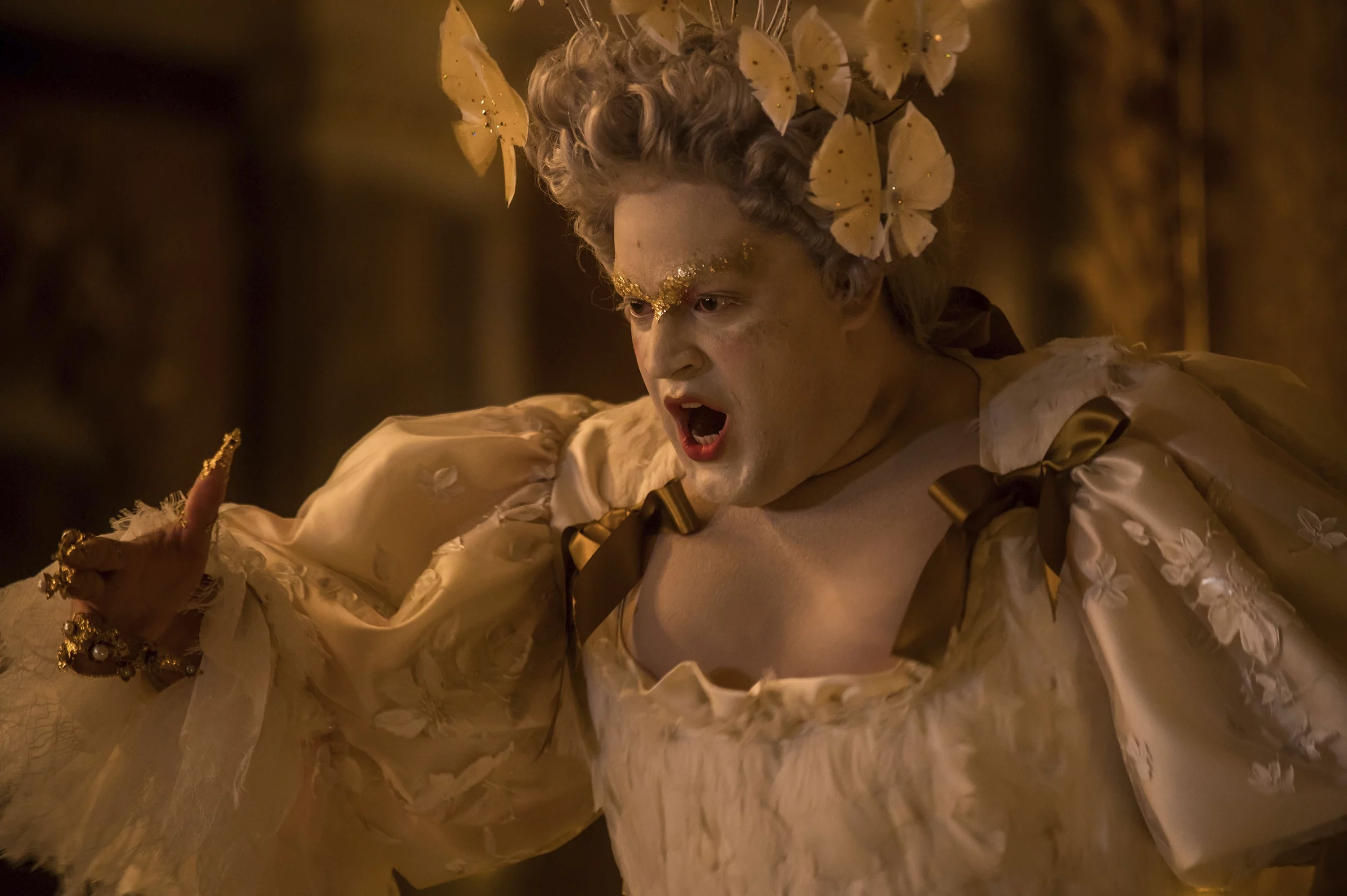
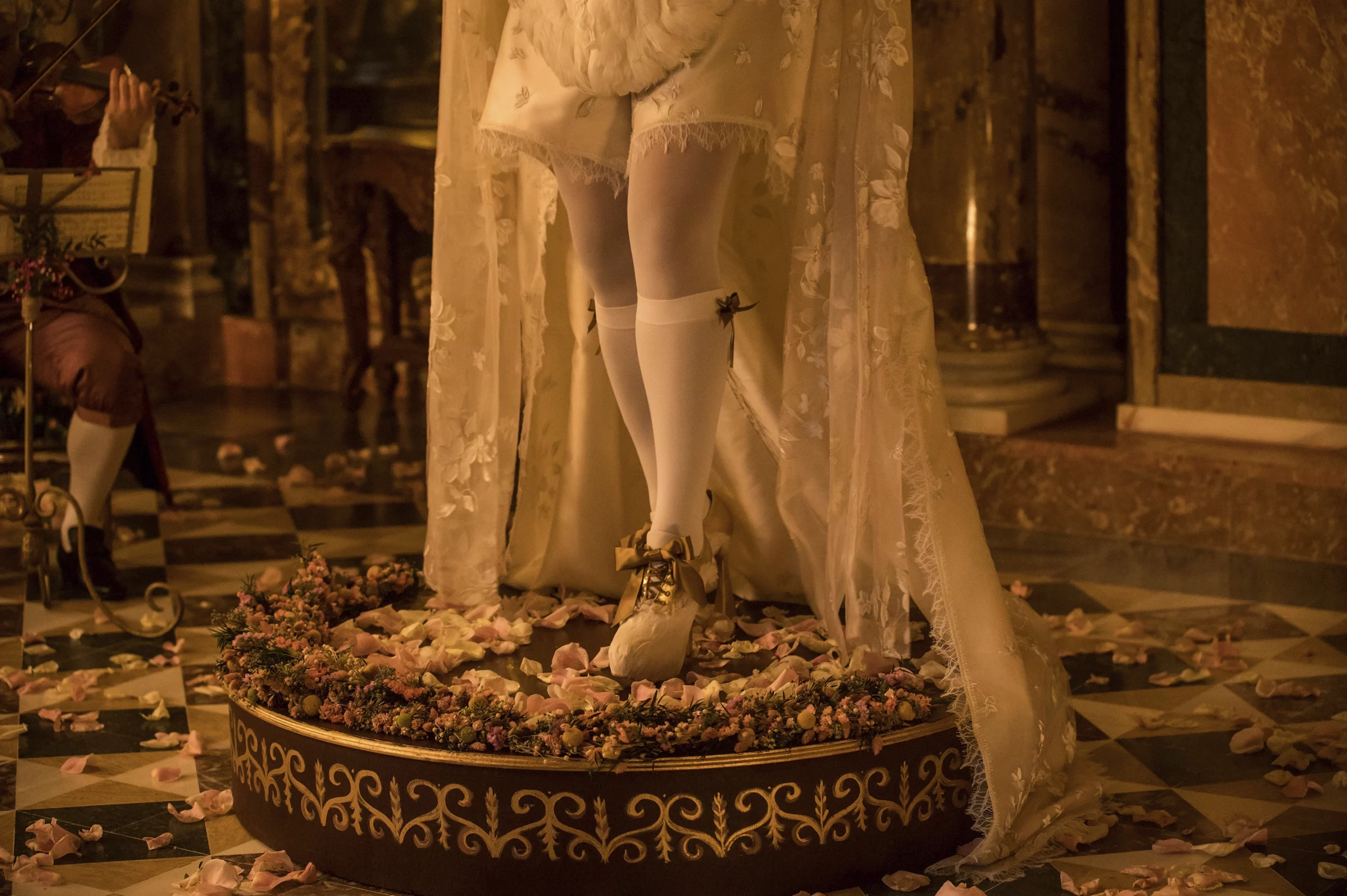
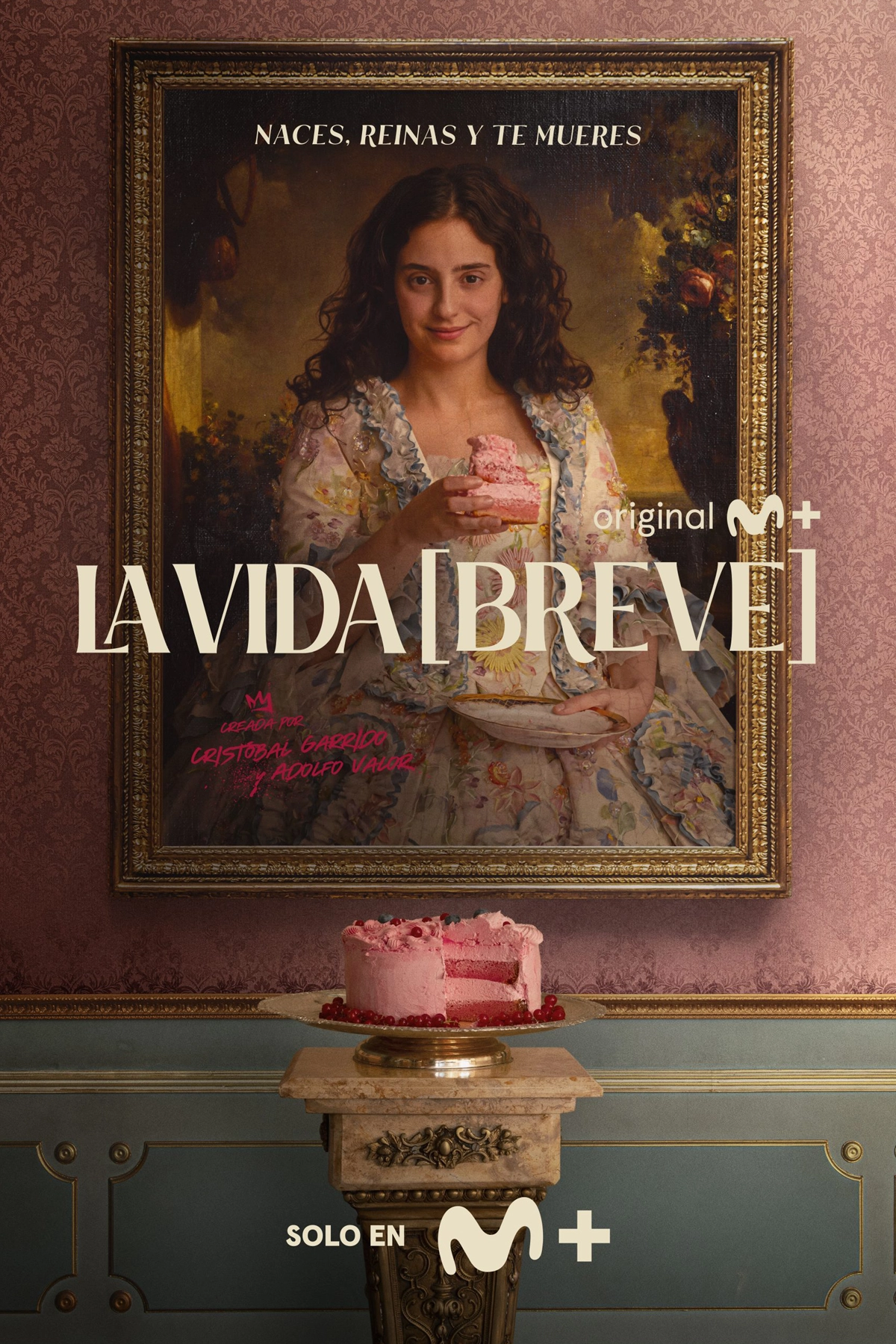
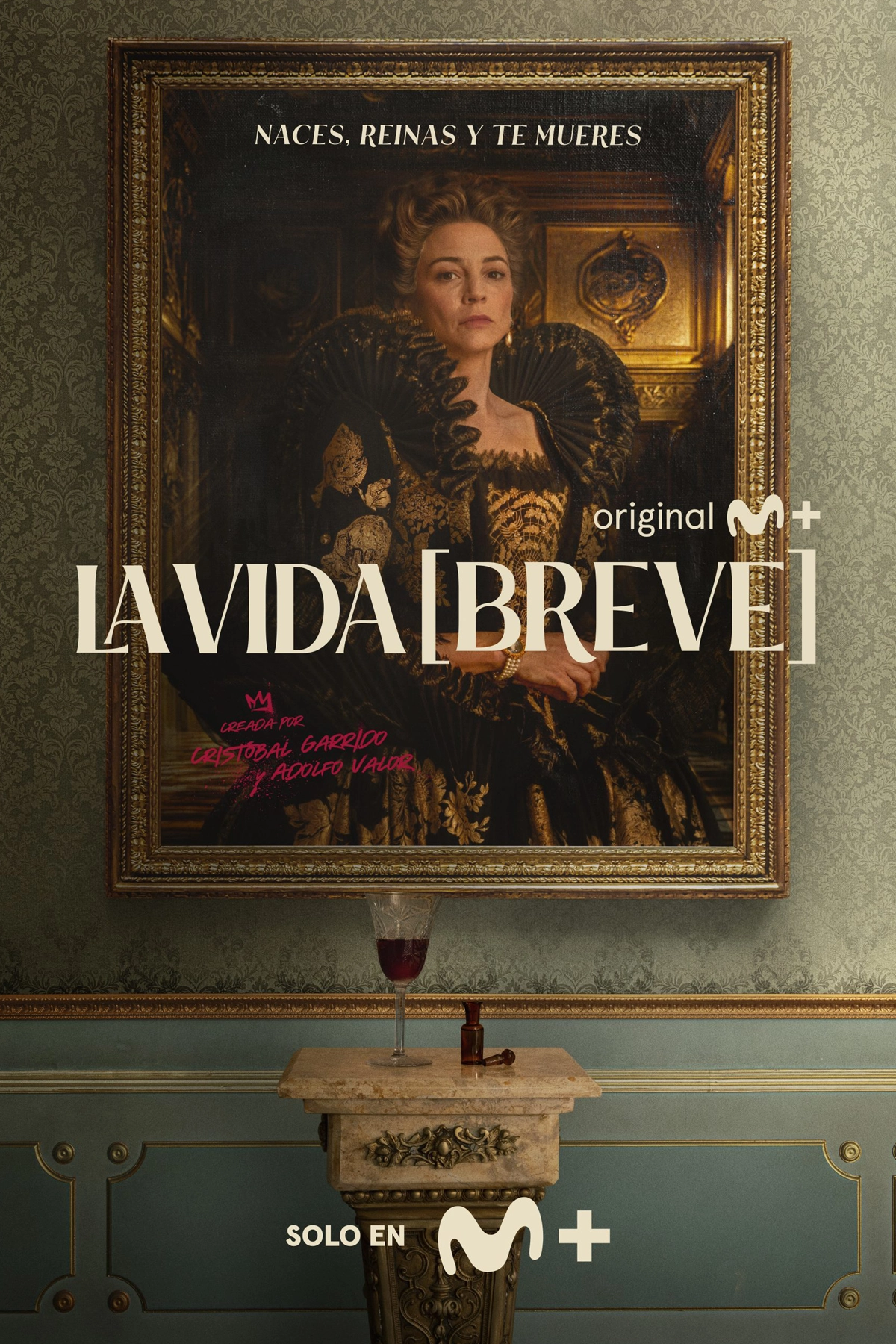
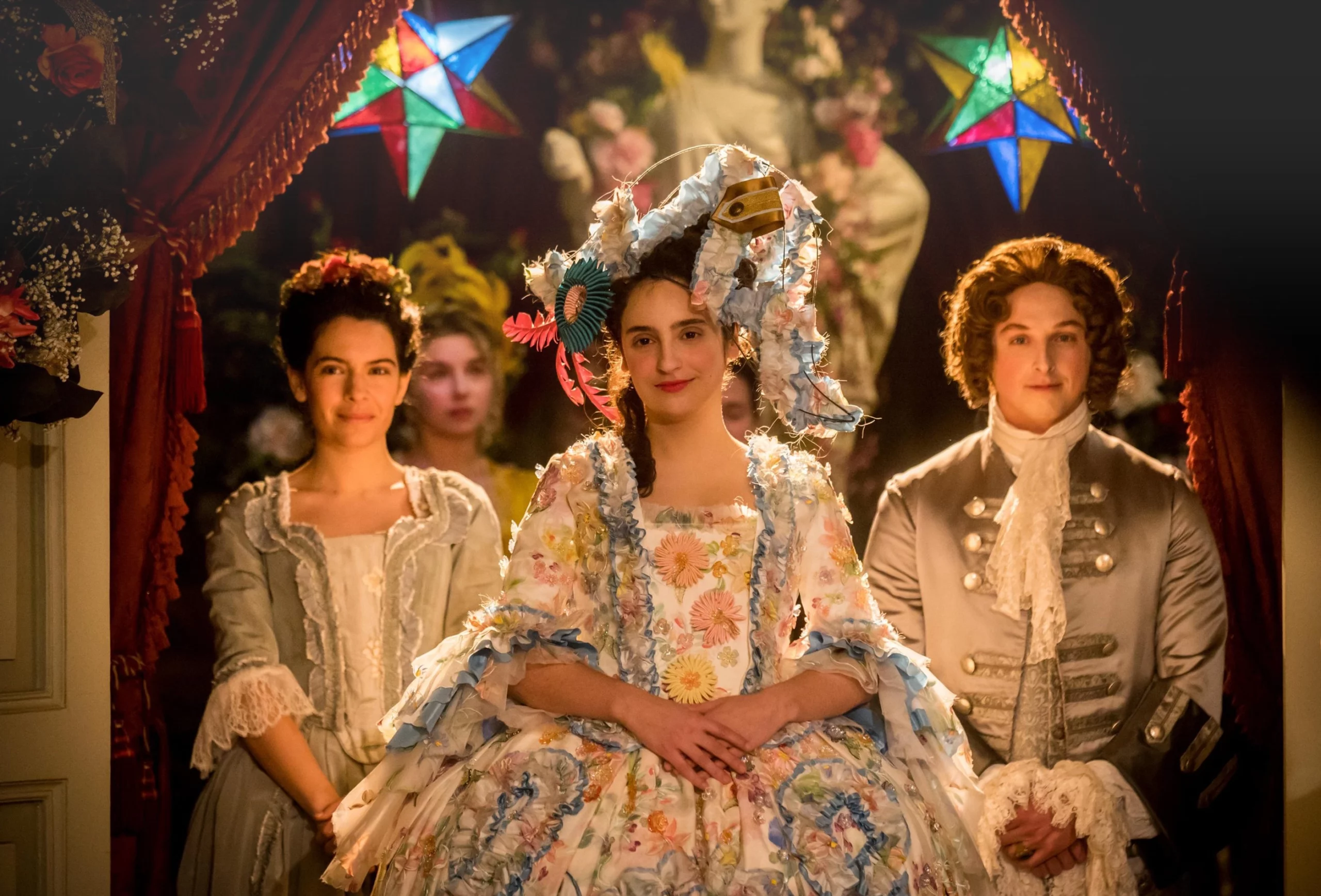
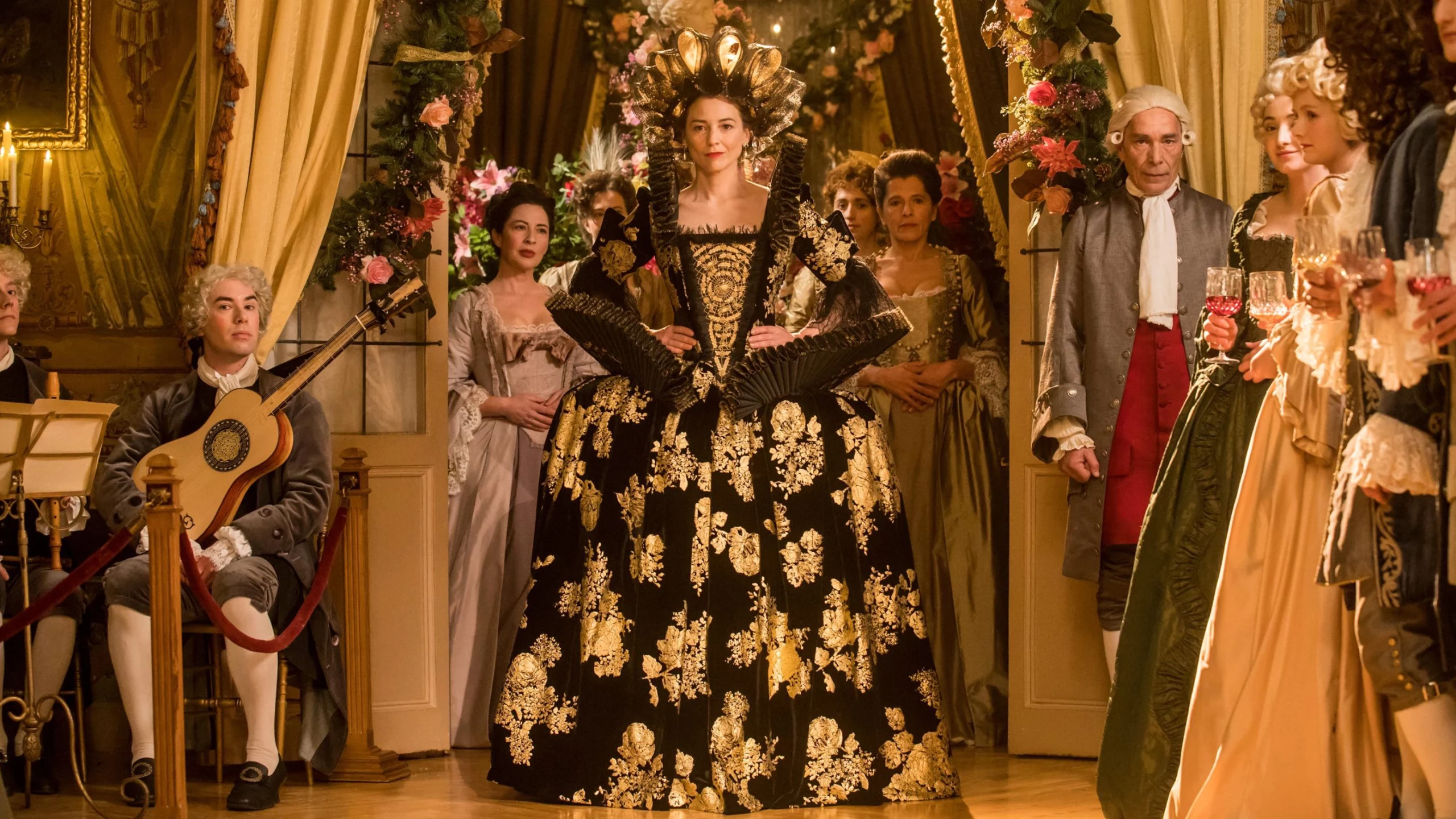
Farinelli was conceived as a white angel: luminous, ethereal, almost transcendent. Isabel de Farnesio emerged in a deep, enigmatic and calculating black, a kind of sombre power that evoked an almost mythological presence. For her part, Luisa Isabel de Orleans, an impulsive young woman who matures before our eyes, was imagined in full bloom: a French-style Rococo dress, playful and exuberant, symbolising a vitality in transition.
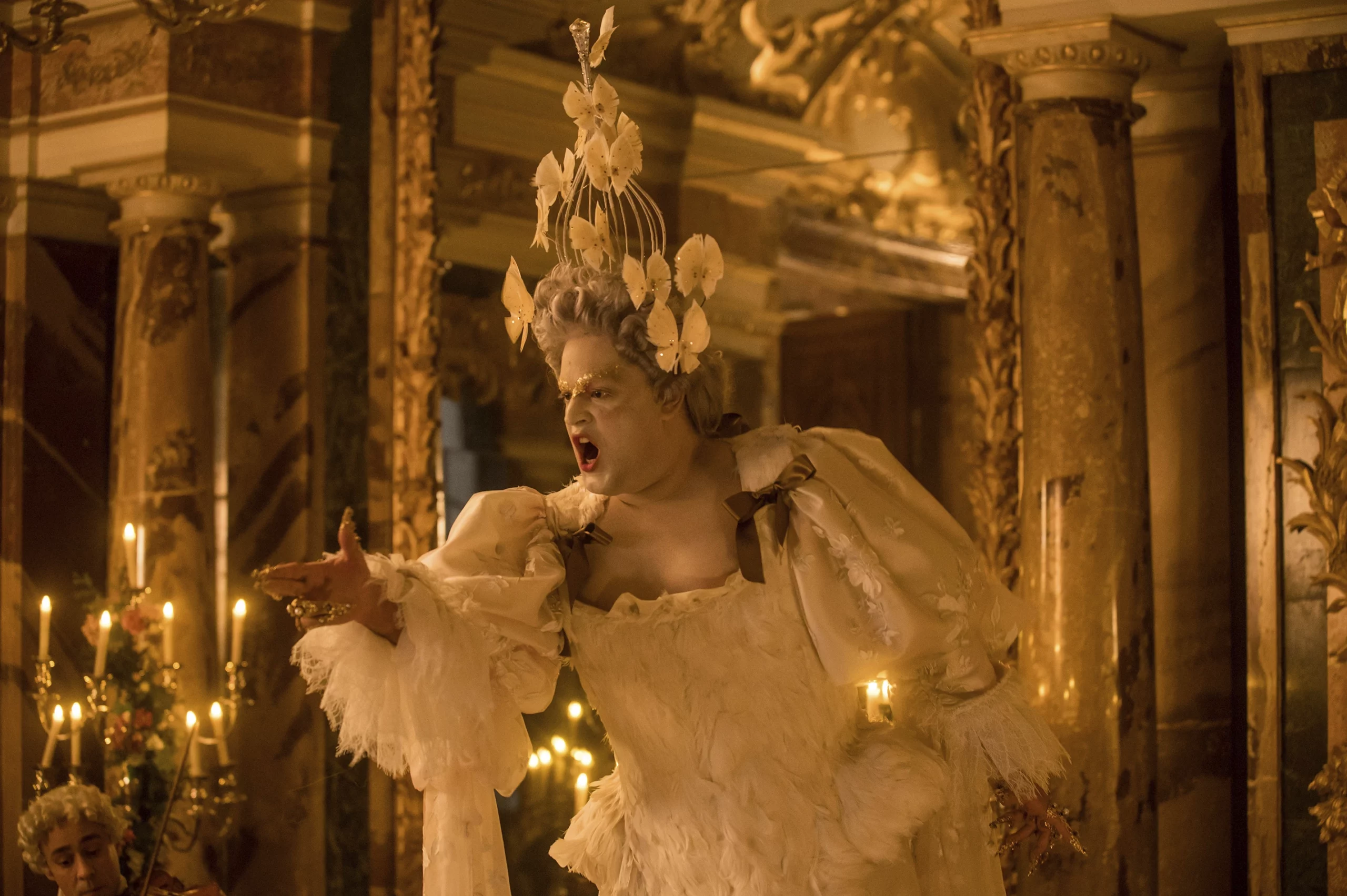
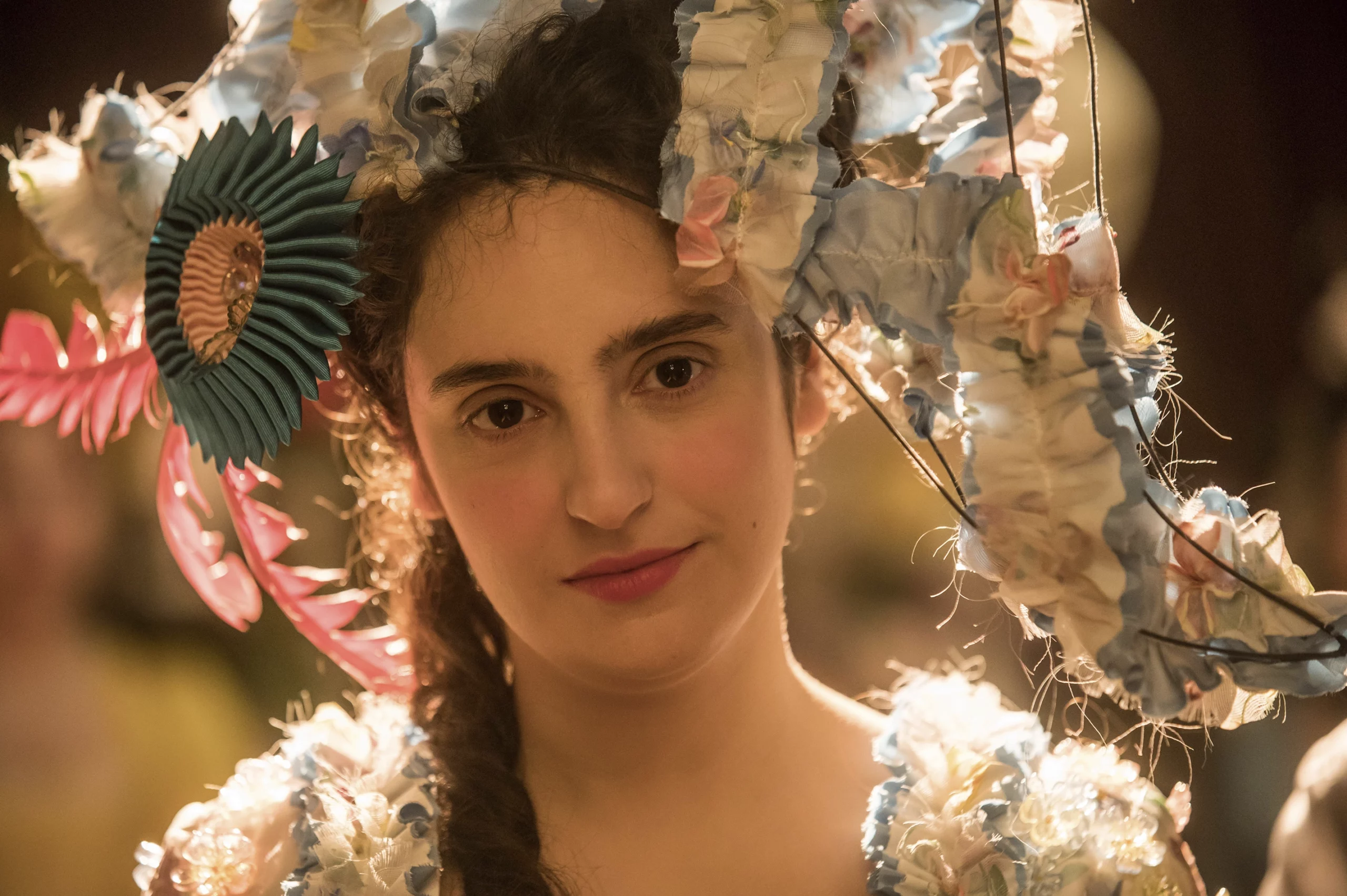
But the final touch was essential. The headpieces had to be majestic, exuberant, conceptual. To achieve this, Ana Locking invited milliner Rafa Peinador to collaborate. His headpieces completed the designs with masterful precision: not only did they complement the aesthetic, but they also amplified the symbolic dimension of each character, turning them into true icons within the narrative.
When Ana Locking took on this project, she knew it had to be based on two fundamental principles: respect for the period and its historical context, and the conviction that the costumes should serve the narrative development of the characters. However, the real challenge was to go beyond faithful reconstruction to create an iconic and memorable image capable of actively interacting with the script.
Adolfo Valor and Cristóbal Garrido, directors of the series, granted that creative freedom: allowing each costume to become a visual metaphor for the identity of its protagonists. Fidelity to the 18th century had to coexist with contemporary techniques and meticulous craftsmanship in fabrics, colours and textures, creating a balance between historical rigour and a modern perspective.
Farinelli was conceived as a white angel: luminous, ethereal, almost transcendent. Isabel de Farnesio emerged in a deep, enigmatic and calculating black, a kind of sombre power that evoked an almost mythological presence. For her part, Luisa Isabel de Orleans, an impulsive young woman who matures before our eyes, was imagined in full bloom: a French-style Rococo dress, playful and exuberant, symbolising a vitality in transition.
But the final touch was essential. The headpieces had to be majestic, exuberant, conceptual. To achieve this, Ana Locking invited milliner Rafa Peinador to collaborate. His headpieces completed the designs with masterful precision: not only did they complement the aesthetic, but they also amplified the symbolic dimension of each character, turning them into true icons within the narrative.