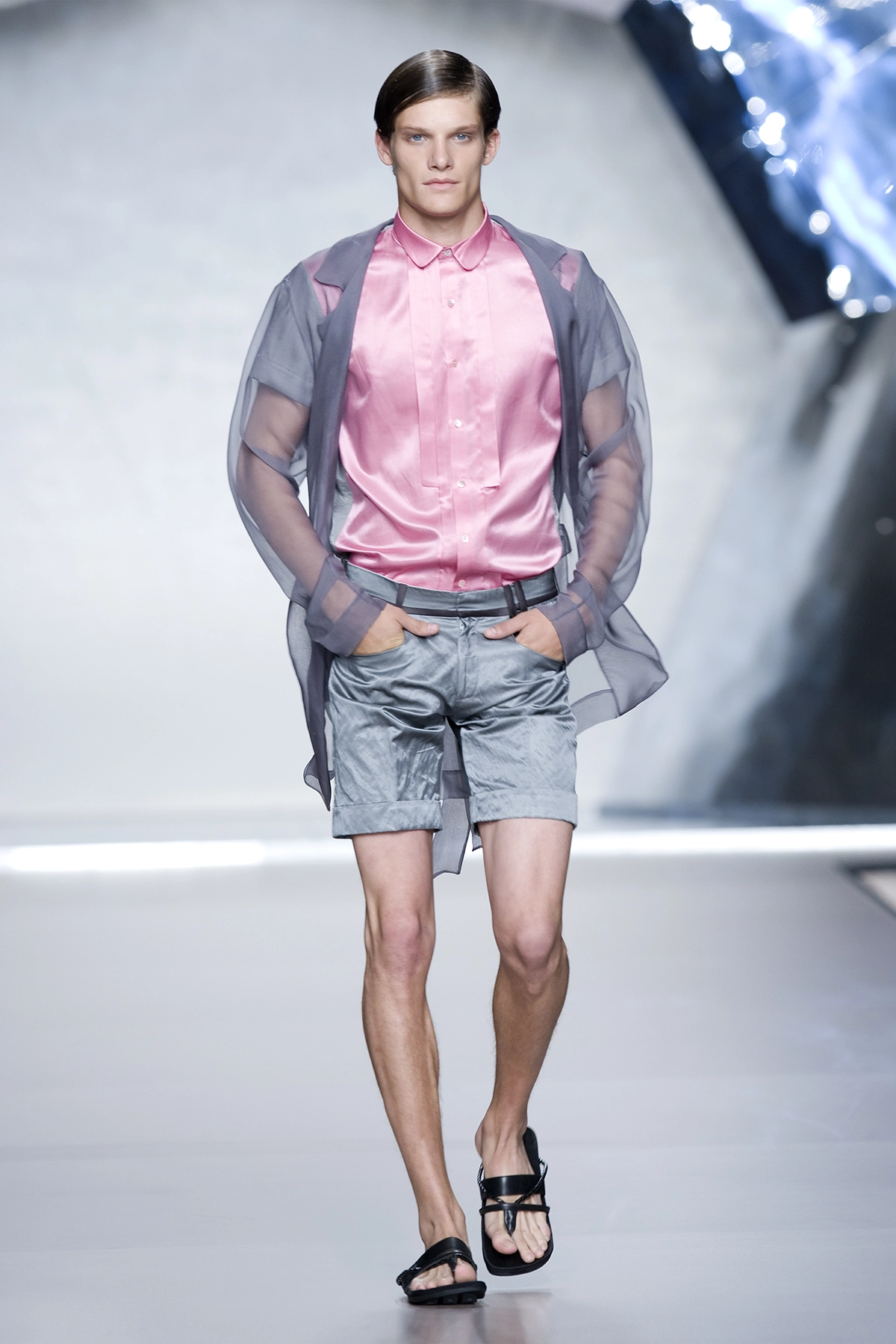
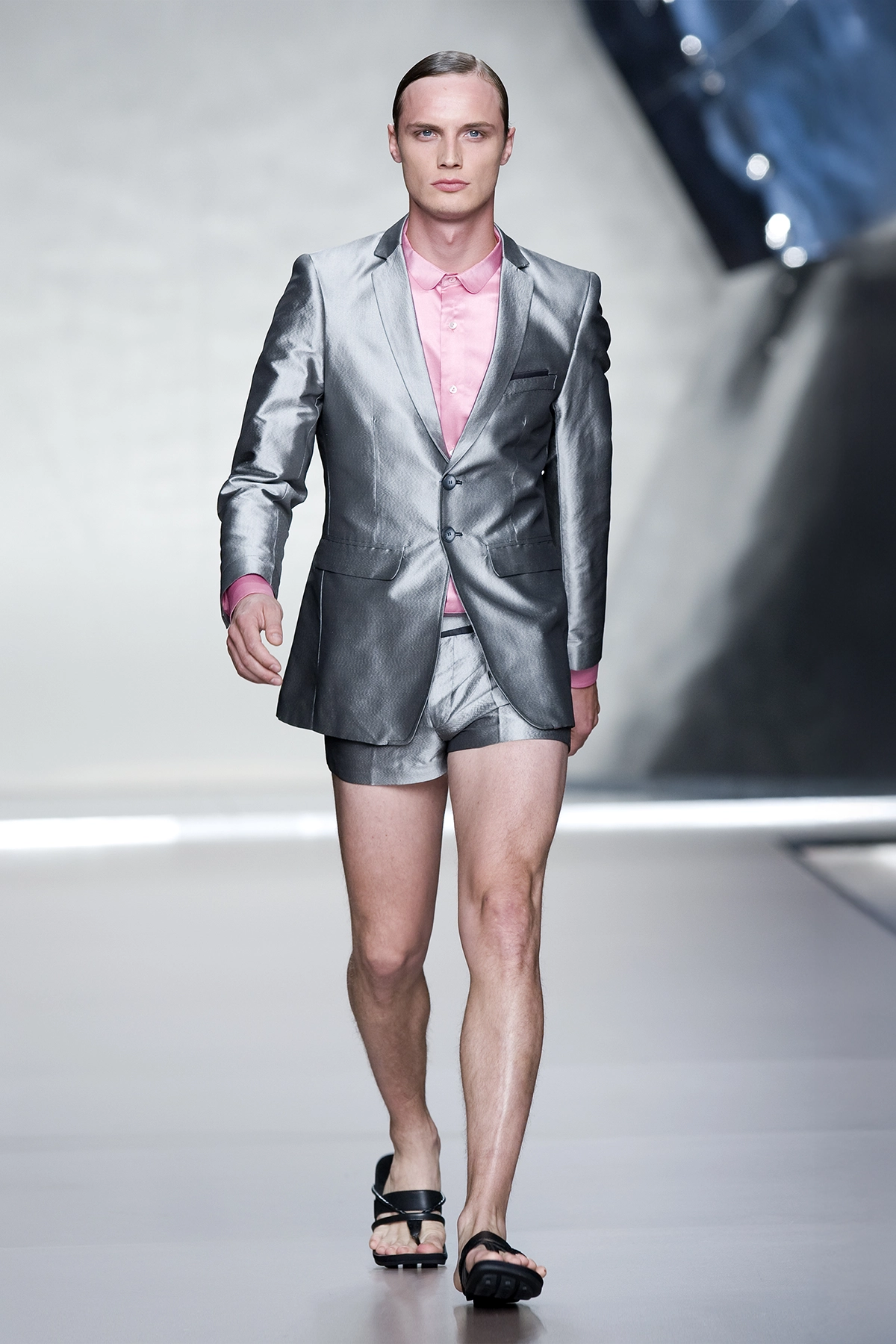
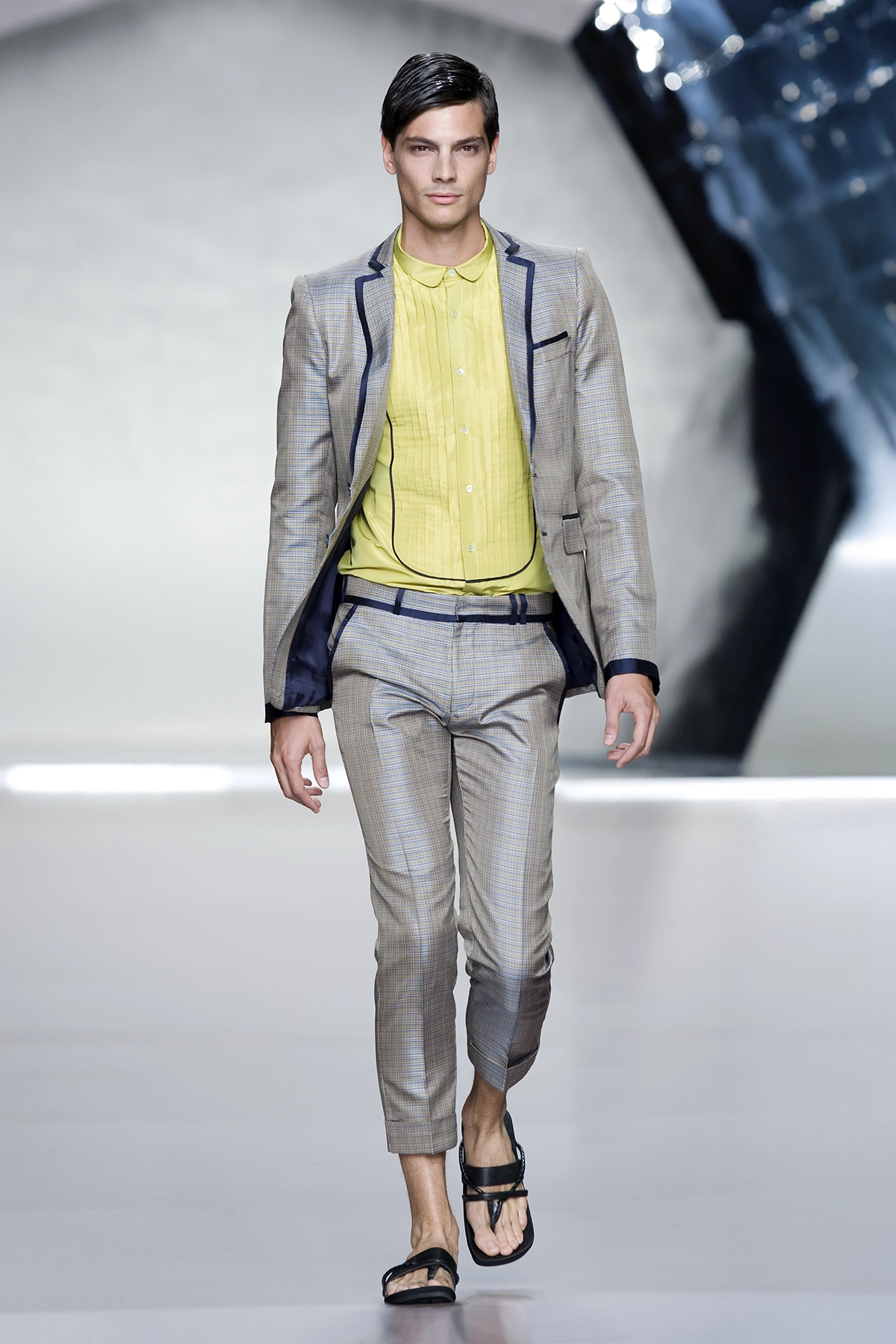
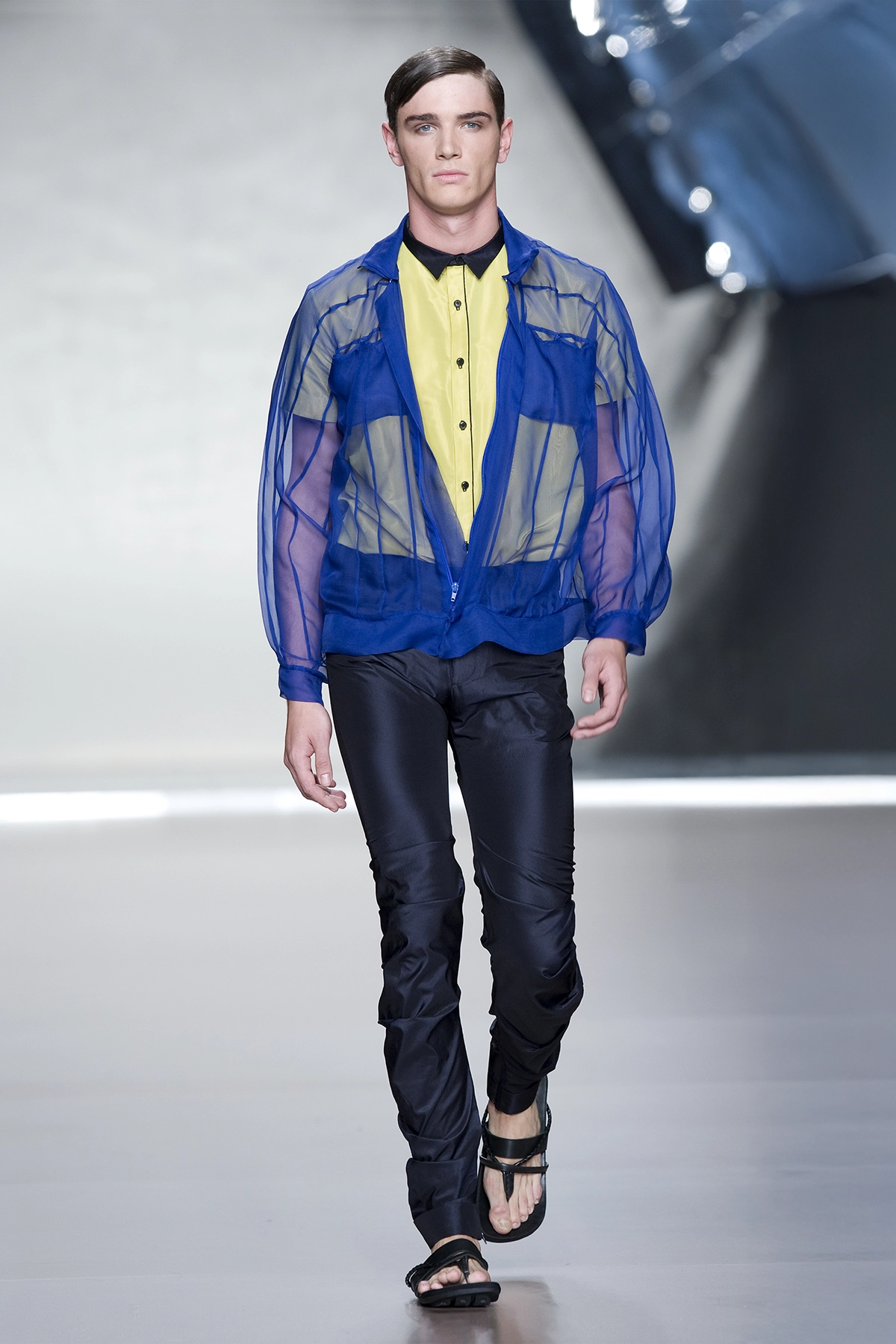
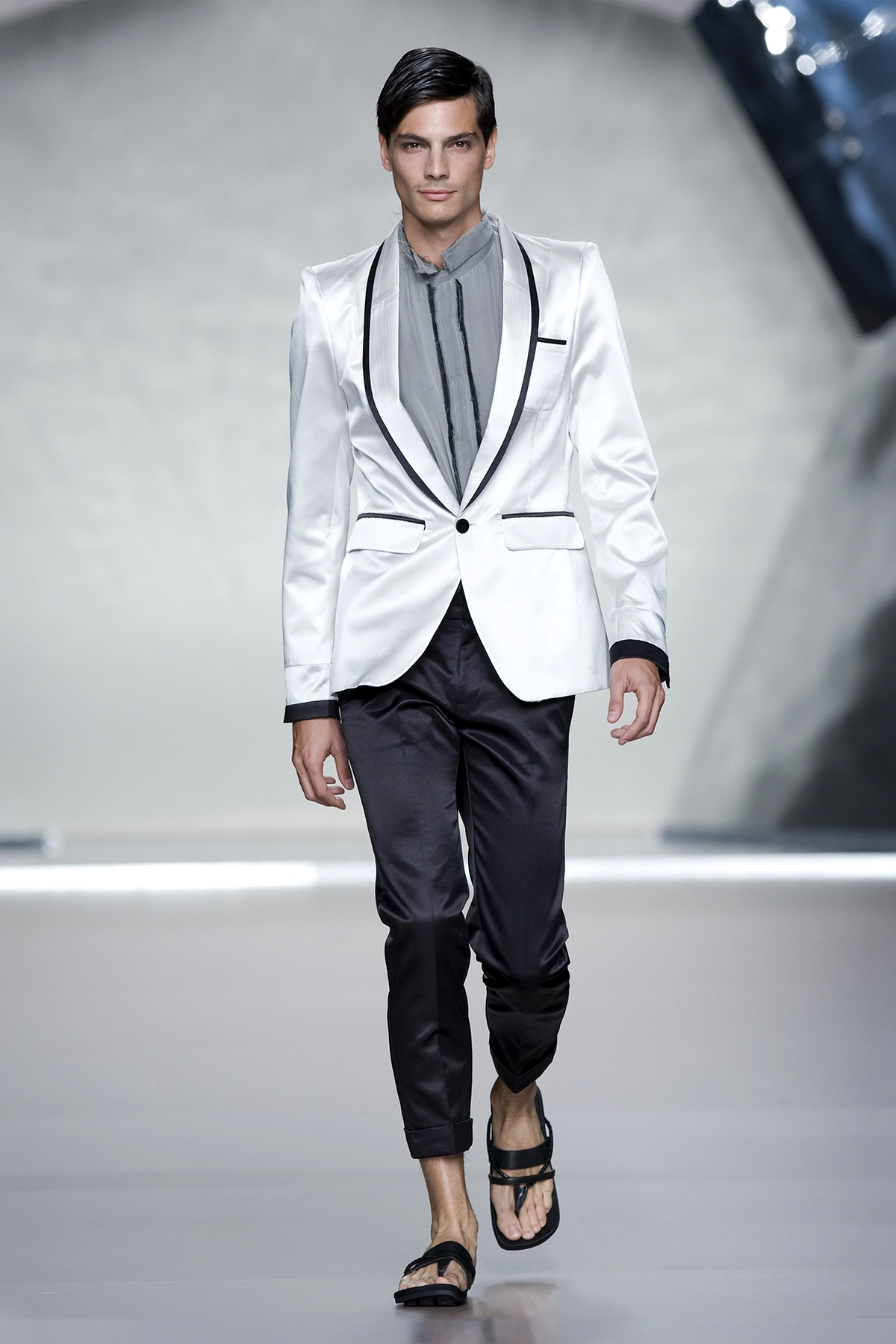
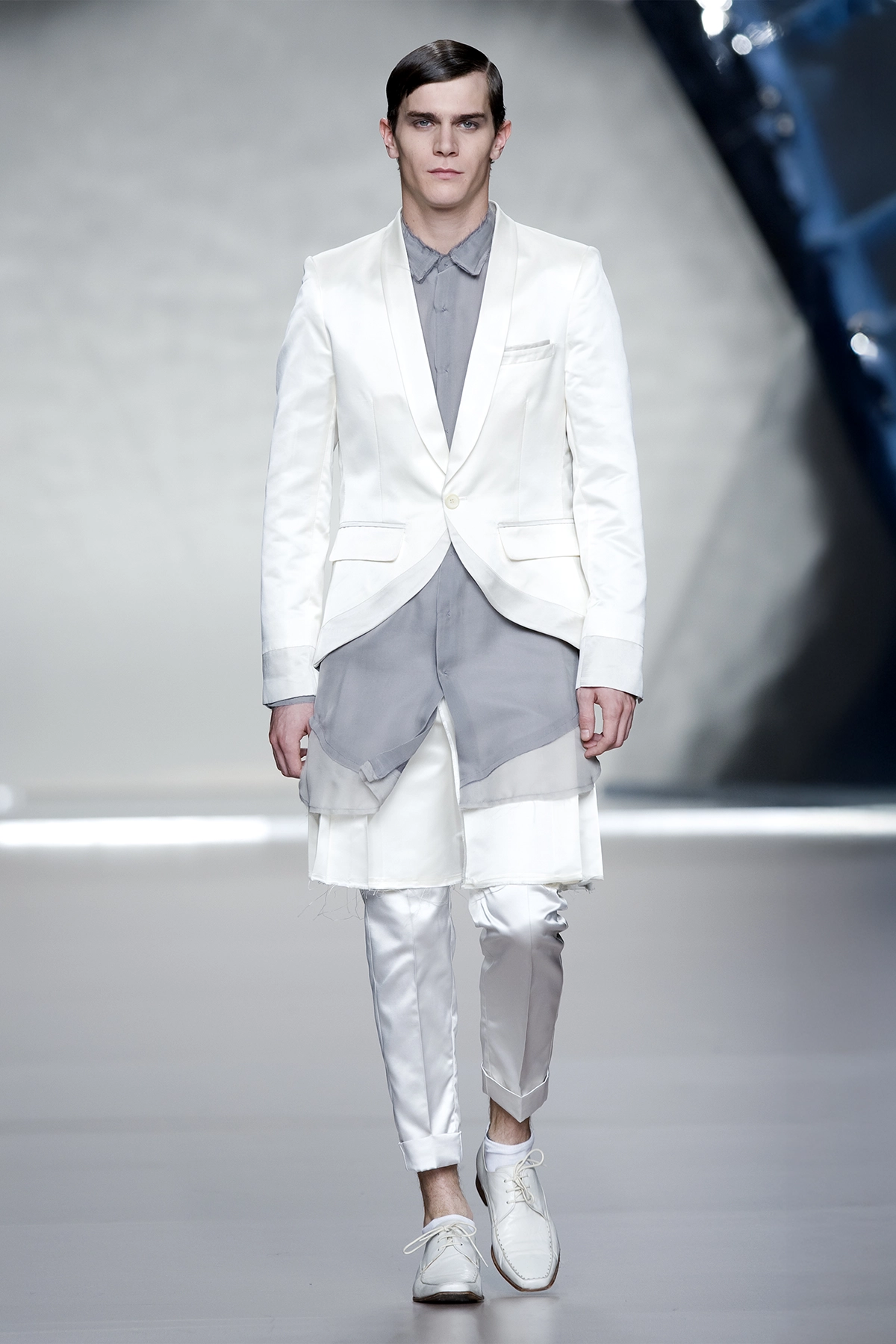
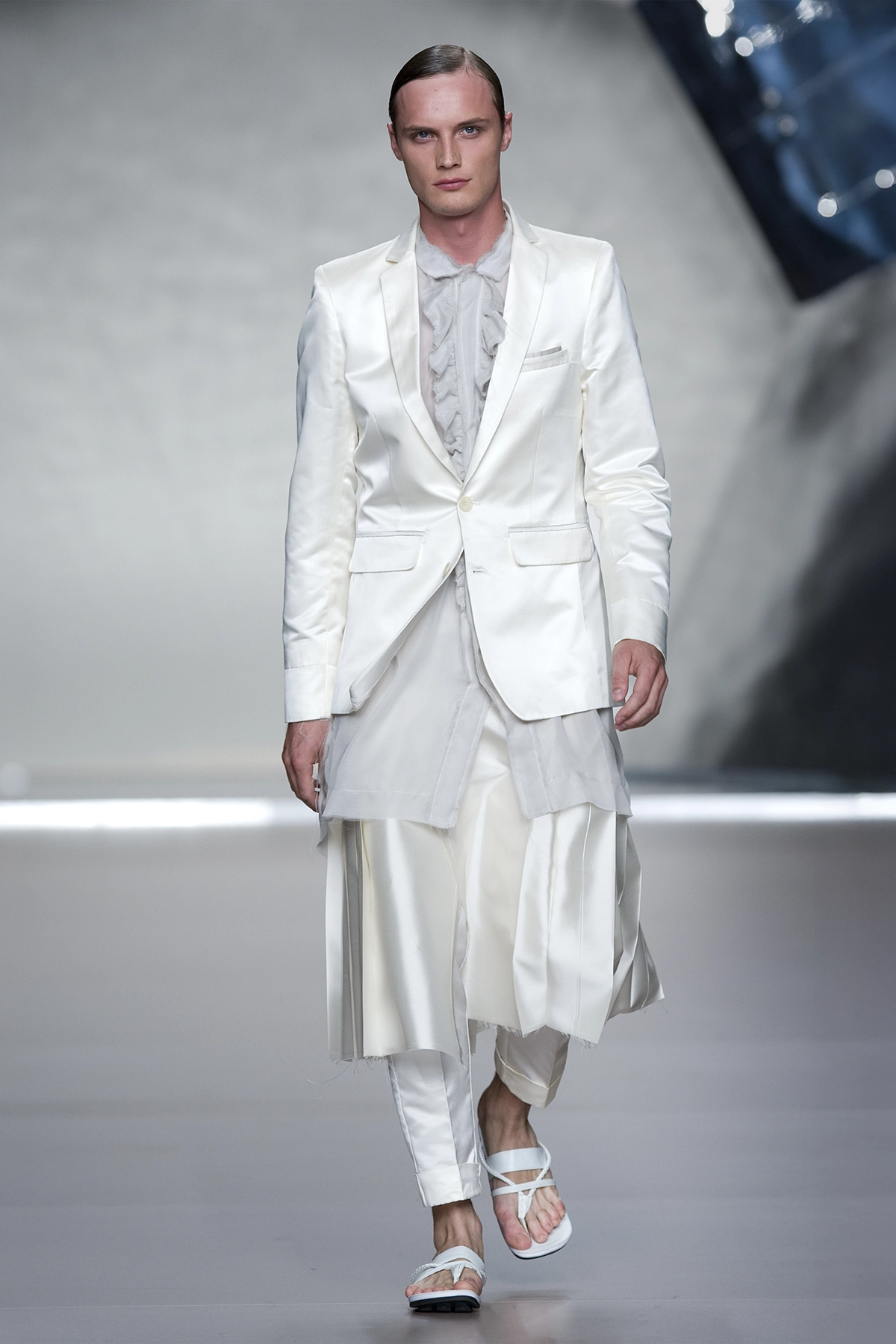
The fear of future defeat overshadows all satisfaction from present victory.
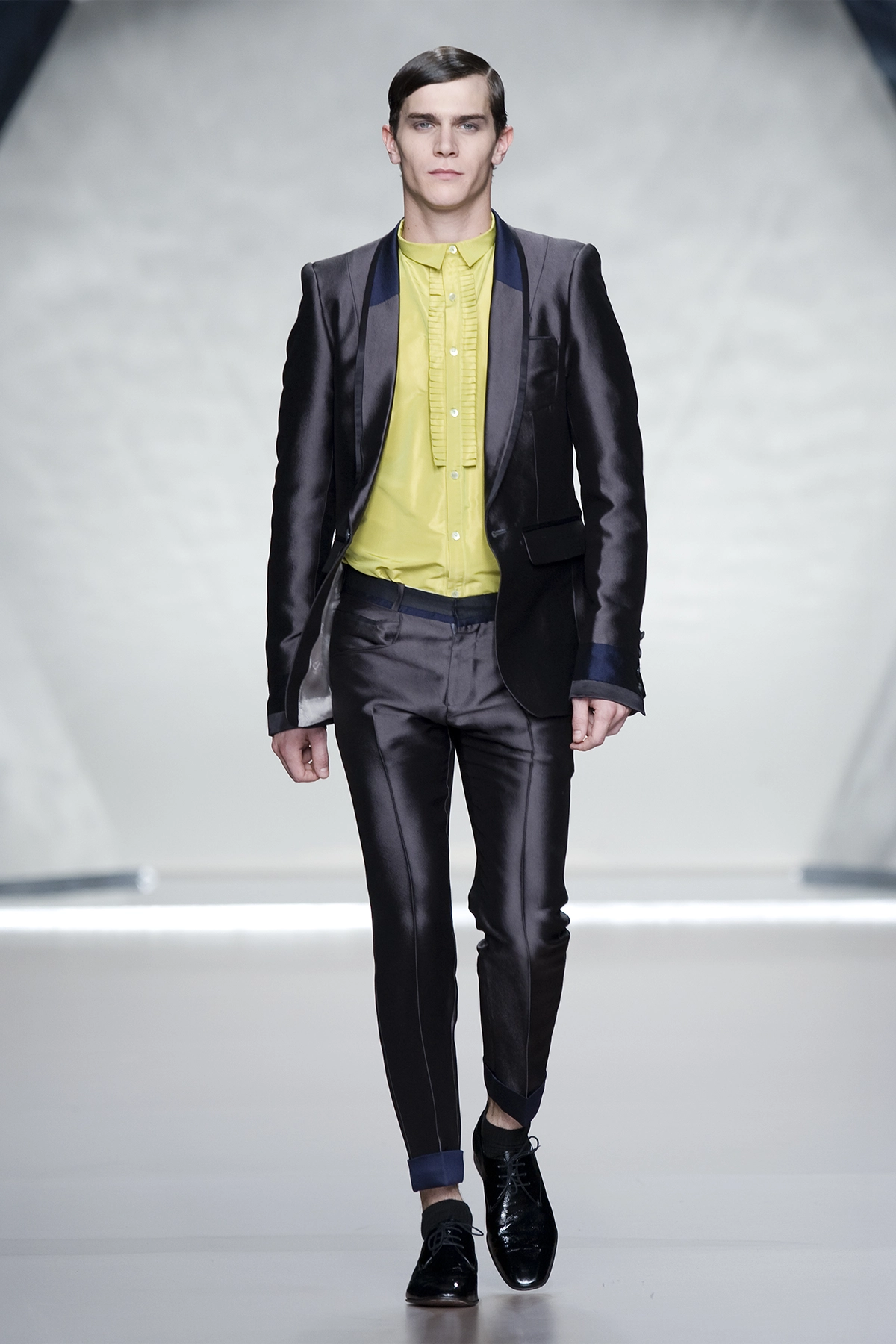
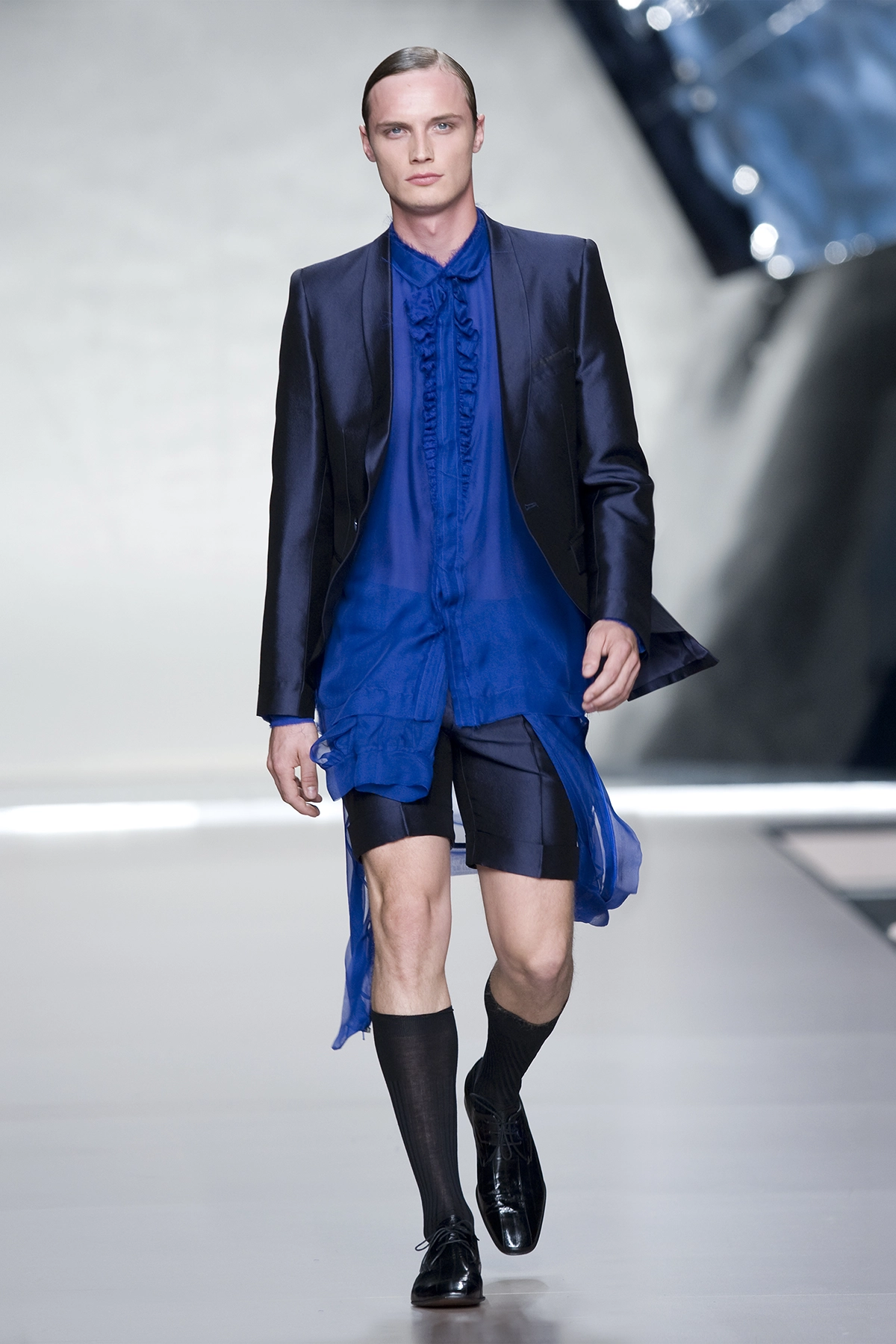
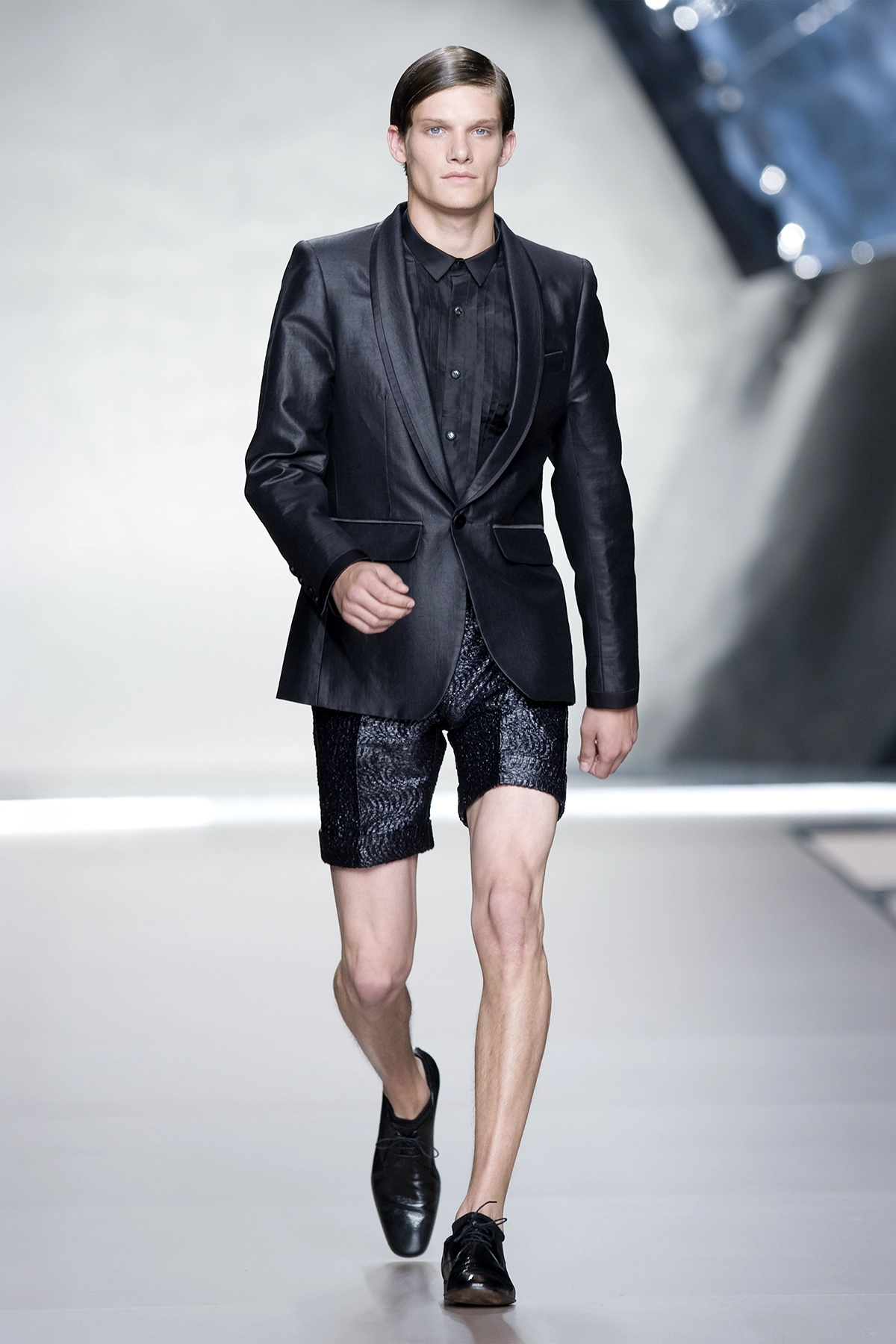
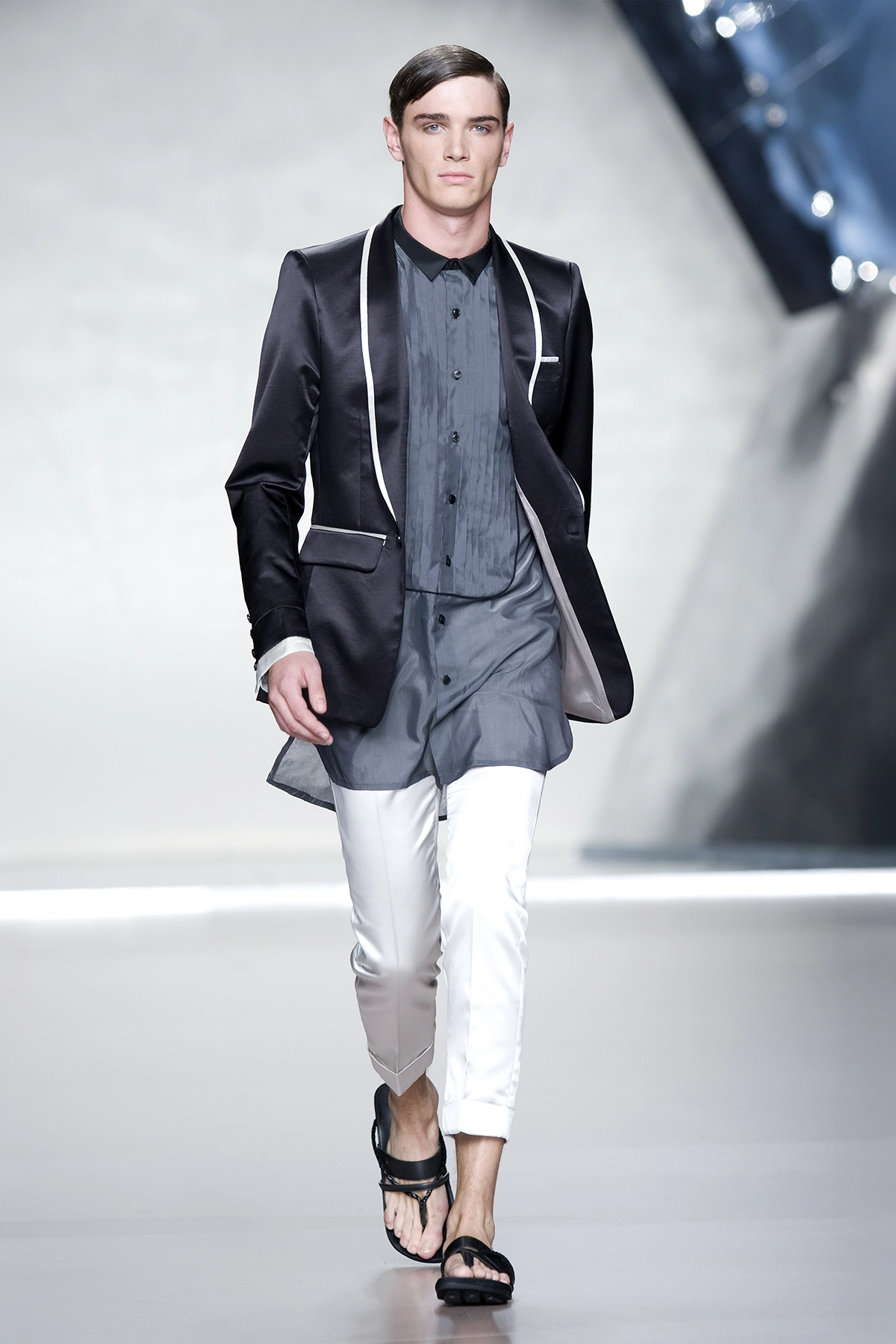
Spring - Summer 2009
ARC
D´HYSTERIE

*
*
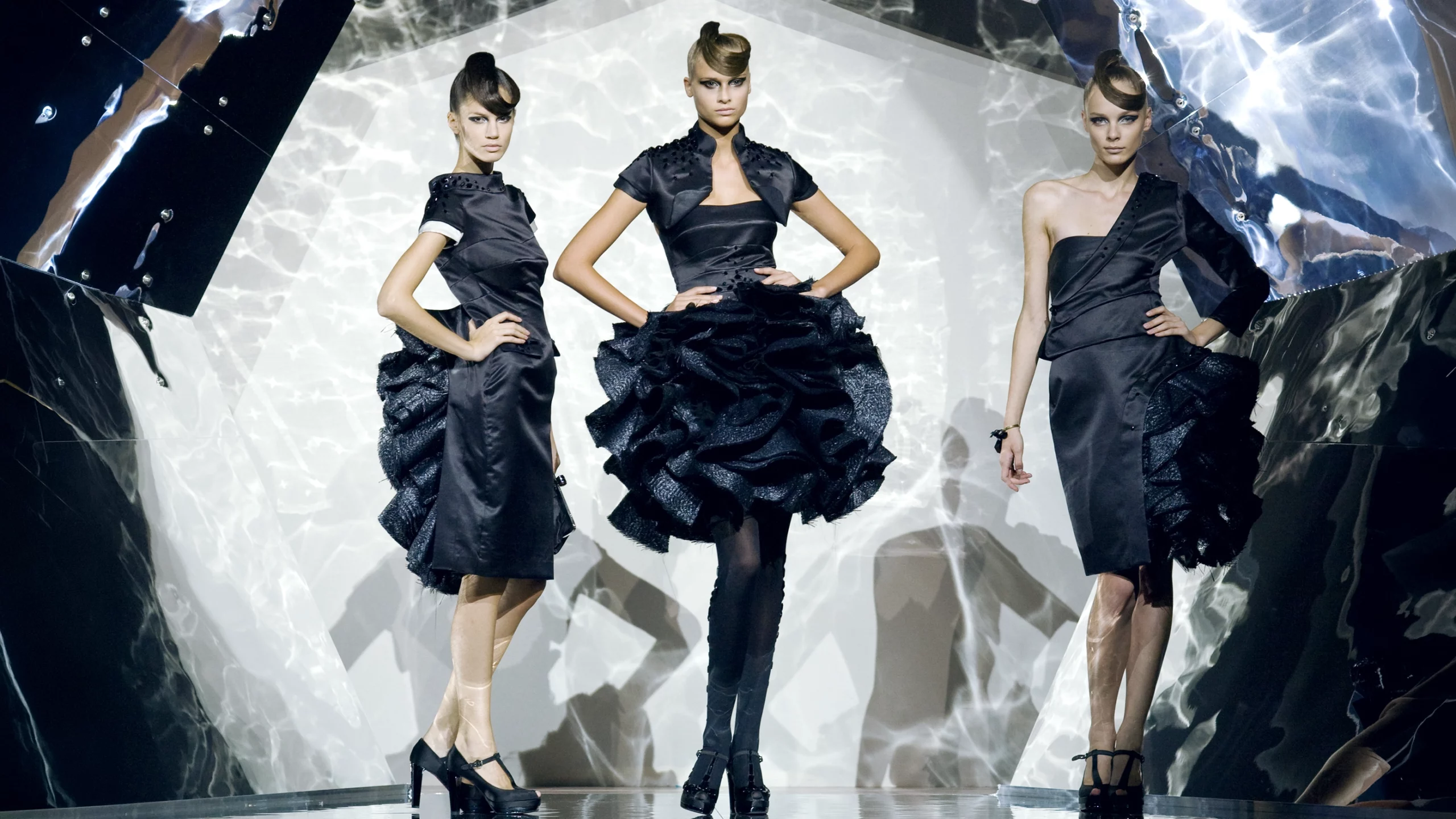
This year is a perfect date to remember one of the most unknown and possibly most revolutionary inventions in the fabulous and controversial world of fashion. A century has passed since Alexander Stepabonner Marcus invented a practical machine based on a kettle and steam that, through its internal combustion, generates an arc of heat that, under the principles of thermodynamics, transforms into a marker of success, into a “Triumphal Arch”.
Its inventor claimed that with the proper knowledge of the nature of heat and the great laws governing energy conversions, one could perfectly visualize the most suitable path to achieve “The Triumph”, its development, duration, how to dominate criticism, critics, and not only how to achieve it, but, more importantly, how to maintain it and ensure that the arc is always ascending.
And to attest to the good functioning of his invention, Alexander kept in his diaries (still unpublished) letters from some of his most well-known clients. It is said that his machine was responsible for the success of such prestigious creators in the history of fashion as: Jeanne Lanvin, Jacques Fath, Jean Patou, Coco Chanel, Elsa Schiaparelli… Among others.
One of his most critical contemporaries of his machine was the well-known writer, chronicler, and fashion analyst Alexis Tzonis, a representative of the skepticism and negativism of the creative and cultural development of the fashion world of the time. Alexis was the great visionary of what is known today as “Arch of Hypochondria” or formerly “Arch of Hysteria”.
His writings dealt with constant negativism, Alexis strongly opposed Alexander Marcus’s machine and its unquestionable success.
His theory was based on the illusory fact that savoring victory is irremediably linked to the constant threat that today’s triumph does not guarantee tomorrow’s, of how the fear of future defeat eclipses all satisfaction with present victory. Alexis defines any moment of glory as the antechamber of failure, since the fear of losing it prevents one from enjoying it.
His theories are currently referred to in the fashion world as a form of hypochondria, but it is nothing more than the modern form of the ancient “Arc d´ Hystérie”. His theories continue to speak of the constant obligation to compete tirelessly, of the agonizing ethic of “walk or bust”, of “row or sink”, they speak of the inexorable tragedy of “dance, dance, you damned”, of the impossibility of escaping the strict calendar and, above all, of the constant threat of losing success.
Given both sides of the scale, it is necessary to balance theories, and for this, it is worth highlighting and taking into account the only scientist that the fashion world has contributed, Stanley Bitter, whose main theory, promulgated more than a century ago, was based on the constant arc of the growth and decline of success in fashion. Bitter stated in his best-known theory that fashion is grander the greater the simplicity of its premises, the more different the type of product it relates and offers, and the wider the range of applicability to the appropriate target.
Alexander Marcus’s success machine, Alexis Tzonis’s negative determinism, and Stanley Bitter’s industrial strategy give us a broad spectrum where we can take refuge to live and face the current fashion environment and its “Arc d´ hystérie” in different ways.
This year is a perfect date to remember one of the most unknown and possibly most revolutionary inventions in the fabulous and controversial world of fashion. A century has passed since Alexander Stepabonner Marcus invented a practical machine based on a kettle and steam that, through its internal combustion, generates an arc of heat that, under the principles of thermodynamics, transforms into a marker of success, into a “Triumphal Arch”.
Its inventor claimed that with the proper knowledge of the nature of heat and the great laws governing energy conversions, one could perfectly visualize the most suitable path to achieve “The Triumph”, its development, duration, how to dominate criticism, critics, and not only how to achieve it, but, more importantly, how to maintain it and ensure that the arc is always ascending.
And to attest to the good functioning of his invention, Alexander kept in his diaries (still unpublished) letters from some of his most well-known clients. It is said that his machine was responsible for the success of such prestigious creators in the history of fashion as: Jeanne Lanvin, Jacques Fath, Jean Patou, Coco Chanel, Elsa Schiaparelli… Among others.
One of his most critical contemporaries of his machine was the well-known writer, chronicler, and fashion analyst Alexis Tzonis, a representative of the skepticism and negativism of the creative and cultural development of the fashion world of the time. Alexis was the great visionary of what is known today as “Arch of Hypochondria” or formerly “Arch of Hysteria”.
His writings dealt with constant negativism, Alexis strongly opposed Alexander Marcus’s machine and its unquestionable success.
His theory was based on the illusory fact that savoring victory is irremediably linked to the constant threat that today’s triumph does not guarantee tomorrow’s, of how the fear of future defeat eclipses all satisfaction with present victory. Alexis defines any moment of glory as the antechamber of failure, since the fear of losing it prevents one from enjoying it.
His theories are currently referred to in the fashion world as a form of hypochondria, but it is nothing more than the modern form of the ancient “Arc d´ Hystérie”. His theories continue to speak of the constant obligation to compete tirelessly, of the agonizing ethic of “walk or bust”, of “row or sink”, they speak of the inexorable tragedy of “dance, dance, you damned”, of the impossibility of escaping the strict calendar and, above all, of the constant threat of losing success.
Given both sides of the scale, it is necessary to balance theories, and for this, it is worth highlighting and taking into account the only scientist that the fashion world has contributed, Stanley Bitter, whose main theory, promulgated more than a century ago, was based on the constant arc of the growth and decline of success in fashion. Bitter stated in his best-known theory that fashion is grander the greater the simplicity of its premises, the more different the type of product it relates and offers, and the wider the range of applicability to the appropriate target.
Alexander Marcus’s success machine, Alexis Tzonis’s negative determinism, and Stanley Bitter’s industrial strategy give us a broad spectrum where we can take refuge to live and face the current fashion environment and its “Arc d´ hystérie” in different ways.