Kaspar Hauser also embodies the paradox of the contemporary saviour; everyone wants to believe in him, except himself.
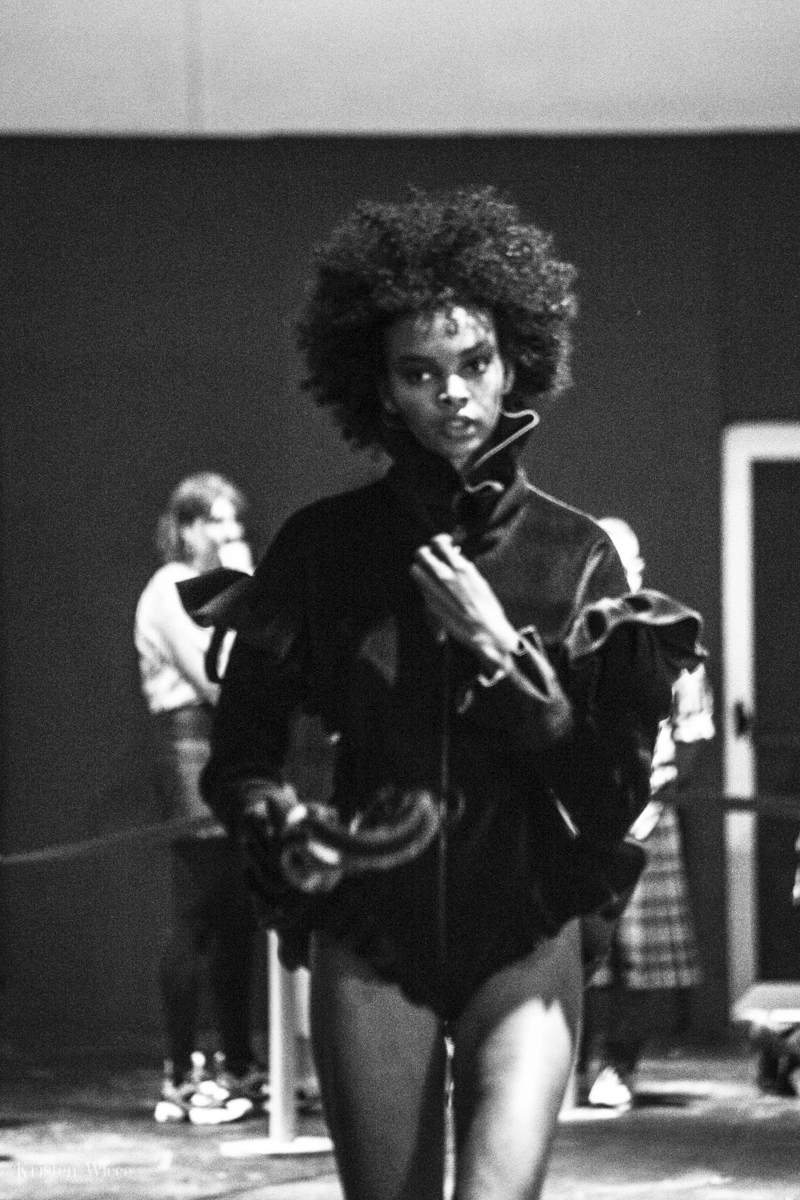
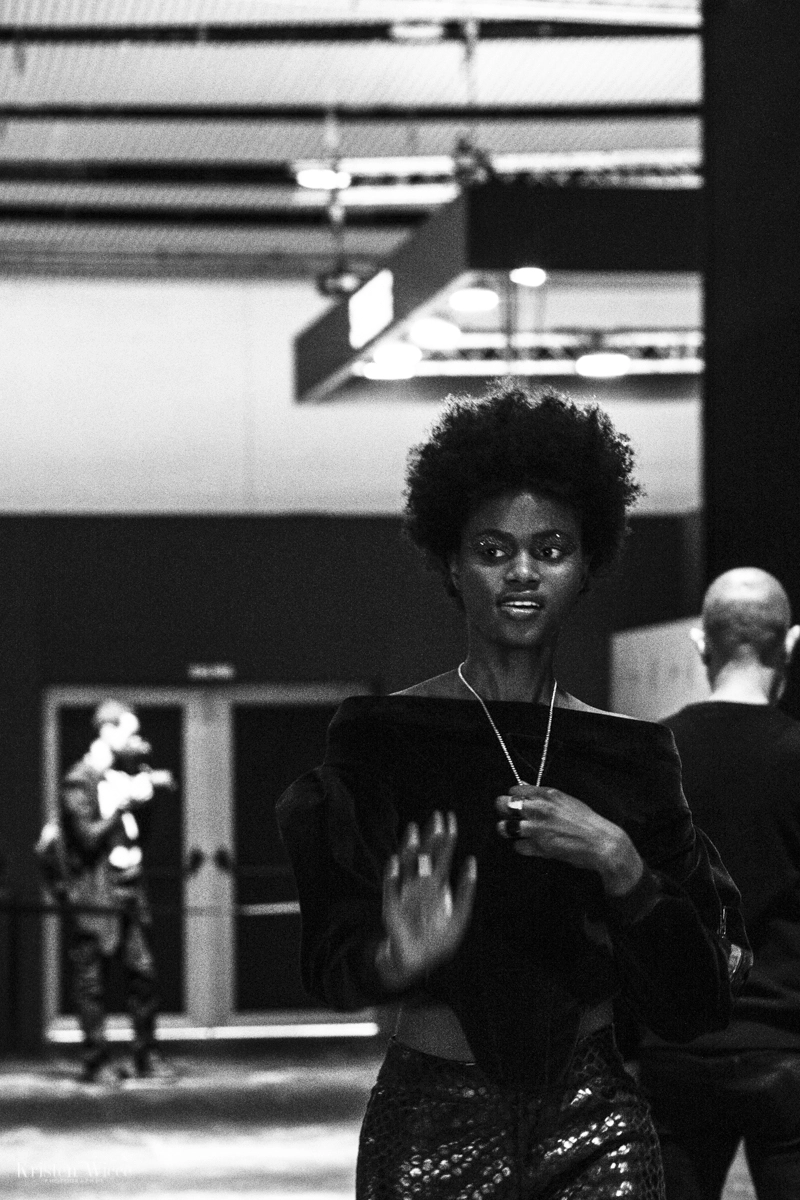
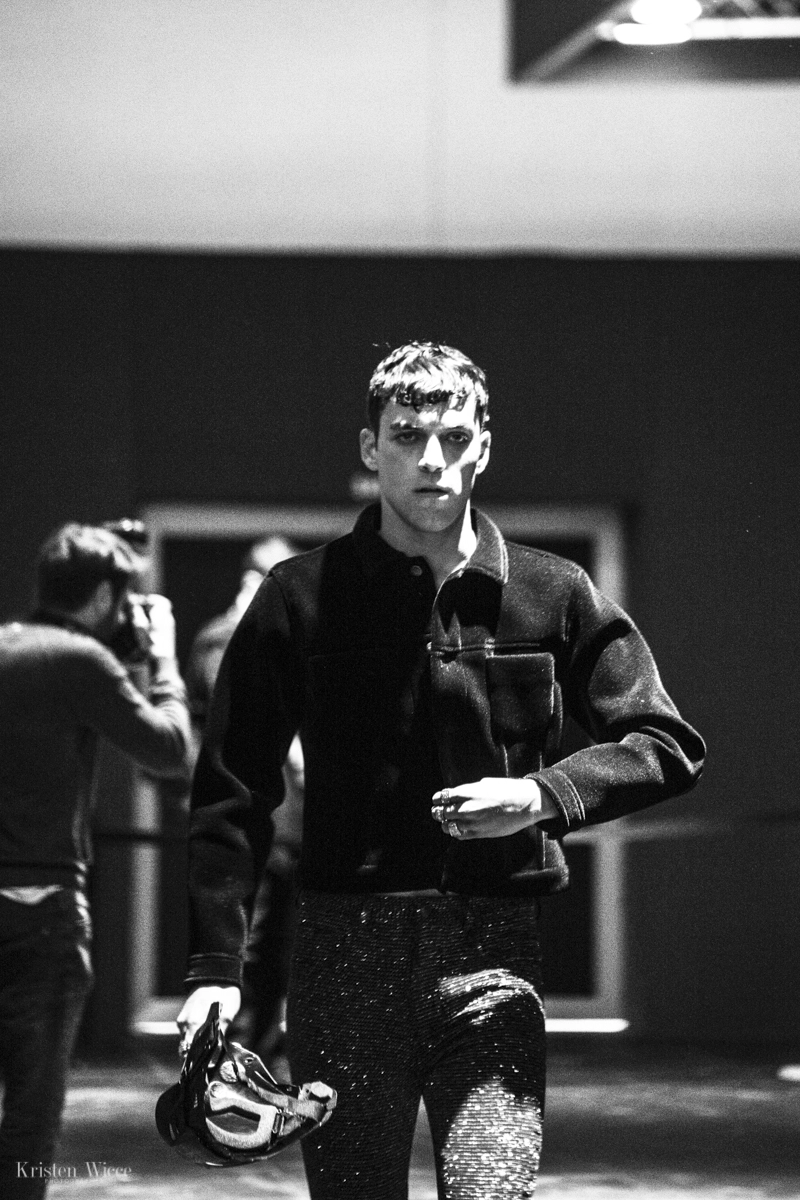
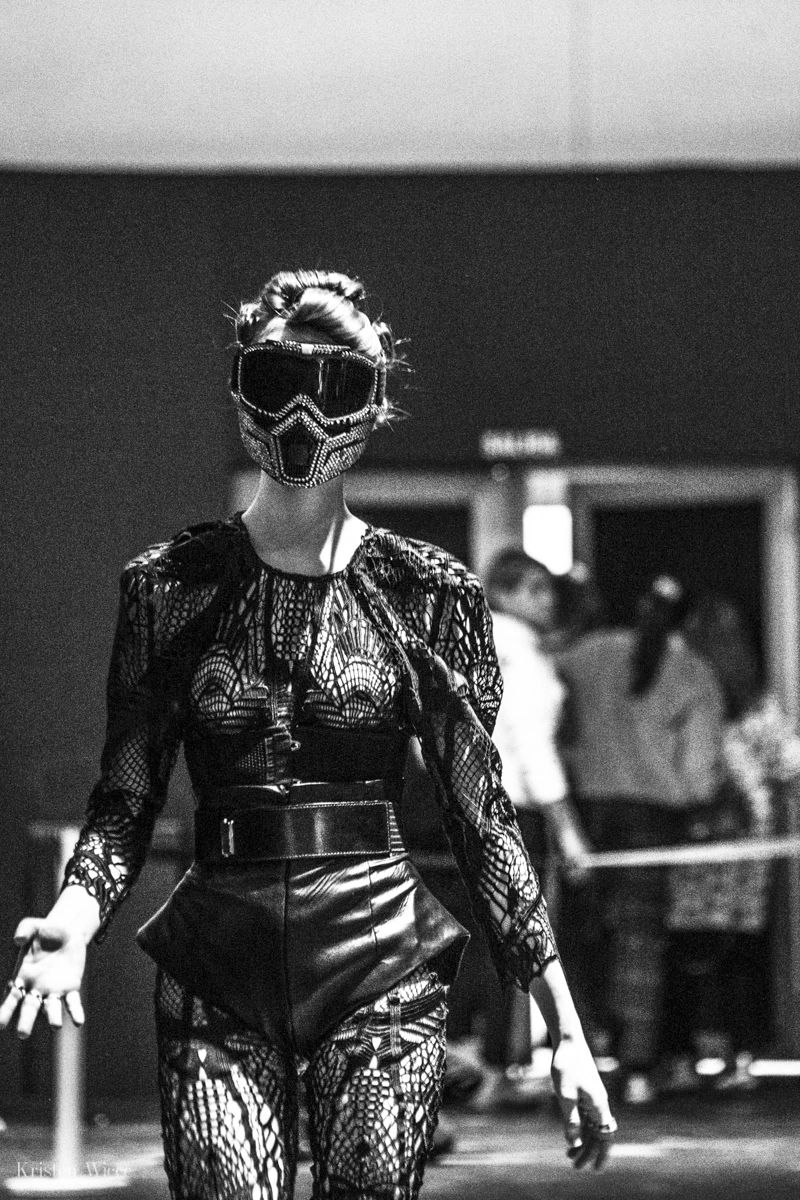
Fall - Winter 2019-20
KASPAR HAUSER
*
*
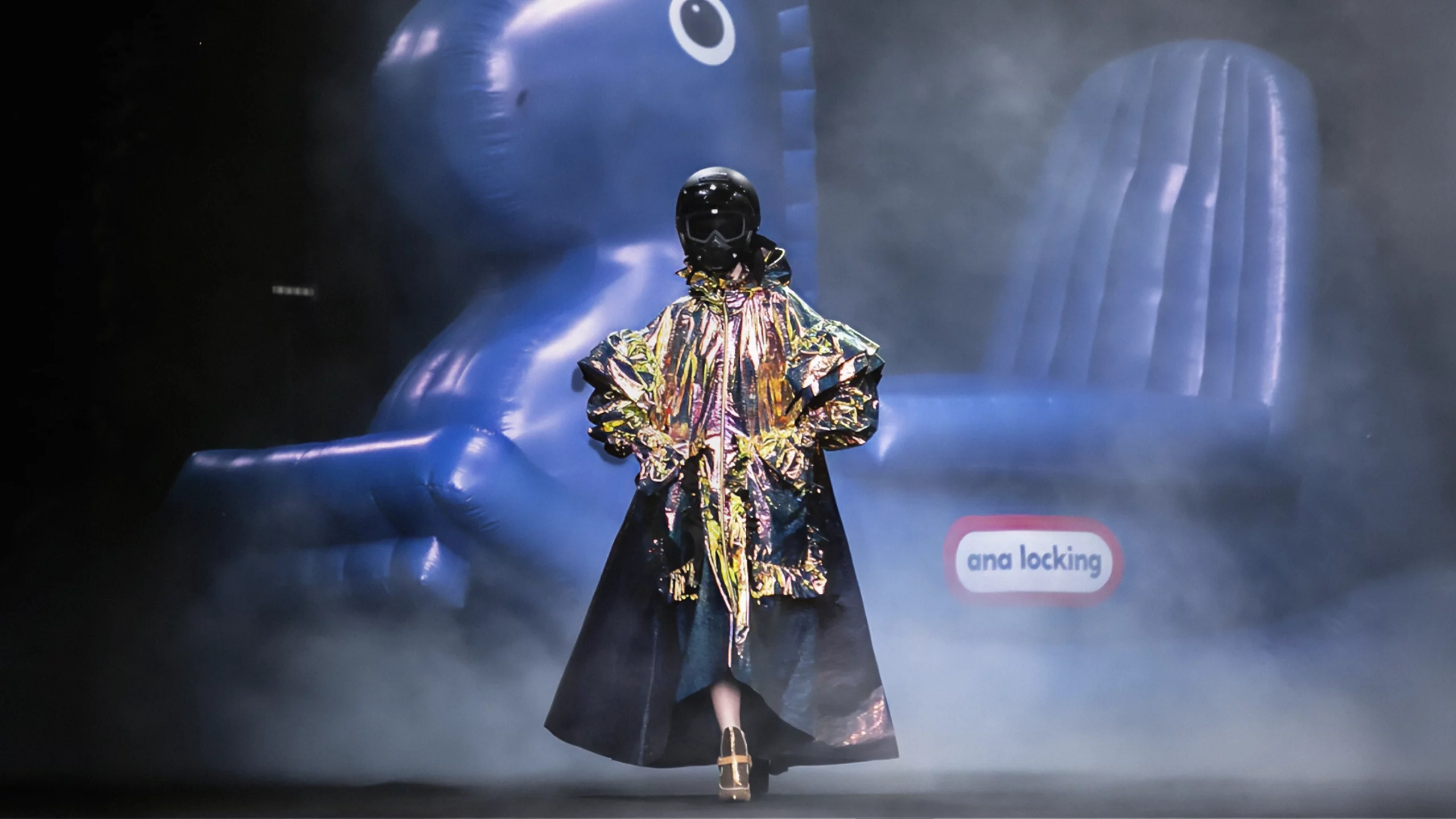
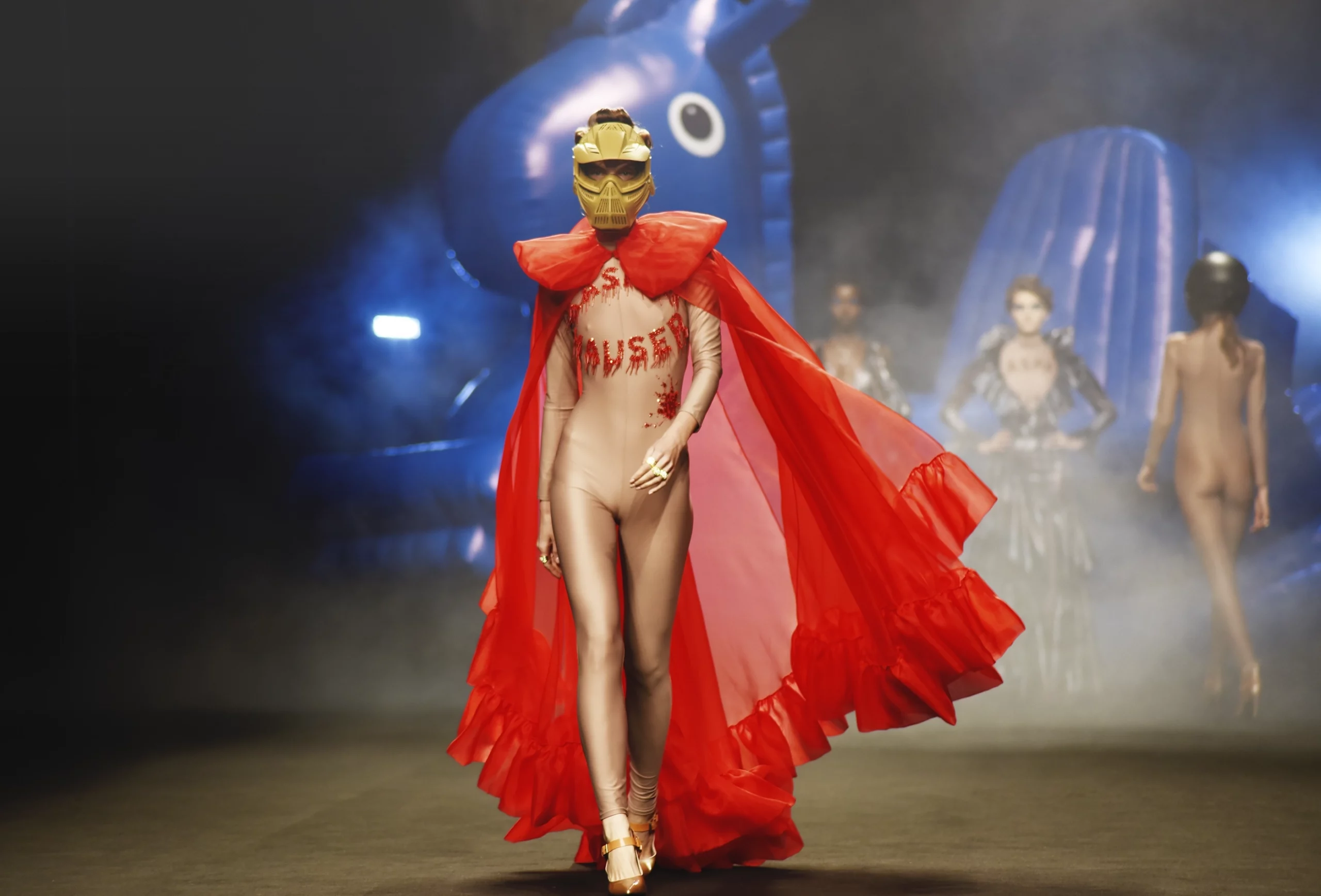
Kaspar Hauser remains one of the most enigmatic figures of nineteenth-century Europe. After more than a decade in absolute captivity, accompanied only by a toy horse, he appeared on the streets of Nuremberg holding a letter that barely contained his name. His gaze was limited, his gestures repetitive, his knowledge reduced to the residue of isolation. Five years later, he would die—stabbed under circumstances as obscure as his own arrival.
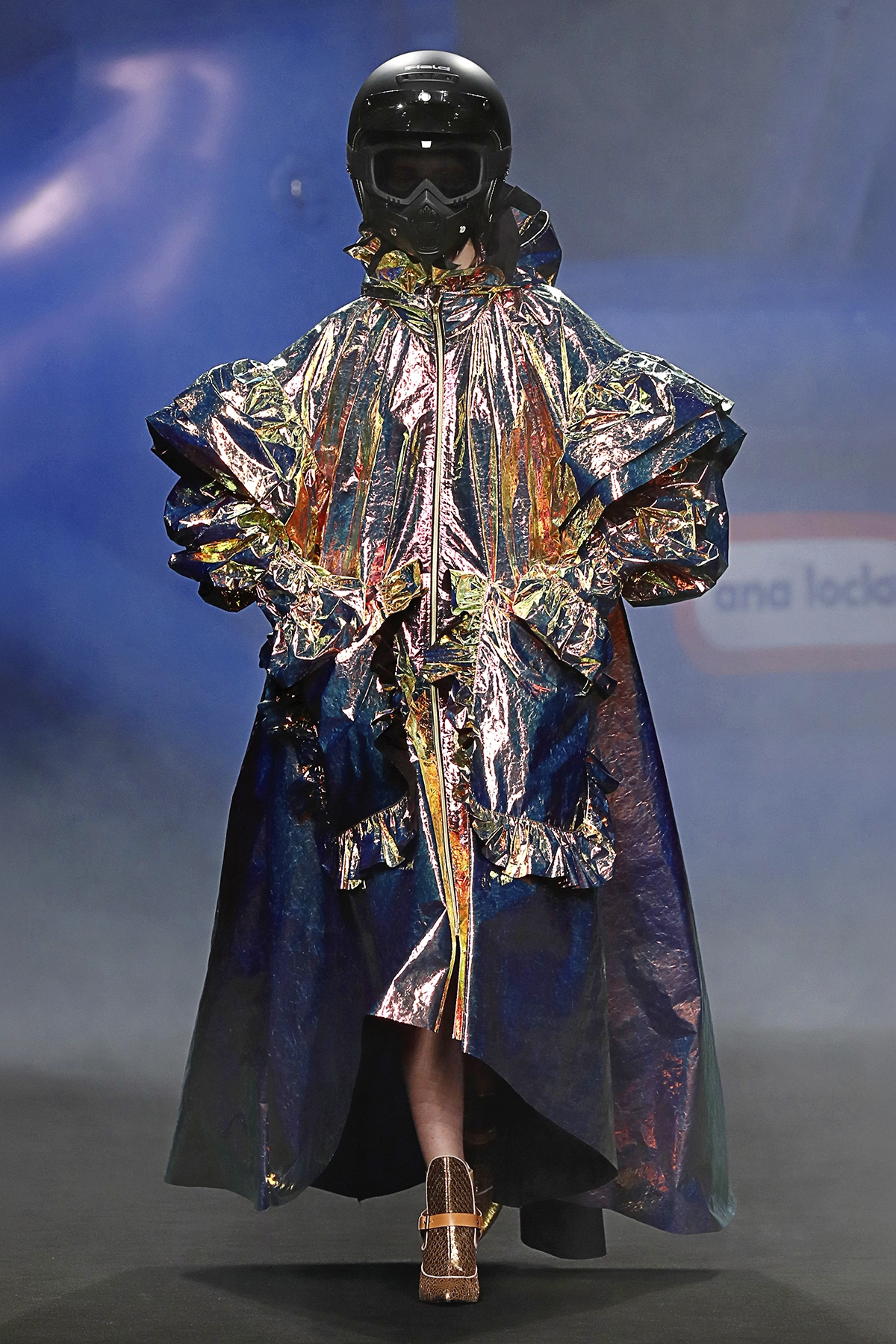
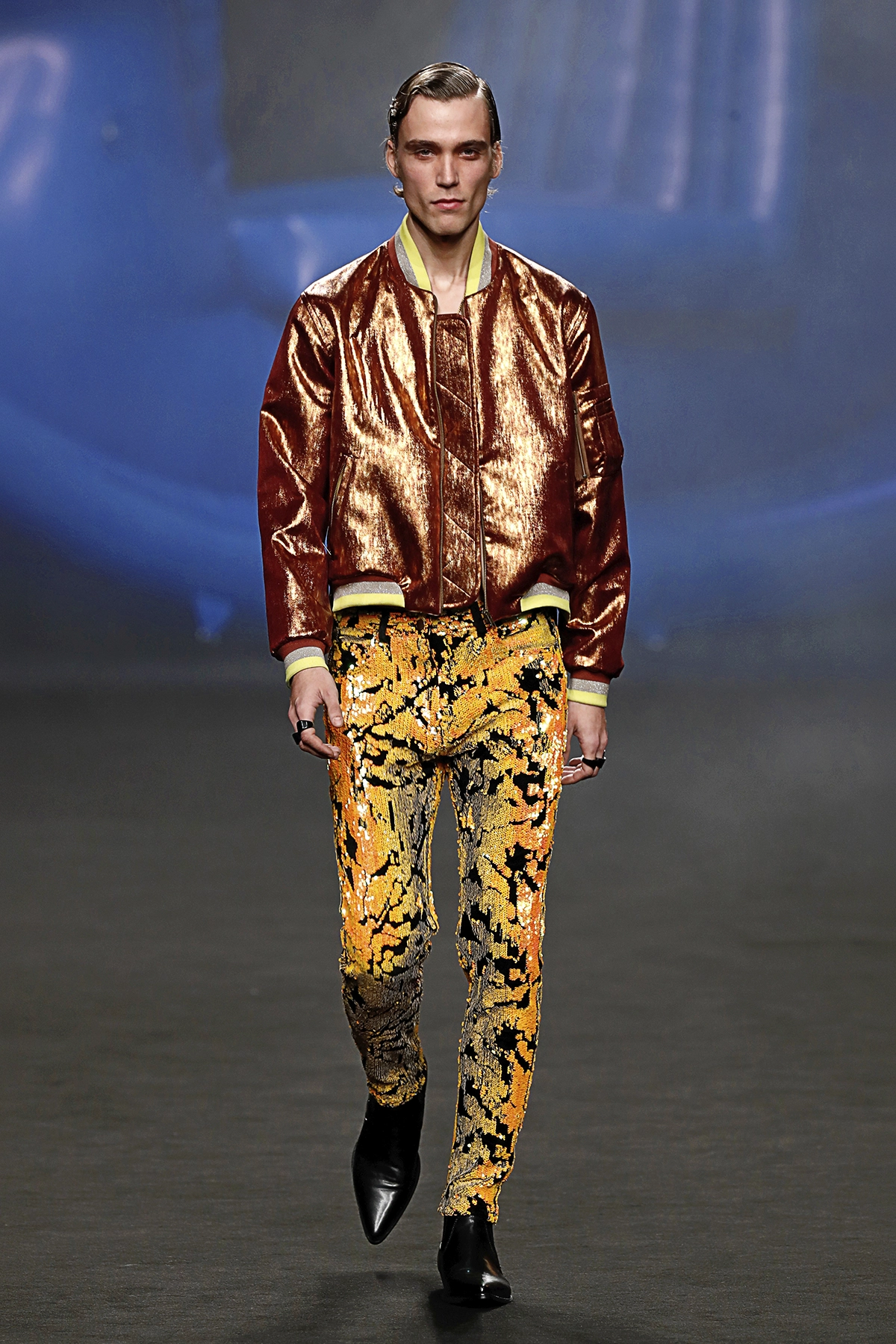
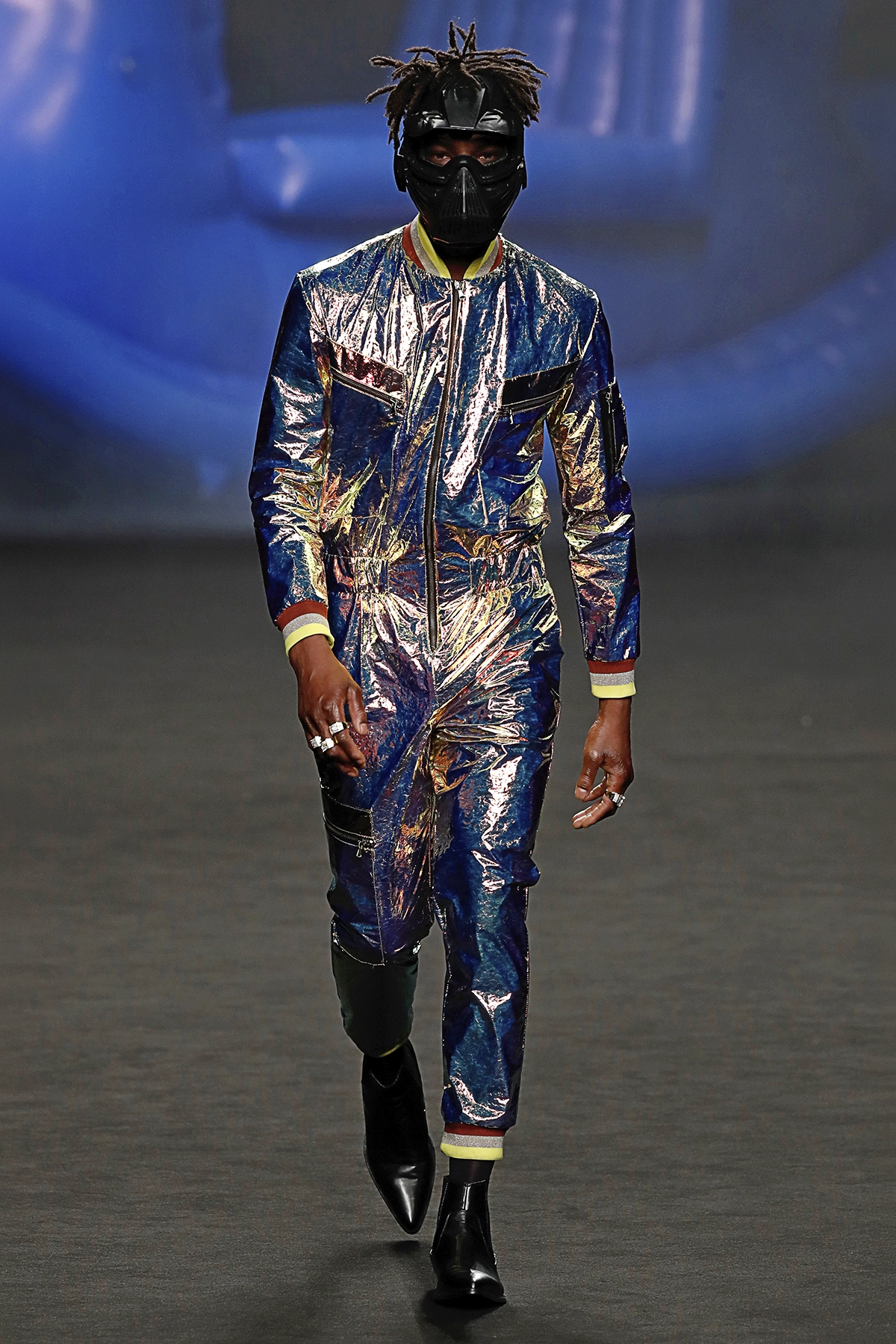
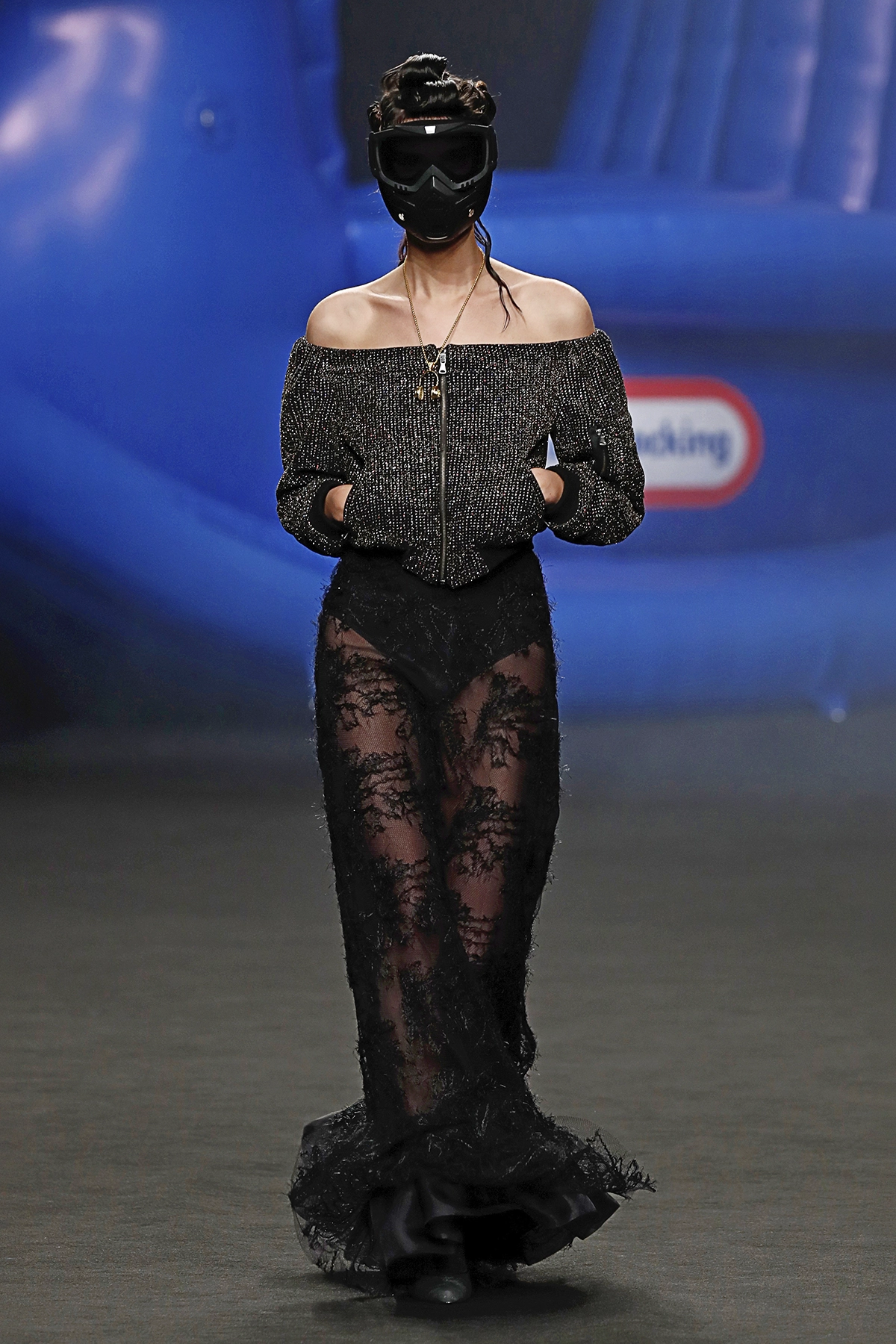
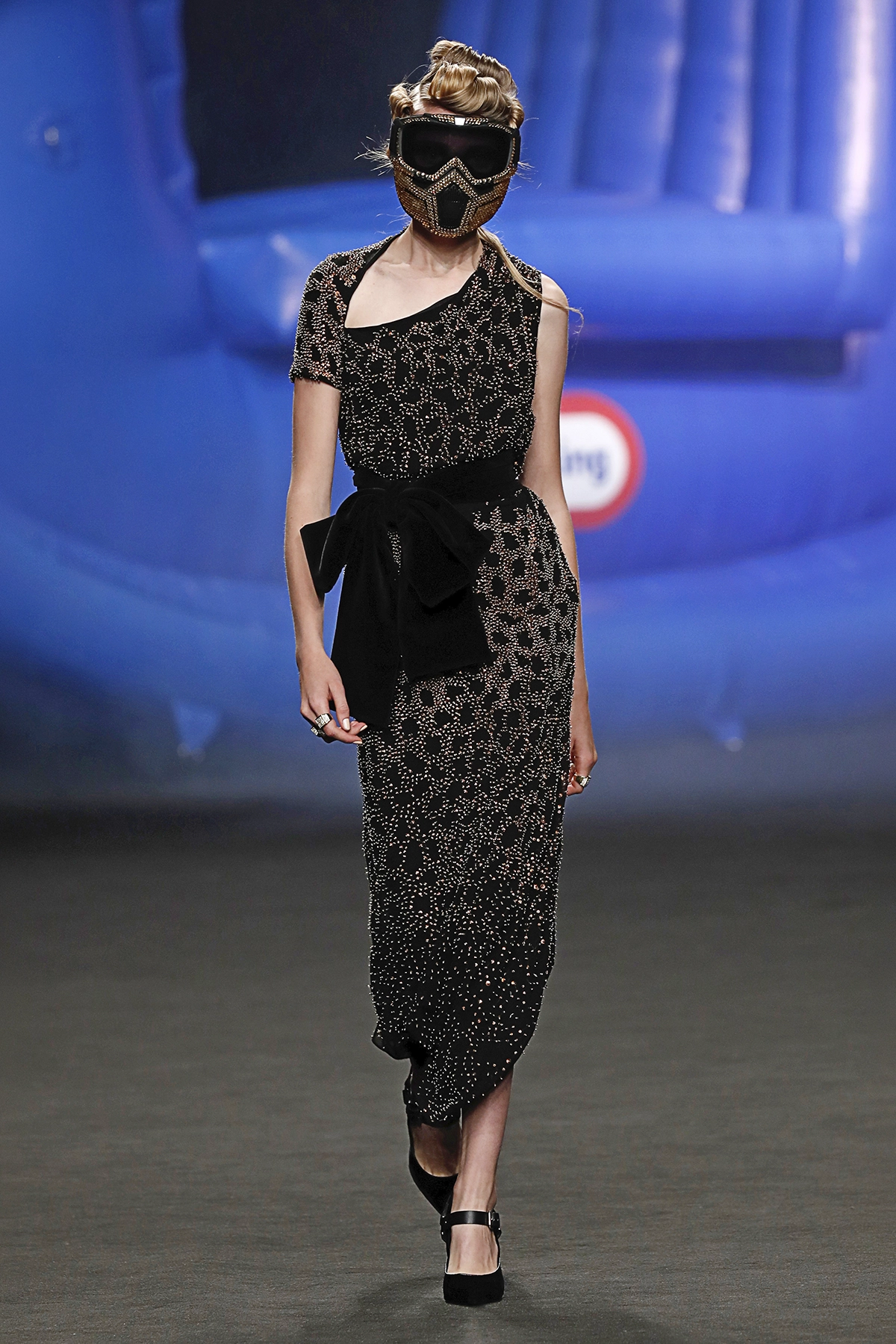
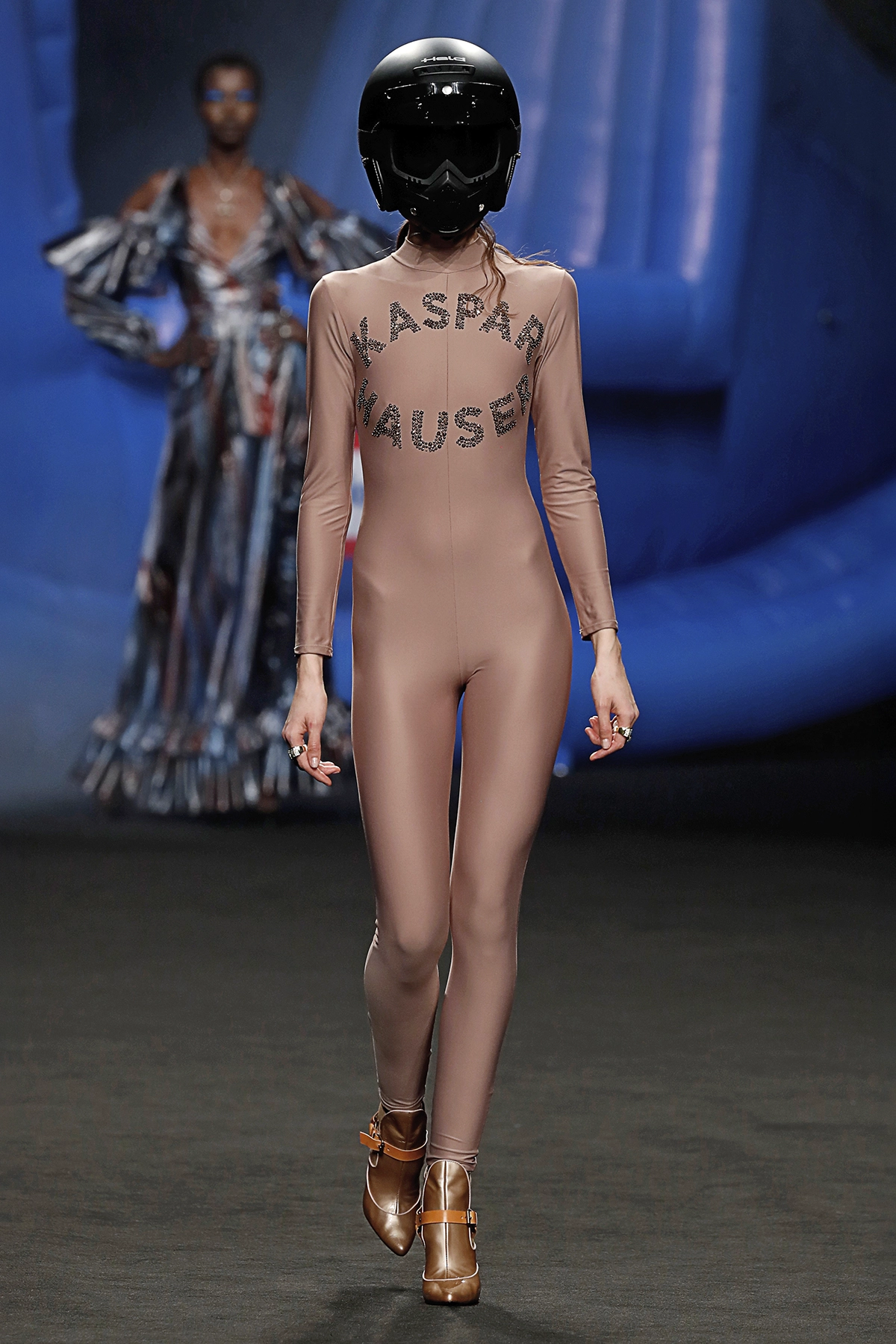
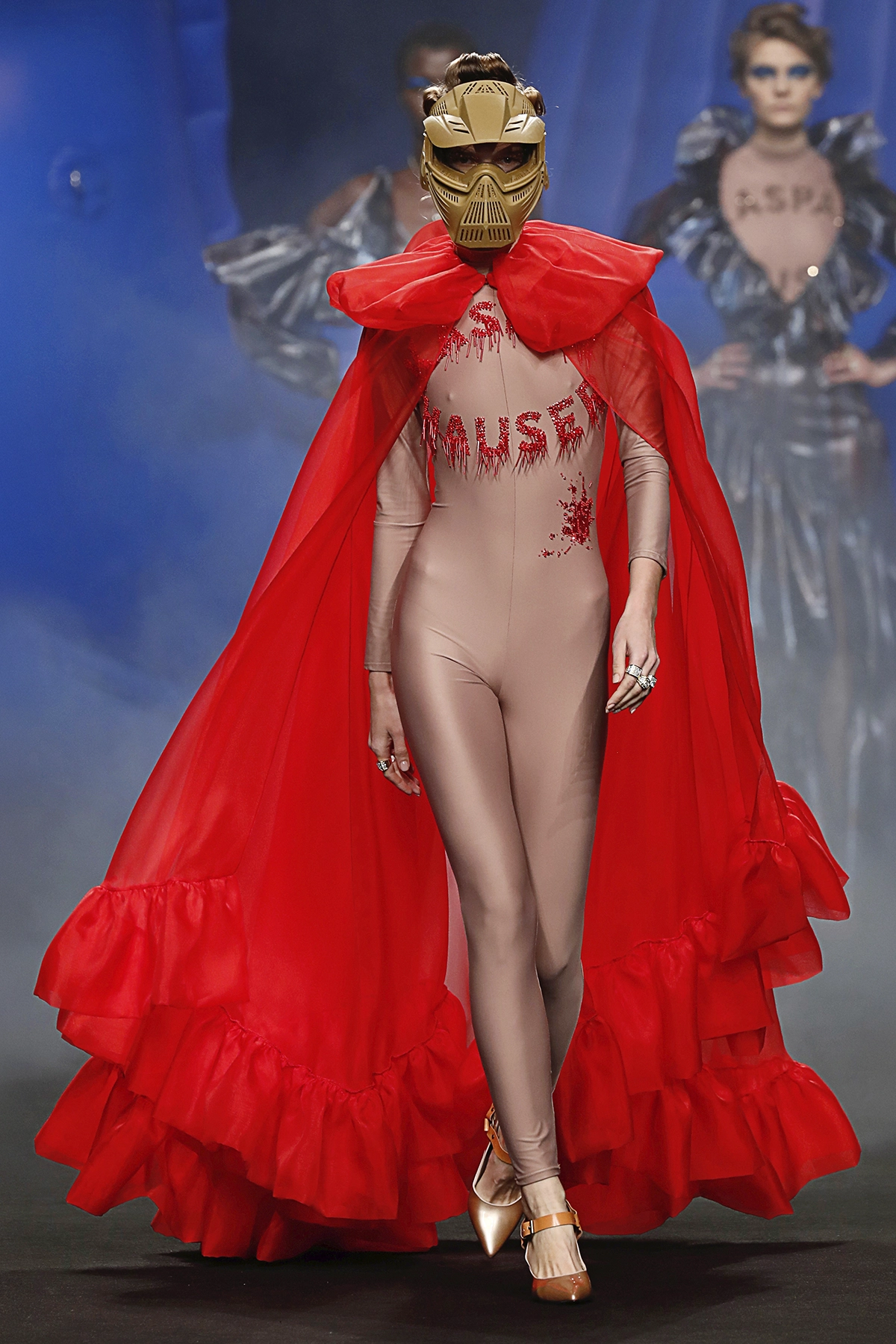
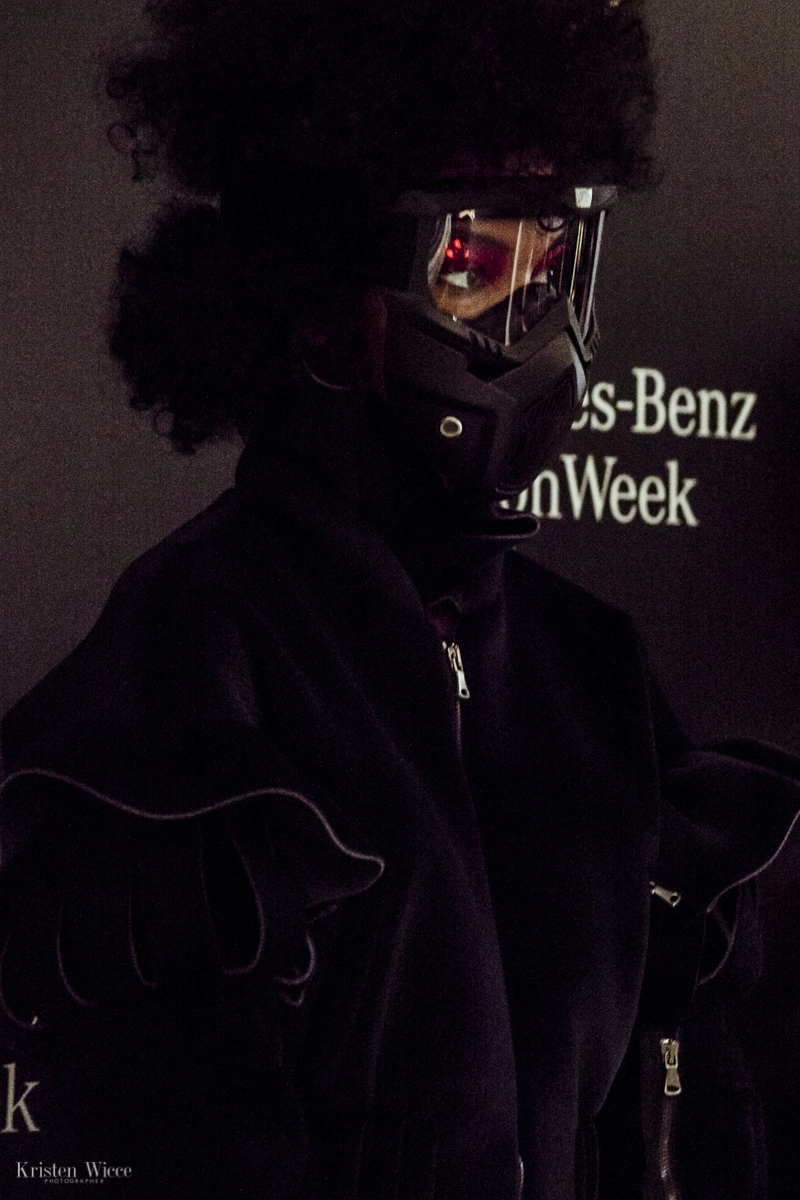
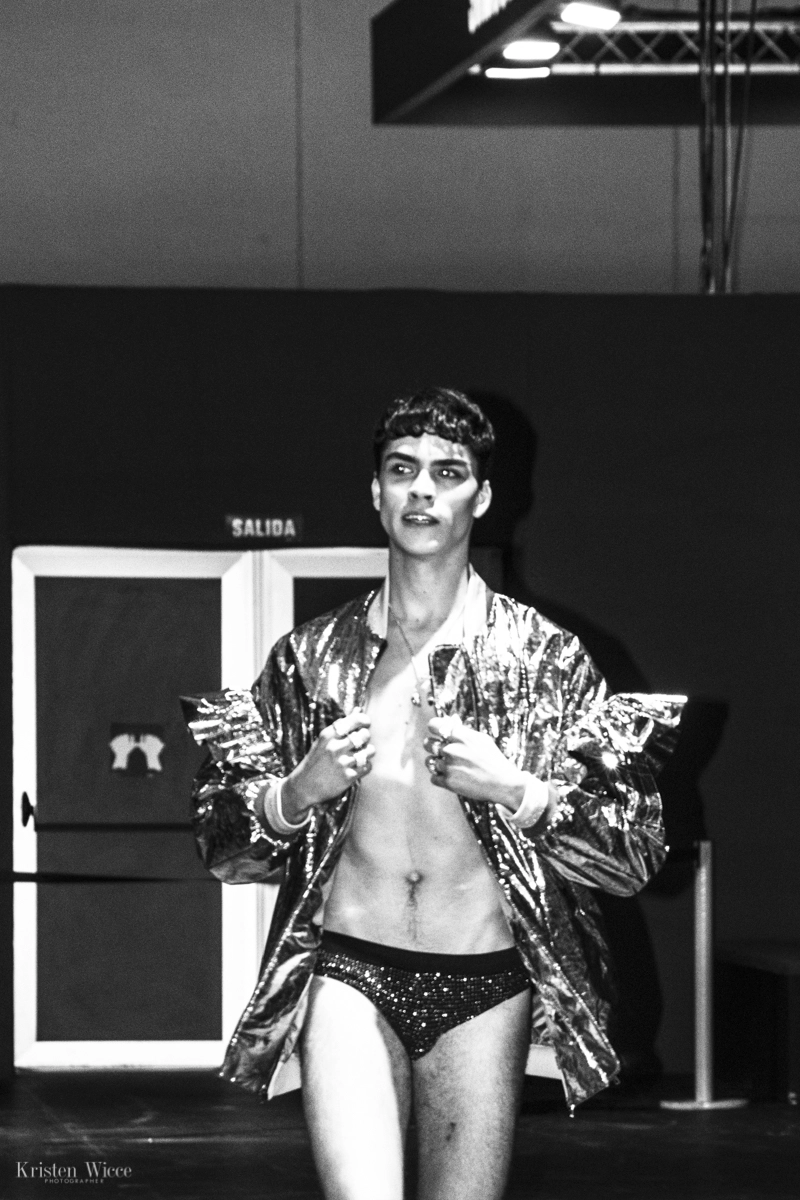
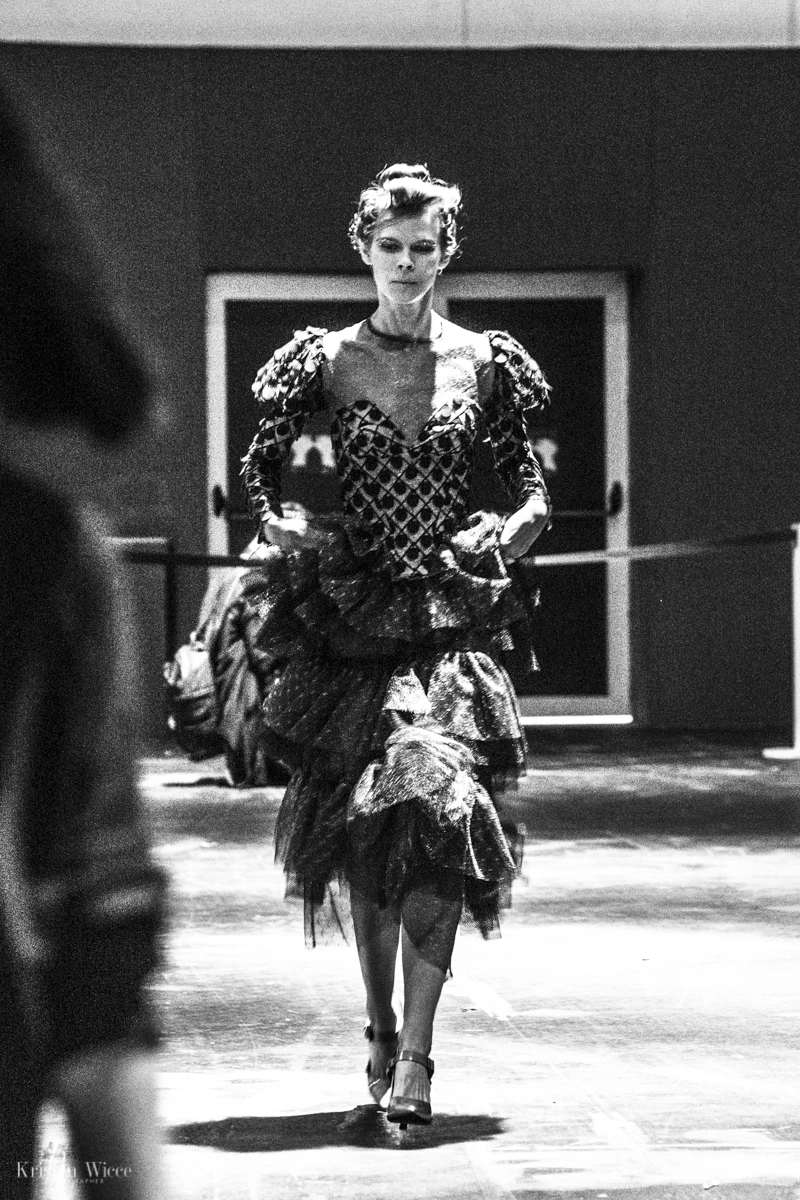
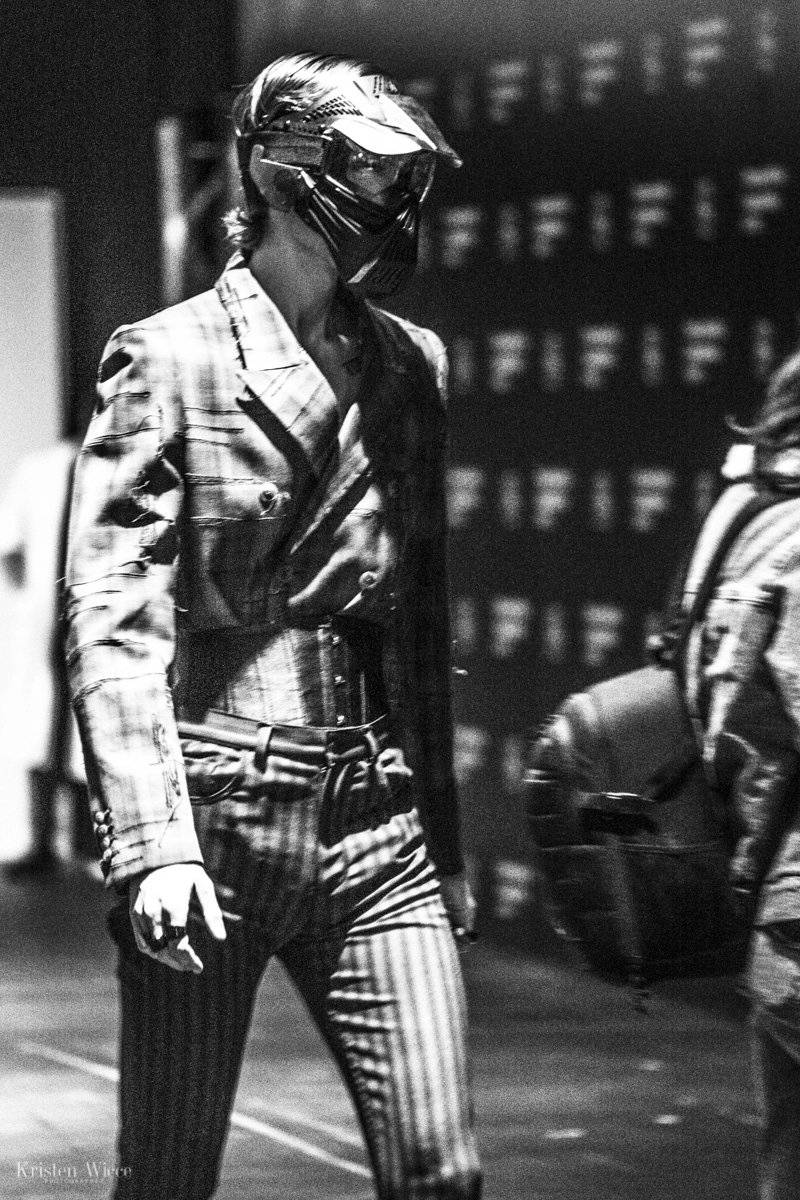
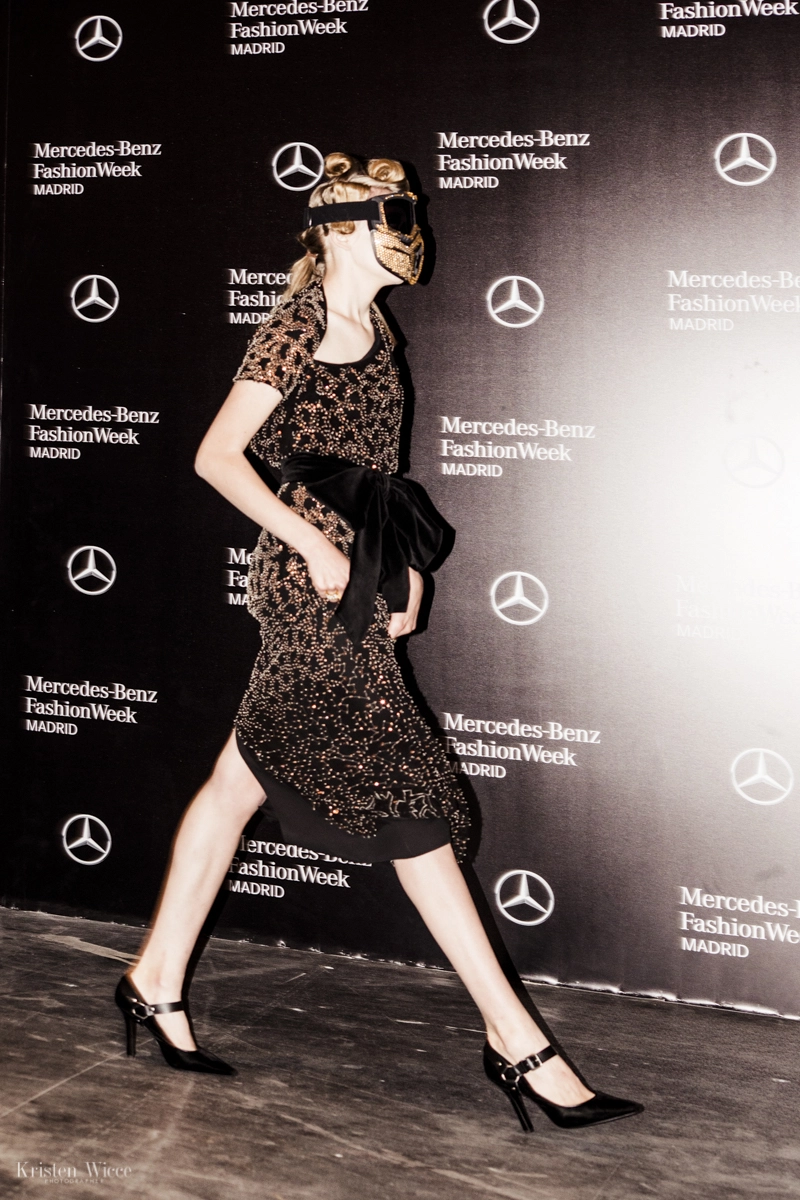
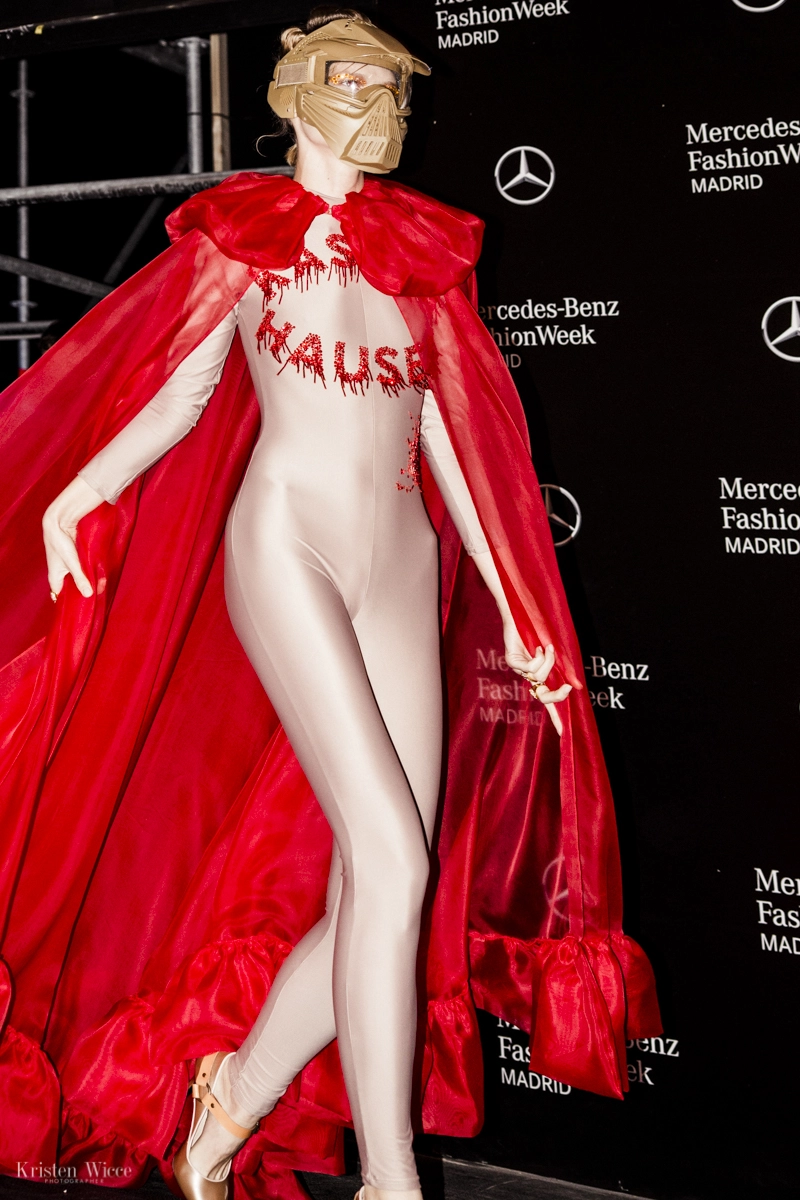
This collection does not seek a literal reading of the legend of the “wild child.” Instead, Kaspar becomes a metaphor for our present: the erosion of real communication, the fragility of identity, the disinterest in genuine knowledge, and the gradual disappearance of non-virtual stimuli in the construction of our sensibility.
My Kaspar is an open, polyphonic, symbolic figure. His lack of singularity—born from the deprivation of freedom—renders him paradoxically unique. A presence that returns to us the question of identity, and of the new forms of confinement—invisible, digital, interior—that shape the contradictions of our time.
Davide Manuli’s Kaspar Hauser was, for me, an explosive source of inspiration: a body that barely speaks, that listens and dances to techno, endlessly repeating “Io sono Kaspar Hauser.” A blunt statement on the limits of a world reduced to absurdity, on the collapse of personality, on the difficulty—and necessity—of constructing a stable identity amid social egocentrism and the noise of individualism.
Kaspar also embodies the paradox of the contemporary saviour; everyone wants to believe in him, except himself. Like Neo in The Matrix, he becomes a projection of a community’s longing for redemption—alienated by repetition, conformity, and social simulation.
If the new prisons of identity are built upon the triumph of the virtual, and if the proclaimed twilight of idols has proven to be an illusion—since we continue to need figures in whom to place faith and trust—Kaspar Hauser functions as a warning. A dark mirror of the spiritual regression that accompanies technological evolution.
Because, in the end, no one can do without real companions for play. Not even Kaspar. Not even us. And perhaps that small toy horse continues to remind us of what matters most: the fragility of our humanity.
Kaspar Hauser remains one of the most enigmatic figures of nineteenth-century Europe. After more than a decade in absolute captivity, accompanied only by a toy horse, he appeared on the streets of Nuremberg holding a letter that barely contained his name. His gaze was limited, his gestures repetitive, his knowledge reduced to the residue of isolation. Five years later, he would die—stabbed under circumstances as obscure as his own arrival.
This collection does not seek a literal reading of the legend of the “wild child.” Instead, Kaspar becomes a metaphor for our present: the erosion of real communication, the fragility of identity, the disinterest in genuine knowledge, and the gradual disappearance of non-virtual stimuli in the construction of our sensibility.
My Kaspar is an open, polyphonic, symbolic figure. His lack of singularity—born from the deprivation of freedom—renders him paradoxically unique. A presence that returns to us the question of identity, and of the new forms of confinement—invisible, digital, interior—that shape the contradictions of our time.
Davide Manuli’s Kaspar Hauser was, for me, an explosive source of inspiration: a body that barely speaks, that listens and dances to techno, endlessly repeating “Io sono Kaspar Hauser.” A blunt statement on the limits of a world reduced to absurdity, on the collapse of personality, on the difficulty—and necessity—of constructing a stable identity amid social egocentrism and the noise of individualism.
Kaspar also embodies the paradox of the contemporary saviour; everyone wants to believe in him, except himself. Like Neo in The Matrix, he becomes a projection of a community’s longing for redemption—alienated by repetition, conformity, and social simulation.
If the new prisons of identity are built upon the triumph of the virtual, and if the proclaimed twilight of idols has proven to be an illusion—since we continue to need figures in whom to place faith and trust—Kaspar Hauser functions as a warning. A dark mirror of the spiritual regression that accompanies technological evolution.
Because, in the end, no one can do without real companions for play. Not even Kaspar. Not even us. And perhaps that small toy horse continues to remind us of what matters most: the fragility of our humanity.














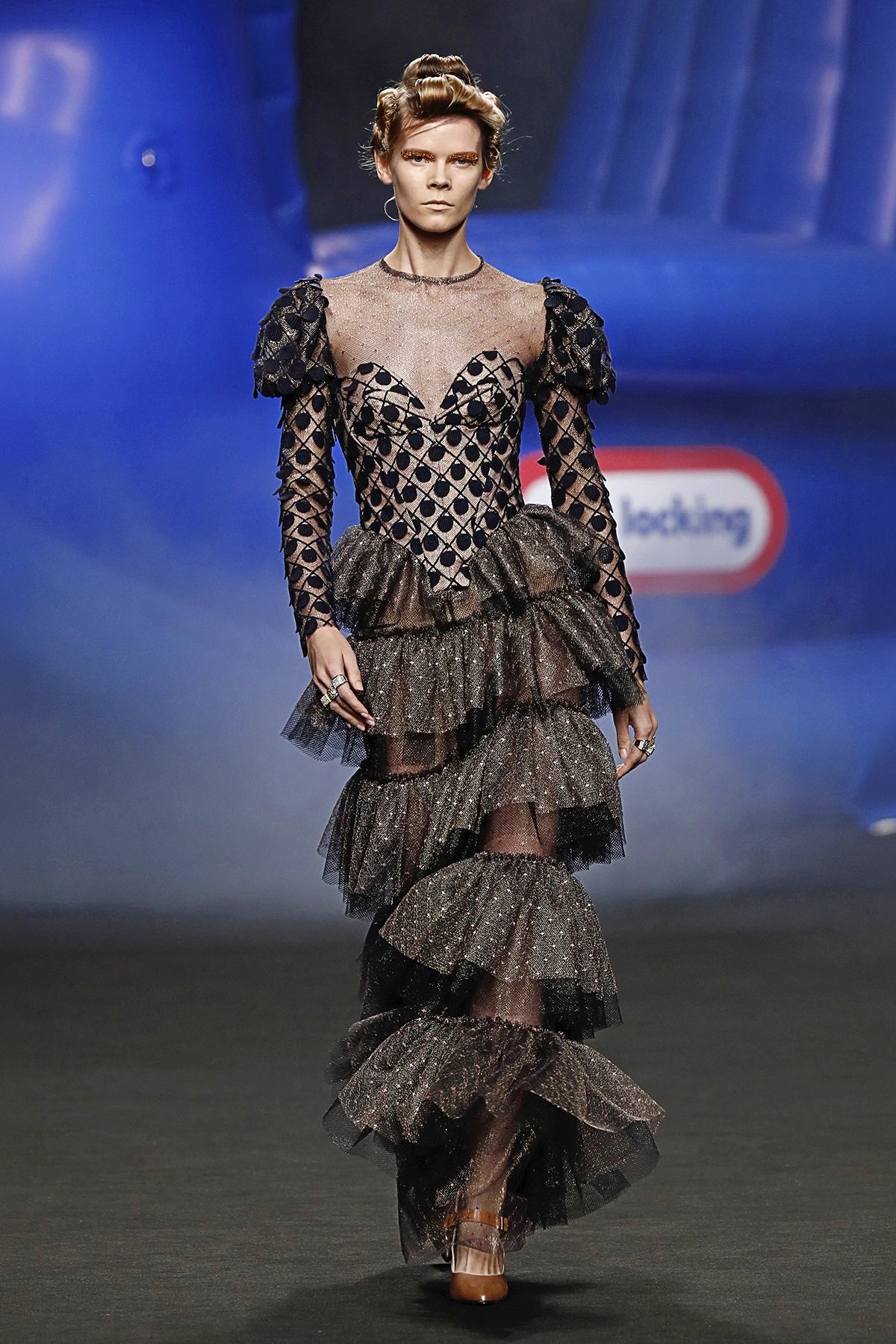

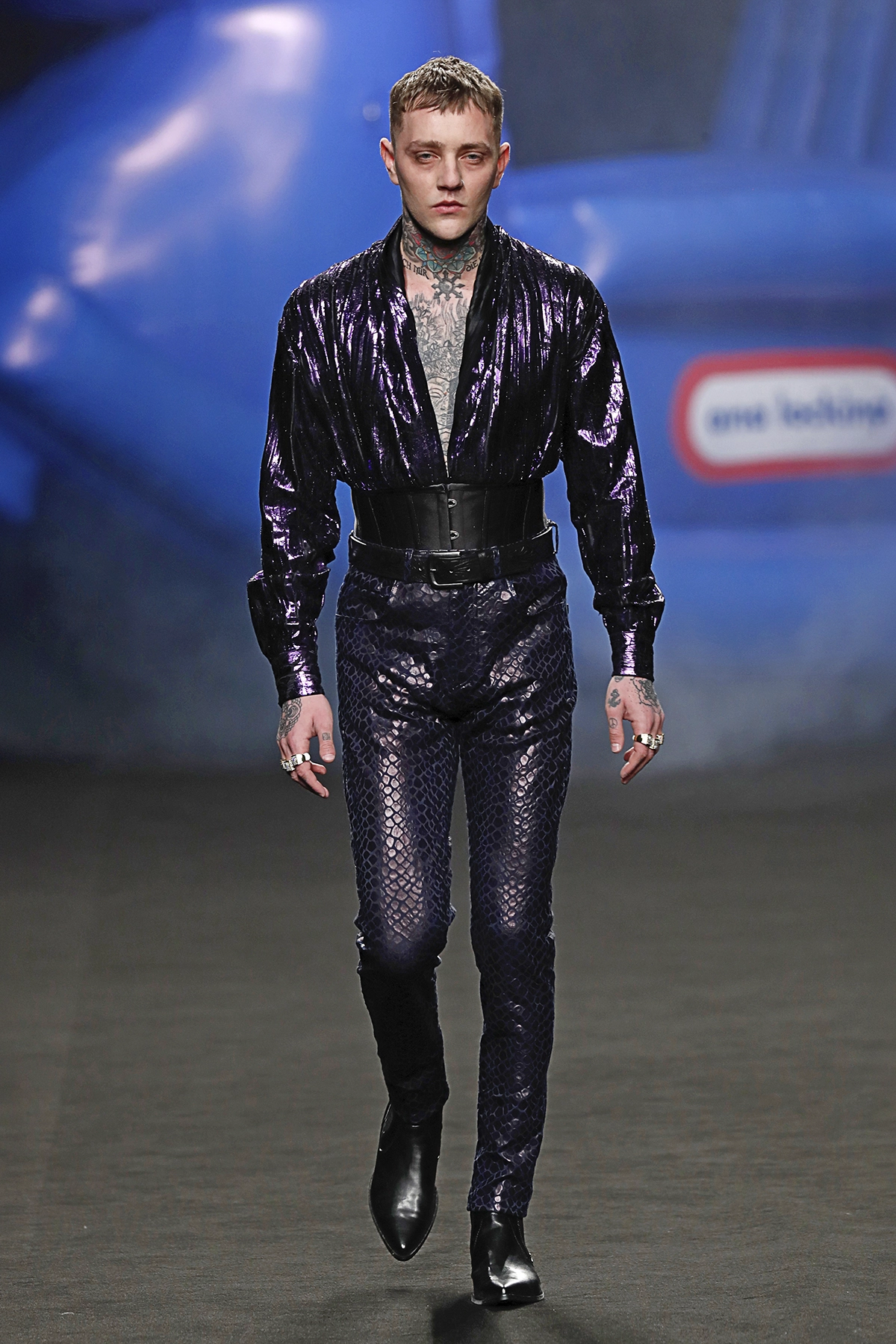








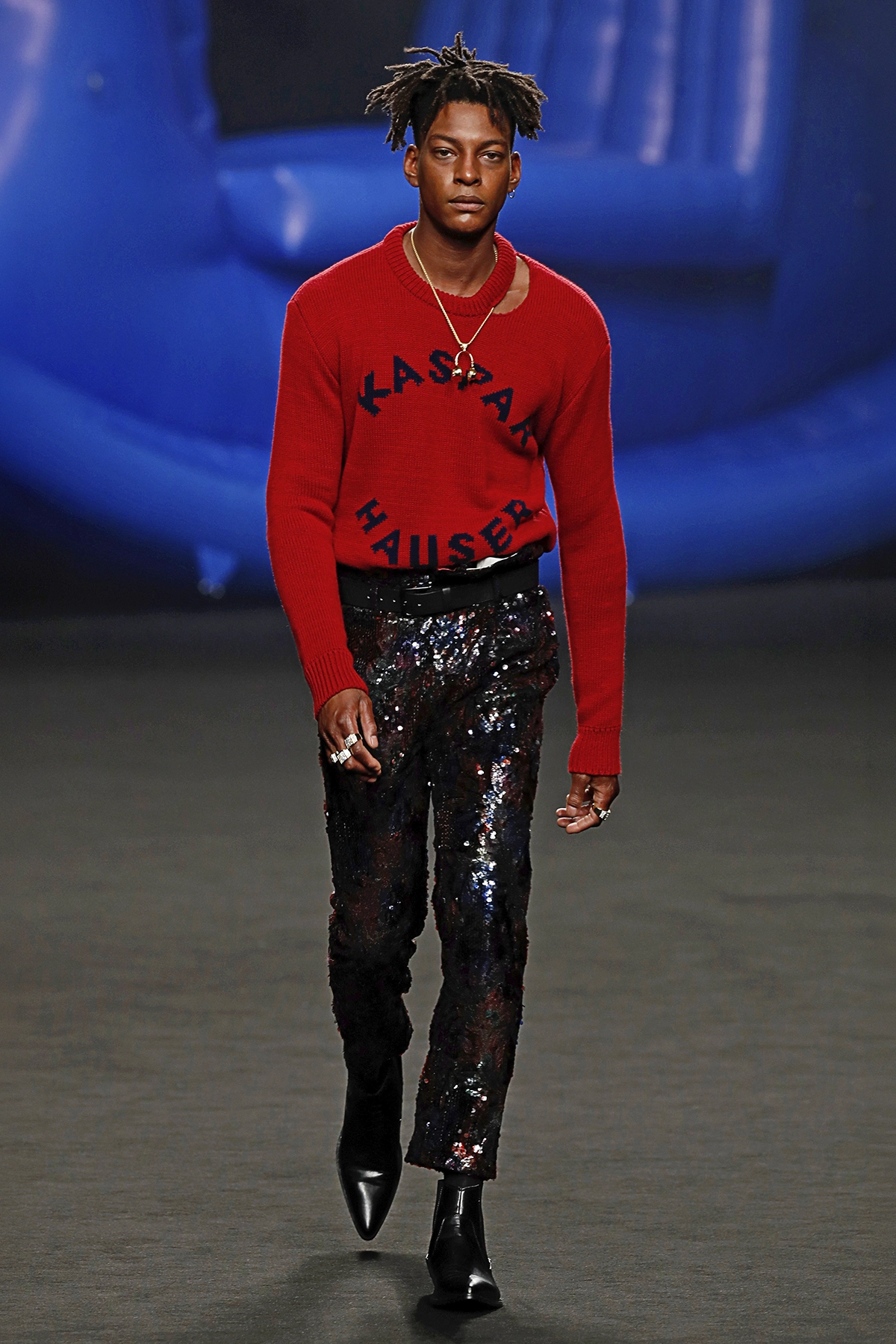
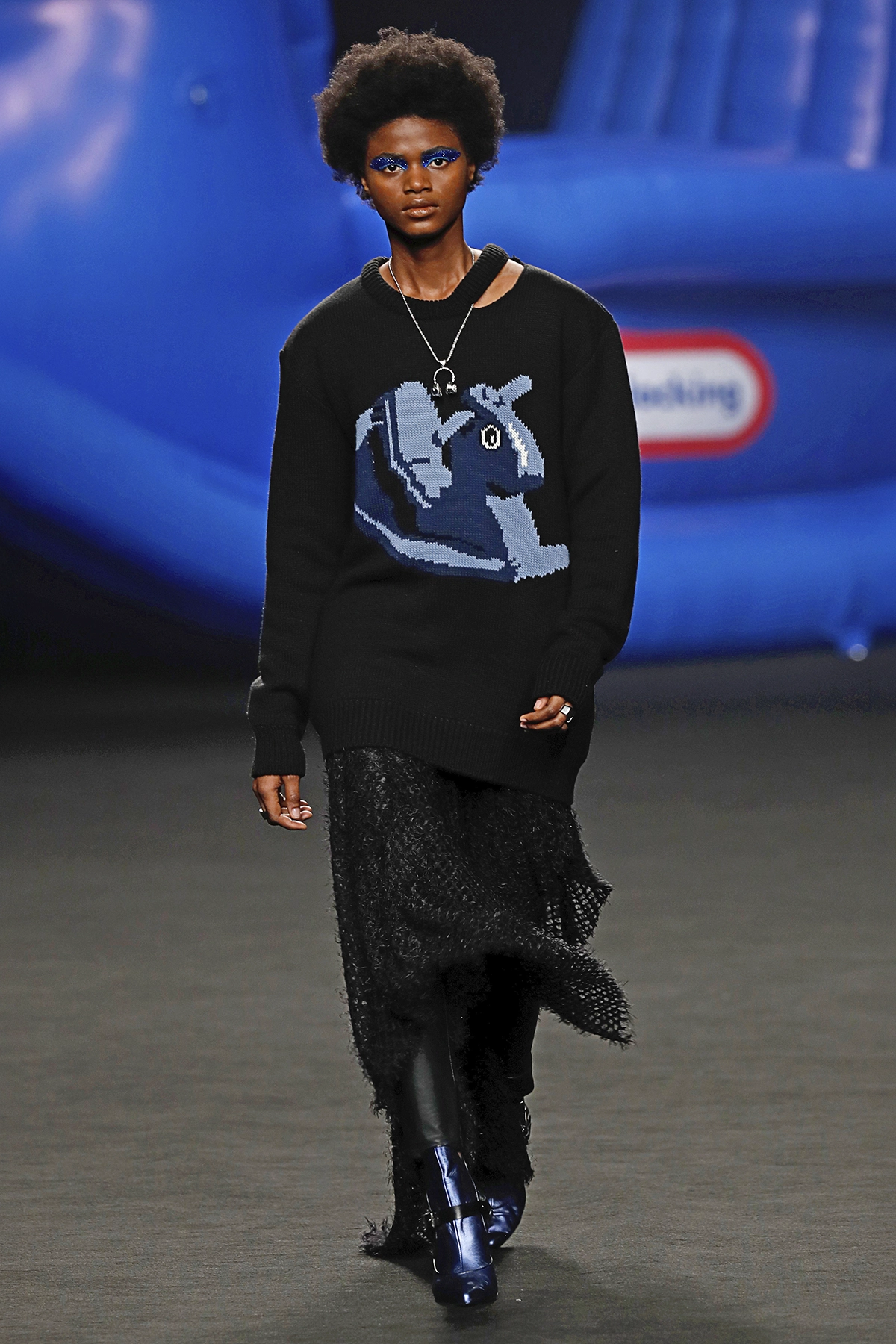
























© Kristen Wicce