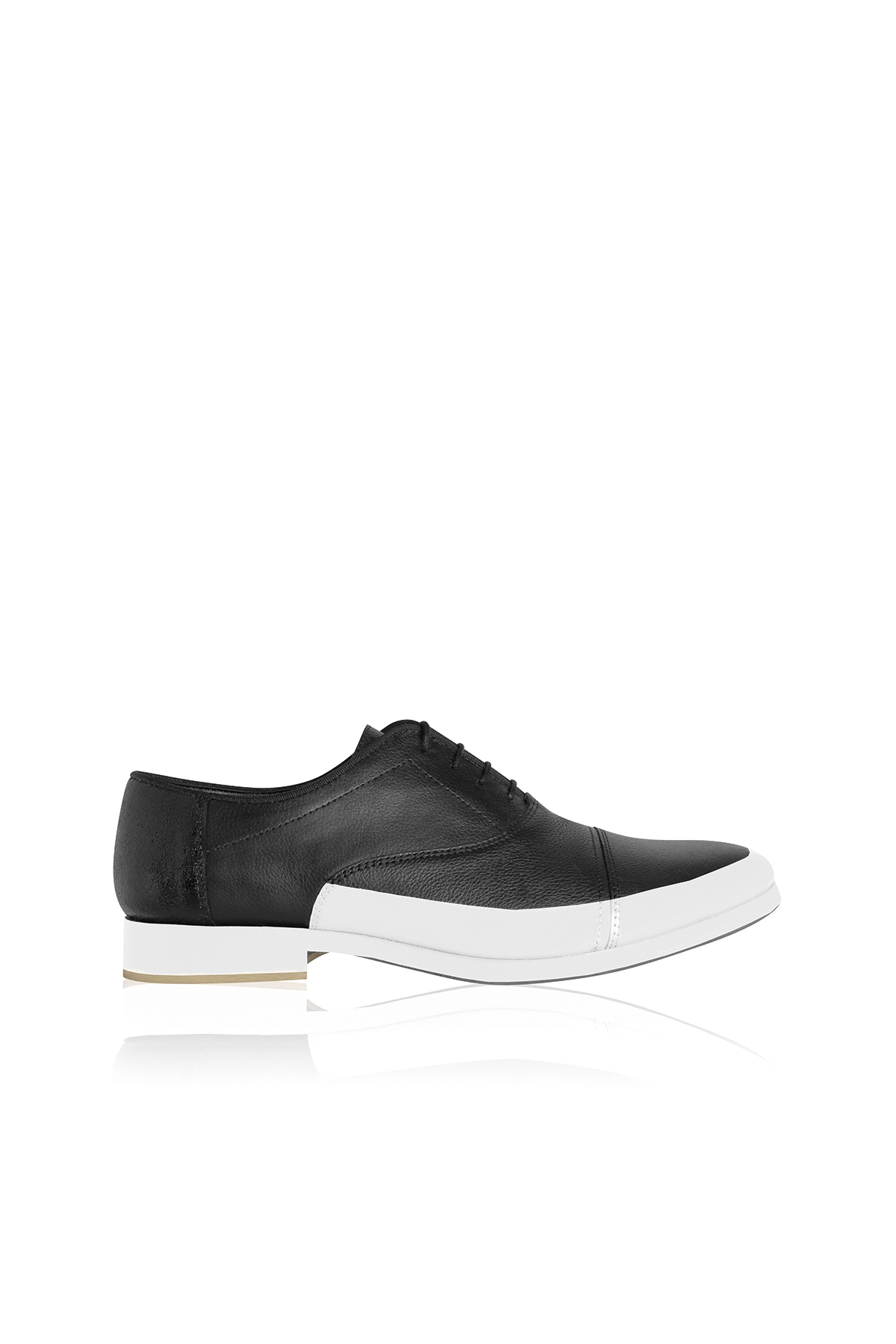
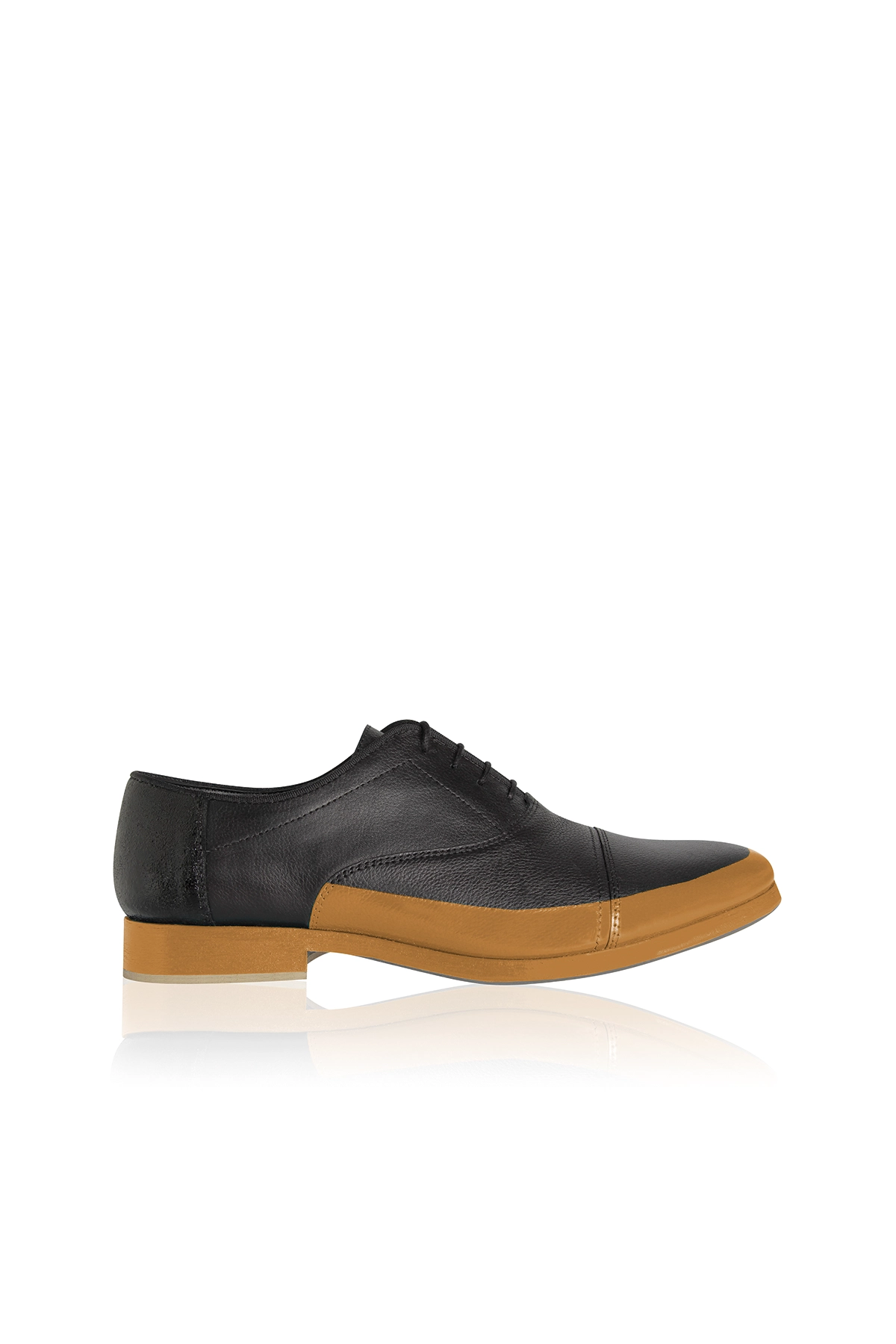
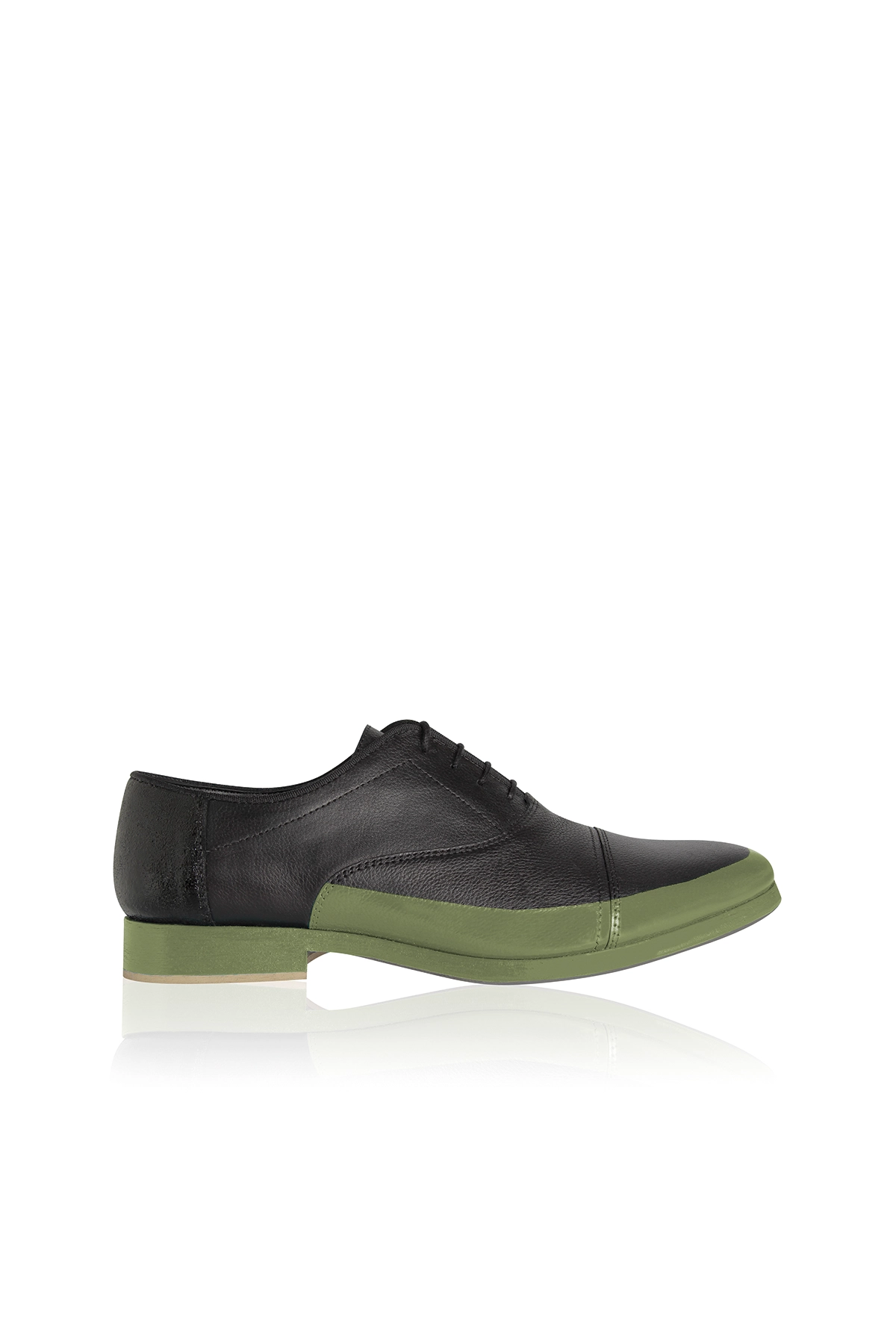
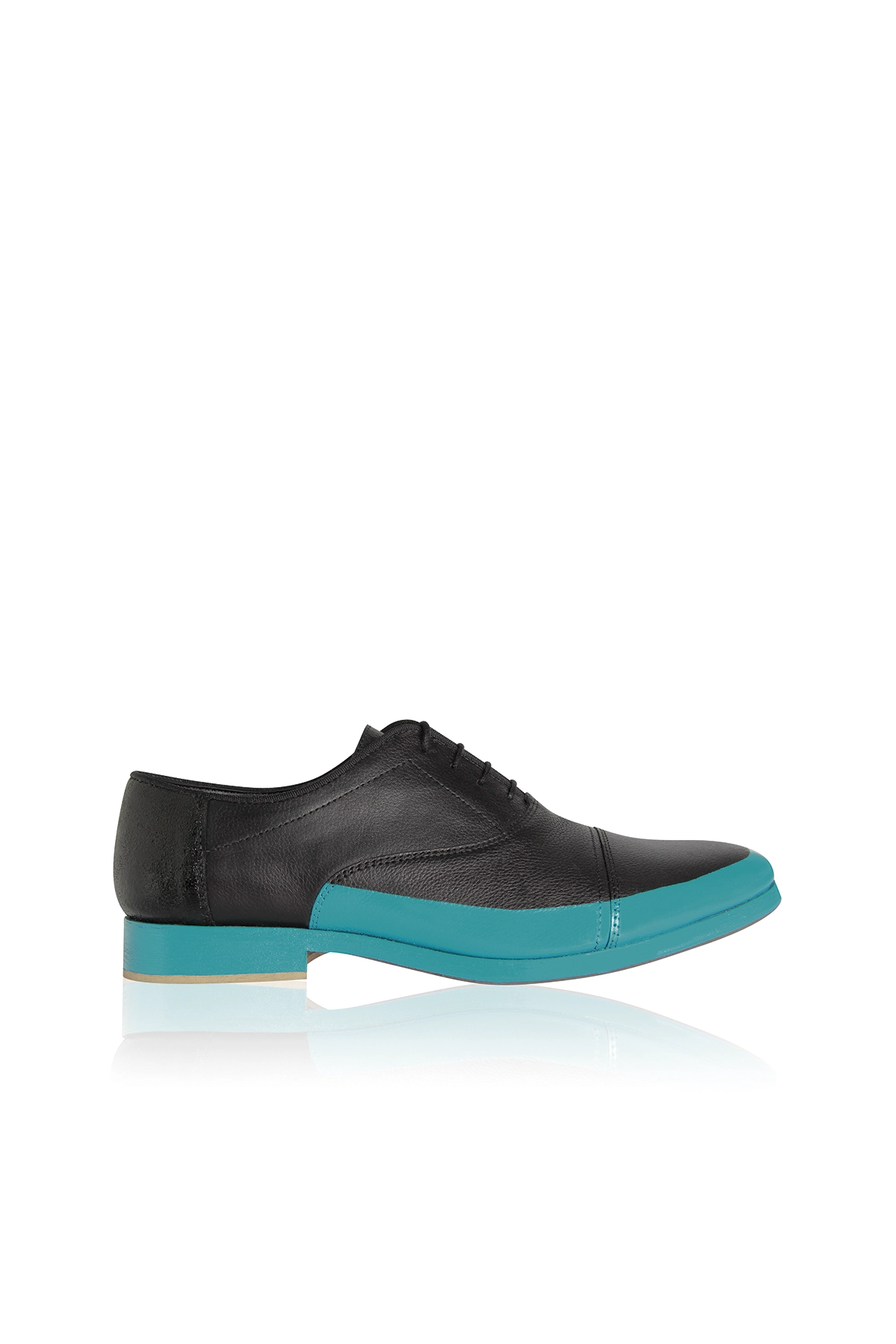
Shoe Collection
Mc Guffin
The McGuffin accessories collection takes its name from the famous narrative device popularized by Alfred Hitchcock: that seemingly essential element that triggers a story, even though its true importance ends up being secondary to everything else that happens around it.
In Hitchcock’s films, the McGuffin functions as a narrative excuse, an object that sets the action in motion and generates the tension that sustains the story. Under this premise, the collection transfers this same mechanism to the world of accessories, turning each piece into a potential trigger for stories.
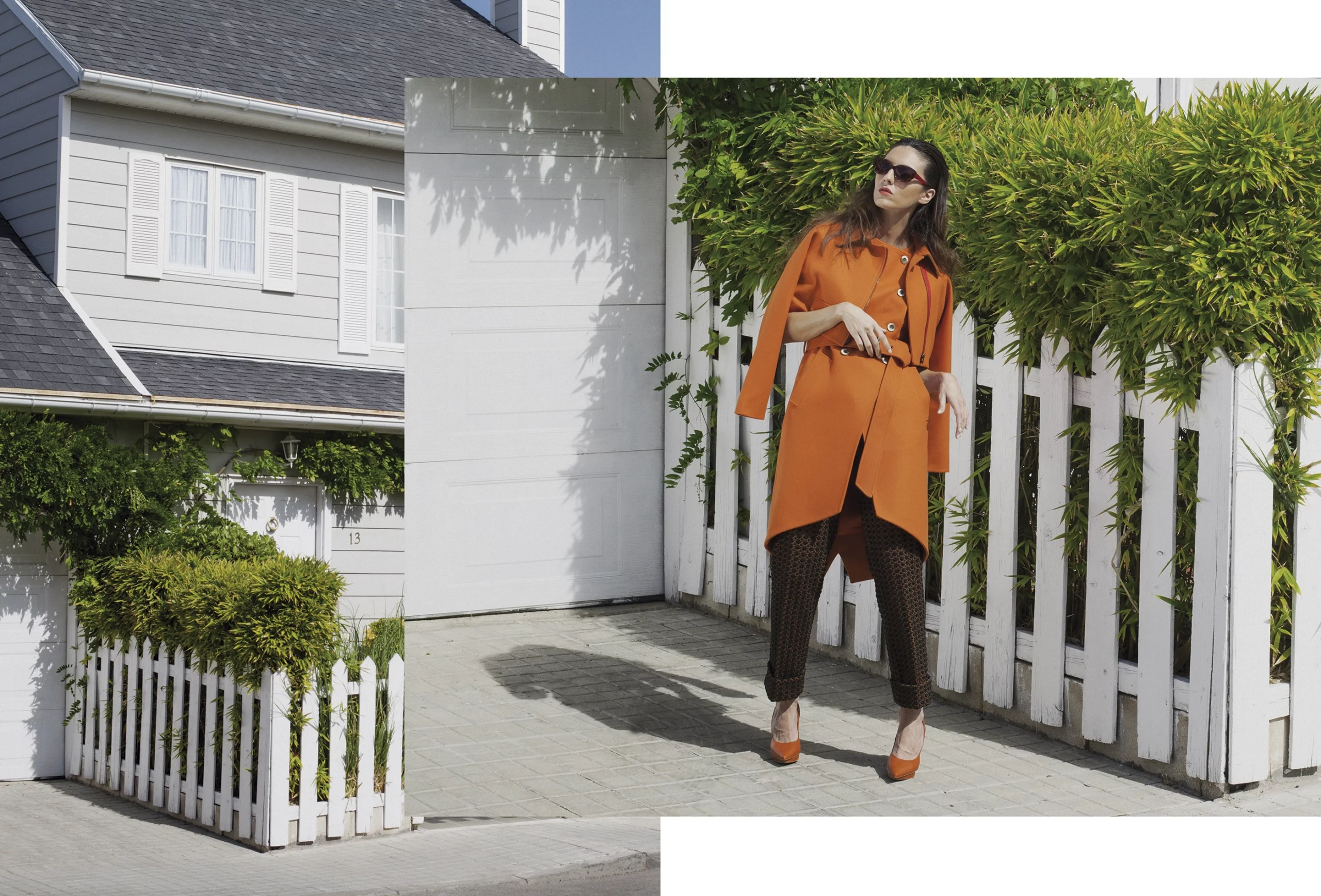
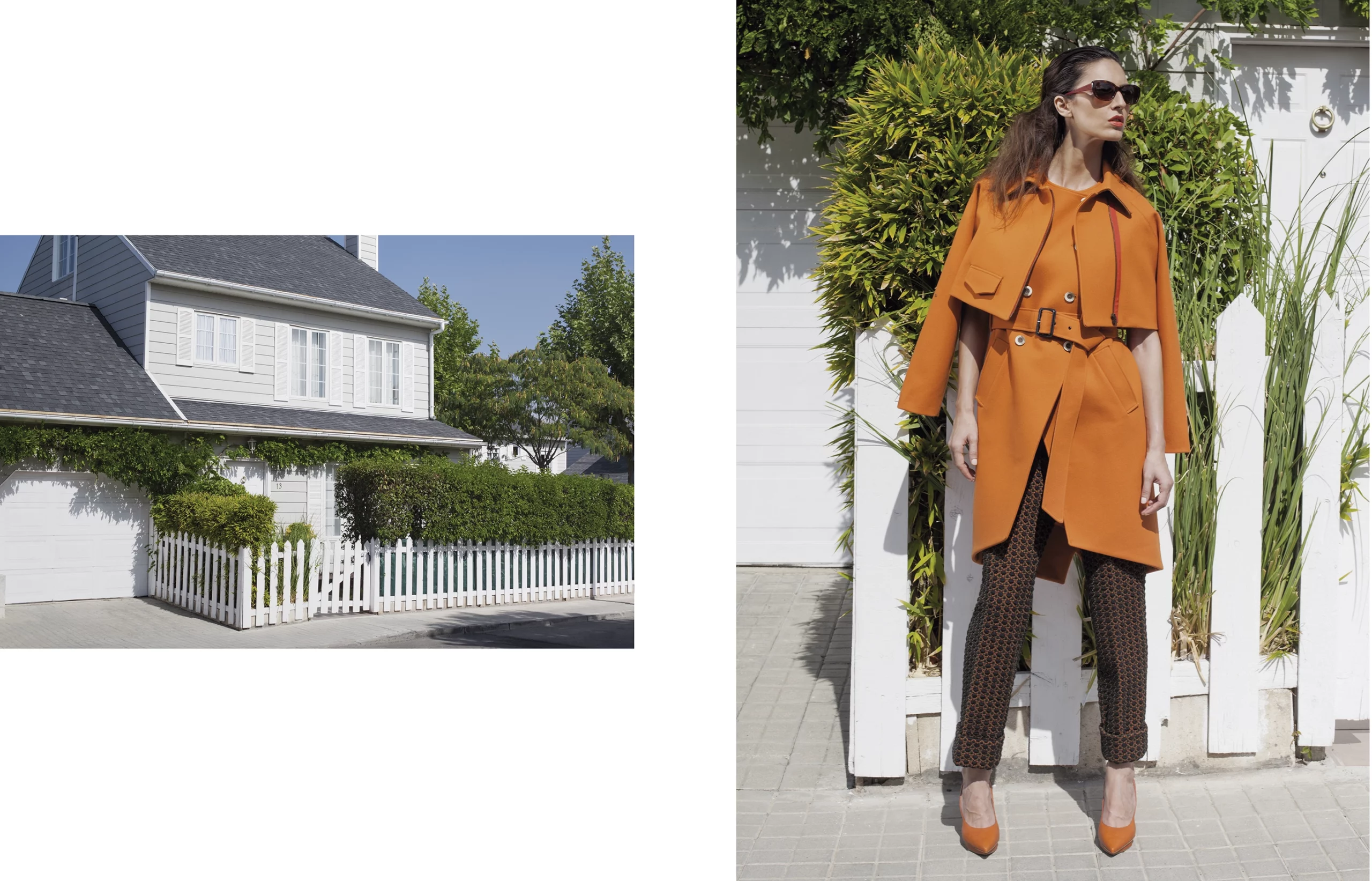
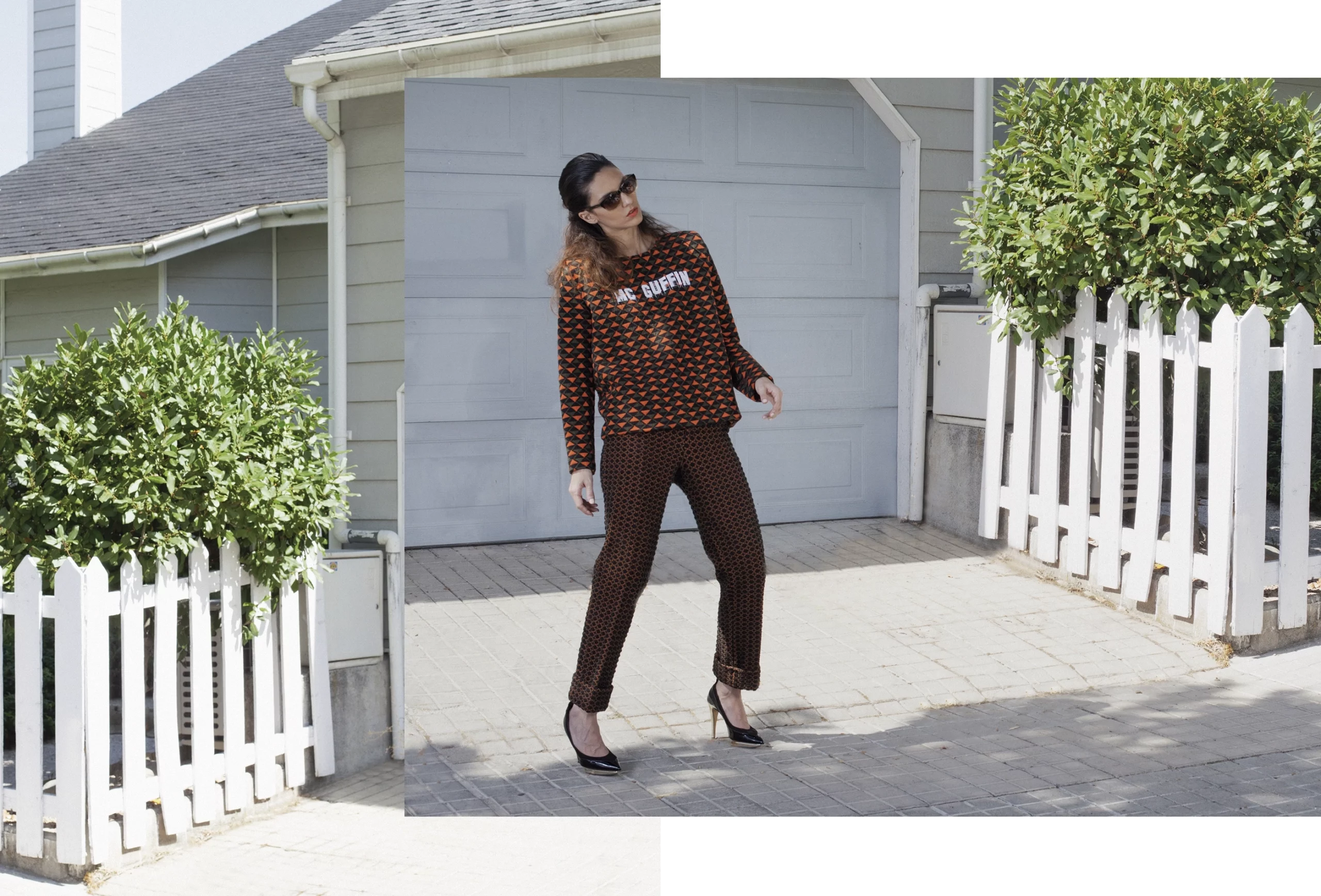
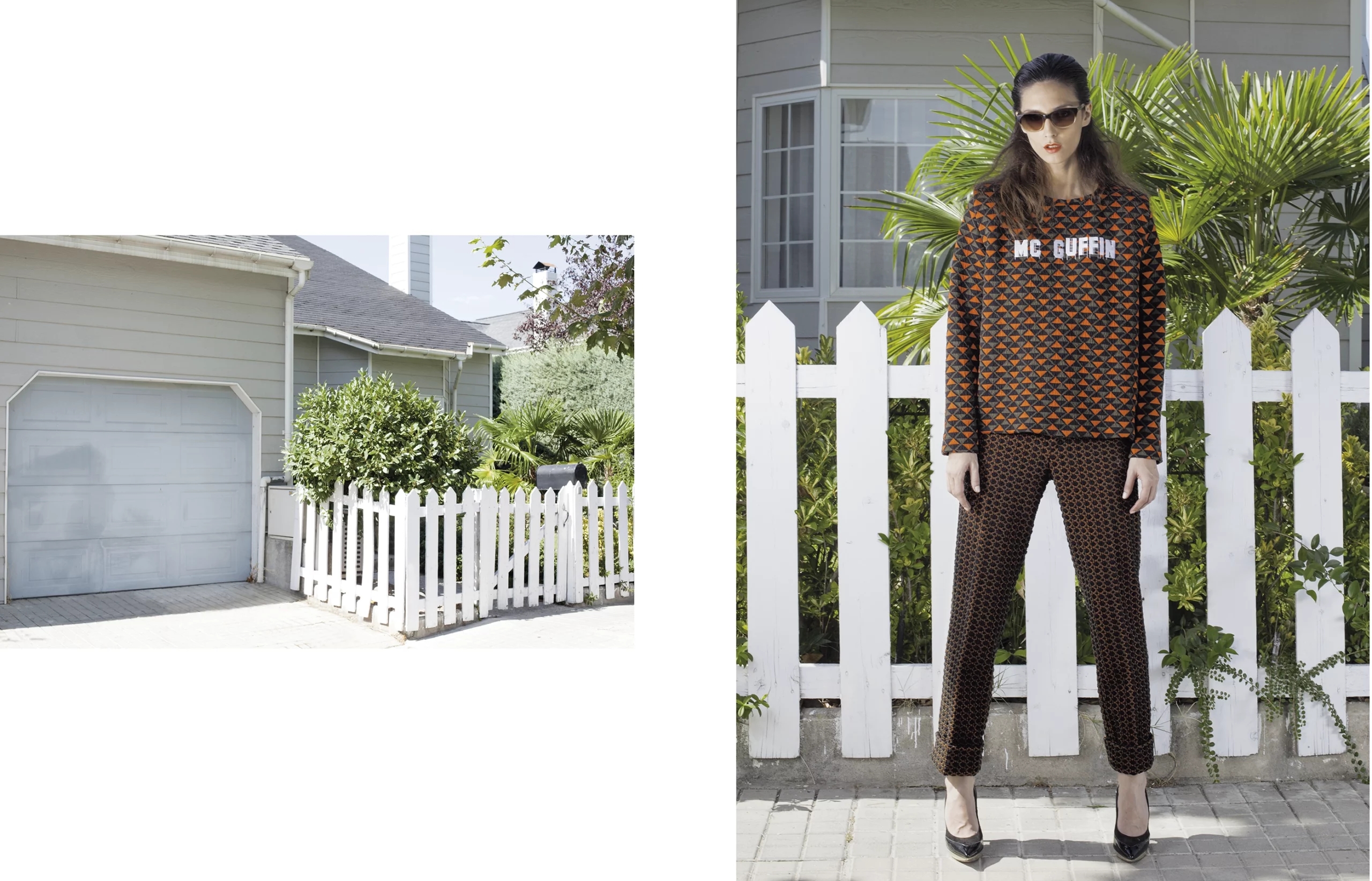
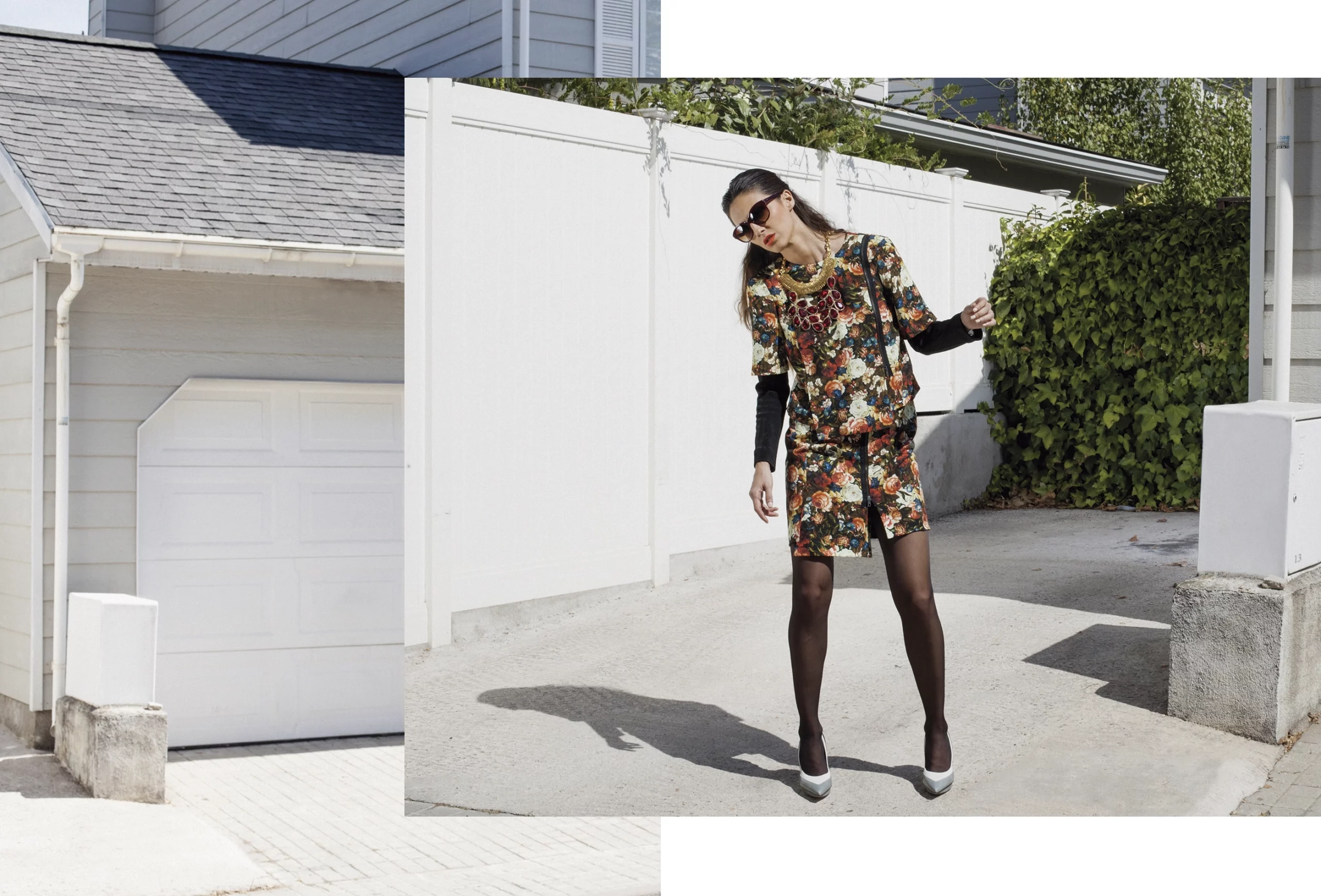
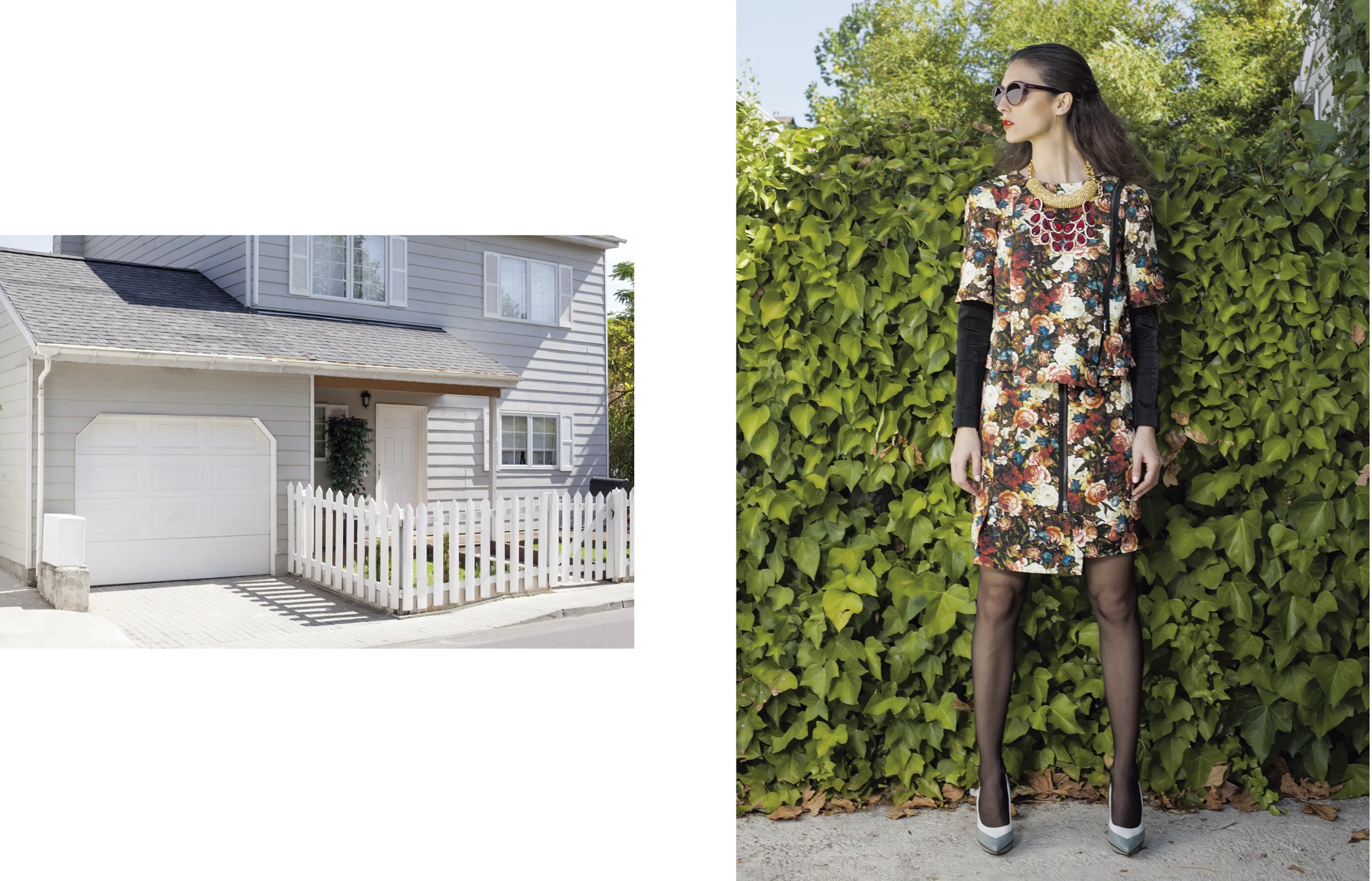
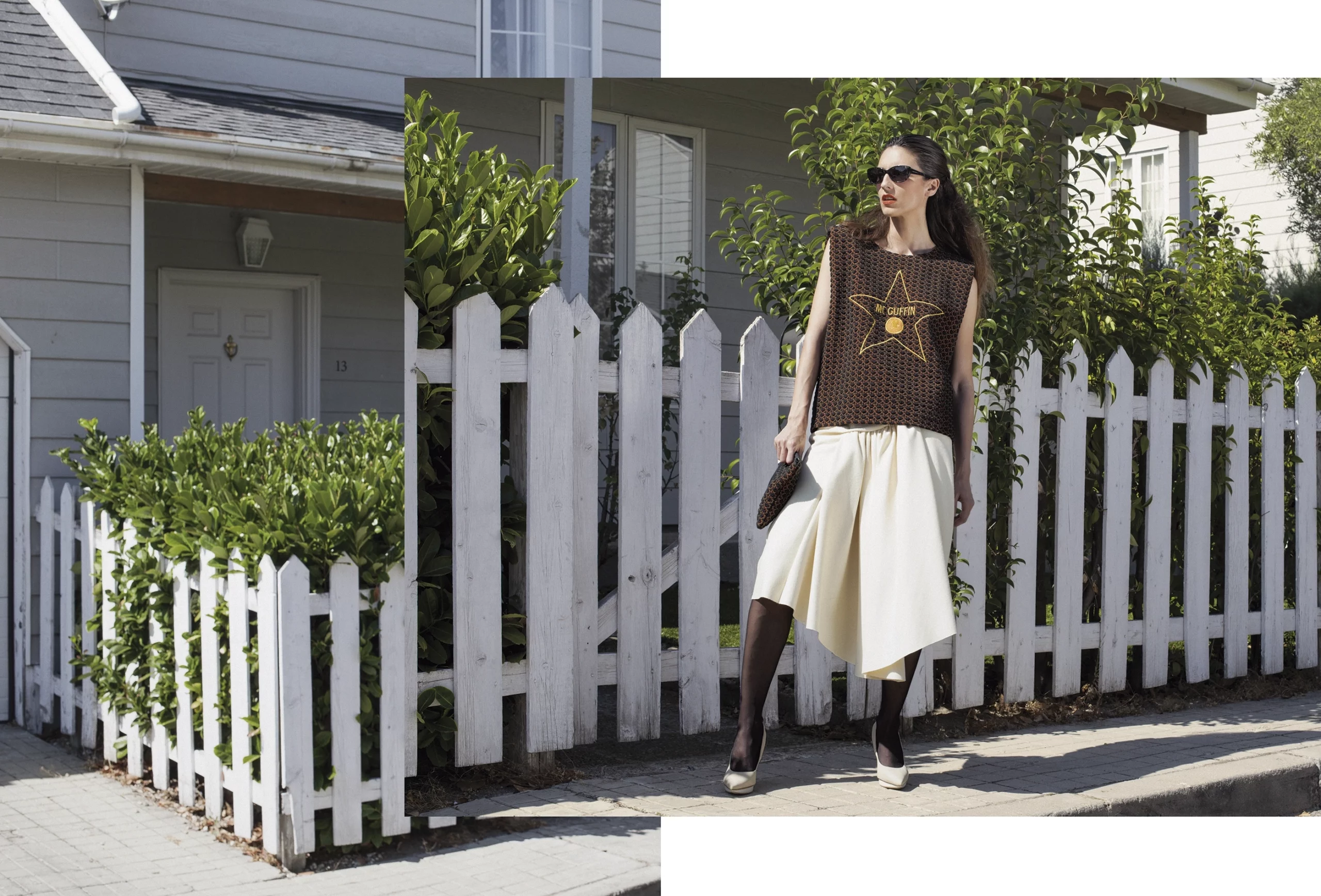
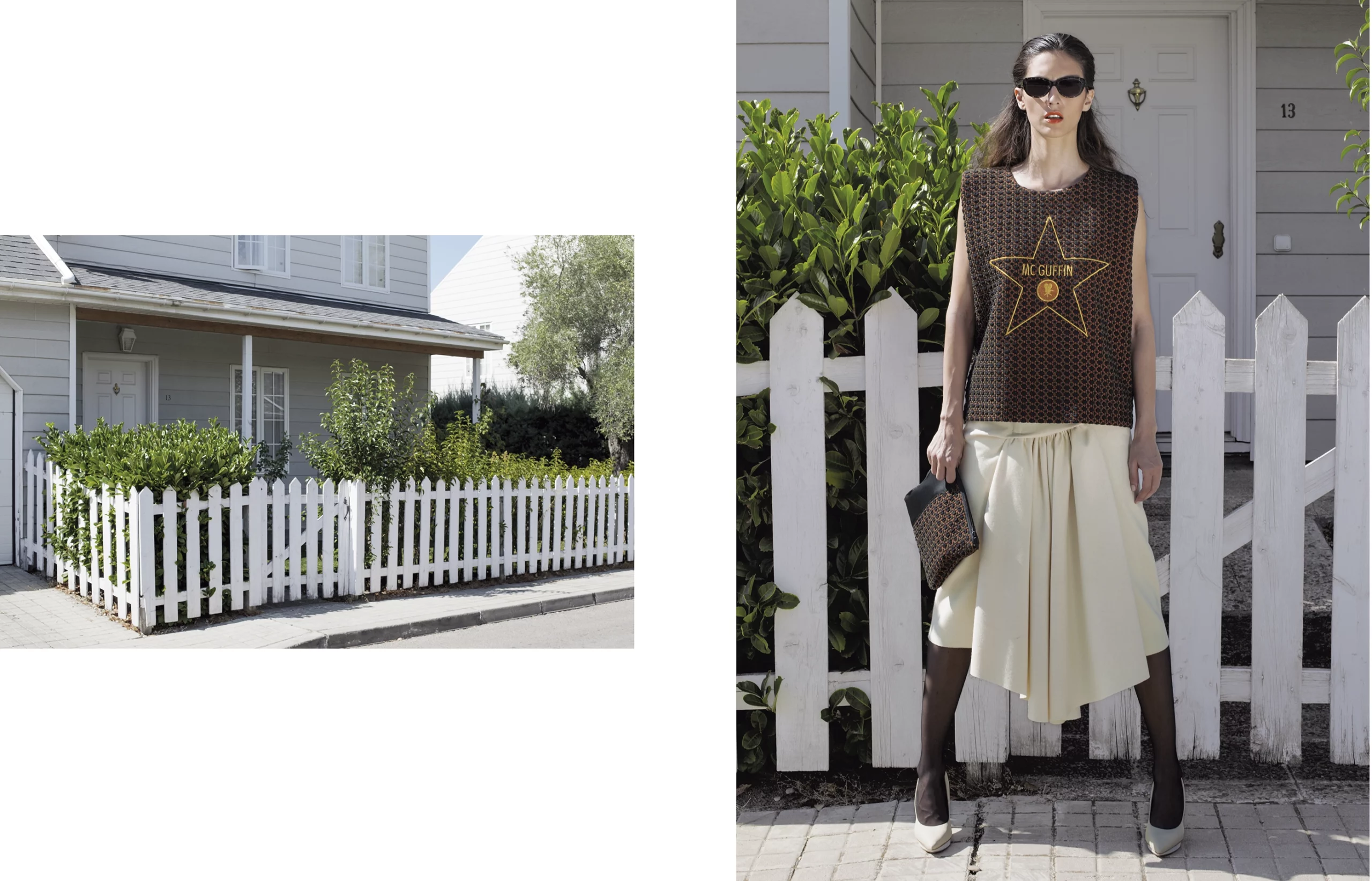
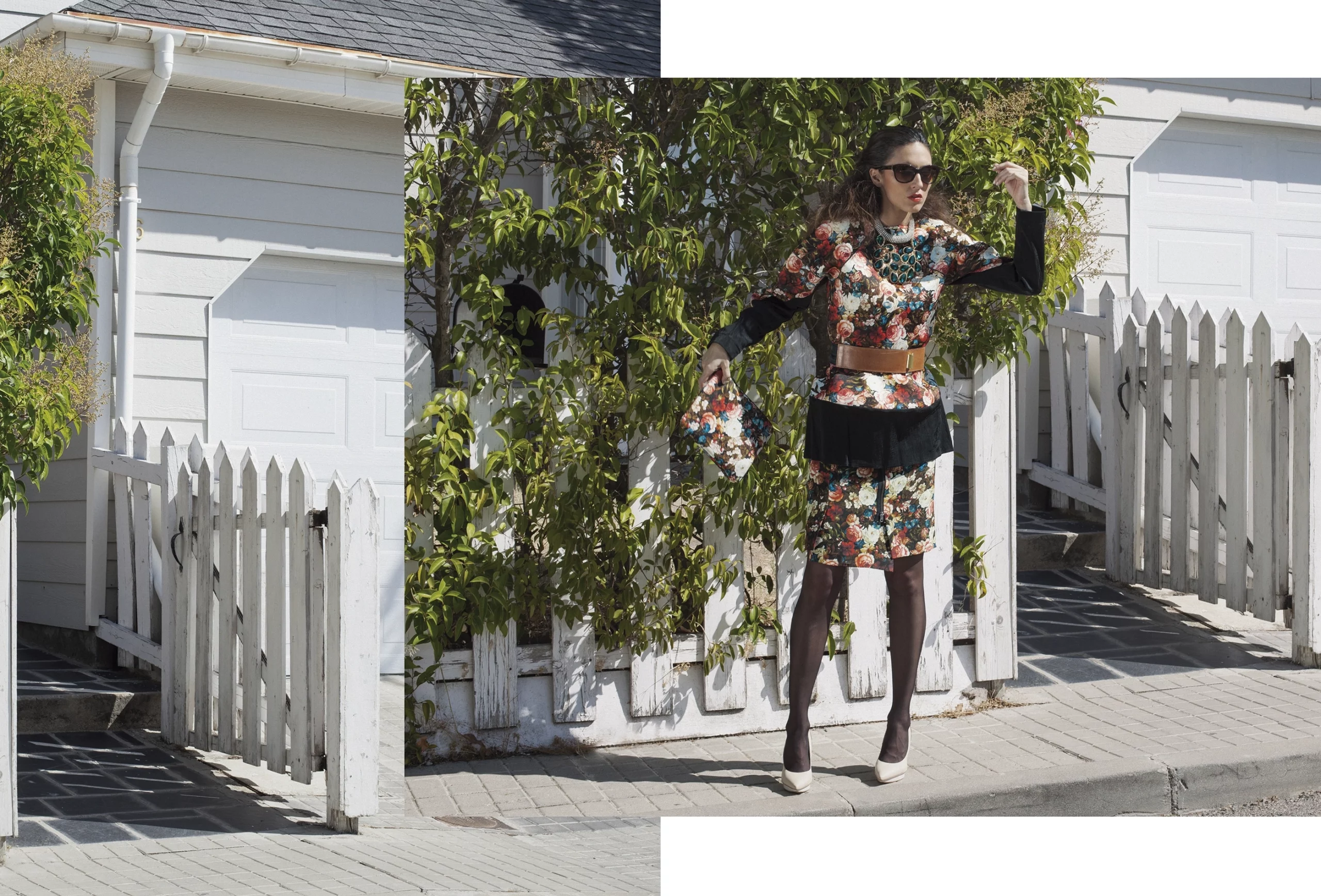
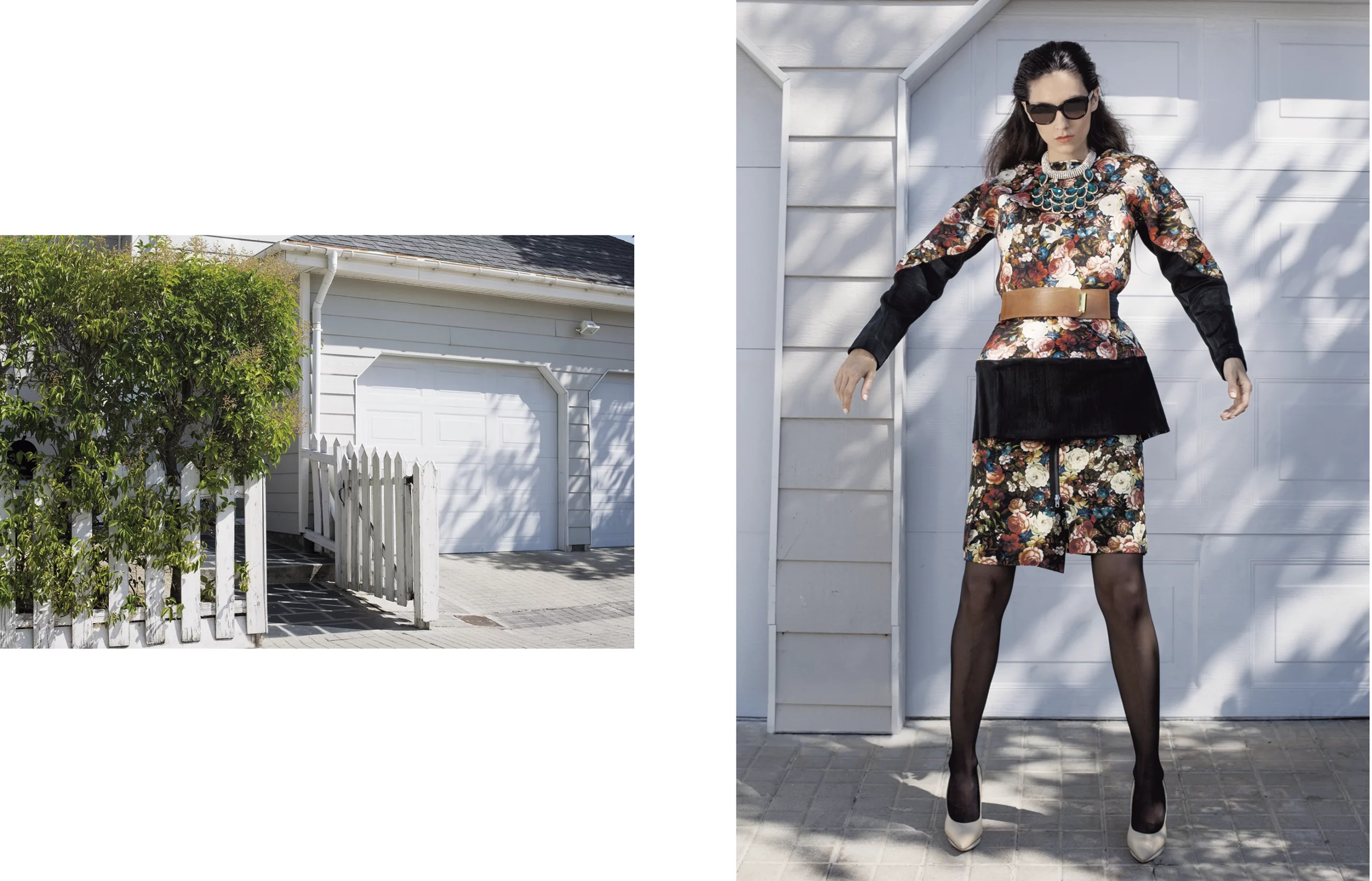
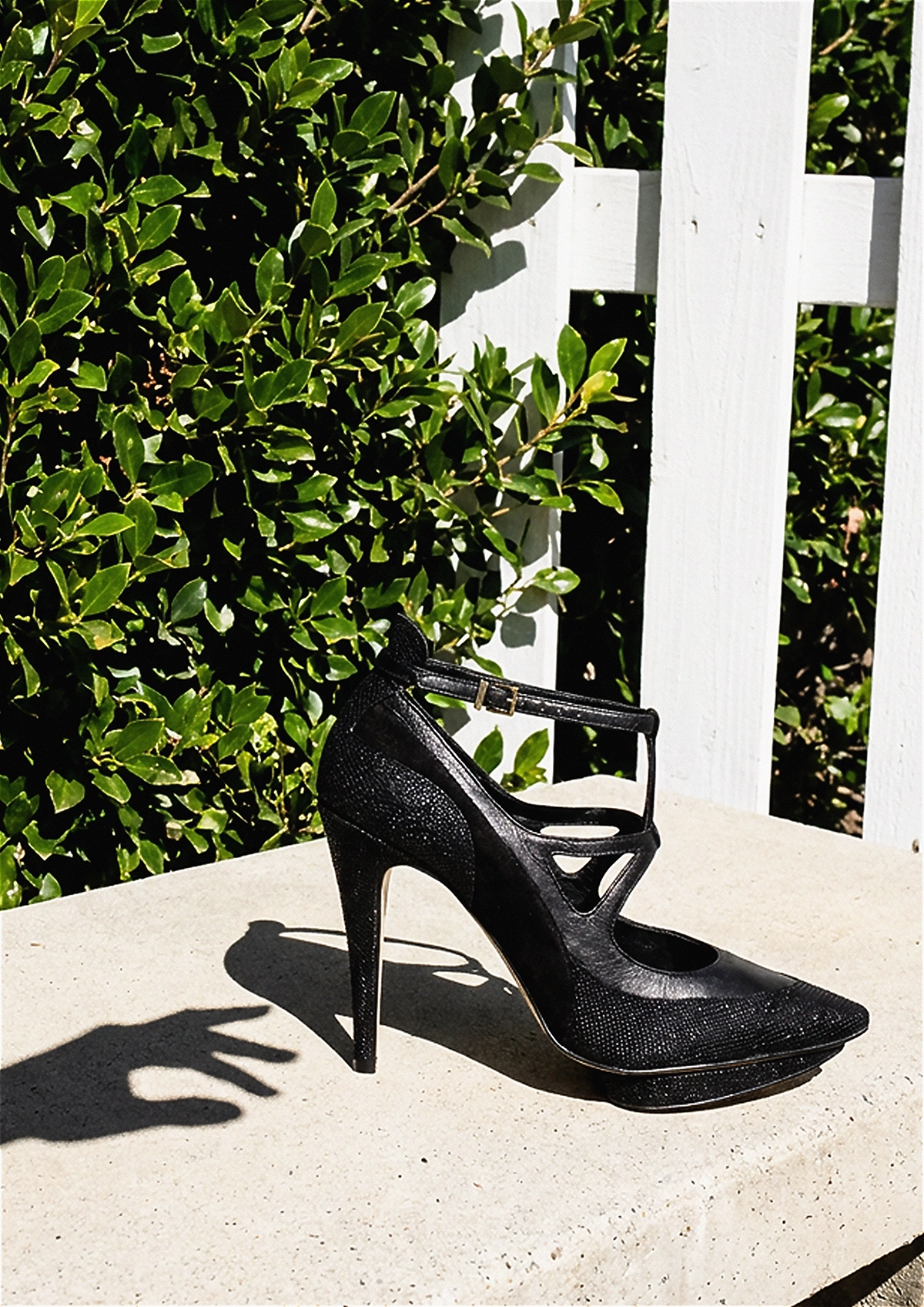
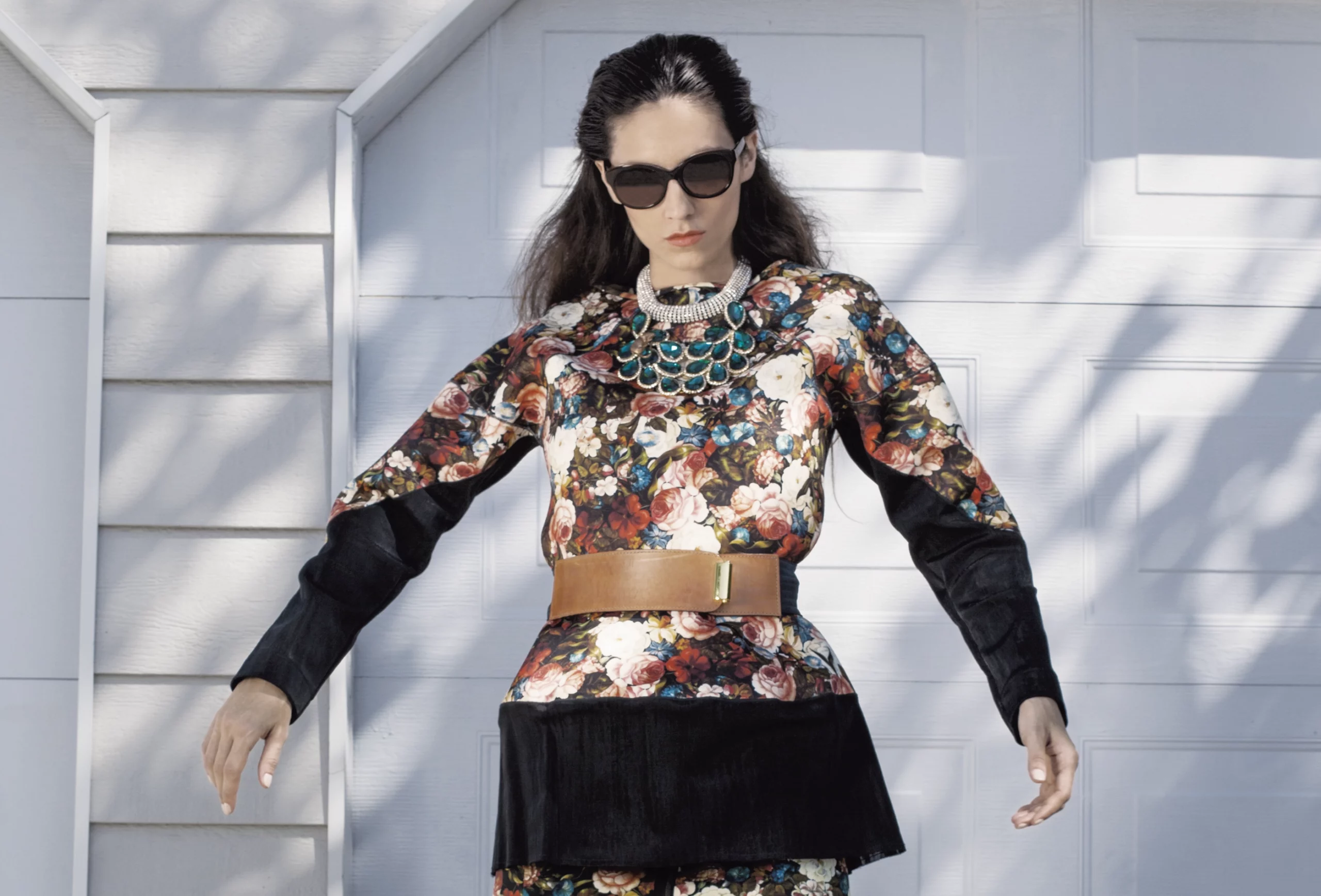
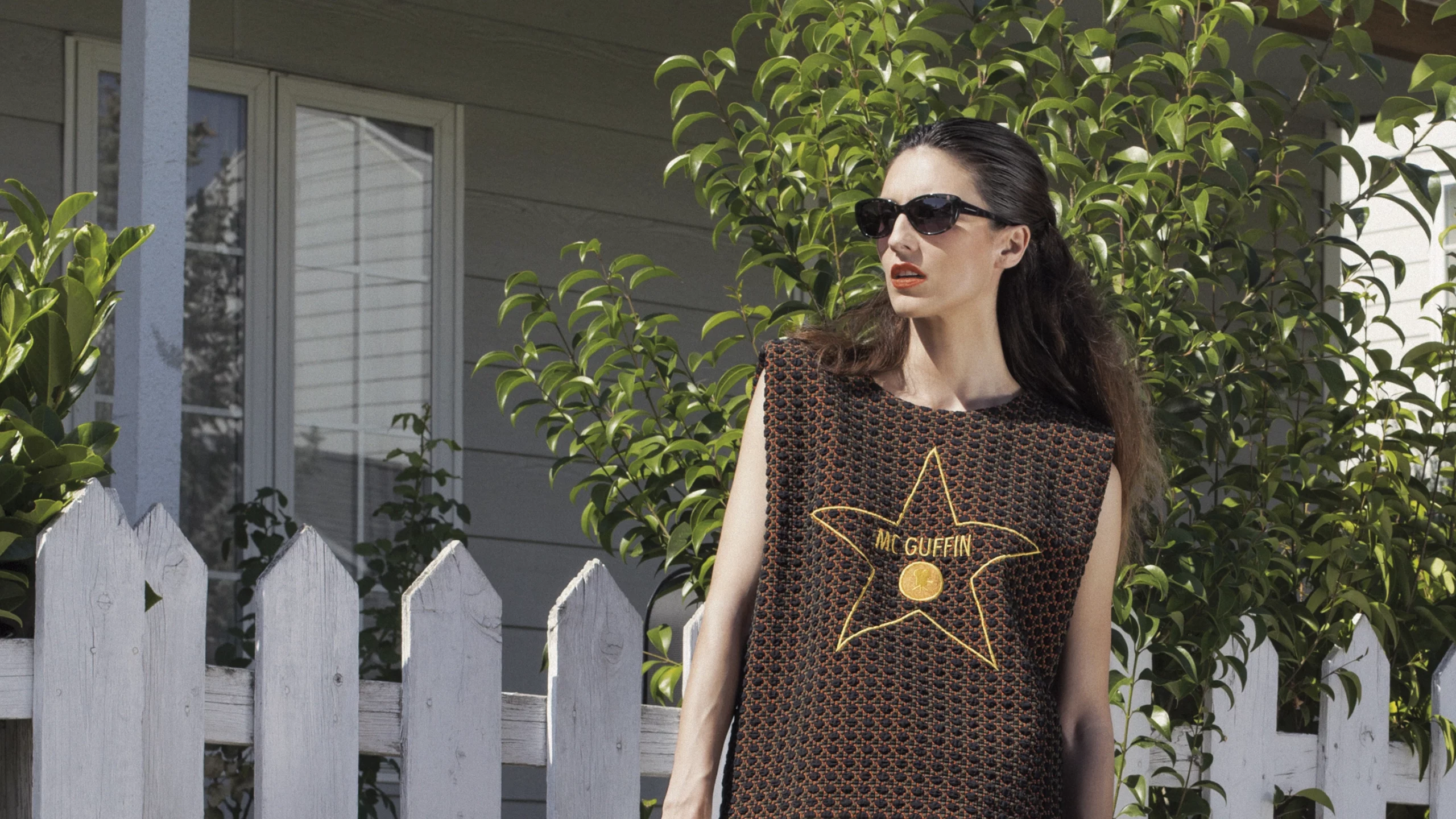
The campaign places these objects within a seemingly everyday landscape: quiet streets, houses with white picket fences, and perfectly manicured gardens that evoke the imagery of the American suburb. In this serene environment, the accessories appear as unexpected elements that disrupt the calm of the setting, as if they were part of a frozen frame from a suspense film.
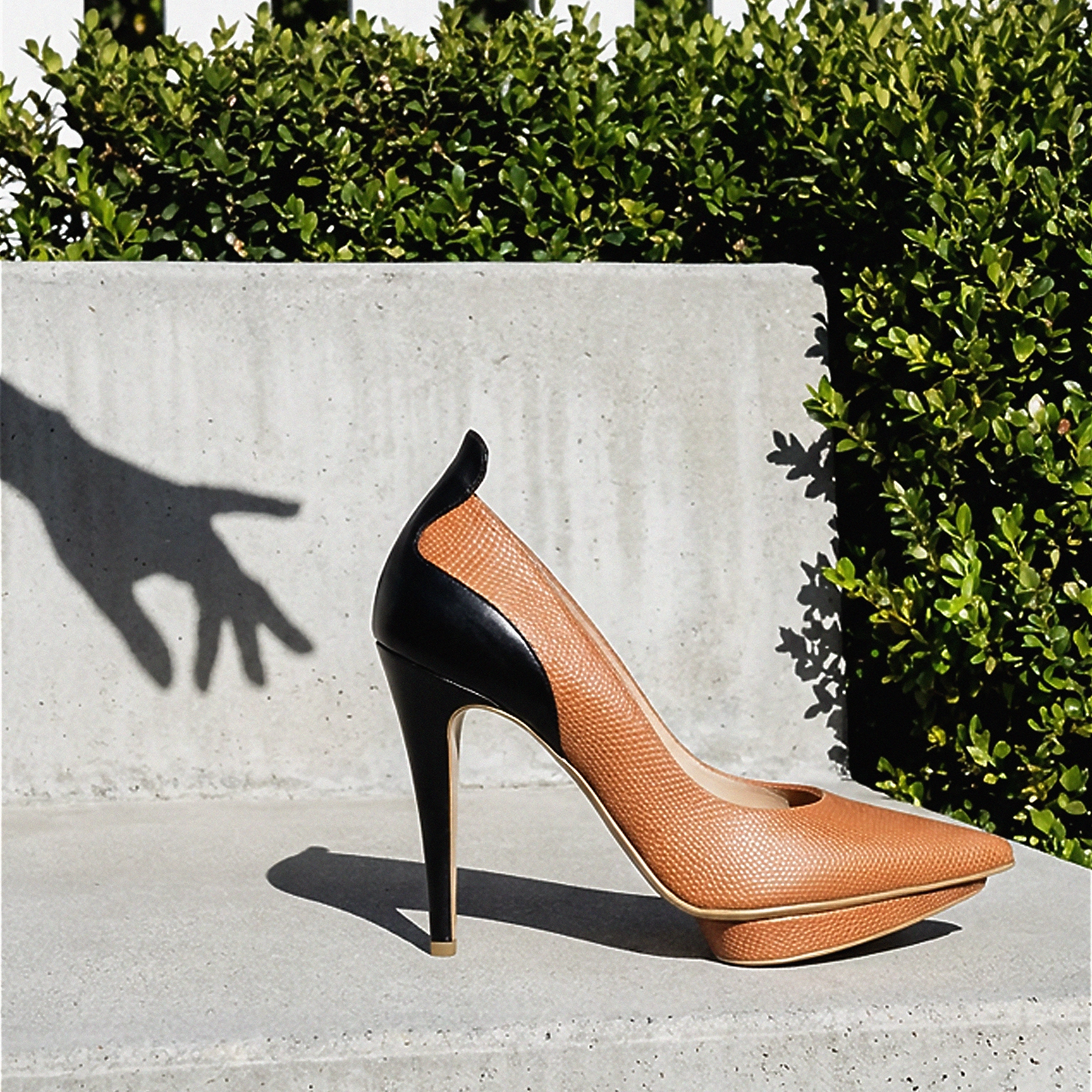
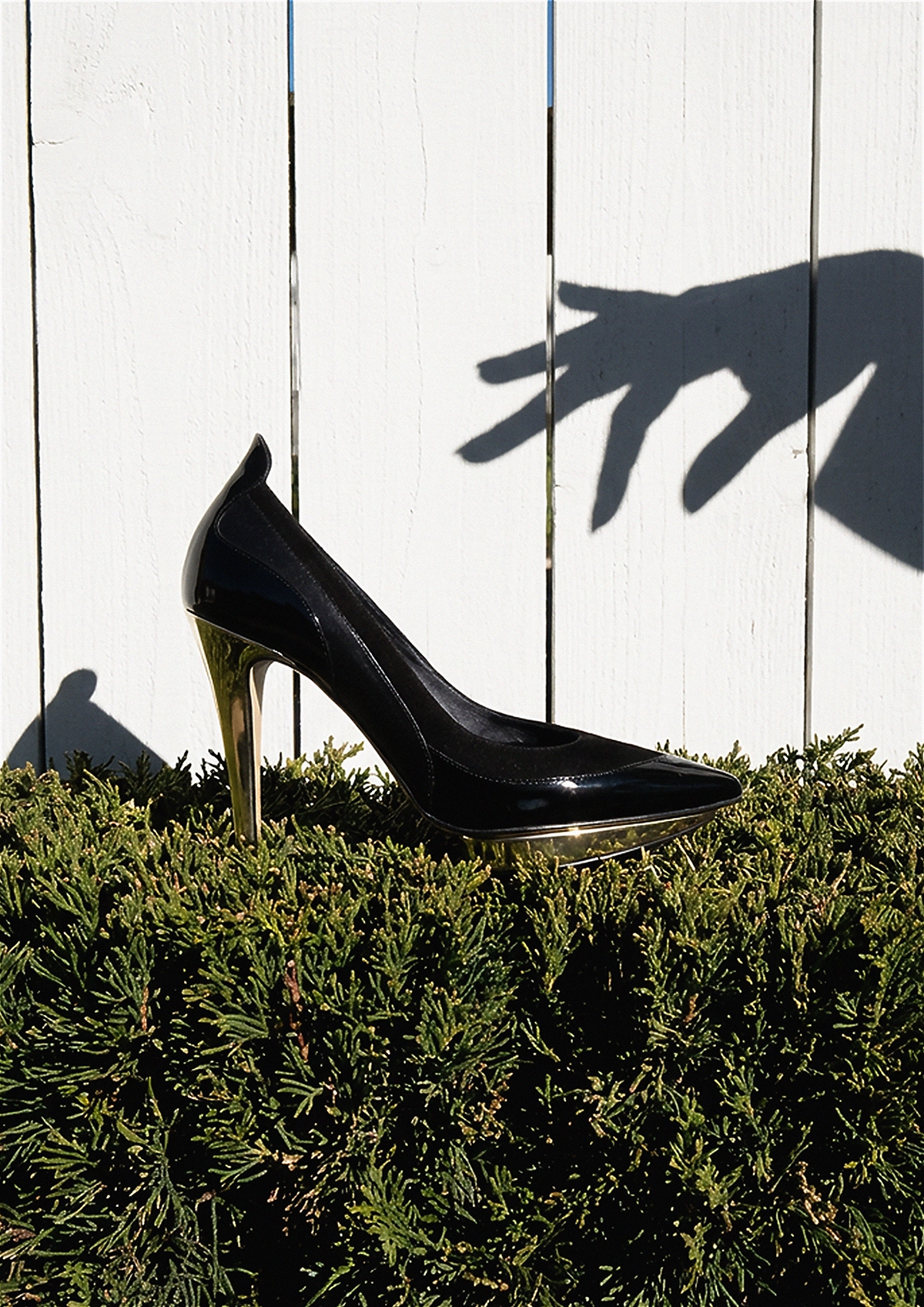
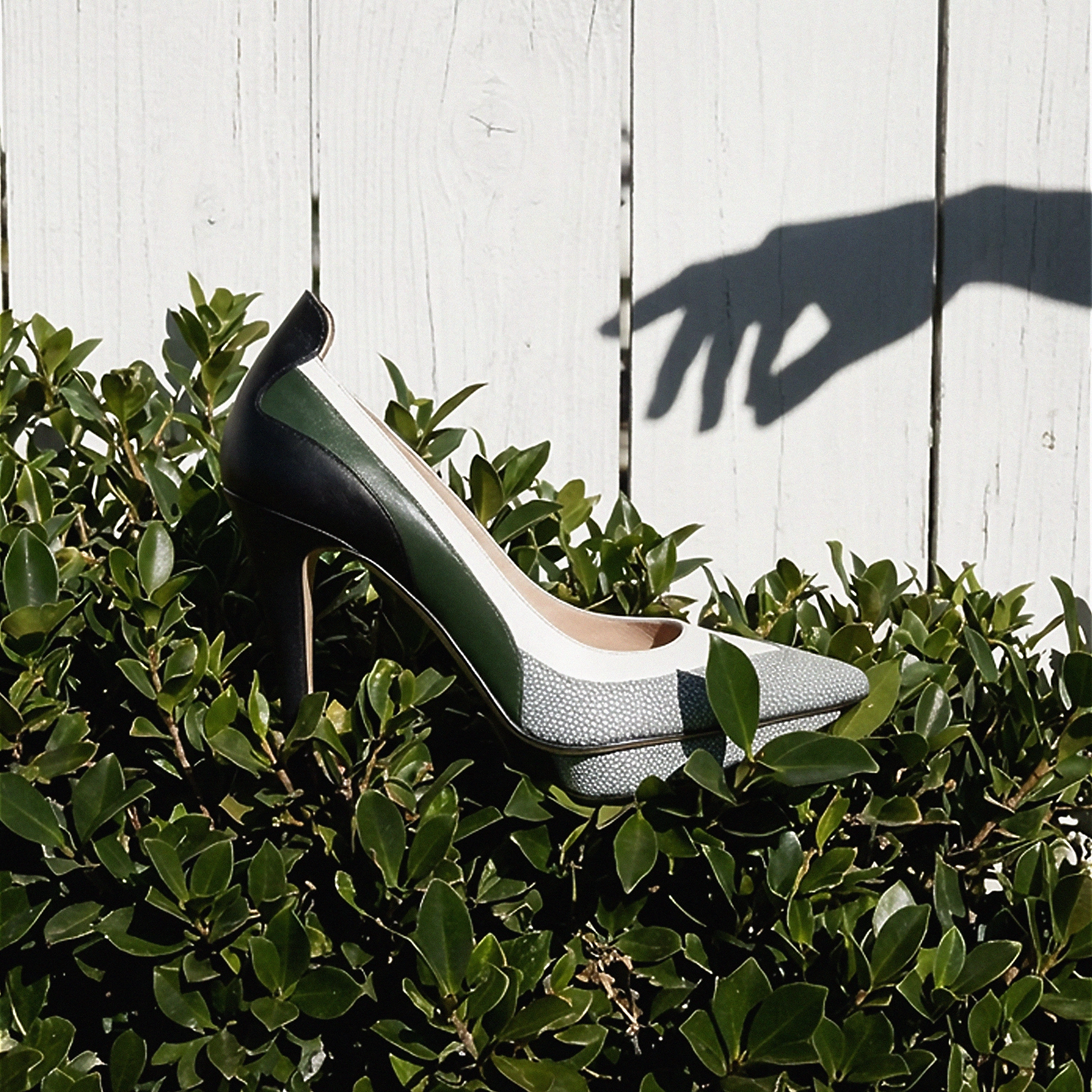
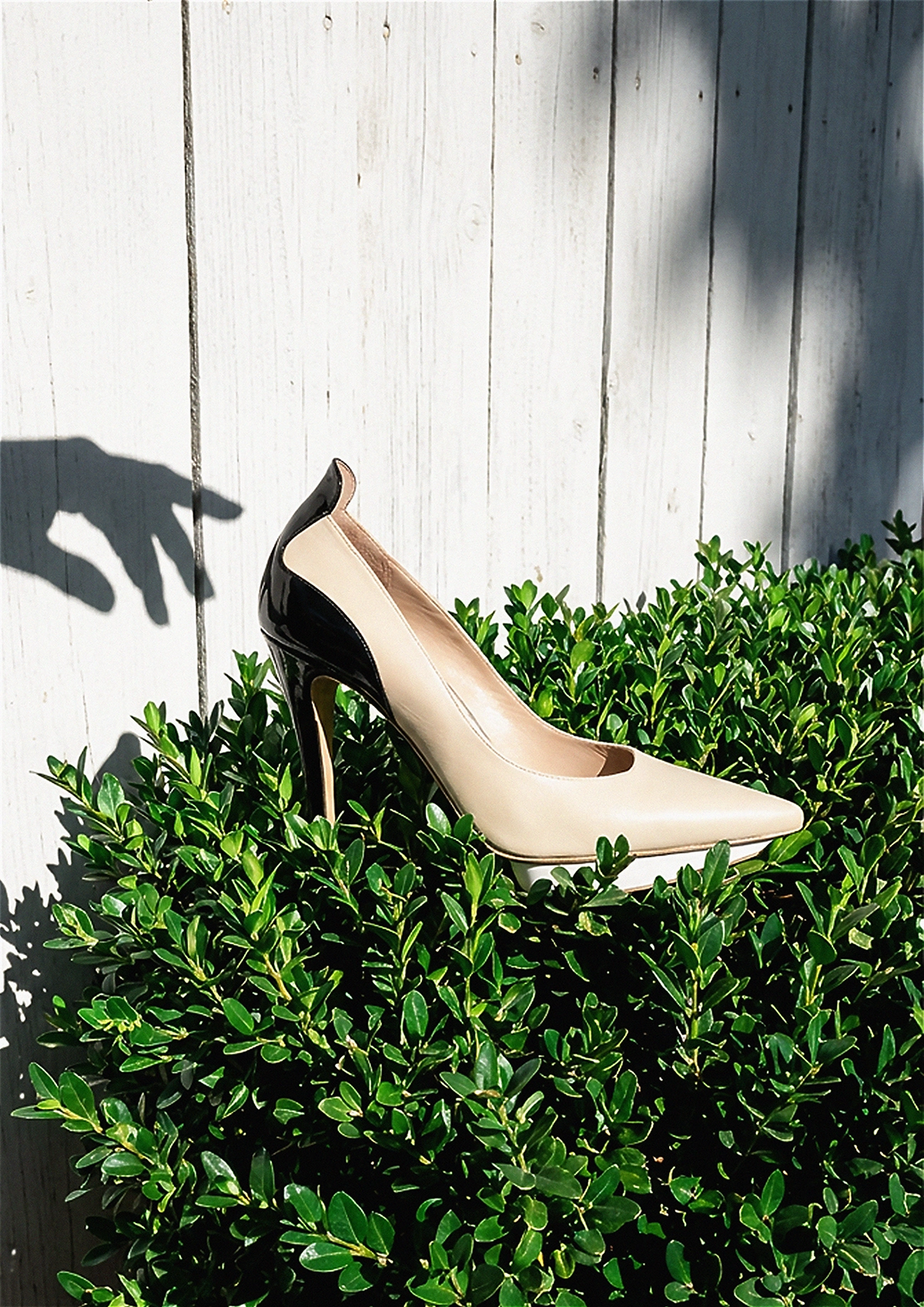
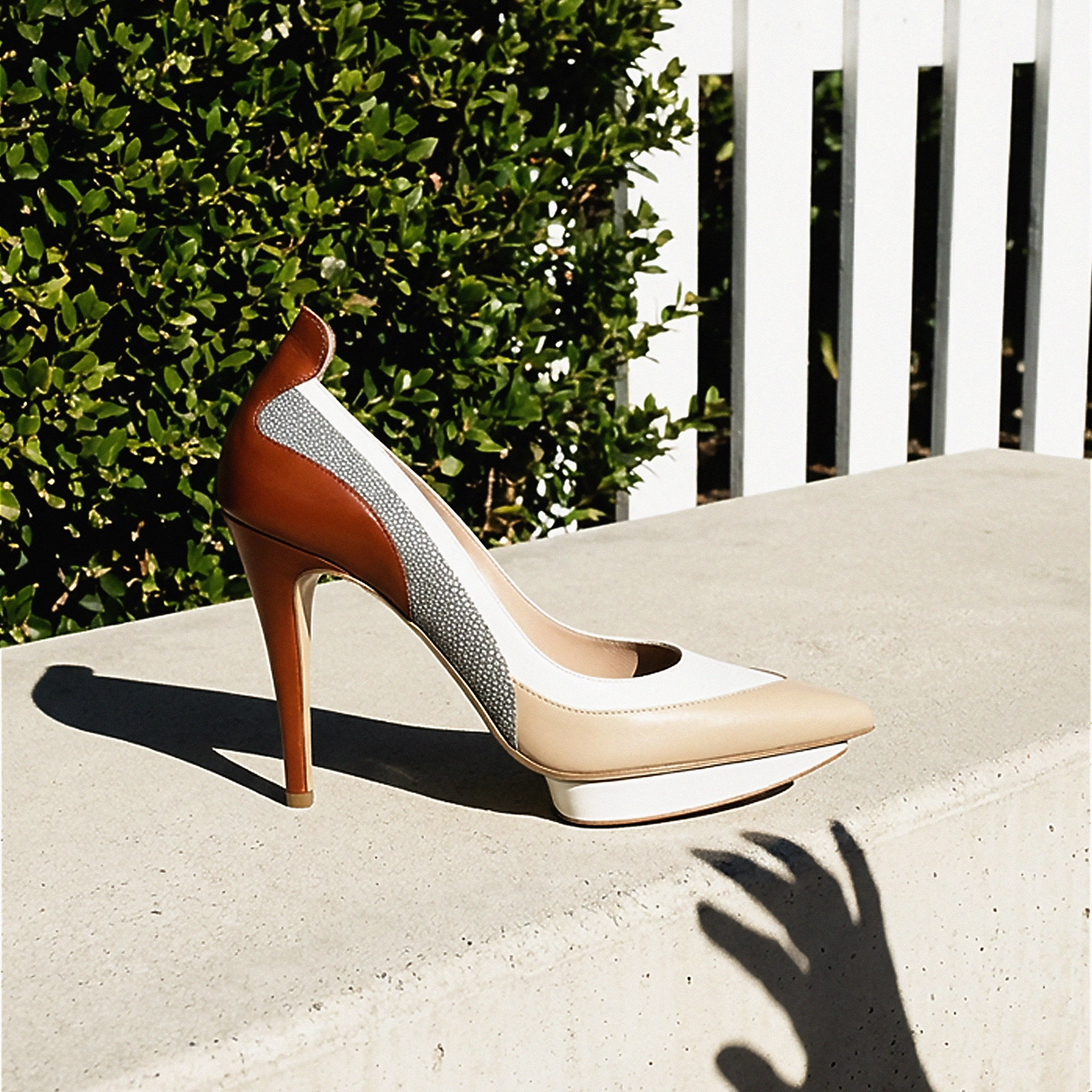
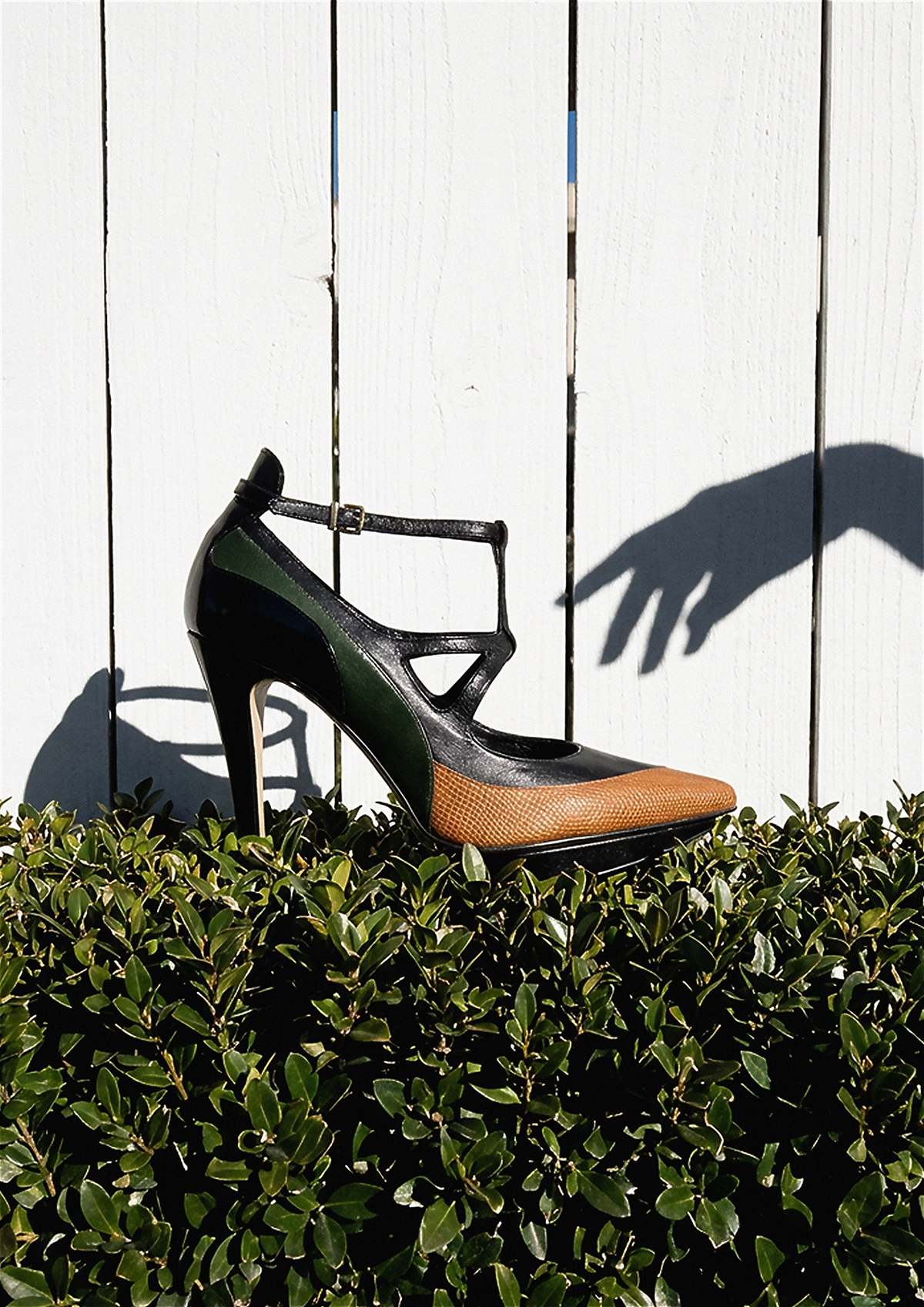
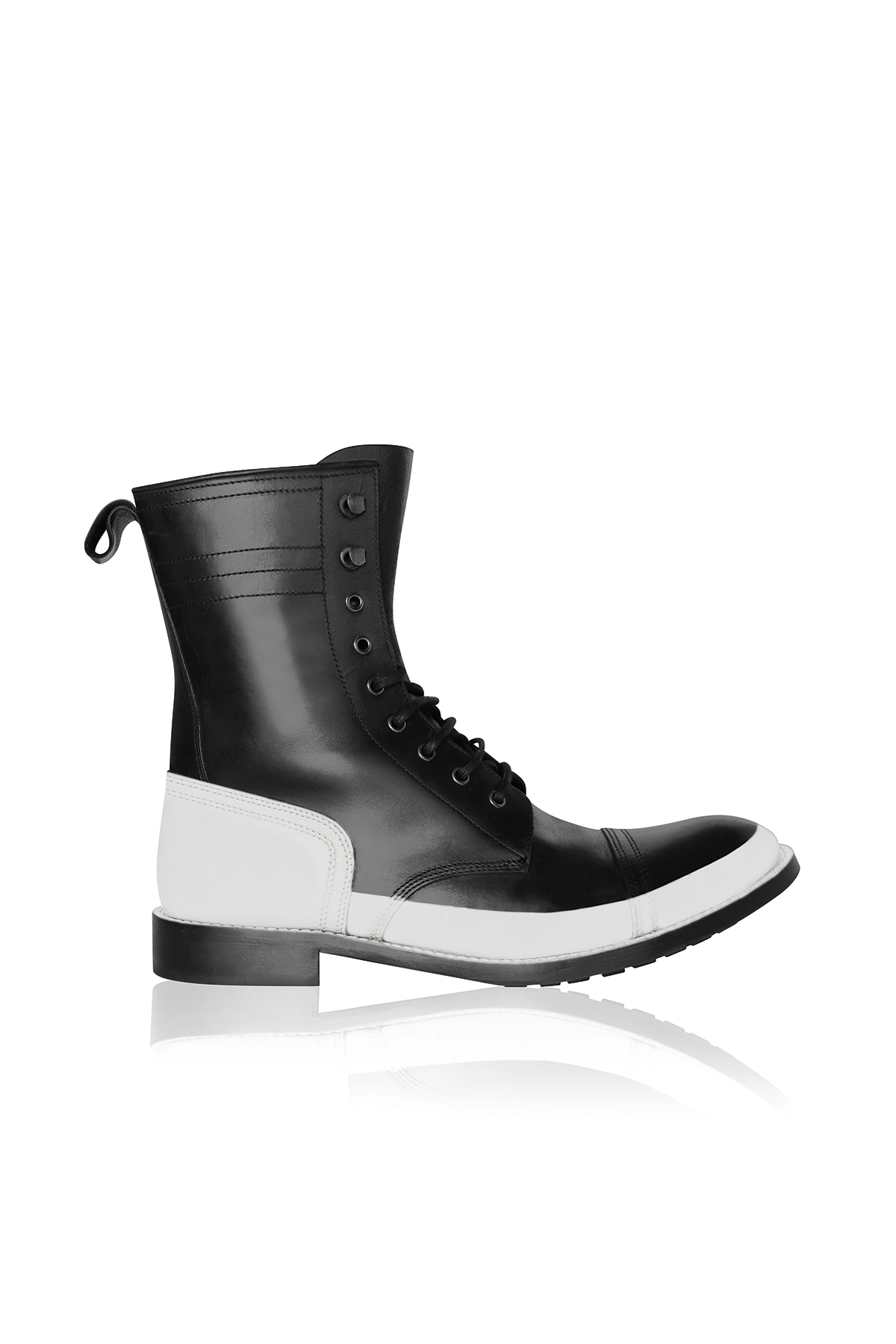
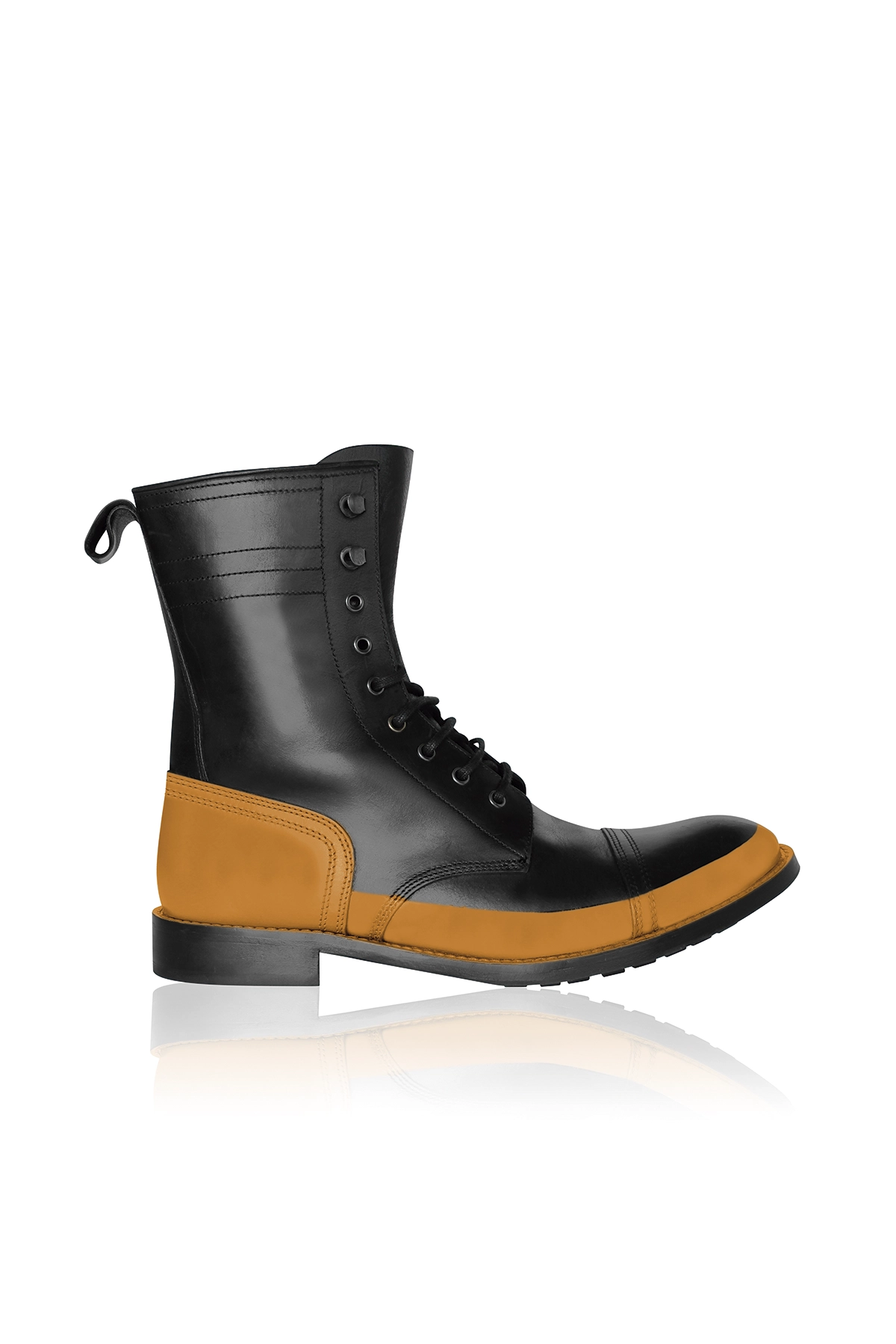
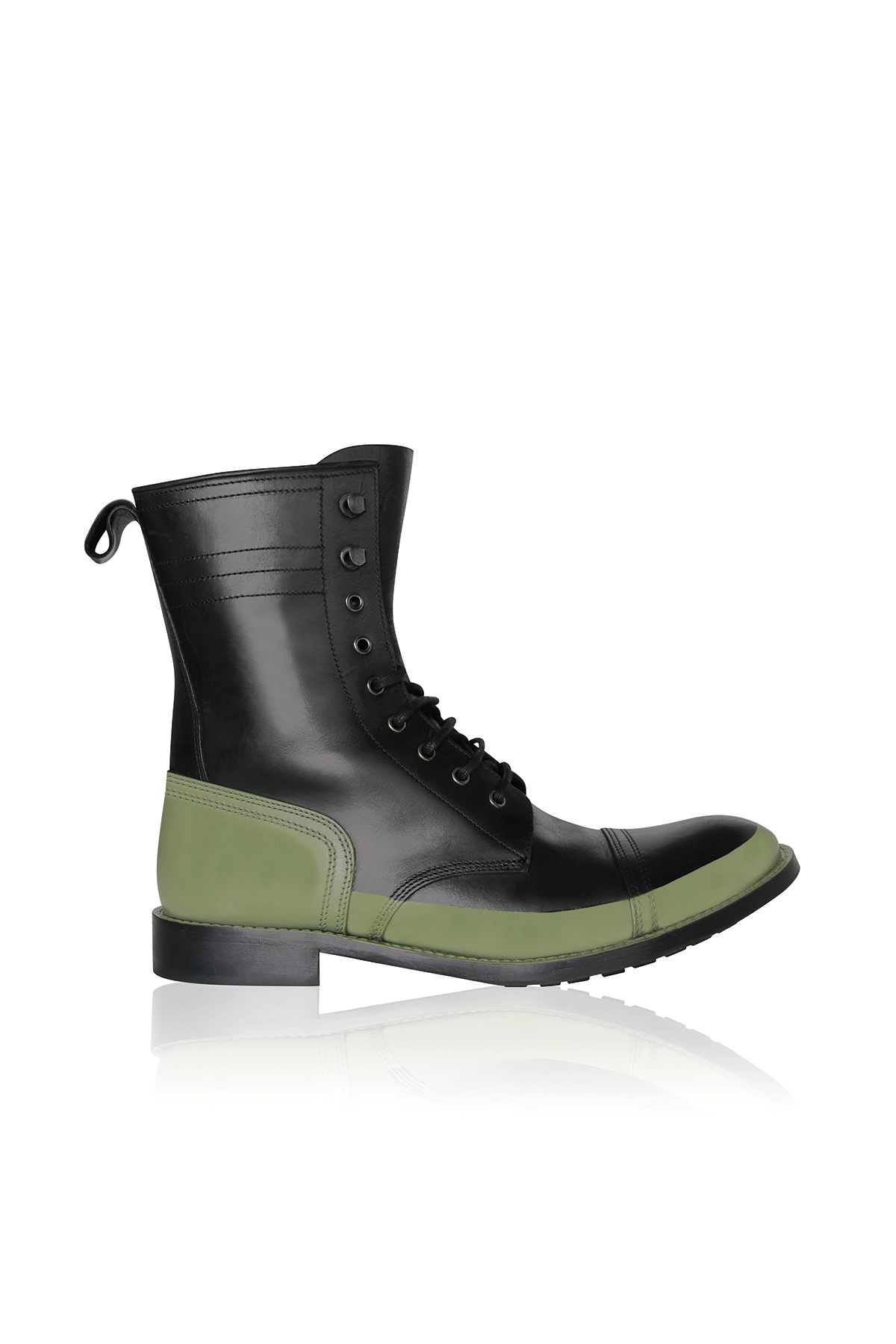
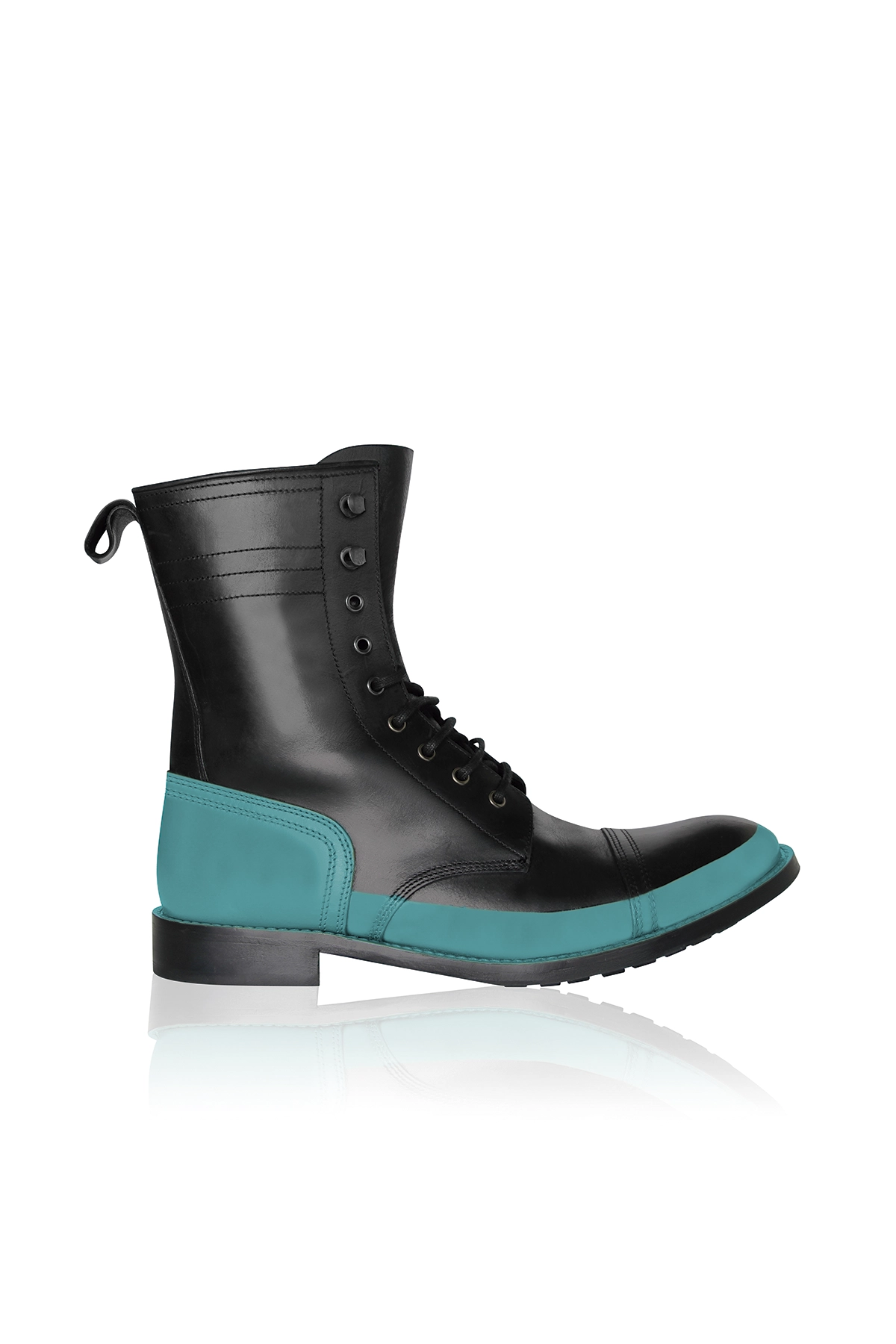
The shoes are presented as silent protagonists within the scene. Placed in gardens, on walls, or on sidewalks, they seem to be waiting for something to happen. Shadows of hands reaching for them are projected onto them, a gesture that directly references the visual language of classic Hitchcock films, where shadows become disturbing presences that suggest off-screen action.
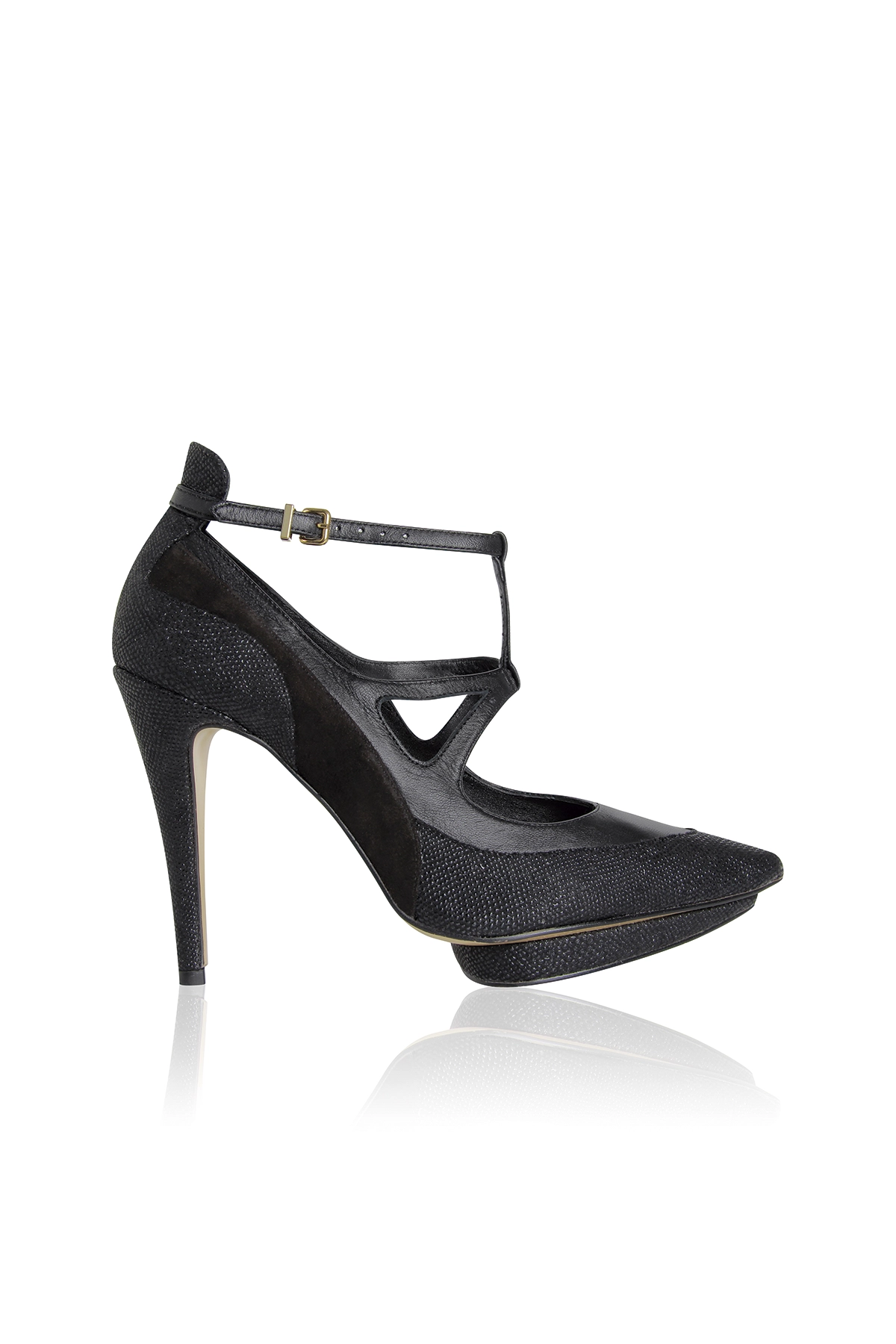
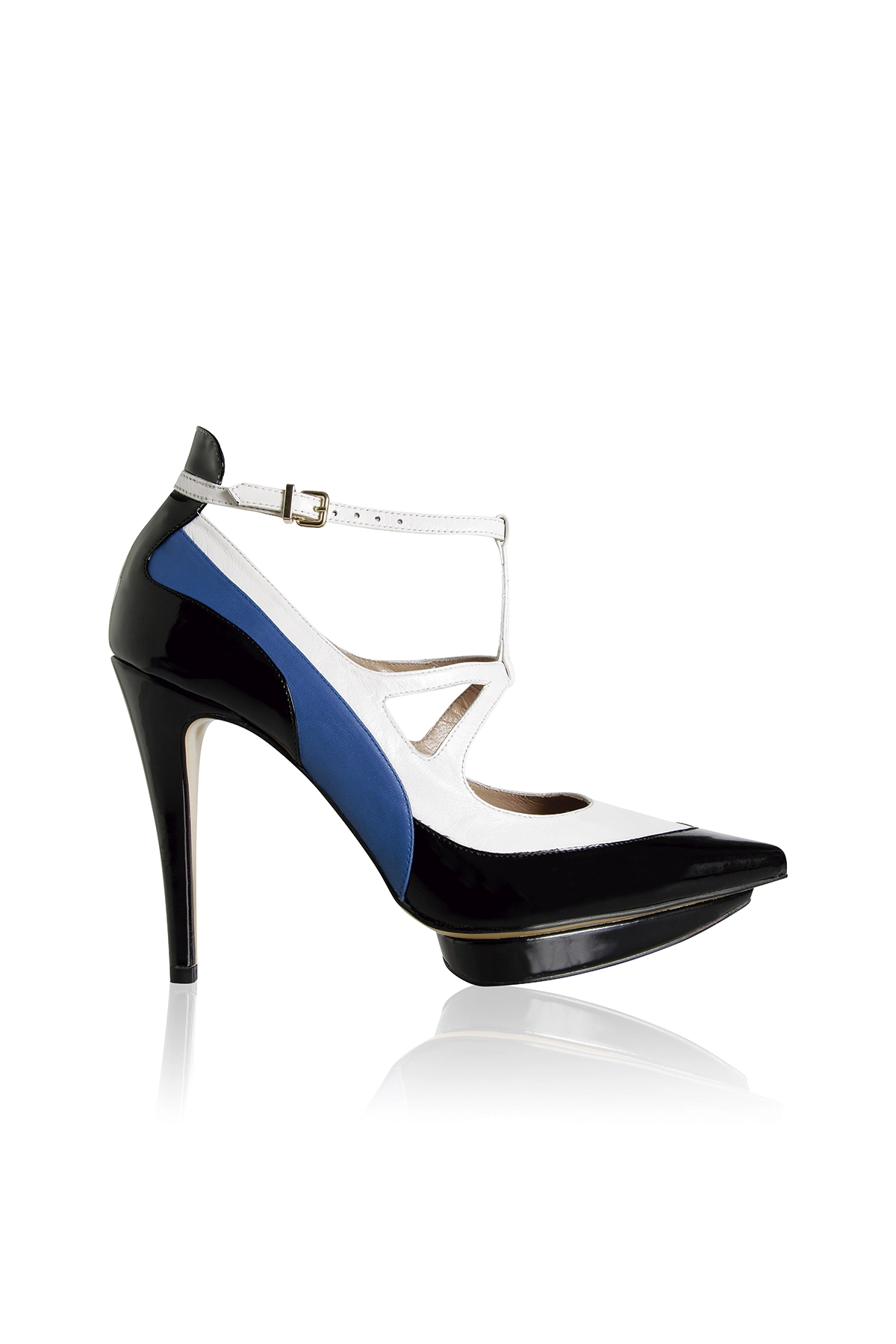
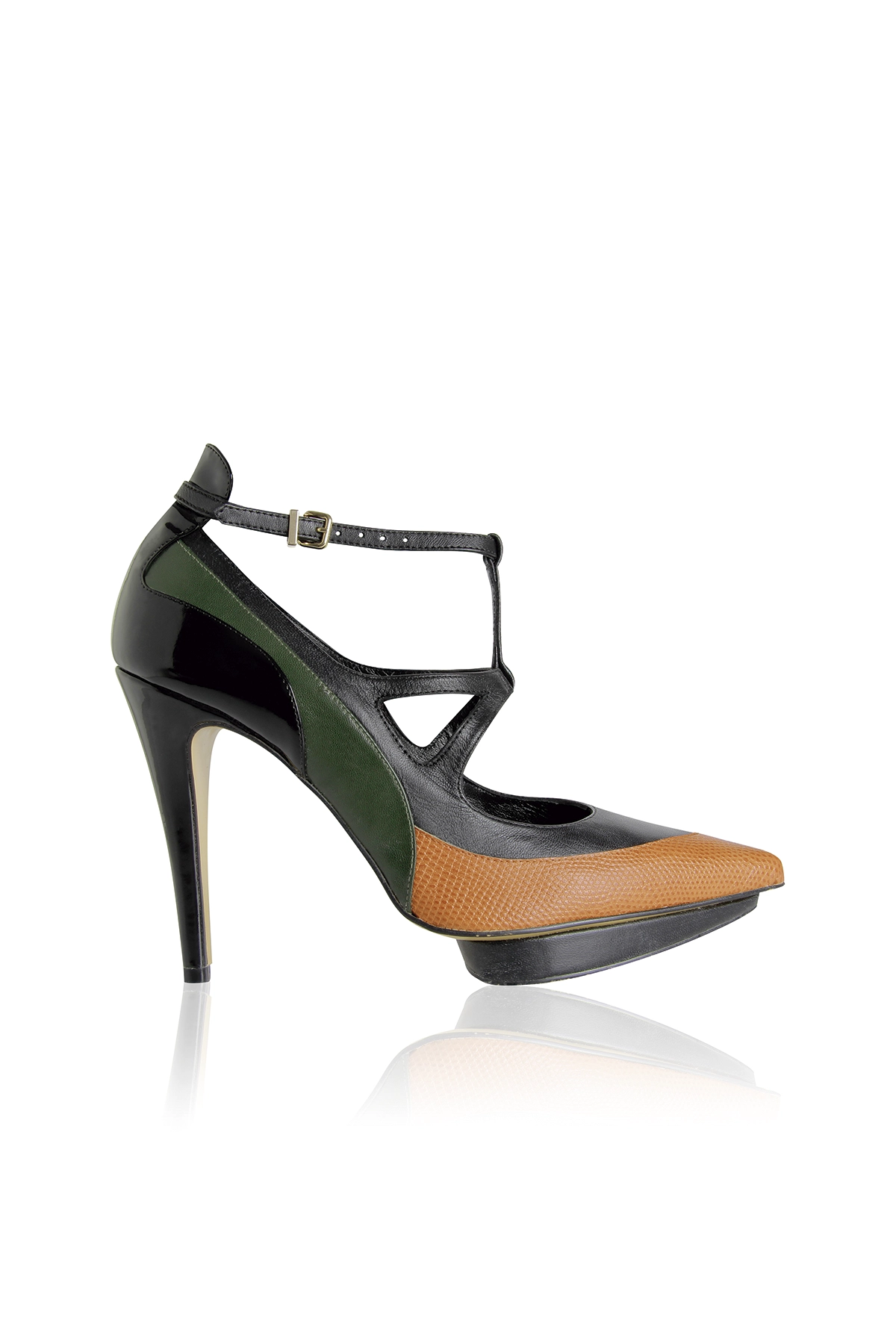
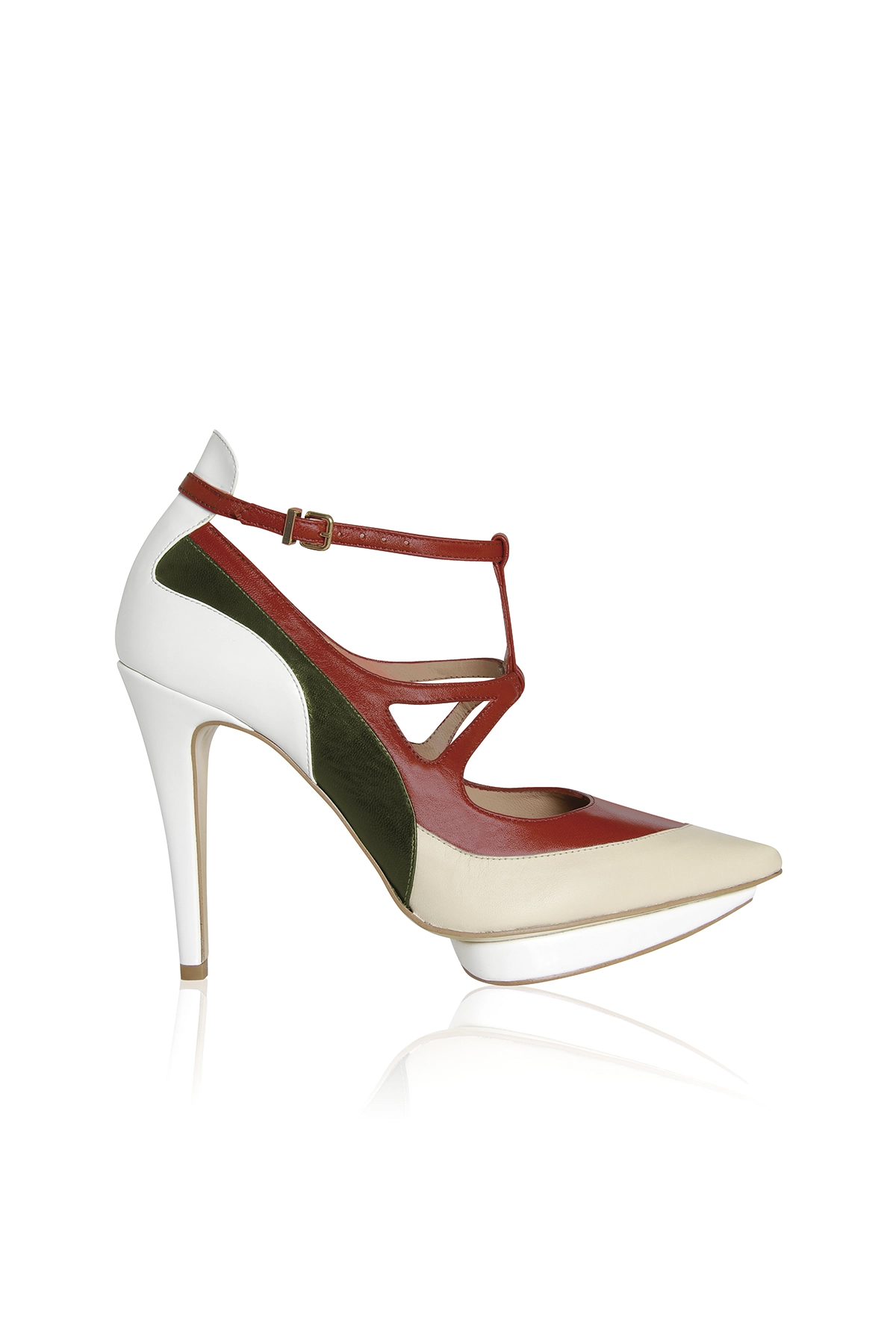
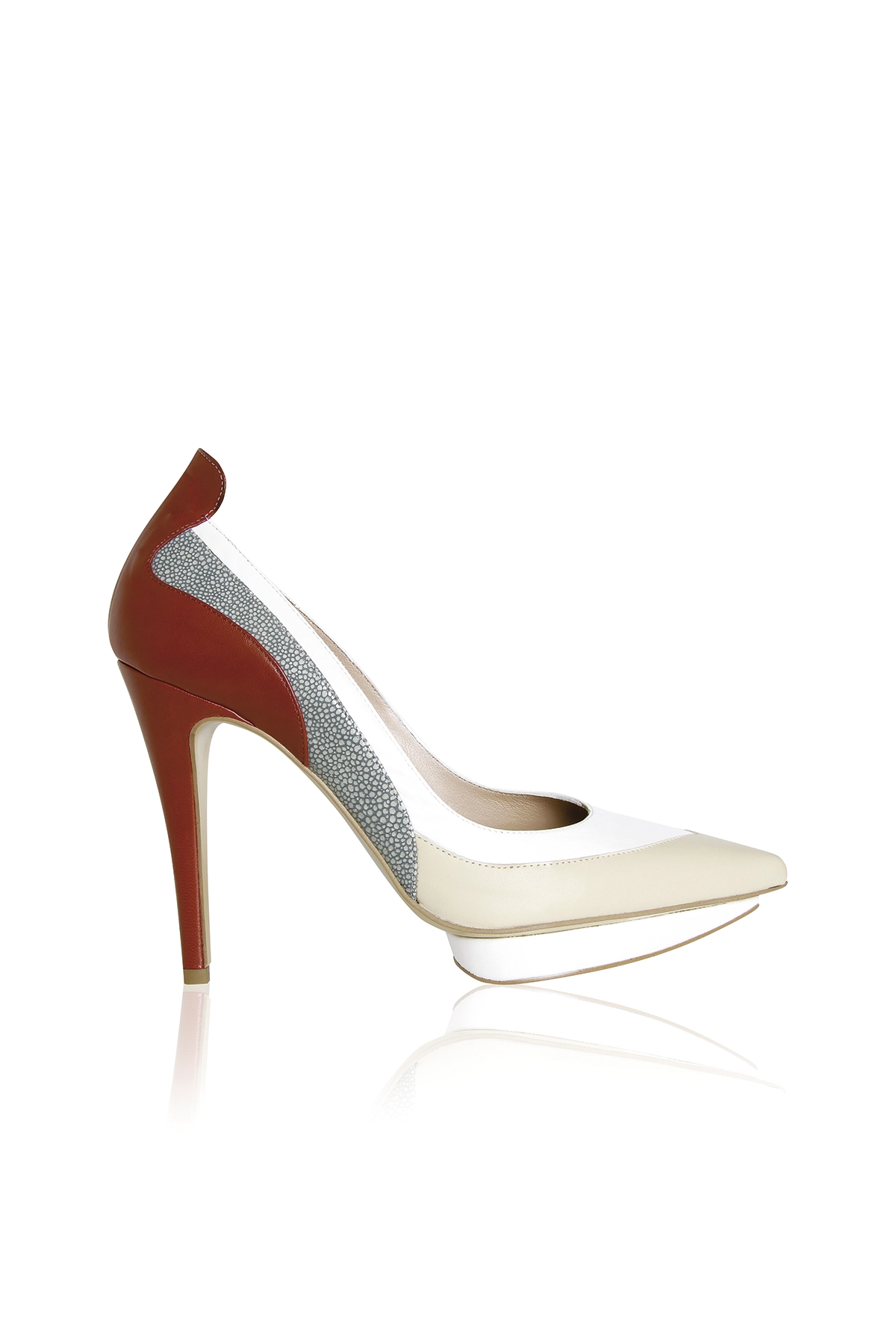
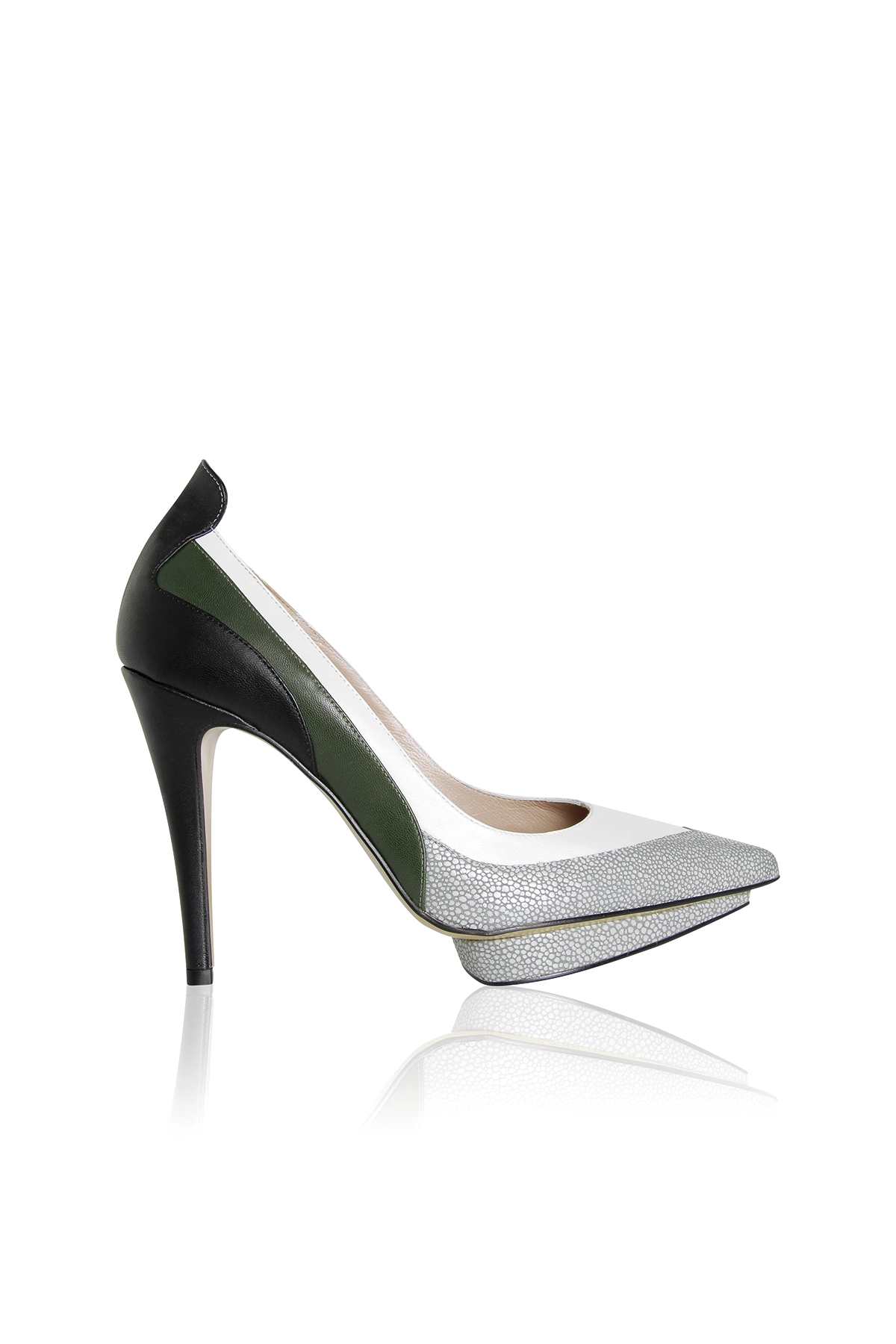
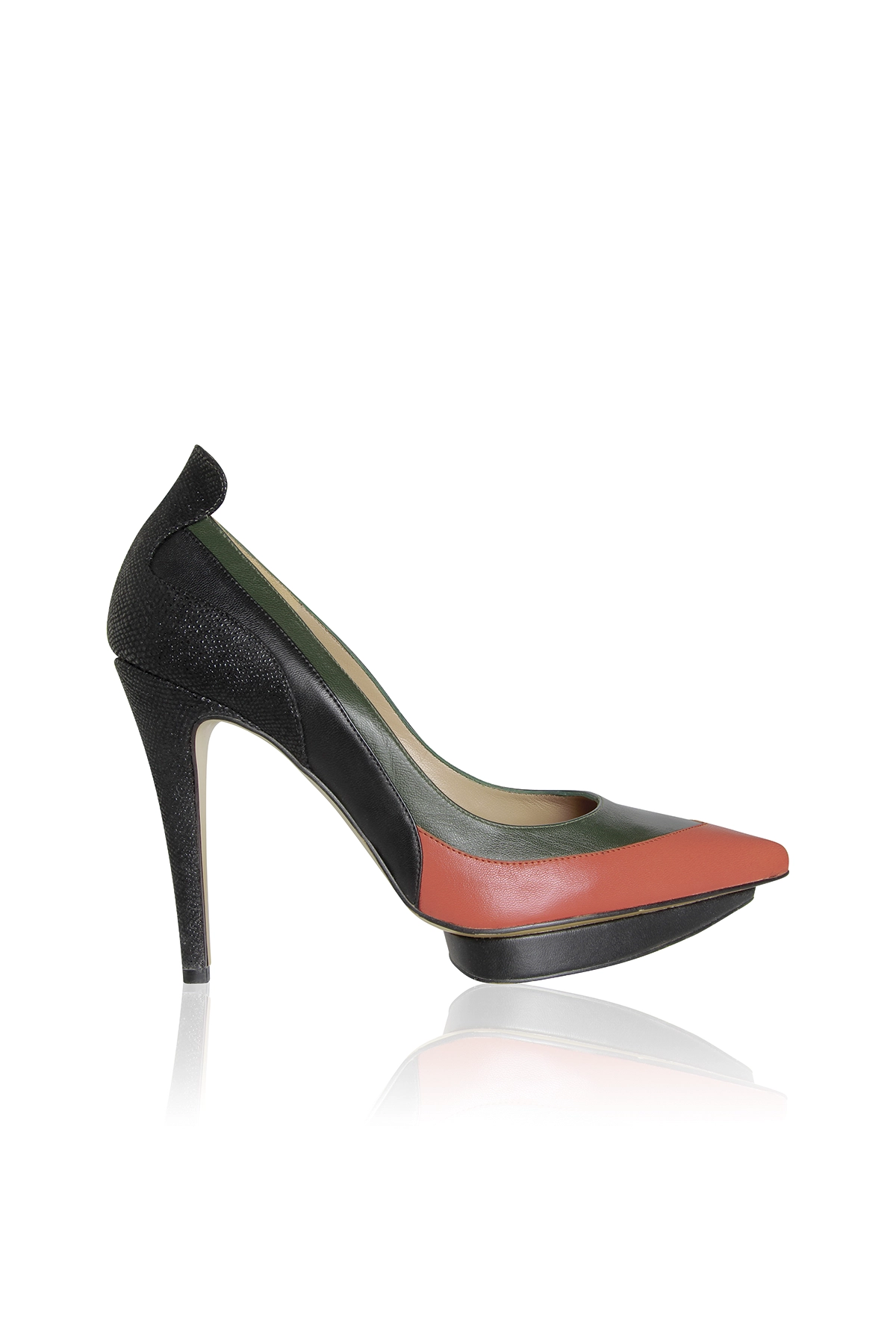
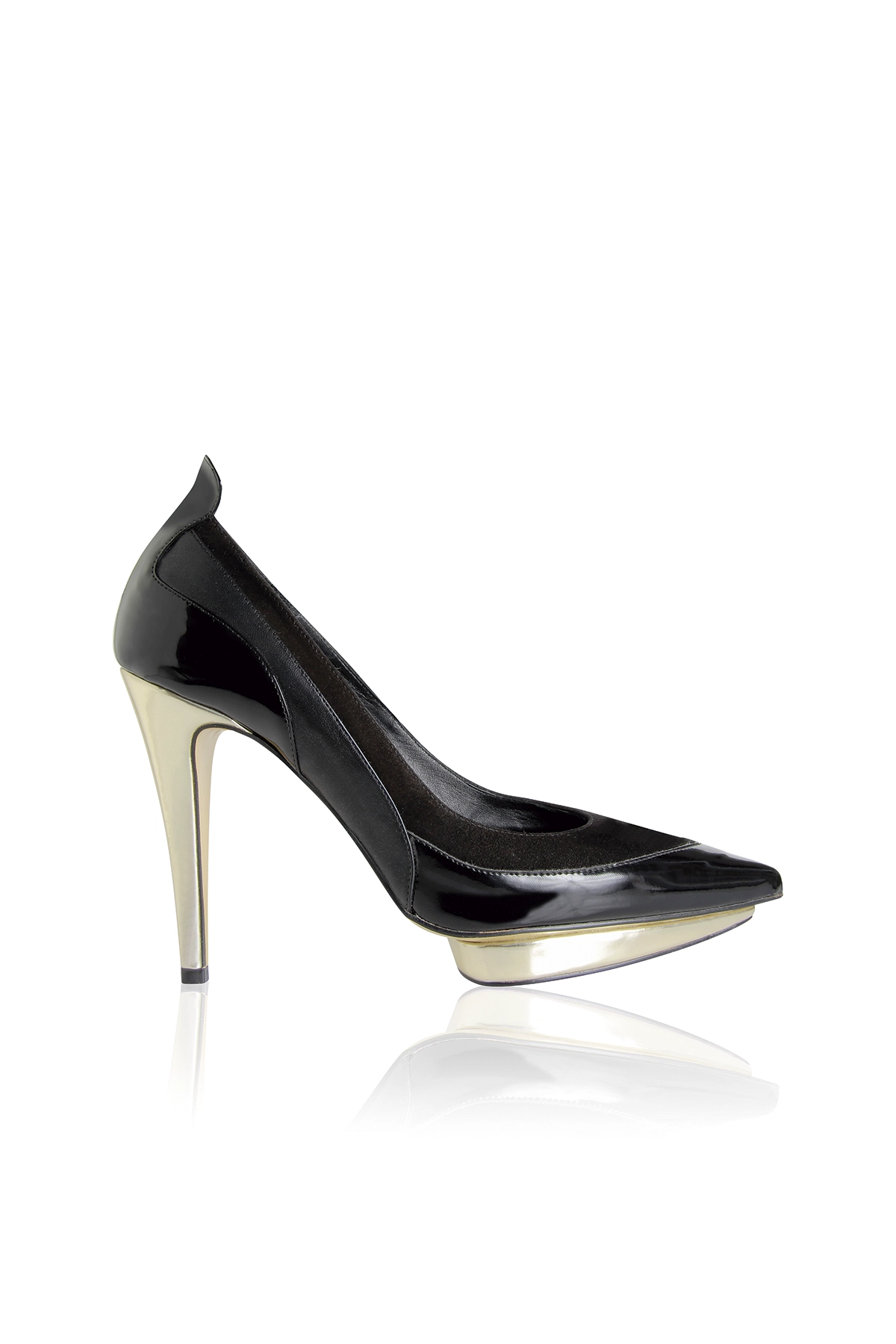
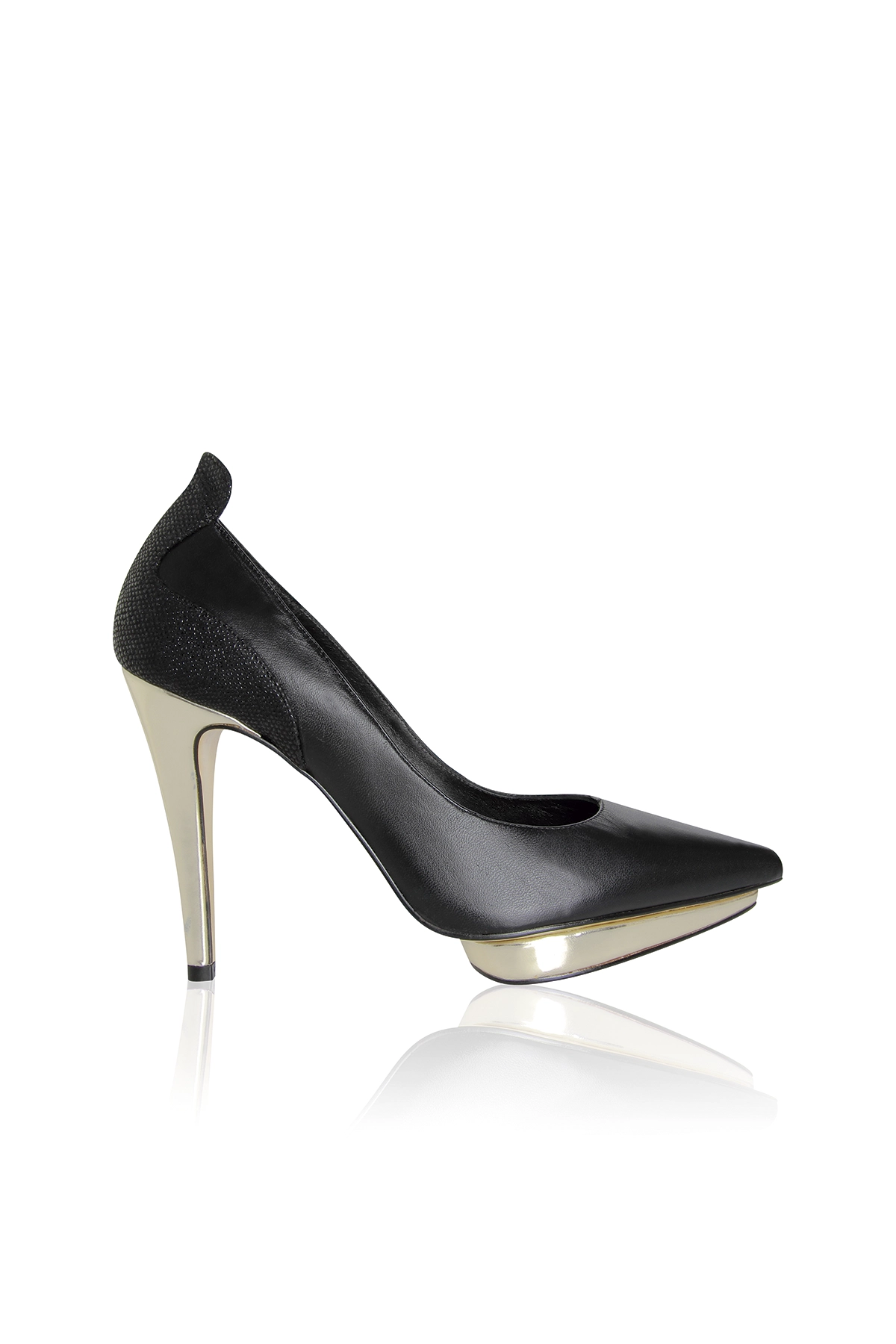
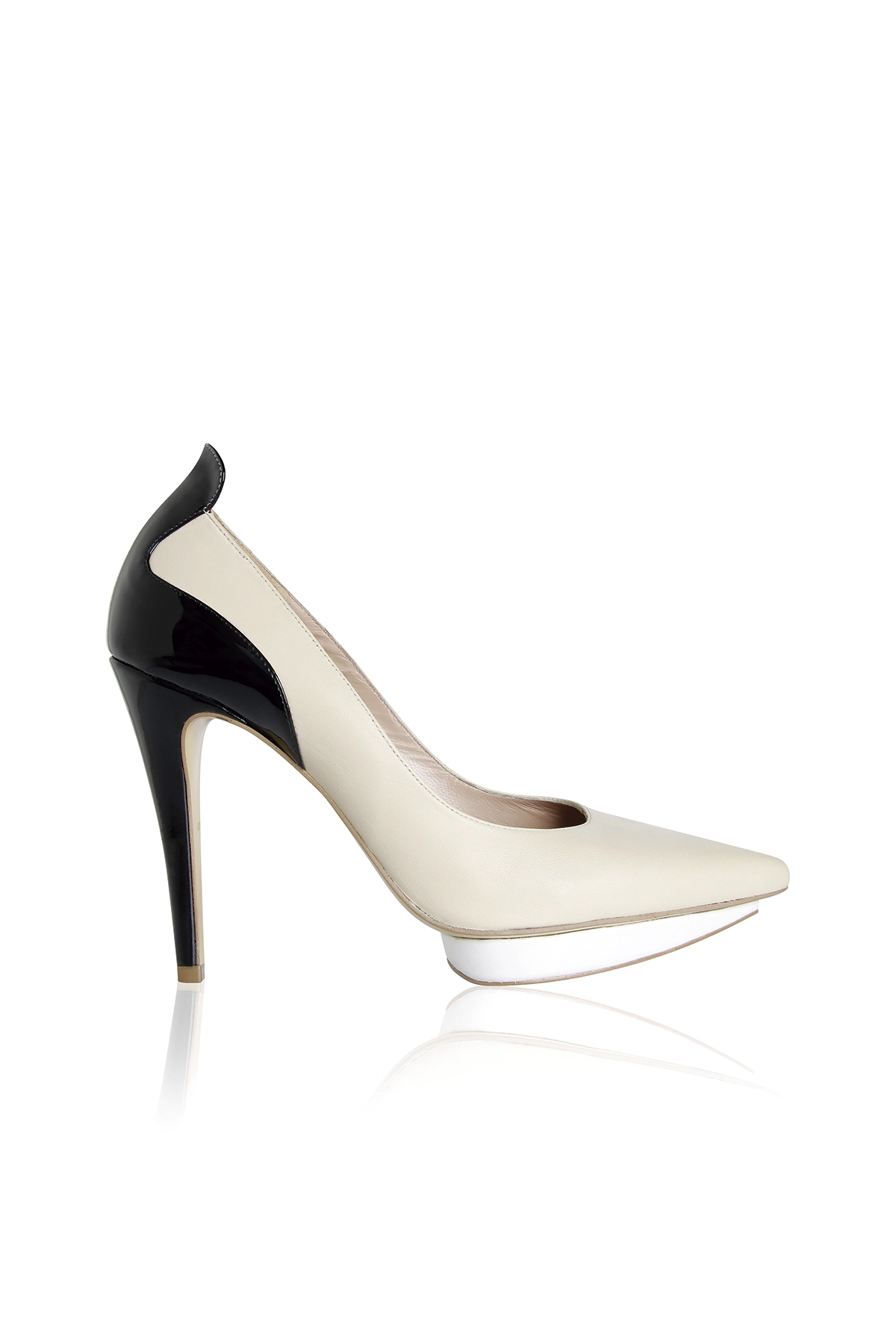
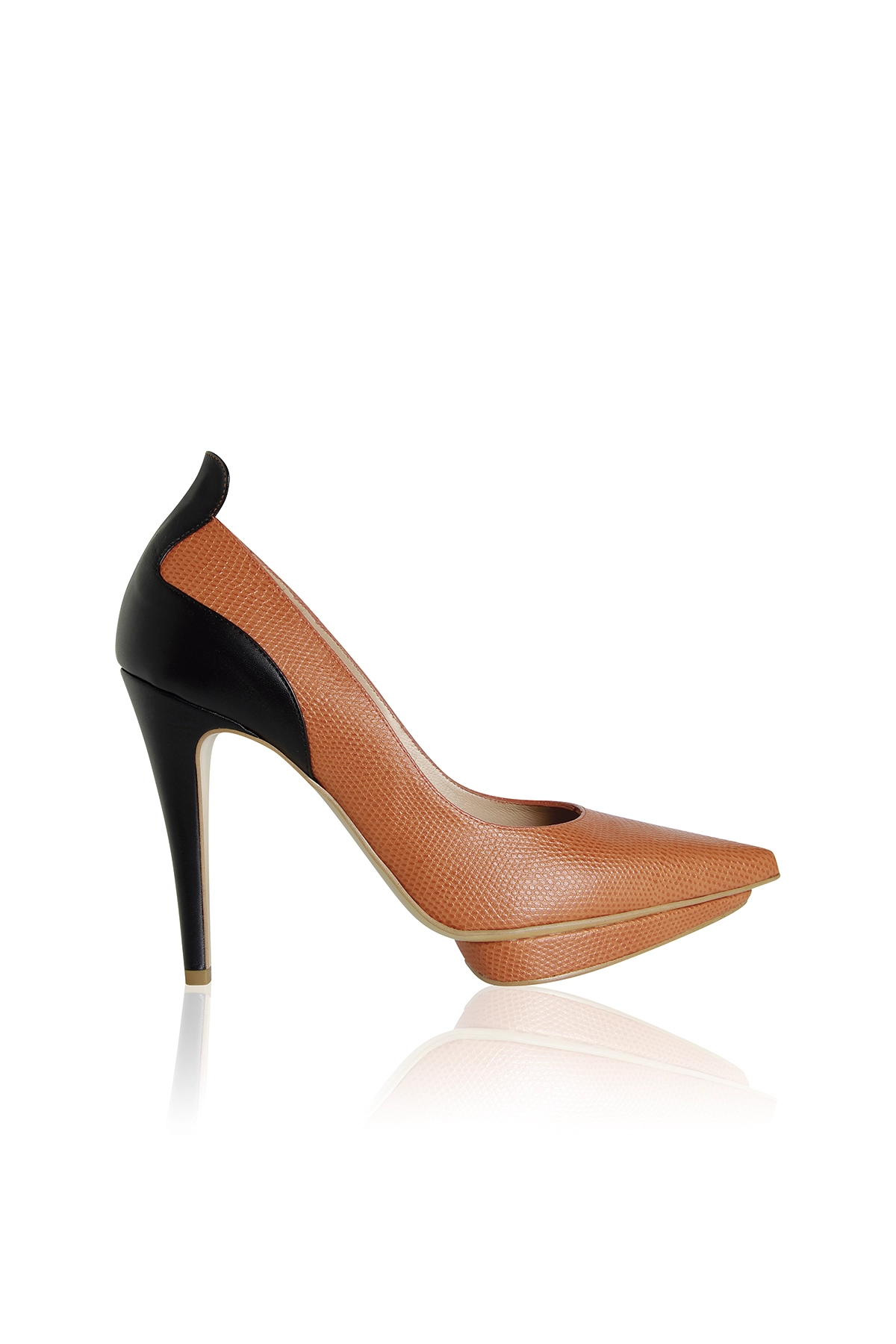
The refined lines and color combinations—where intense oranges, deep blacks, and neutral tones coexist—reinforce this tension between elegance and mystery. Each piece thus functions as a small McGuffin: an object that does not tell a closed story, but invites the viewer to imagine their own.
Because, as in cinema, what is truly important is not the object itself, but the story that is activated around it.
The McGuffin accessories collection takes its name from the famous narrative device popularized by Alfred Hitchcock: that seemingly essential element that triggers a story, even though its true importance ends up being secondary to everything else that happens around it.
In Hitchcock’s films, the McGuffin functions as a narrative excuse, an object that sets the action in motion and generates the tension that sustains the story. Under this premise, the collection transfers this same mechanism to the world of accessories, turning each piece into a potential trigger for stories.
The campaign places these objects within a seemingly everyday landscape: quiet streets, houses with white picket fences, and perfectly manicured gardens that evoke the imagery of the American suburb. In this serene environment, the accessories appear as unexpected elements that disrupt the calm of the setting, as if they were part of a frozen frame from a suspense film.
The shoes are presented as silent protagonists within the scene. Placed in gardens, on walls, or on sidewalks, they seem to be waiting for something to happen. Shadows of hands reaching for them are projected onto them, a gesture that directly references the visual language of classic Hitchcock films, where shadows become disturbing presences that suggest off-screen action.
The refined lines and color combinations—where intense oranges, deep blacks, and neutral tones coexist—reinforce this tension between elegance and mystery. Each piece thus functions as a small McGuffin: an object that does not tell a closed story, but invites the viewer to imagine their own.
Because, as in cinema, what is truly important is not the object itself, but the story that is activated around it.