An isolated dream may be a fantasy, even the prelude to an illusion.
Fall - Winter 2017-18
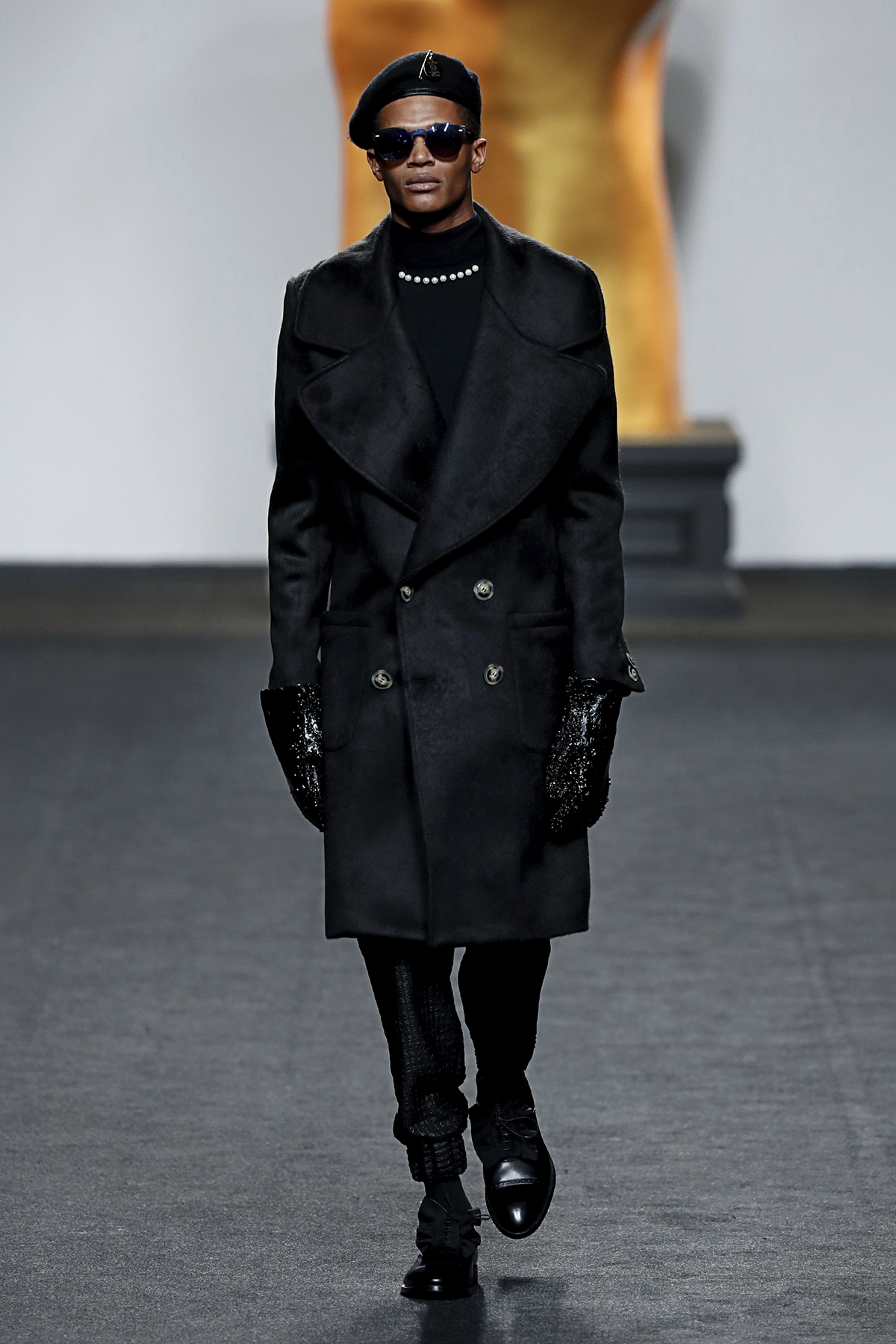
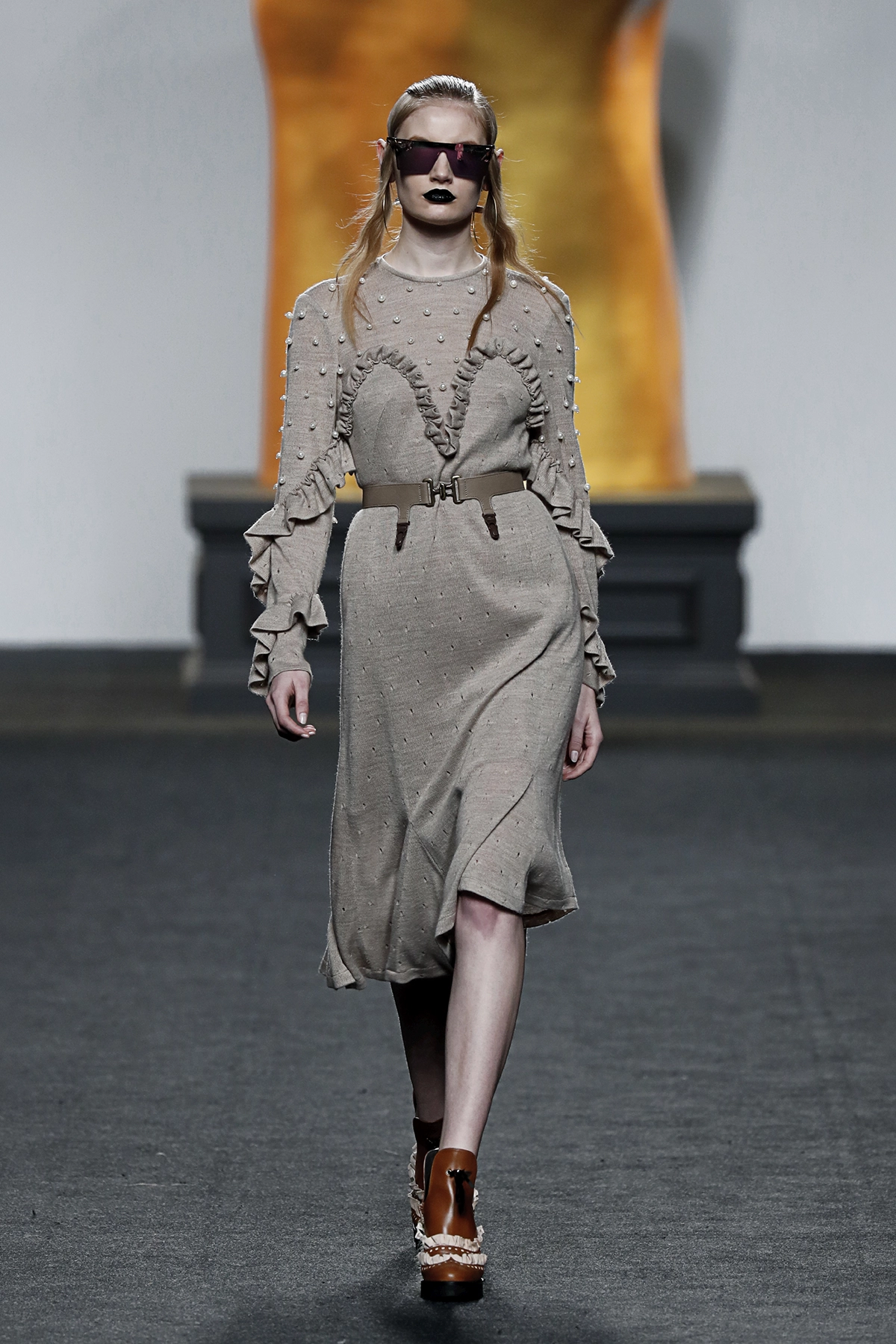
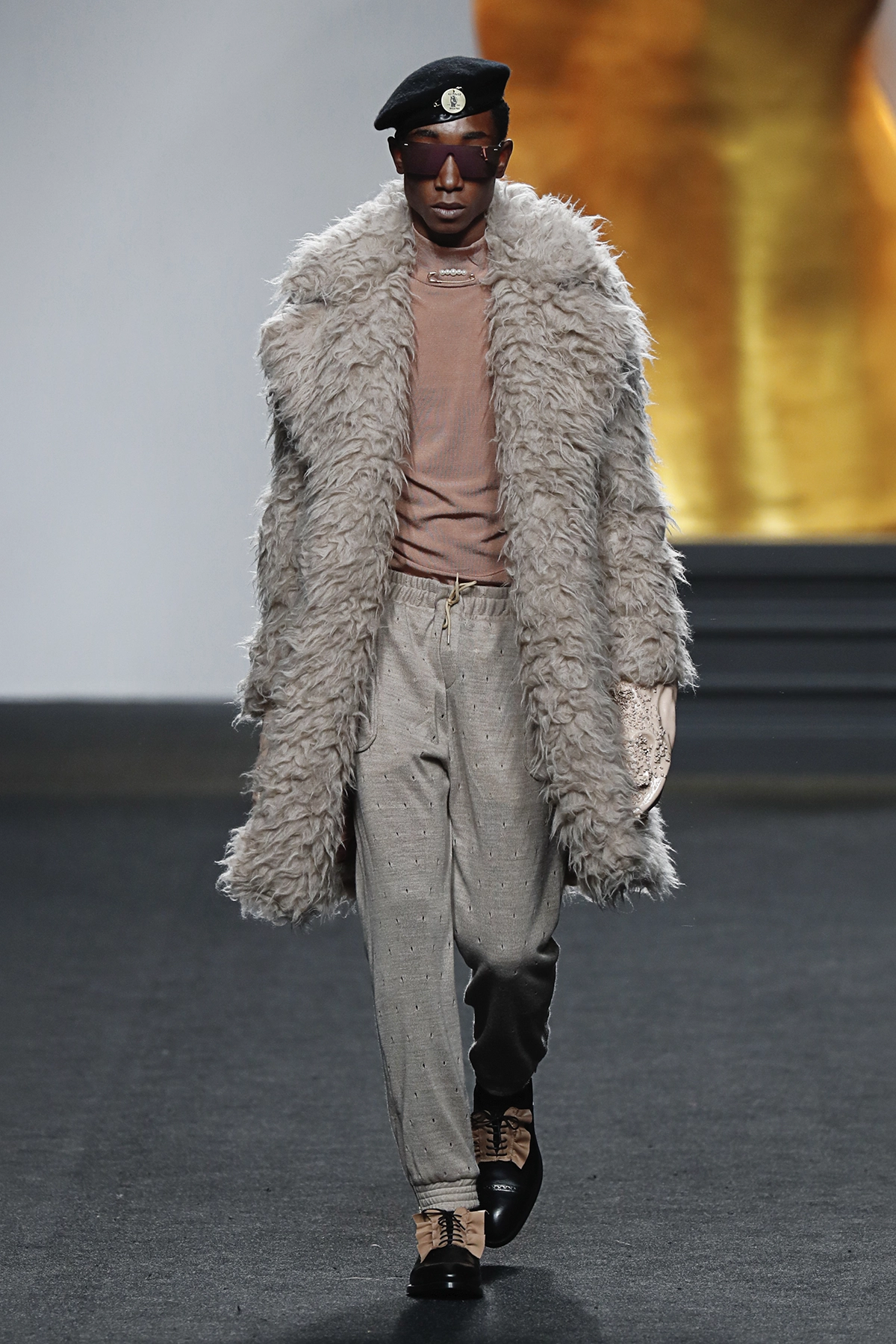
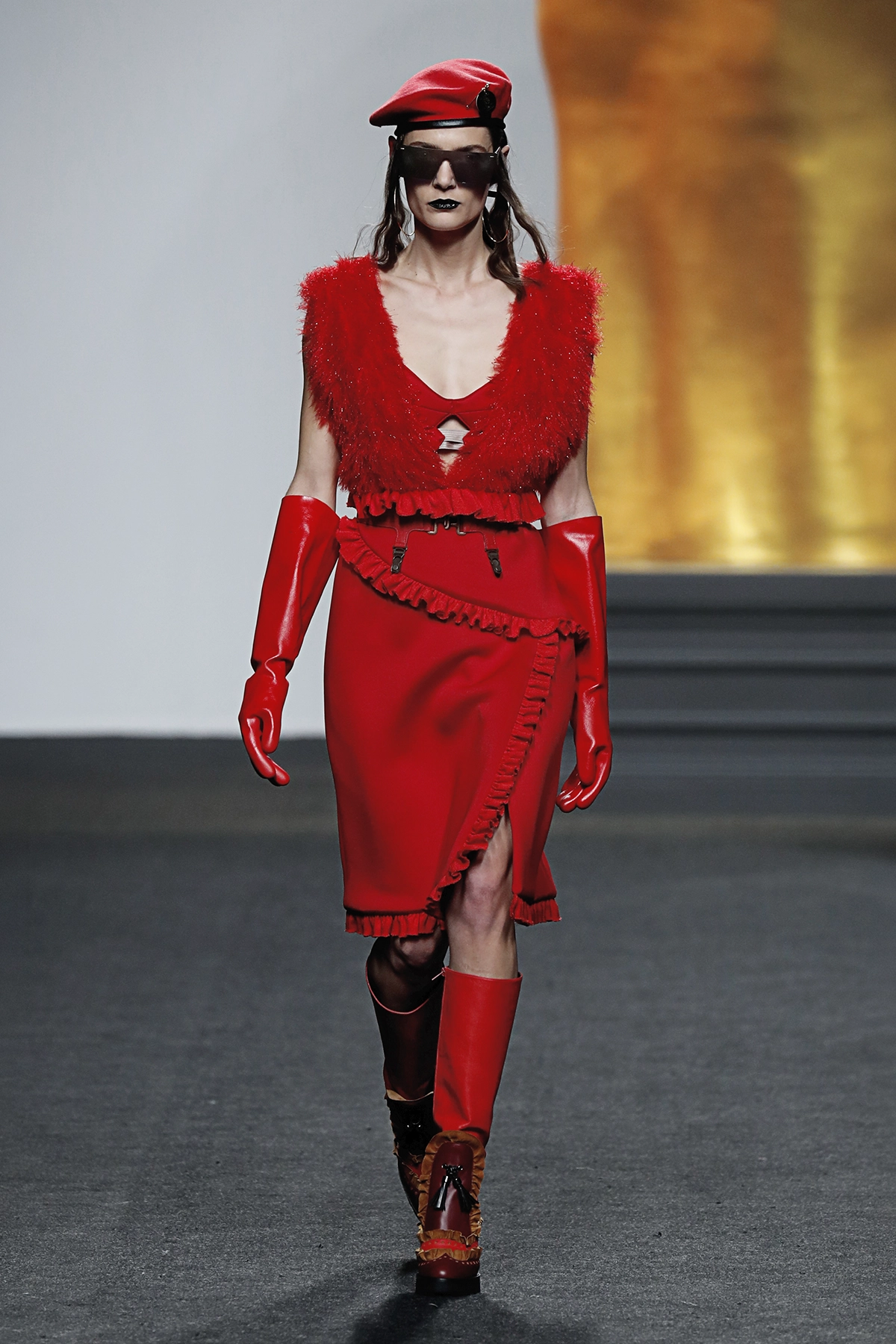
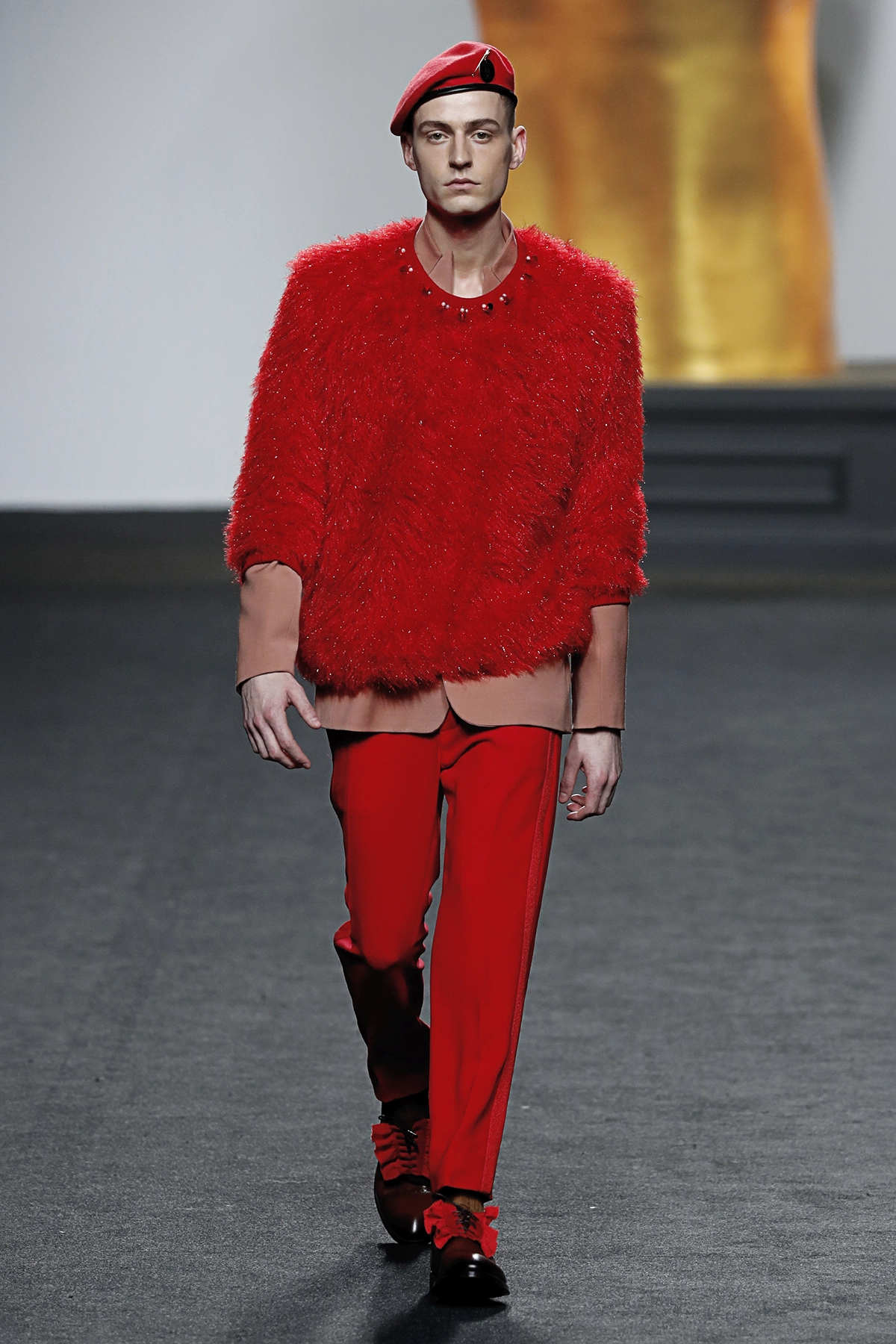
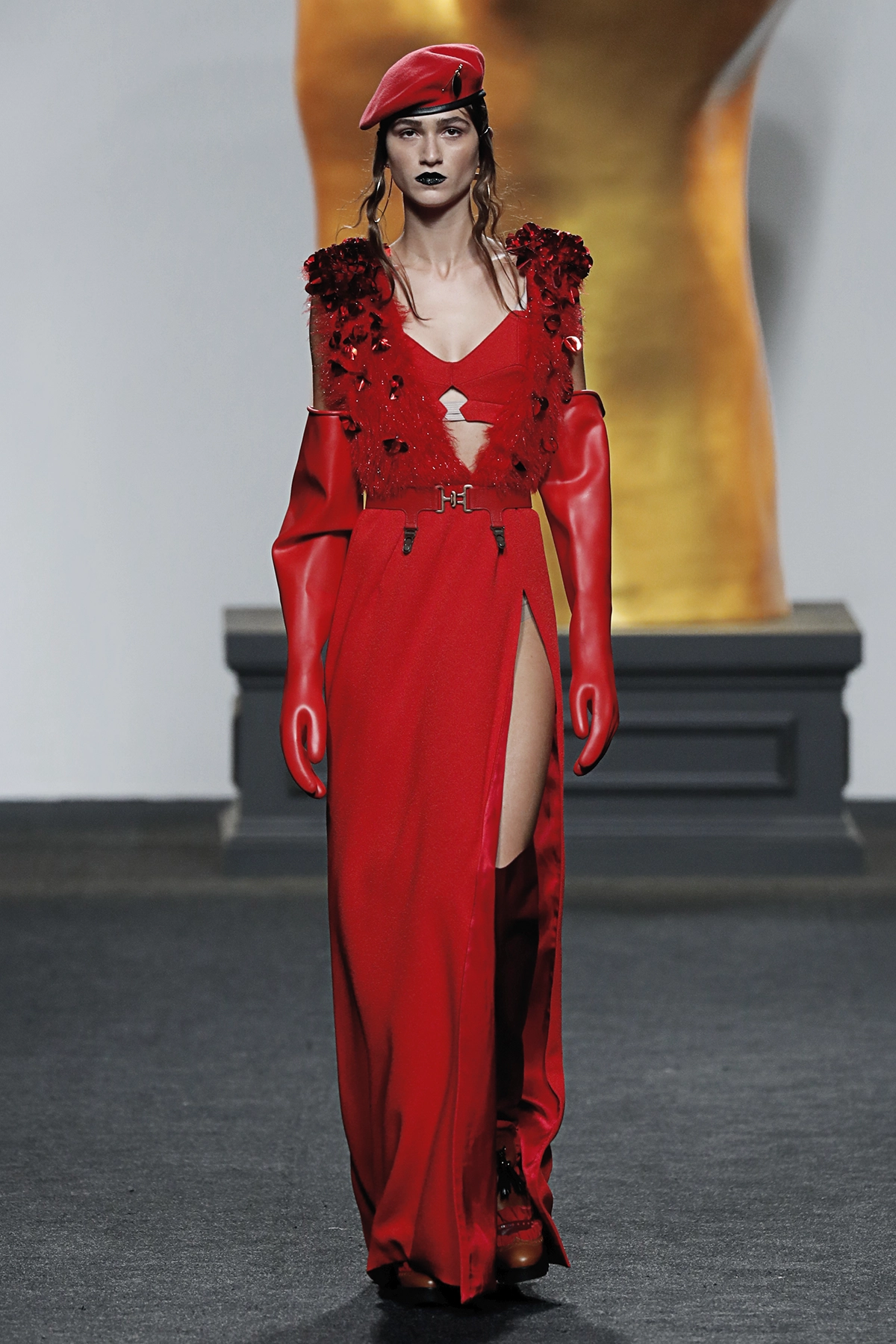
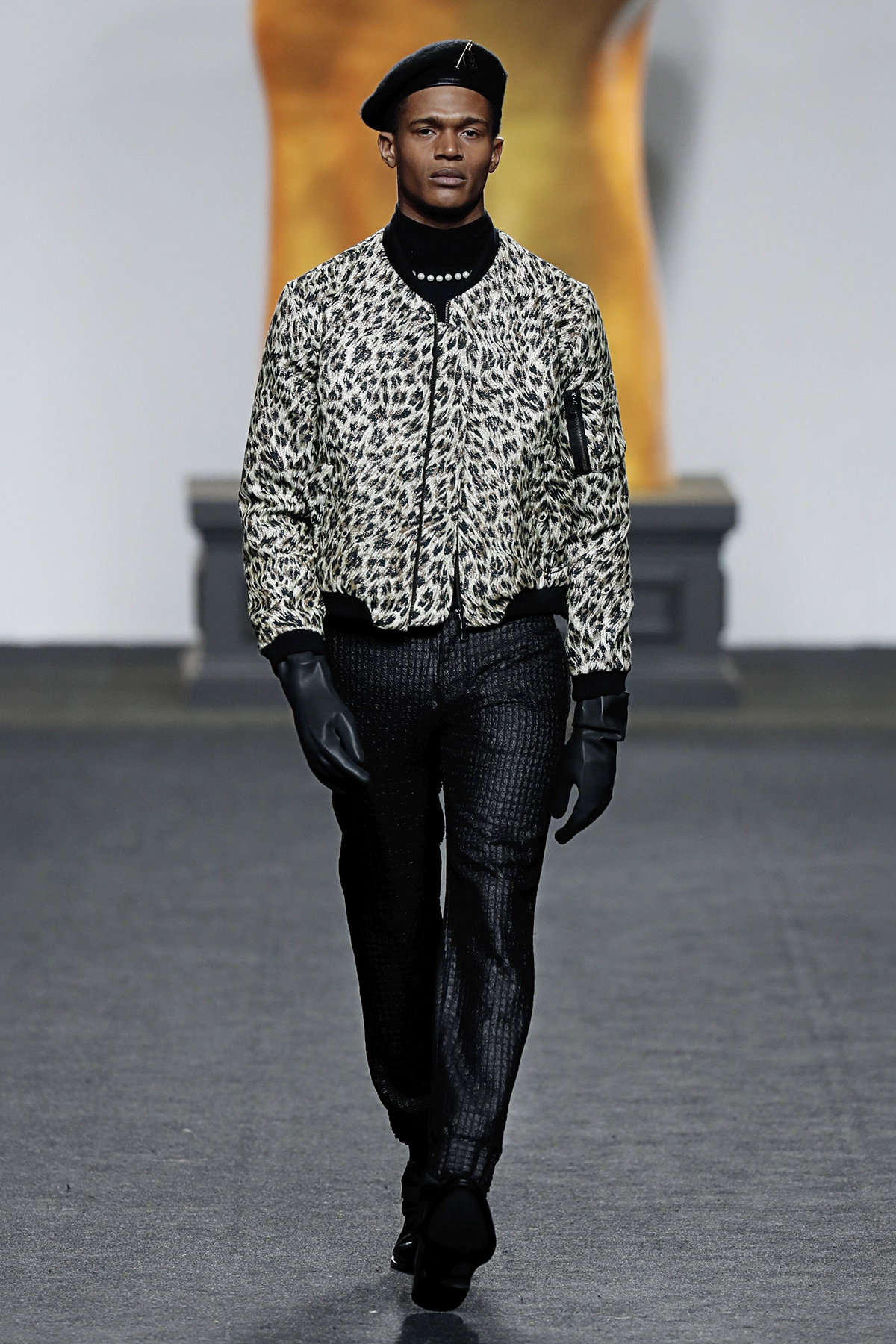
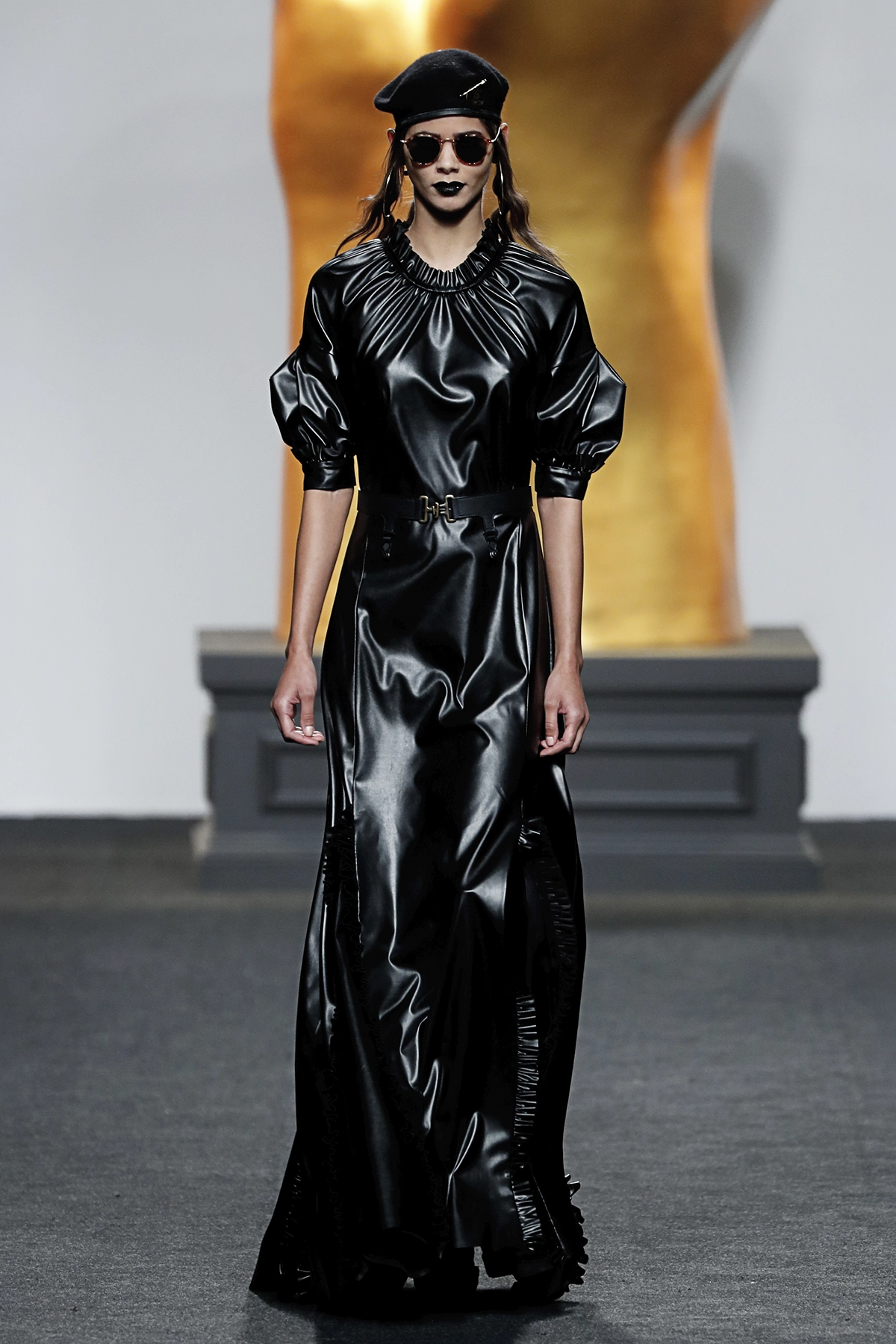
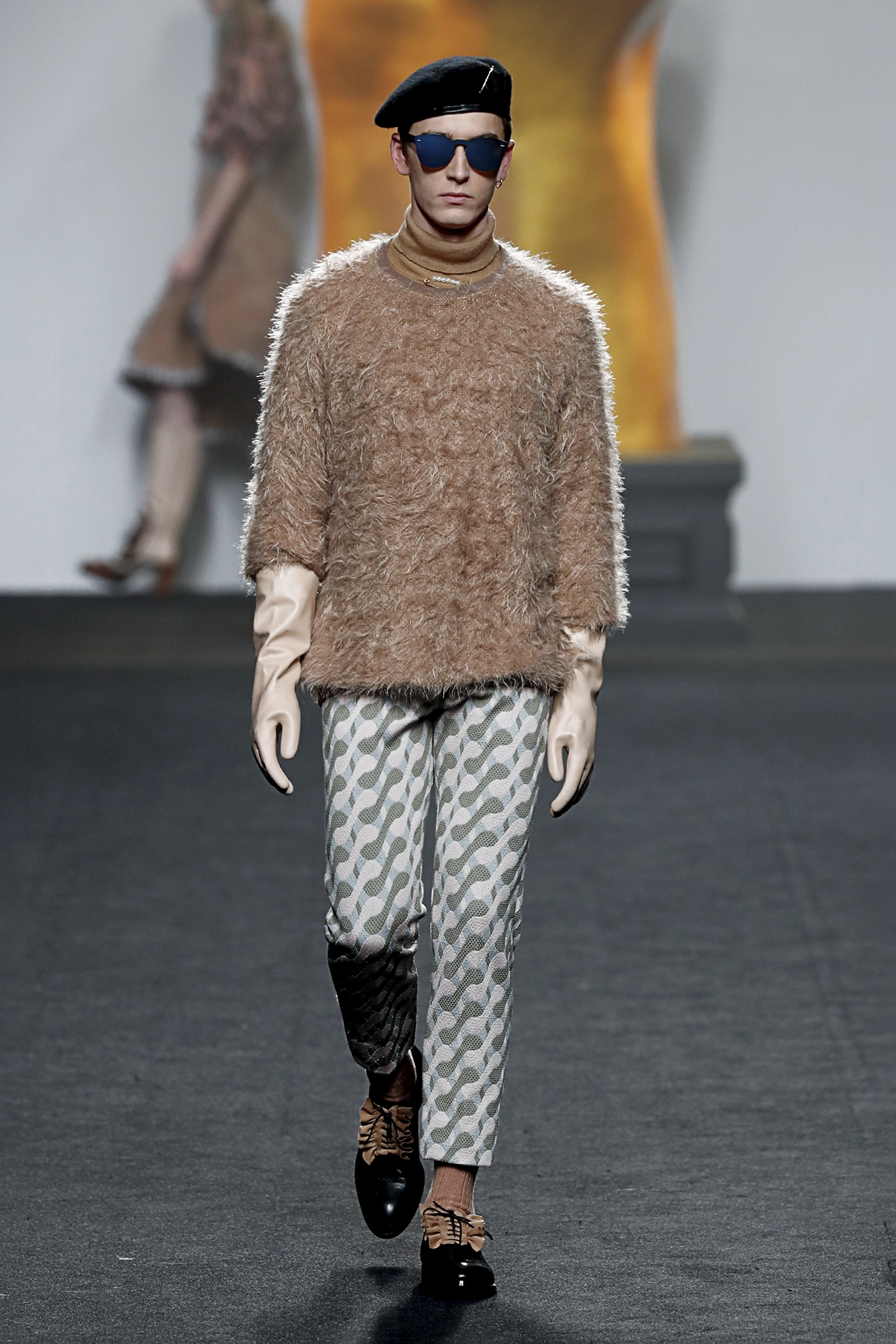
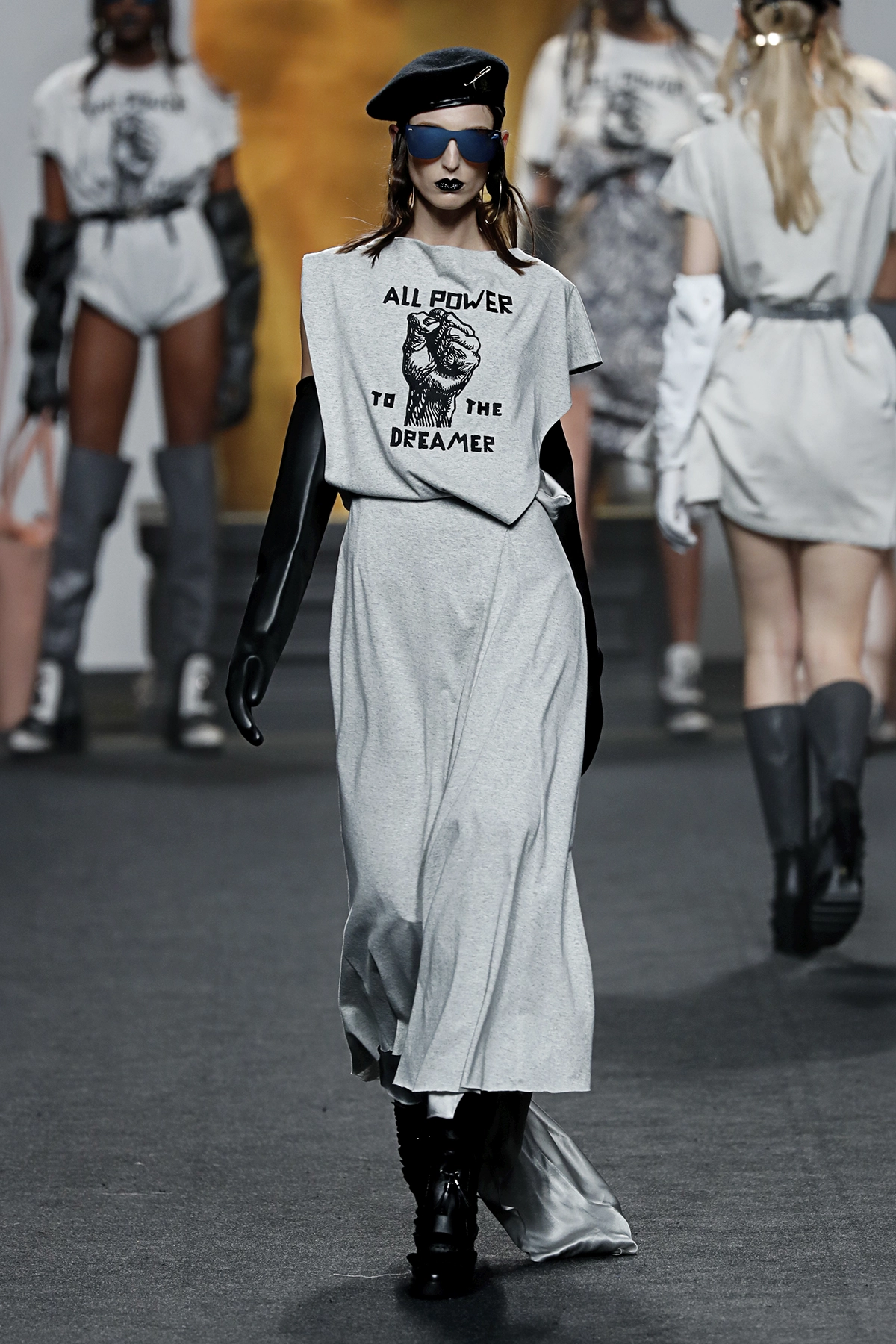
THE DREAMER

*
*

With The Dreamer, the most humanist—and perhaps the most utopian—trilogy of my collections comes to an end.
In Antihero, I explored wounded dreams: those who, even after losing their illusions, continue to search for reasons to rise again, to take risks once more, to fall and begin anew. In The Thinker, my admiration turned toward those who reject comfort—autonomous spirits willing to think differently, perhaps naïve, but radiant in their renewed faith in ideals, even utopian ones.
The Dreamer brings both figures together. Hero and thinker converge in the dreamer: someone who dares to cross the fragile line between discouragement and hope, in order to imagine another future.
It is impossible to speak of this collection without hearing the echo of Martin Luther King Jr.’s “I have a dream…”—a beacon of hope that illuminated the steps of the Lincoln Memorial in the summer of 1963, and that remains, more than half a century later, as urgent as ever.
The Dreamer is dedicated to those who use the heart as a tool against despair; to those who turn emotion into a driving force, escaping personal pain to move toward equality and freedom—two words still painfully unfinished in human history.
Martin Luther King, Mandela, Gandhi—I would even dare to include John Lennon’s Imagine. Tireless dreamers who transformed ideals into political banners, social manifestos, and generational anthems. Dreamers who reminded us that utopia is not a mirage, but a challenge.
An isolated dream may be a fantasy, even the prelude to an illusion. But a shared dream becomes collective utopia—and, ultimately, a possible undertaking.
It will always be worth it to me—even if only for a moment—to allow myself to be naïve again, and to believe that equality remains a journey within reach for all Dreamers willing to challenge what is already established.
With The Dreamer, the most humanist—and perhaps the most utopian—trilogy of my collections comes to an end.
In Antihero, I explored wounded dreams: those who, even after losing their illusions, continue to search for reasons to rise again, to take risks once more, to fall and begin anew. In The Thinker, my admiration turned toward those who reject comfort—autonomous spirits willing to think differently, perhaps naïve, but radiant in their renewed faith in ideals, even utopian ones.
The Dreamer brings both figures together. Hero and thinker converge in the dreamer: someone who dares to cross the fragile line between discouragement and hope, in order to imagine another future.
It is impossible to speak of this collection without hearing the echo of Martin Luther King Jr.’s “I have a dream…”—a beacon of hope that illuminated the steps of the Lincoln Memorial in the summer of 1963, and that remains, more than half a century later, as urgent as ever.
The Dreamer is dedicated to those who use the heart as a tool against despair; to those who turn emotion into a driving force, escaping personal pain to move toward equality and freedom—two words still painfully unfinished in human history.
Martin Luther King, Mandela, Gandhi—I would even dare to include John Lennon’s Imagine. Tireless dreamers who transformed ideals into political banners, social manifestos, and generational anthems. Dreamers who reminded us that utopia is not a mirage, but a challenge.
An isolated dream may be a fantasy, even the prelude to an illusion. But a shared dream becomes collective utopia—and, ultimately, a possible undertaking.
It will always be worth it to me—even if only for a moment—to allow myself to be naïve again, and to believe that equality remains a journey within reach for all Dreamers willing to challenge what is already established.


*
But a shared dream becomes collective utopia—and, ultimately, a possible undertaking
*


















Olmo Duaso
